What length of pipe can a Herochu crank-out rack handle?
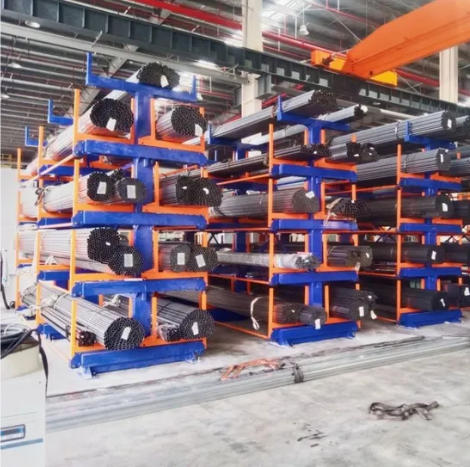
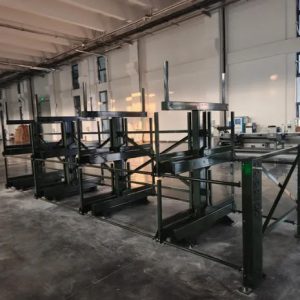
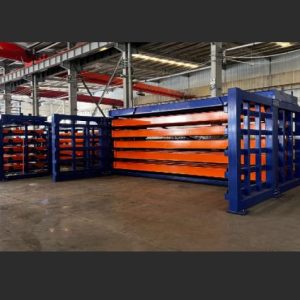
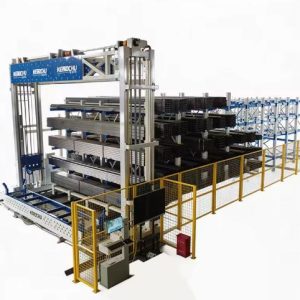
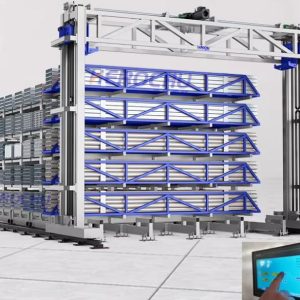
Standard configurations cover 6 m, 9 m, and 12 m material lengths, with custom dimensions available. The limiting factor is usually building clear height and crane hook height, not the rack itself.
Can one person operate a fully loaded tier?
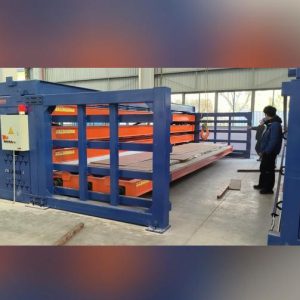
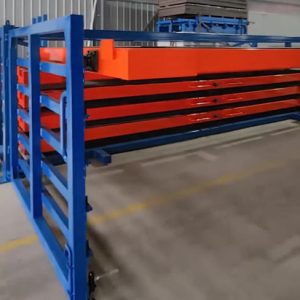
Yes. The gear ratio and roller-bearing carriage are selected so a single operator can extend and retract a rated load without assistance. The crank effort stays within normal manual handling limits across the full travel.
Does the rack need a powered aisle or a special foundation?
No power is required for the mechanism. The rack anchors to a reinforced concrete slab; Herochu specifies anchor type and slab thickness based on the loaded weight per column and the building’s seismic category.
How does crank-out compare with a motorized roll-out system?
Manual crank-out avoids electrical infrastructure, controls maintenance, and lockout procedures. For bays where retrieval frequency is moderate and one operator manages several rack faces, manual operation is the lower-lifecycle-cost choice. Herochu offers both options, so the recommendation follows the duty cycle rather than a fixed product line.
Is a crank-out rack suitable for solid bar stock, or only pipe?
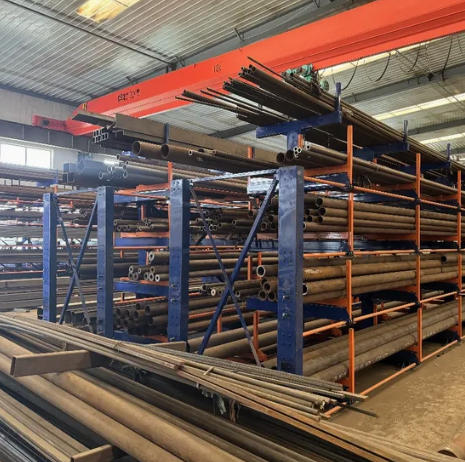
It suits both, but the compartment detail changes. Solid bar bundles need dividers or cradles to prevent spreading during carriage travel; pipe needs end stops and arm geometry that accommodate diameter range and overhang. Herochu specifies the two differently.
How much floor space does the crank-out mechanism actually save?
Savings depend on the aisle width required by the previous forklift operation and the number of rack faces served. In a typical bay where a counterbalanced forklift previously needed a 12-foot aisle, a crank-out installation can reduce the permanent aisle to a narrow operating zone and use the recovered area for additional rack or production equipment.
Can the rack be installed in phases?
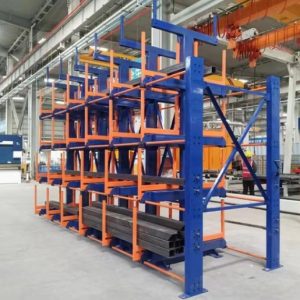
Yes. Herochu’s modular column-and-carriage design allows a bay to start with fewer levels or a single-sided configuration and add tiers or convert to double-sided as inventory grows, provided the original column and foundation specification accounted for the future load.
What maintenance does the crank mechanism require?
The system is mechanical and maintenance-light: periodic inspection of roller bearings, rack-and-pinion engagement, guide rail alignment, and anchor torque. No hydraulic fluid, no electrical controls, no scheduled motor service. In dusty steel environments, keeping the guide rails clear of grit extends carriage life more than any other single action.