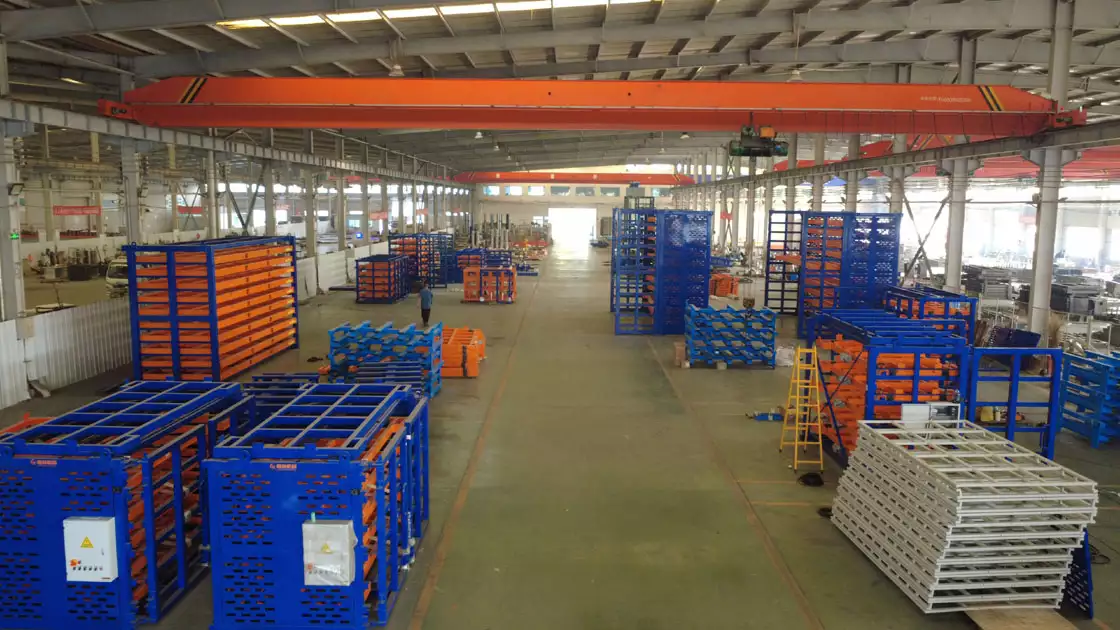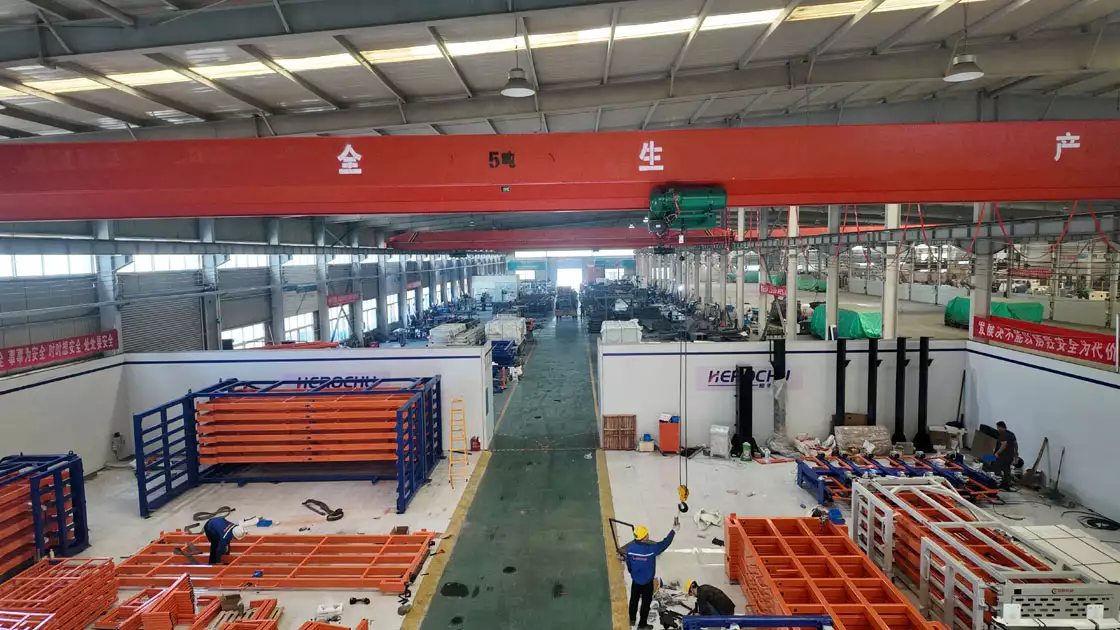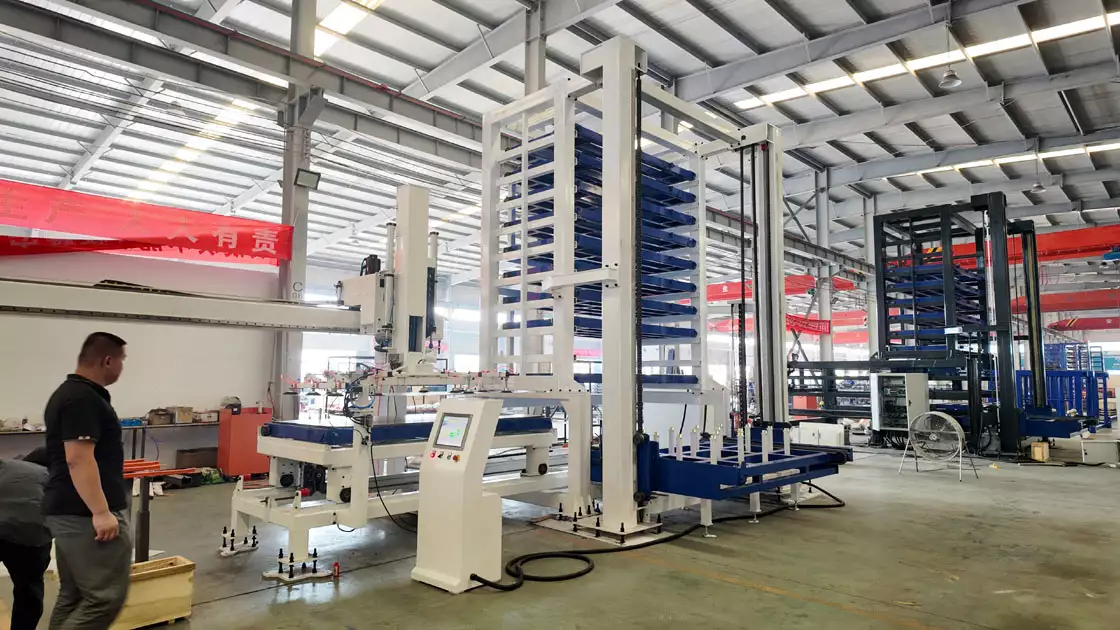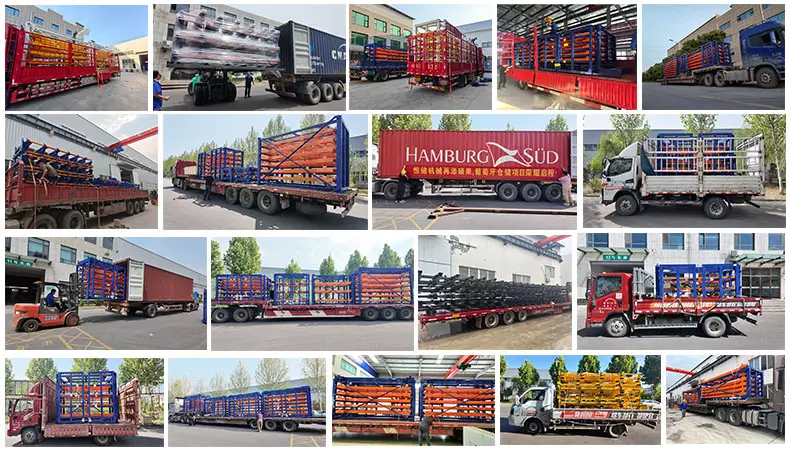
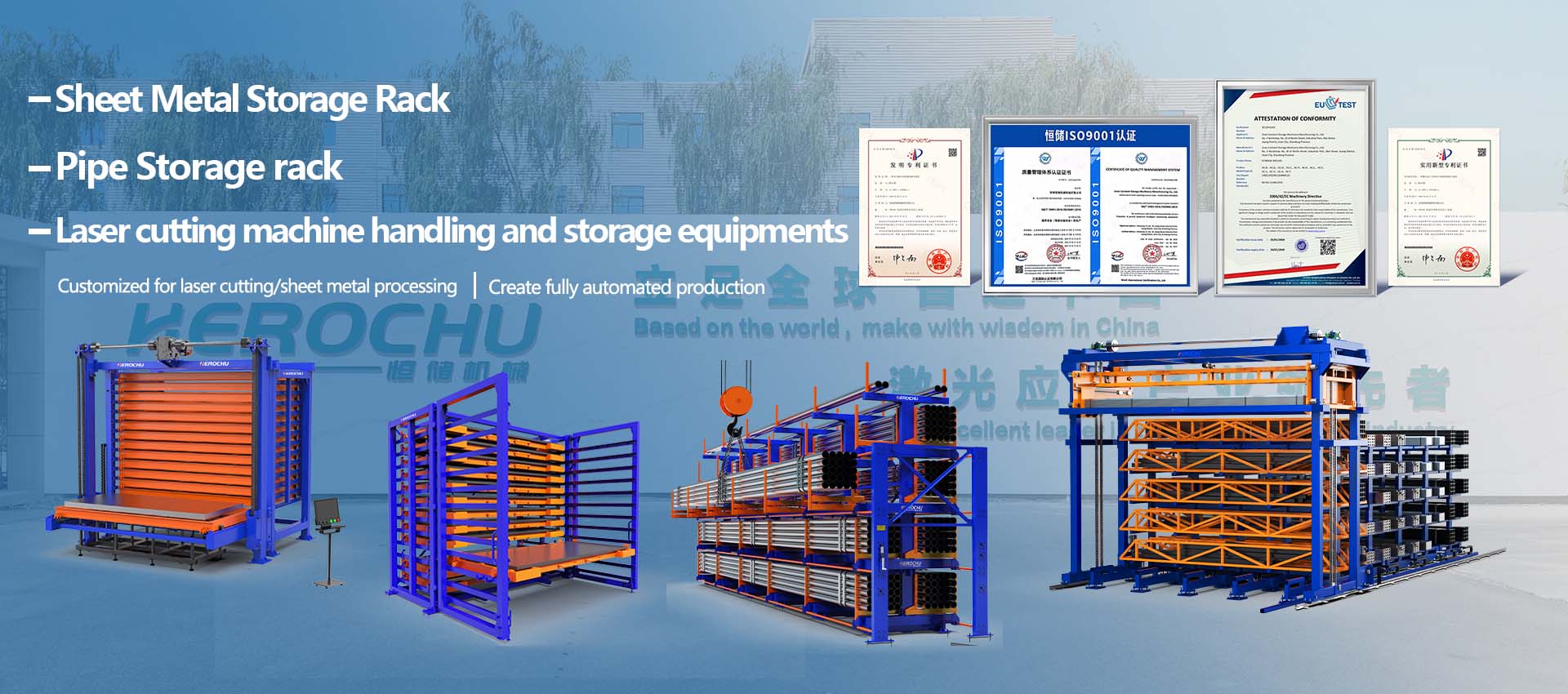
No two fabrication facilities store sheet metal in precisely the same way. A job shop running high-mix, low-volume work needs rapid access to small quantities of diverse materials. A service center stocking standard formats for walk-in customers needs density and organization by specification. An OEM plant feeding a laser cell needs first-in, first-out rotation and integration with production scheduling. Herochu’s electric motorized sheet metal drawer rack for industry addresses this diversity through a customization platform that adapts to the facility rather than forcing the facility to adapt to a fixed product.
Classification Storage Tailored to Material Types
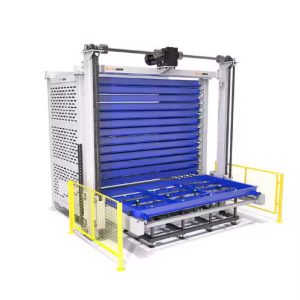
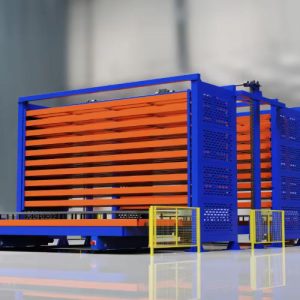
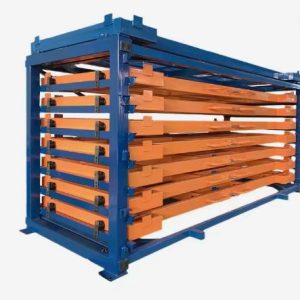
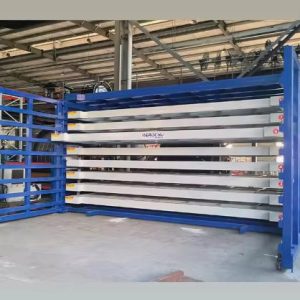
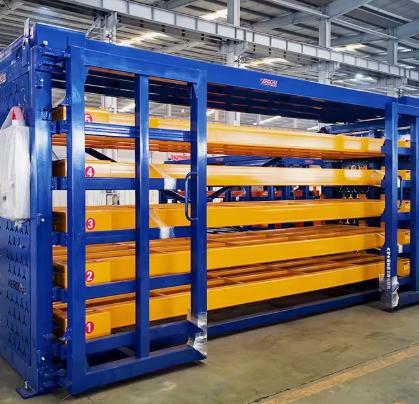
The drawer architecture separates material by layer, but Herochu extends this principle through configurable drawer dimensions and internal partitioning. A single rack can dedicate tier one to 3000×1500 mm mild steel, tier two to 4000×2000 mm aluminum, and tier three to remnant storage with removable dividers that subdivide the drawer into smaller compartments . This classification discipline reduces the most persistent inefficiency in sheet metal storage: the search for the right material in a mixed pile. Label slots on each drawer face support barcode or visual management systems, and the motorized operation means that retrieving a specific grade does not require disturbing stock stored above or below it.
Motorized Drive with Remote Control
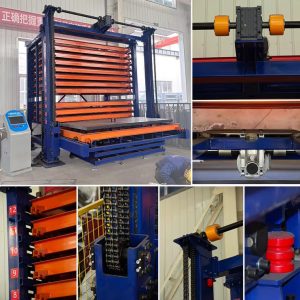
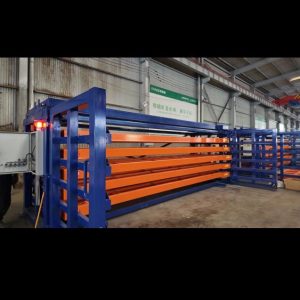
The electric drive system operates via handheld remote, allowing the operator to position the drawer before approaching the rack. This sequence matters in high-traffic areas where multiple workers and equipment share the aisle. The operator can extend the drawer, confirm the material, and signal the crane without standing in the drawer’s travel path. Soft-start and soft-stop control profiles prevent sheet creep during acceleration and deceleration, protecting both the load and the drawer mechanism. For facilities concerned about power interruption, the system includes a manual override that allows drawer retraction without electrical power.
Zinc-Coated Surface and Stable Structure
The zinc coating applied to Herochu racks serves a dual purpose: it protects the structural steel from corrosion, and it provides a clean, non-contaminating surface adjacent to stored material. In facilities processing galvanized sheet, the last thing an operator needs is rust flakes from the storage rack settling onto the work surface. The Q235B steel frame with dual-beam crossbar design maintains dimensional stability under load, and the adjustable load capacity—up to 1 ton per layer as standard, with higher ratings available—allows the same platform to serve light-gauge aluminum storage and heavy plate applications through specification changes rather than product changes .
Customizable Sizes and Configurations
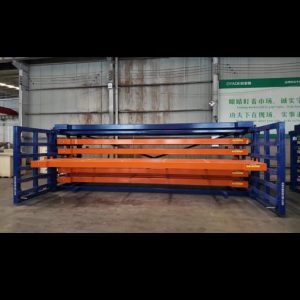
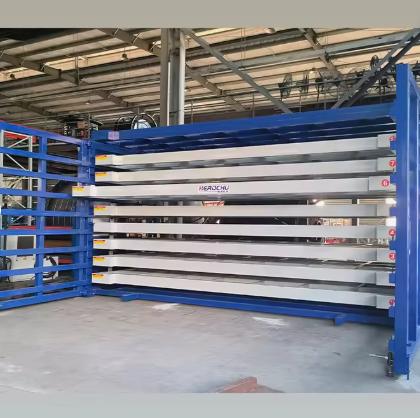
Herochu’s customization extends beyond drawer count and load rating. Sheet dimensions from 3000×1500 mm through 12000×2500 mm are accommodated through the HC-B platform, with clear heights per layer adjustable to match the thickest bundle the facility handles . Facilities with ceiling height constraints can specify reduced layer counts; operations planning for growth can specify additional layers installed later. The motorized drive is available on all models, and the control system can be configured for simple push-button operation or integrated remote control with drawer position feedback. For warehouses that relocate equipment periodically, optional casters convert the rack into a mobile storage unit without sacrificing load capacity.
Applications Across the Industrial Spectrum
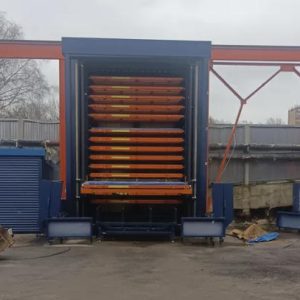
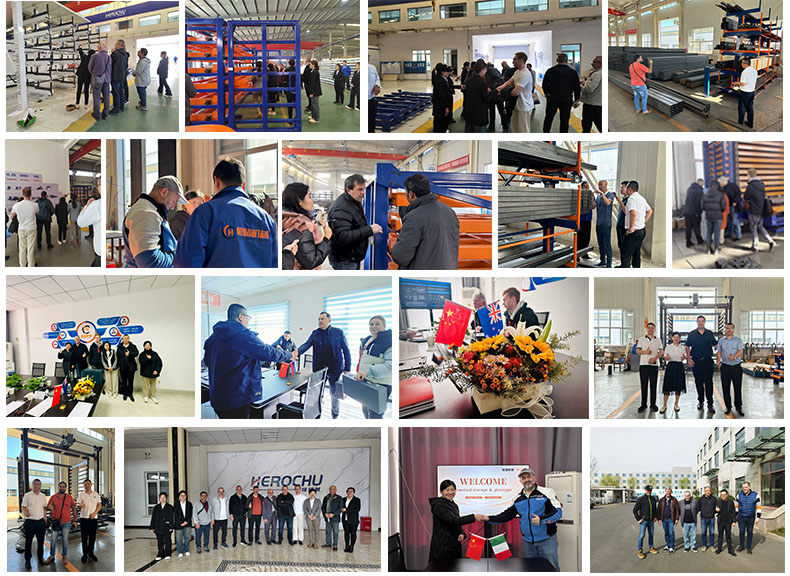
The electric motorized sheet metal drawer rack serves metal fabrication shops, laser cutting workshops, sheet metal warehouses, steel distributors, and stainless steel plate organizers. In each environment, the common requirement is the same: material must be accessible without being scattered, protected without being inaccessible, and organized without requiring specialized labor to navigate the storage system. Herochu engineers each rack against the specific sheet formats, weight ranges, and retrieval frequency the customer provides. The result is a storage system that functions as infrastructure rather than equipment—reliable, unobtrusive, and calibrated to the operation it serves.