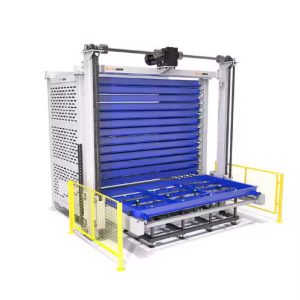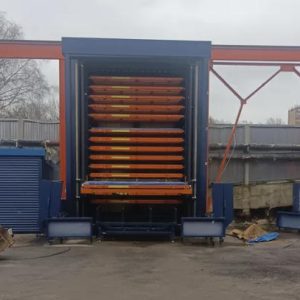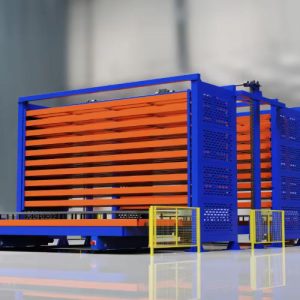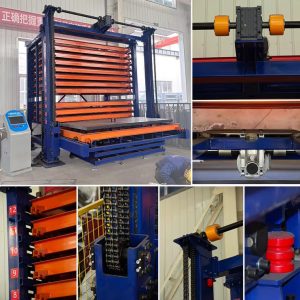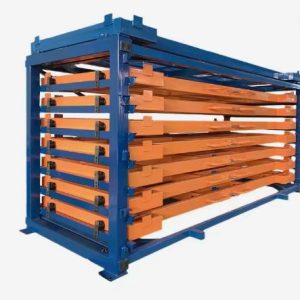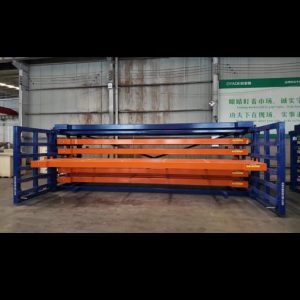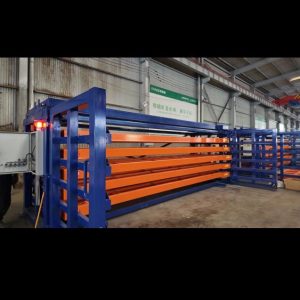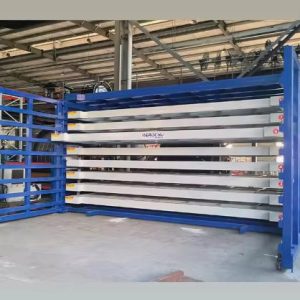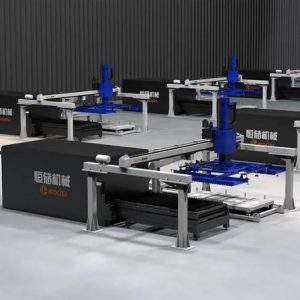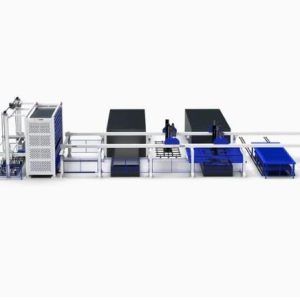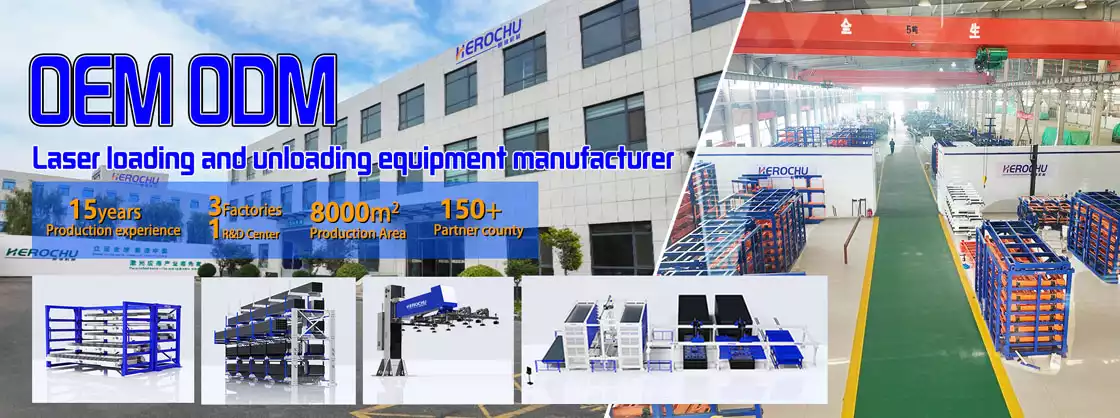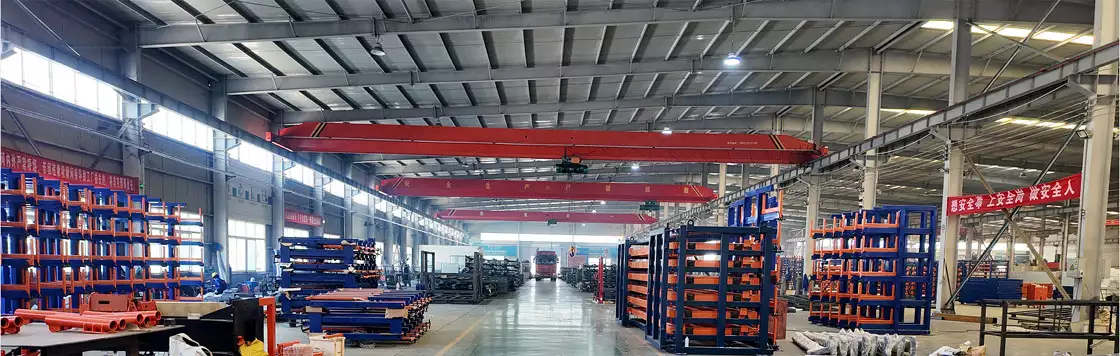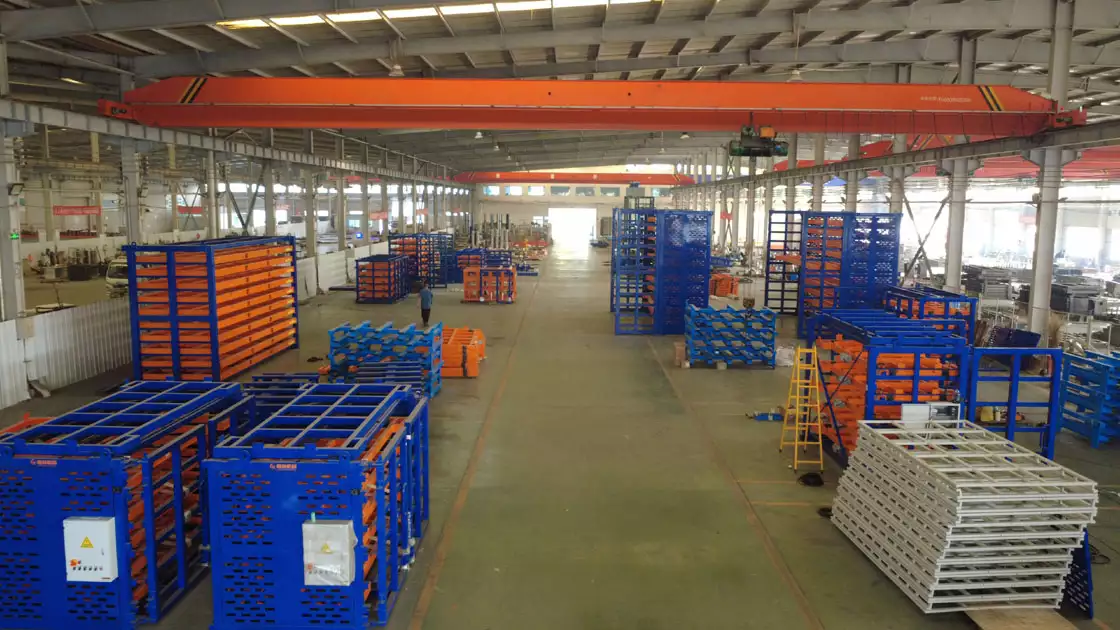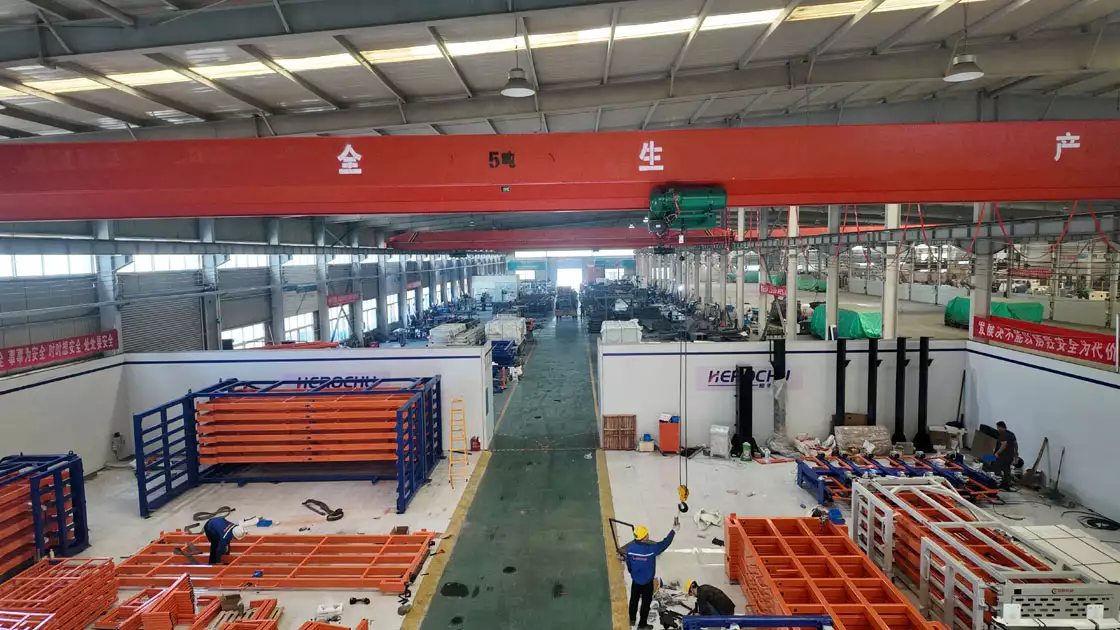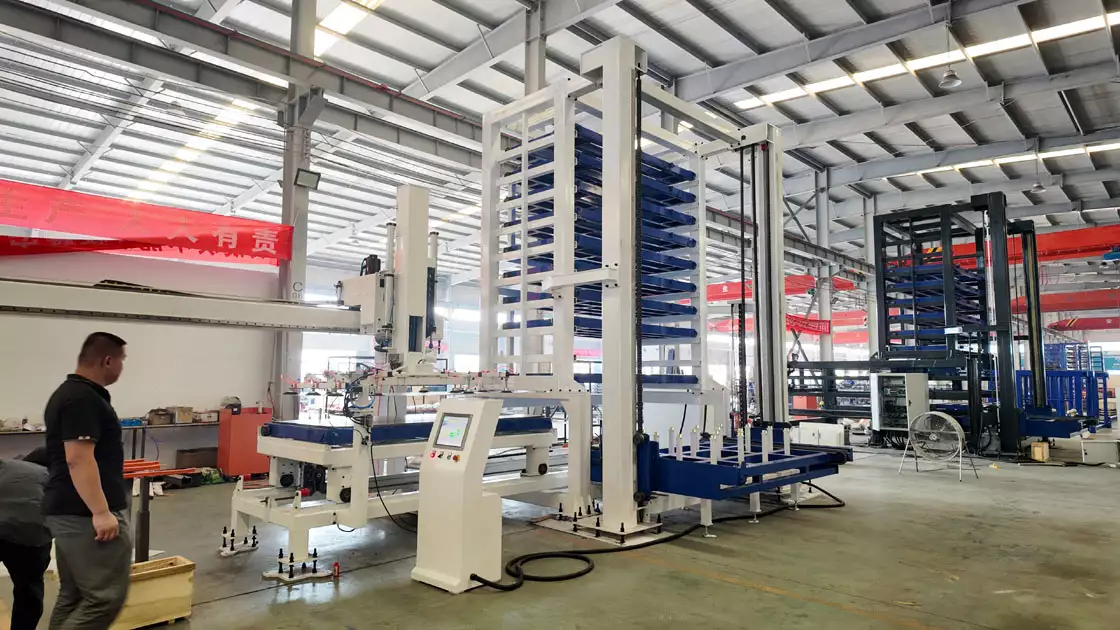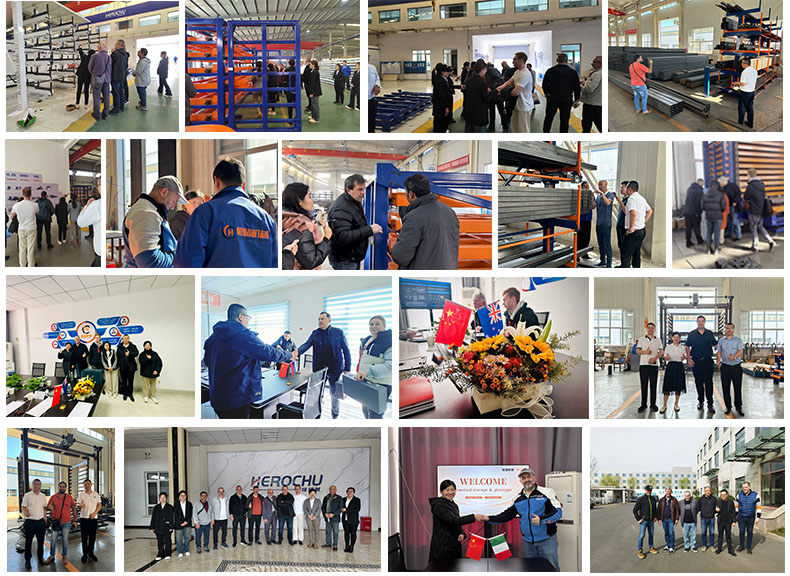
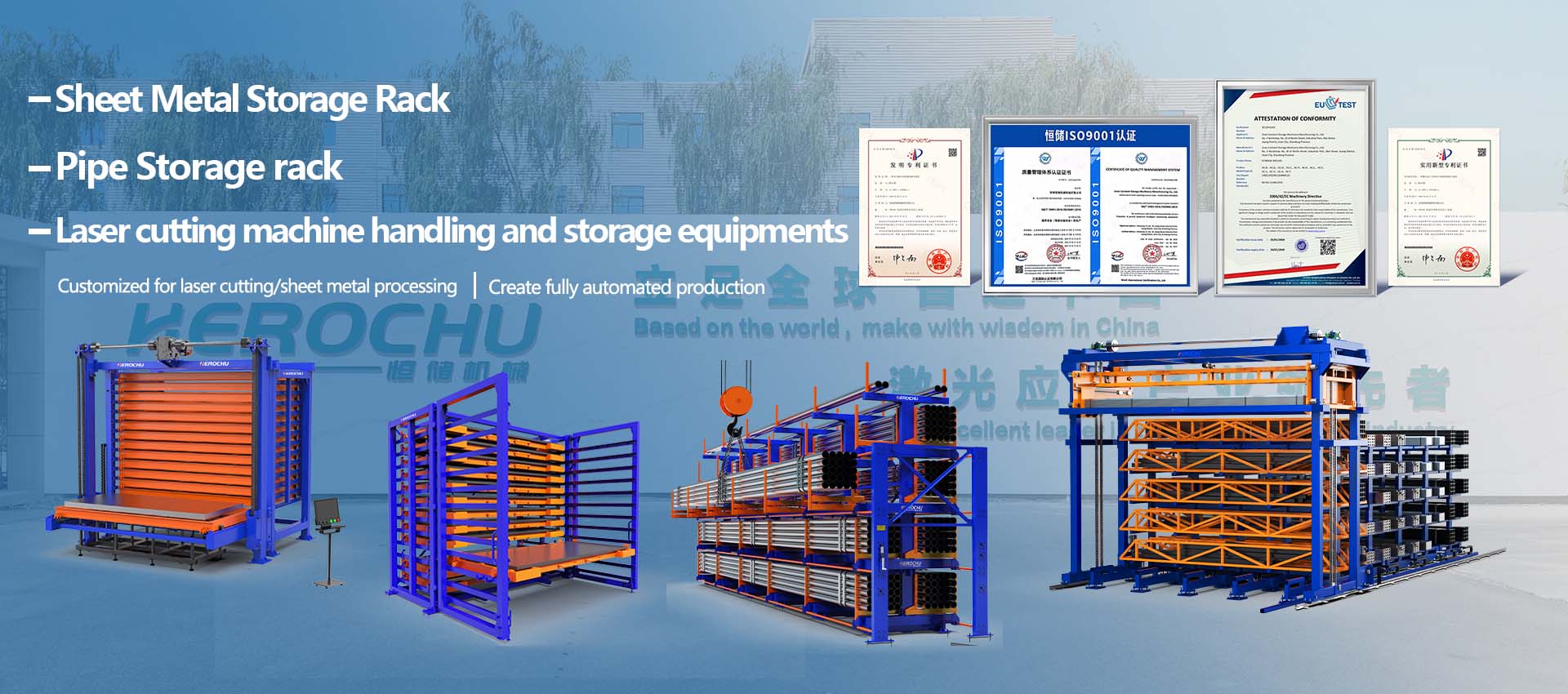
A fabrication shop storing 3-metre plates has a fundamentally different inventory profile from one processing 6-metre structural sheets. Tray spacing, load ratings, tower height, and layer count all shift with the material mix. Herochu approaches this diversity not through catalogue defaults but through an engineering process that configures every Customizable Vertical Sheet Metal Storage Tower System to the purchasing facility’s actual material data.
Starting From the Material List, Not the Catalogue
The configuration process at Herochu begins with a material list — not a product brochure. When a fabrication shop submits its plate inventory for tower design, the engineering team reviews the largest sheet dimension, the thickness range, the heaviest single-plate weight, the total tonnage on hand, and the daily retrieval frequency. These five data points drive the selection of tower model, layer count, tray clearance, and per-level load capacity.
The four standard Herochu models span the common dimensional range:
| Model | Sheet Size (mm) | Layers | Max. Load per Level (kg) |
|---|---|---|---|
| HC-S3015-63 | 3000 x 1500 | 6 | 3,000 |
| HC-S4015-85 | 4000 x 1500 | 8 | 5,000 |
| HC-S4020-85 | 4000 x 2000 | 8 | 5,000 |
| HC-S6020-105 | 6000 x 2000 | 10 | 5,000 |
Each parameter listed as “Customized” in the specification table exists for a practical reason. A shop handling predominantly 6 mm stainless sheet may need only 200 mm of clear space between trays, while a fabricator storing 40 mm structural plate requires 450 mm or more. Herochu sets the 350 mm standard clearance as a baseline, then adjusts it during the engineering phase to match the thickest plate in the shop’s inventory.
Configurable Parameters That Define the Tower
Six engineering variables distinguish one Customizable Vertical Sheet Metal Storage Tower System from another:
Number of layers. The standard range runs from 6 to 10, but the structural design allows extension upward when ceiling height permits. A shop with a 9-metre clear ceiling and a predominance of thin-gauge sheets can add layers beyond the standard count, multiplying storage density without expanding the footprint.
Load capacity per level. The HC-S3015-63 carries 3,000 kg per tray — suited to thinner plates and moderate daily volume. The three larger models all rate at 5,000 kg per level, accommodating the heaviest individual plates a fabricator typically encounters. For specialised heavy-plate applications, Herochu engineers custom tray reinforcement to handle loads above the standard rating.
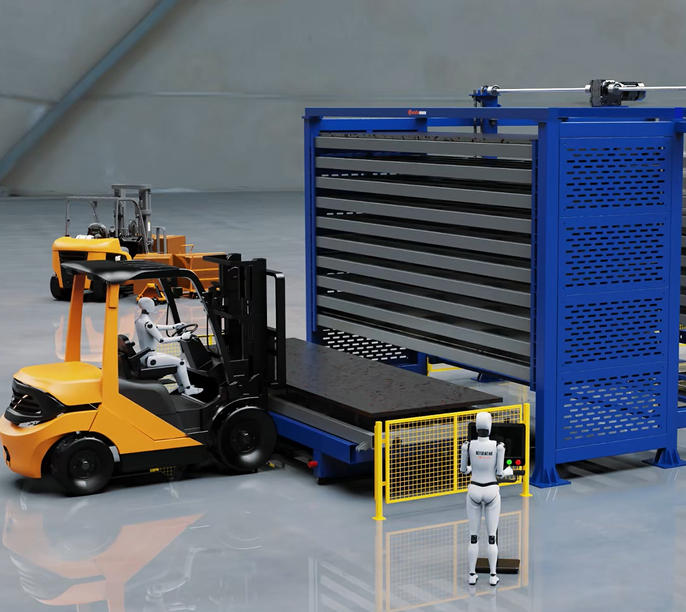
Clear space between trays. This dimension is the single most frequently adjusted parameter. It determines what the tower can physically accept. Too little clearance, and the extractor mechanism cannot engage trays holding thick plate. Too much, and vertical storage density drops. Herochu calculates the optimal spacing from the thickest sheet on the shop’s material list, then adds a handling margin.
Number of storage towers. A single tower handles the daily retrieval volume of a shop running one or two cutting machines. Dual-tower or multi-tower configurations serve facilities with higher throughput, where the central extractor moves between parallel storage columns to serve multiple production cells.
Transfer speed. The 5–15 m/min range covers the full operating envelope. Speed is configured based on the distance between the storage position and the access bay, and on whether the tower feeds a manual pickup station or an automated loading system.
Repeatability. Positioning accuracy of ±2 mm holds constant across all configurations. This figure is structural, not adjustable — the gear-and-rack drive system and guided rail assemblies deliver the same precision whether the tower runs 50 or 500 retrieval cycles per day.
Modular Expansion: Growing Without Rebuilding
A fabrication shop that installs a Herochu tower with six layers does not face a dead end when production volumes increase. The structural frame is designed to accept additional tray positions. When a shop adds a second laser cutter or takes on heavier plate work, Herochu can field-install additional levels on an existing tower without dismantling the frame or replacing the drive system.
Multi-tower installations follow the same modular principle. A shop that starts with a single-tower HC-S3015-63 configuration can add a second tower sharing the same central extractor and control architecture. The PLC touchscreen and WMS inventory system already in place manage the expanded capacity without hardware replacement. This incremental approach lets a facility scale storage in step with production growth rather than committing to a maximum-size system on day one.
Industry-Specific Configuration Profiles
Different fabrication sectors produce different configuration patterns. A structural steel fabricator processing 6000 x 2000 mm plate at 20–50 mm thickness typically selects the HC-S6020-105 with ten levels, 5,000 kg per-level capacity, and enlarged tray clearance. The tonnage concentration is high, the plate count per tray is low, and the retrieval frequency is moderate.
A stainless steel job shop handling 3000 x 1500 mm sheets across multiple gauges tends toward the HC-S3015-63 with six levels and 3,000 kg capacity. The material mix is diverse — ten or more gauges across two or three alloy grades — and the retrieval frequency is high, with the tower feeding a laser cutter that changes plate every 20 to 40 minutes.
Herochu engineers document the configuration rationale for each installation, mapping every parameter decision back to a specific entry on the shop’s material list. This traceability ensures the tower serves the full material range rather than fitting 80 percent of the inventory while leaving the remaining 20 percent on floor racks.
Engineering Documentation and Pre-Shipment Verification
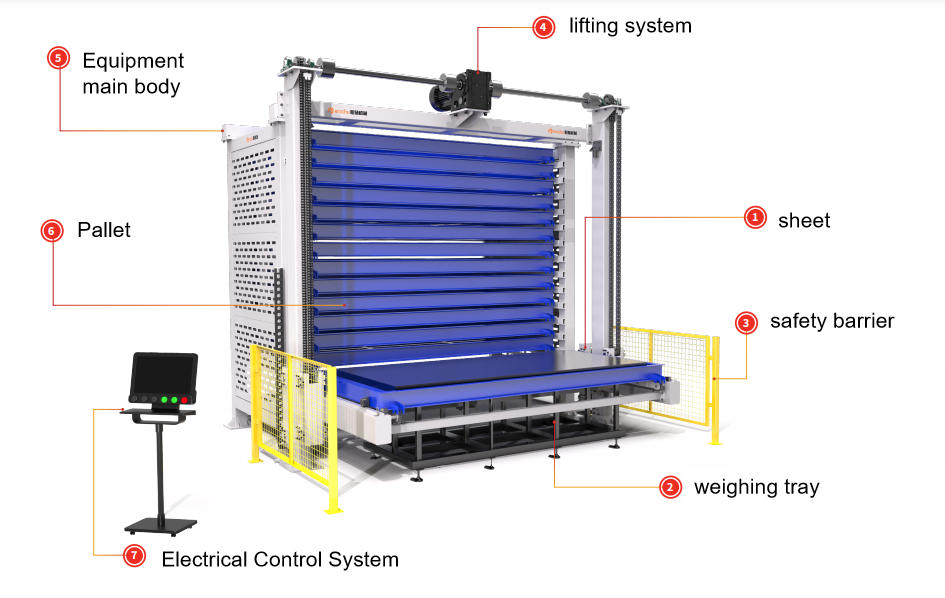
Before a Customizable Vertical Sheet Metal Storage Tower System leaves the Herochu manufacturing facility, the engineering team verifies every configured parameter against the shop’s material data. Tray dimensions are measured against the largest plate. Load ratings are confirmed through structural analysis. Clear space is checked against the thickest sheet. The PLC is loaded with the shop’s material classification rules. This pre-shipment verification closes the loop between the engineering specification and the physical hardware — the tower arrives configured, not generic.