A CNC Table Only Earns While It Cuts
In a CNC workshop, every minute the cutting table waits is money leaving the shop. Operators hunt for a usable offcut, clear a path to the material, drag a sheet out of a stack, and feed the machine. Meanwhile the laser or plasma torch sits idle. Much of that delay is not a machine problem — it is a material logistics problem.
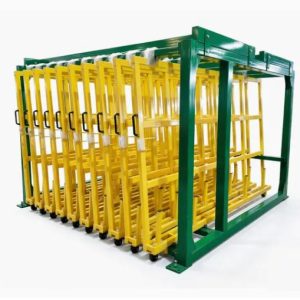
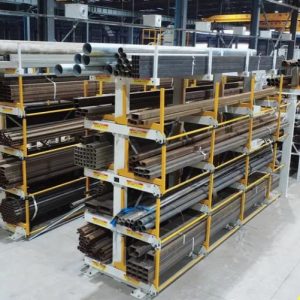
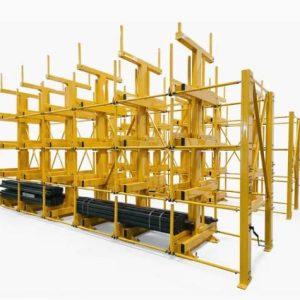
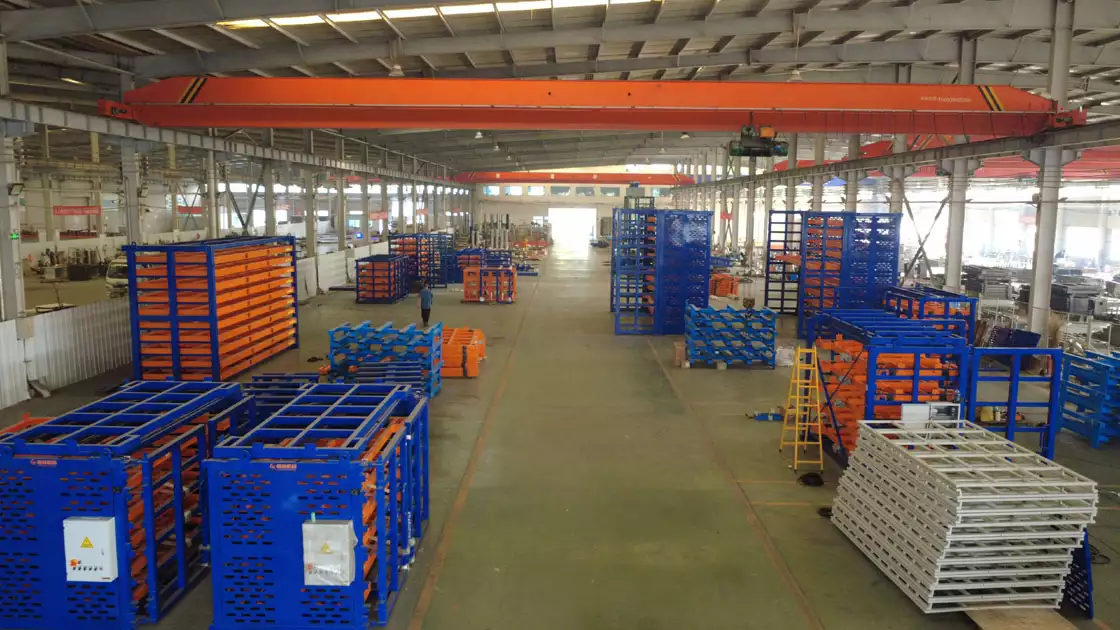
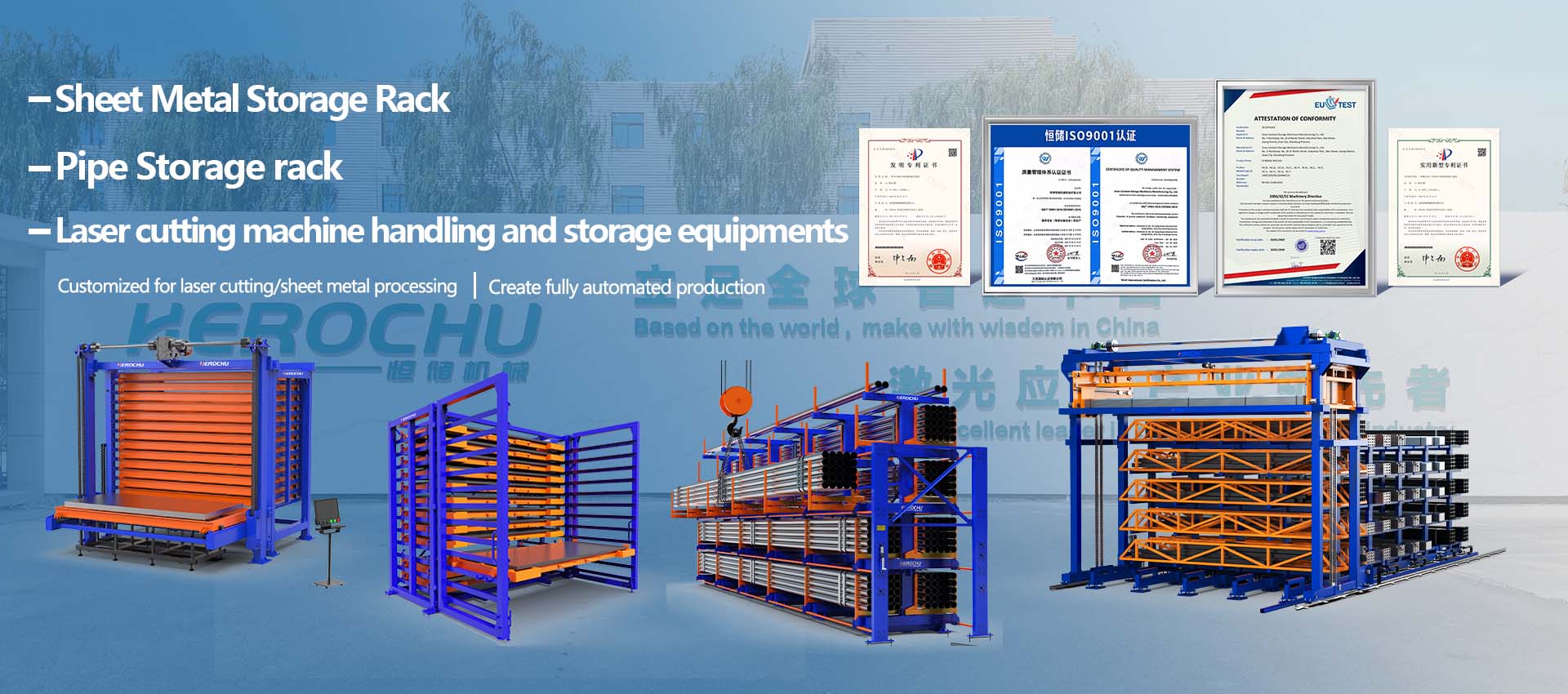
Herochu’s heavy-duty vertical plate rack with roll-out storage attacks the delay at its source: it keeps CNC workshop scrap and offcuts organized, visible, and positioned right where the cutting happens.
Roll-Out Storage Beside the Machine
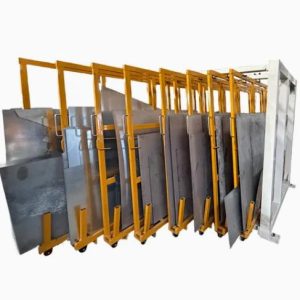
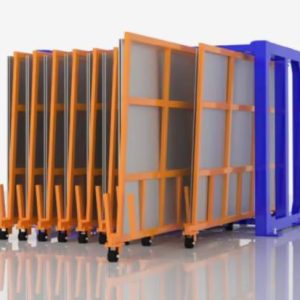
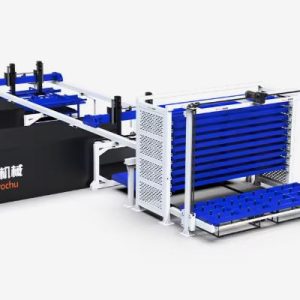
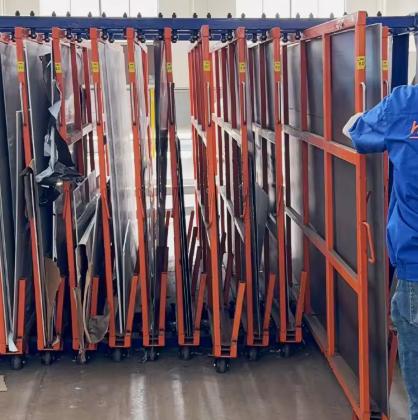
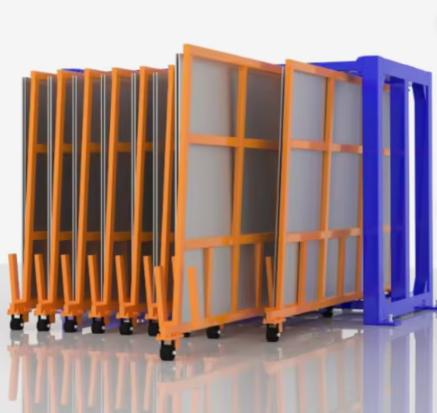
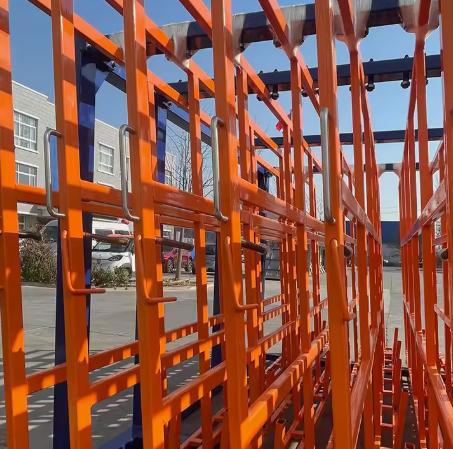
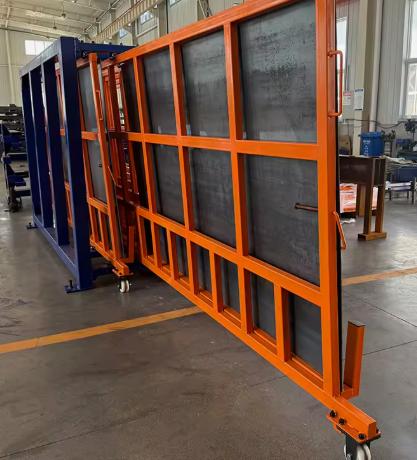
The rack stores plates upright in vertical drawers that extend a full 100 percent on heavy-duty industrial bearings. Placed alongside a laser cutting table, it creates a simple loop: pull out a drawer, lift the sheet with an overhead crane or vacuum lifter, load the machine, cut the job, and return the remaining piece to the rack. The offcut never hits the floor, never gets buried, and never needs to be rediscovered.
Full frontal and overhead access means one operator can handle sheets that would otherwise require two. The 3-degree backward incline built into each drawer holds plates against the backframe while the drawer is open, so loading and unloading stay stable without extra steps.
Sized for Real CNC Plate
Two standard models match the sheet dimensions most CNC shops cut:
HC-V2513-8: 2500 x 1000 mm sheet capacity
HC-V3015-8: 3000 x 1500 mm sheet capacity
Both are constructed from structural-grade steel and ship with eight layers as standard, with the tier count customizable by material type. Per-level capacity reaches 1000 kg — enough for dense stacks of 6 mm and 10 mm plate — and the roughly 60 mm clear space between sheets is adjustable in the custom build.
Built to Interface With Automation
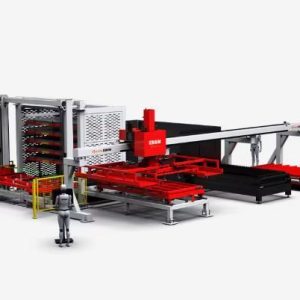
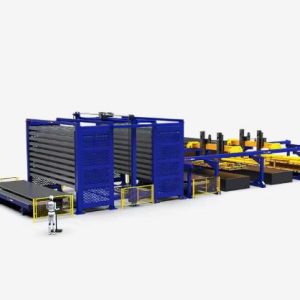
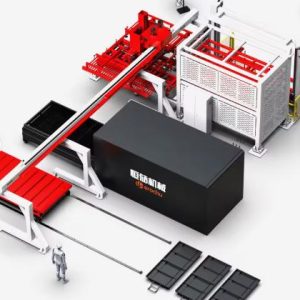
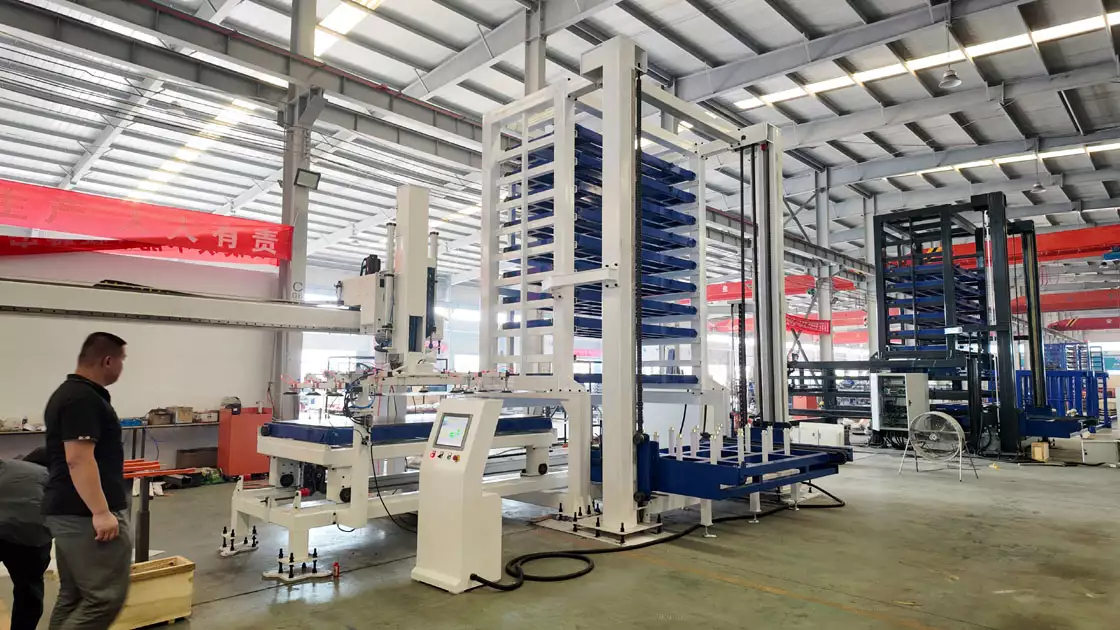
CNC workshops are increasingly automated, and the plate rack is designed to fit that workflow. The roll-out geometry works with vacuum sheet lifters, gantry loaders, and automated loading and unloading arms for laser cutting machine tables. Mechanical assistance supports material discharge, keeping the handoff to automated equipment clean and repeatable.
This matters for throughput: when loading is automated, the storage rack becomes the buffer that keeps the cutting line fed. Semi-finished parts and offcuts can be staged in dedicated levels, so the machine never stops because the material moved somewhere else.
The Loading Cycle, Step by Step
The workflow on a real floor looks like this. The operator pulls out the drawer holding the grade and thickness the job calls for. A crane or vacuum lifter lifts the sheet from the slot and swings it to the cutting table; the drawer slides shut with one hand. The machine cuts the job while the operator stages the next sheet. When the job is done, the usable remainder goes straight back into its assigned tier. What used to take a search through a leaning pile now takes one drawer pull.
Cutting Changeover Time
Changeover is where shops lose production they never see on the schedule. Every job that starts by hunting for material, or that stops to clear a path to a buried sheet, eats minutes off the cutting window. With the rack beside the machine and offcuts sorted by gauge, the next job’s material is identified in seconds. That matters most in shops running many small jobs a day, where a few minutes per changeover add up to real machine hours by the end of the week.
Staging Semi-Finished Parts
The rack also doubles as staging for semi-finished parts between operations. A laser-cut part waiting for the press brake, or a batch of blanks scheduled for the next shift, sits in its own level instead of occupying a workbench or the floor in front of the machine. That keeps the cutting line clear and gives the next operation a defined pick-up point.
Scrap Management With a Production Payoff
Treating CNC workshop scrap as organized stock changes the numbers. Offcuts sorted by thickness and grade on dedicated levels become first-choice material for small jobs and nested parts. Operators stop reordering plate that is already on the floor, planners can quote against known on-hand stock, and the cutting table spends more time cutting.
The rack also protects the material it holds. Sheets stand with clear space between them, so edges and coated surfaces survive storage intact — no scratches from sliding plates, no damage from leaning piles.
Manufactured to Industrial Standards
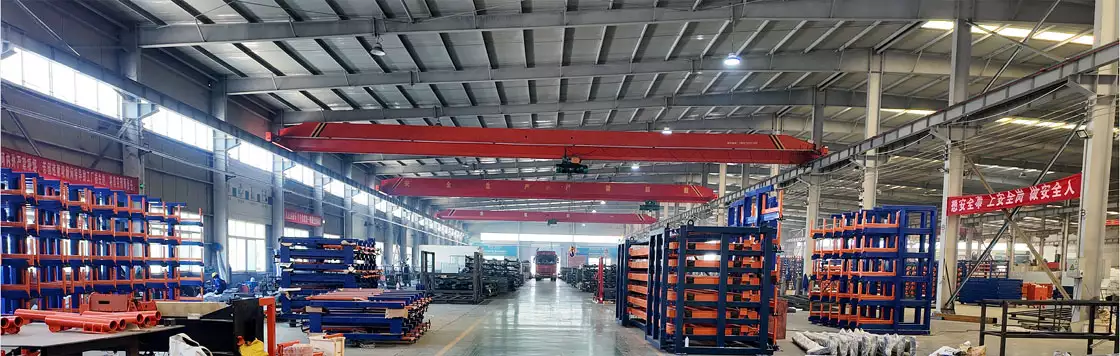
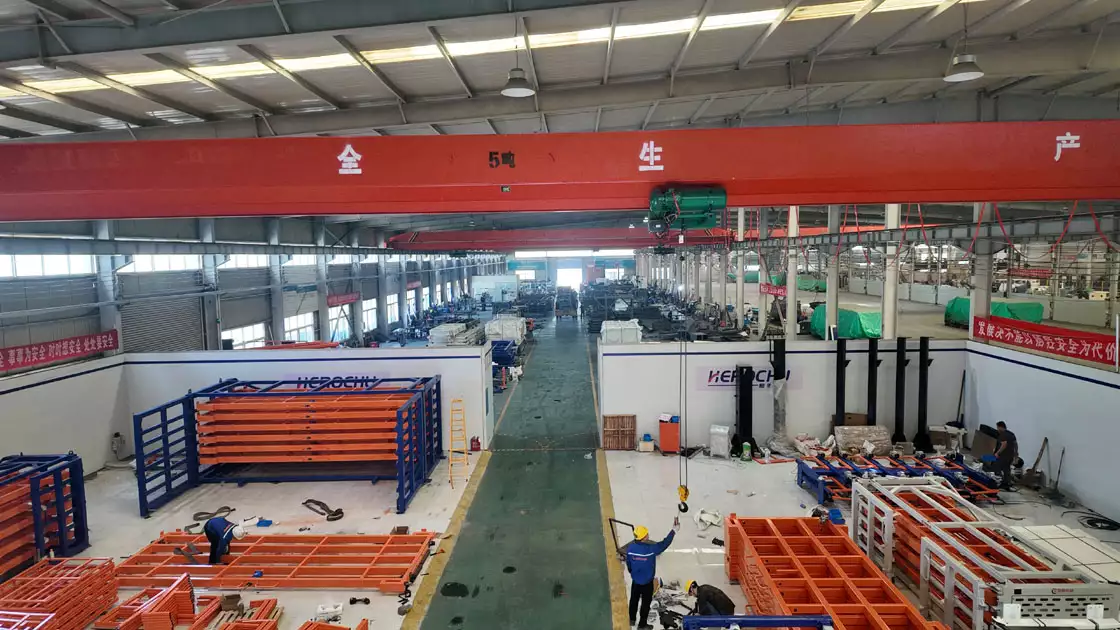
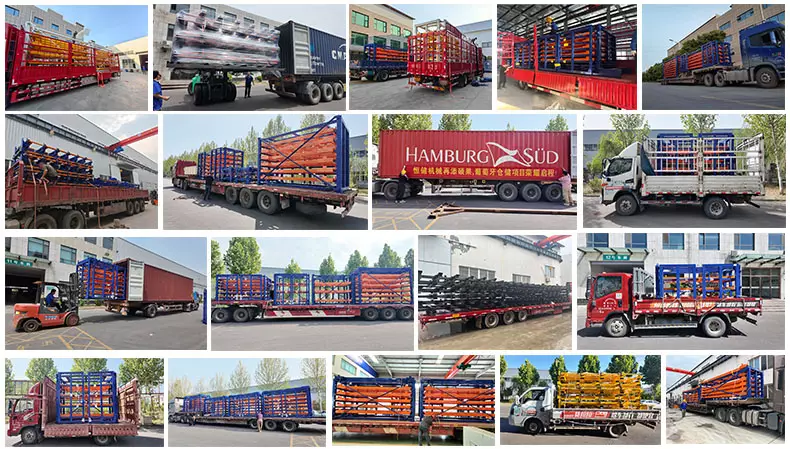
Herochu builds the rack in an ISO9001-compliant facility, certifies it to CE standards, and subjects it to structural load testing before shipment. With more than 15 years of engineering background, custom design services, and worldwide installation support, the company has delivered this storage approach to aerospace, automotive, railway, and heavy machinery fabrication — the environments where plate handling has to be right the first time.
Questions From CNC Shops
Does the rack work with automated loading systems?
Yes. The roll-out drawers are designed to interface with vacuum sheet lifters, gantry loaders, and robotic loading arms for laser cutting machine tables. Mechanical assistance supports discharge, so the handoff to automated equipment stays consistent.
What plate weights is it built for?
Each level is rated to 1000 kg, with a standard drawer carrying up to 700 kg (about 1,500 lb). The structural steel frame and bearing system are sized for repeated heavy loading, not just occasional use.
Can it hold coated or stainless plate without damage?
Sheets stand with clear space between them and can be secured with removable dividers and adjustable support arms, which keeps coated surfaces and sensitive alloys free of scratches during storage.
The Result
A heavy-duty vertical plate rack with roll-out storage does not just tidy the workshop. It puts CNC workshop scrap back to work: shorter changeover times, fewer lost remnants, and a cutting table that stays productive. For a shop that lives on machine hours, that is the storage rack that pays its own way.