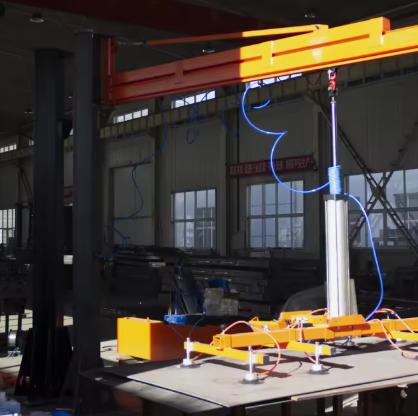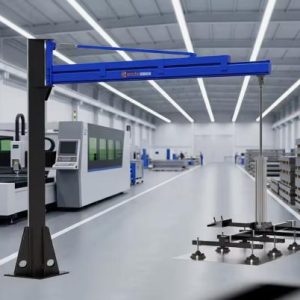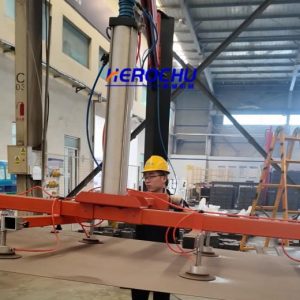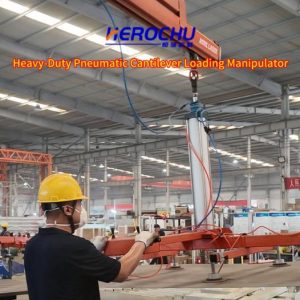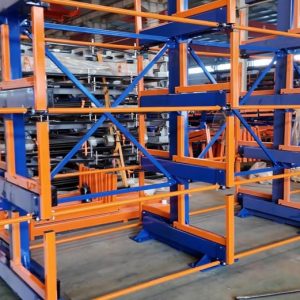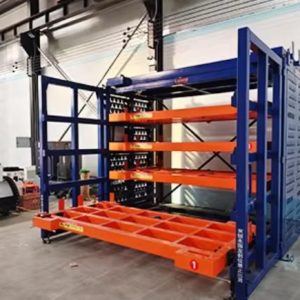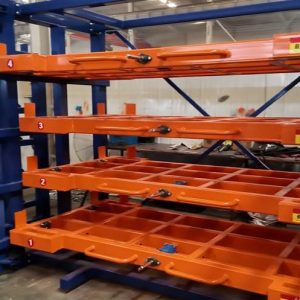
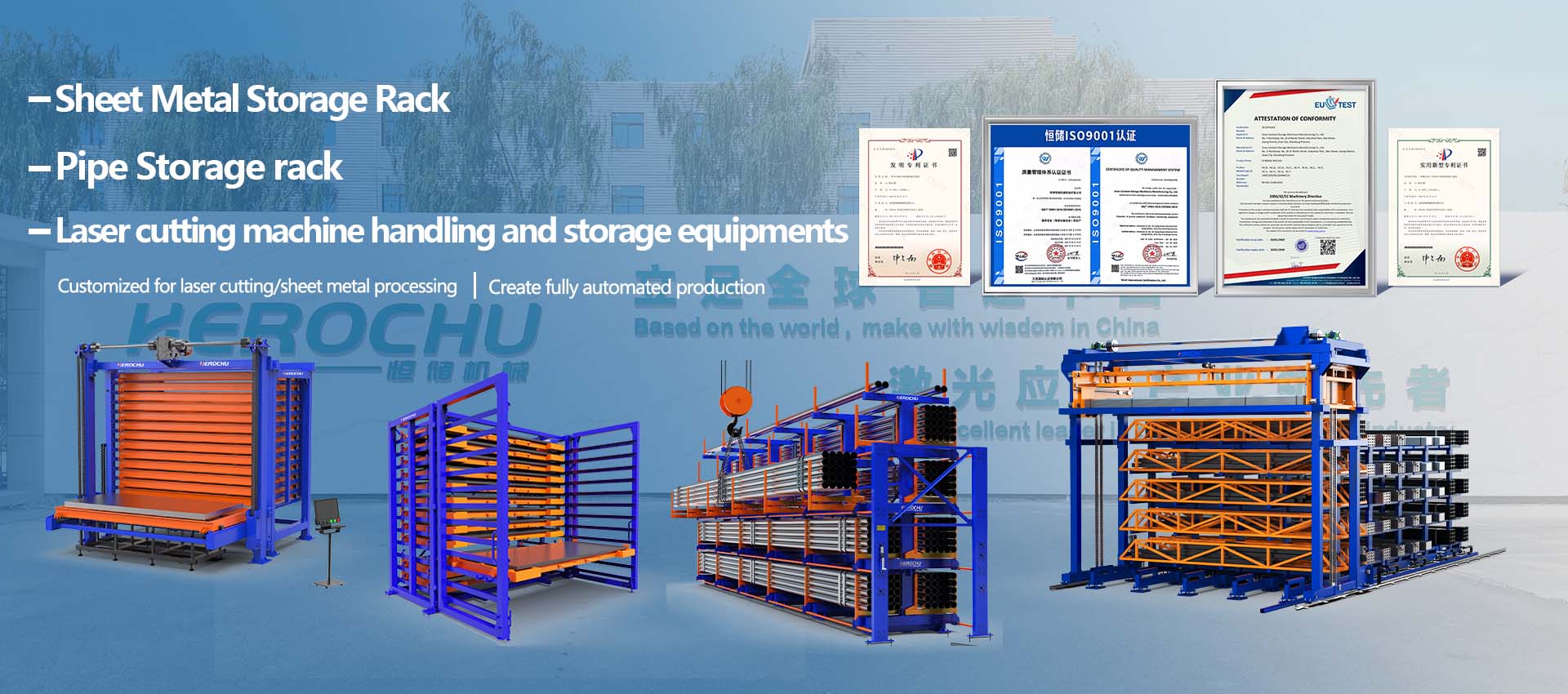
The gap between laser cutting technology and material handling capability has never been wider. Today’s fiber laser cutting machines process sheet metal at speeds that were unimaginable a decade ago, yet in most fabrication shops, the loading of raw materials remains a manual operation that negates much of the productivity advantage offered by advanced laser technology. Herochu has developed a new generation of efficient CNC metal processing auxiliary feeding devices—laser feeding machines engineered to keep cutting centers fed, positioned, and emptied at the pace the resonator was designed to run.
The Feeding Bottleneck in Metal Processing
CNC routers, laser cutters, and plasma tables share a common bottleneck: manual sheet loading. Operators waste valuable machine time wrestling heavy plates into position, aligning edges, and fighting material sag. When high-power lasers complete cutting programs in minutes, manual crane handling becomes a clear operational bottleneck. A 40 kW fiber laser can pierce 25 mm mild steel in under half a second and cut a 4 m by 2 m nest in four minutes, yet the average stand-alone machine still waits twelve minutes for the next sheet.
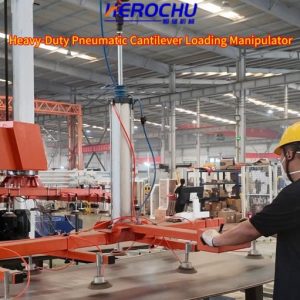
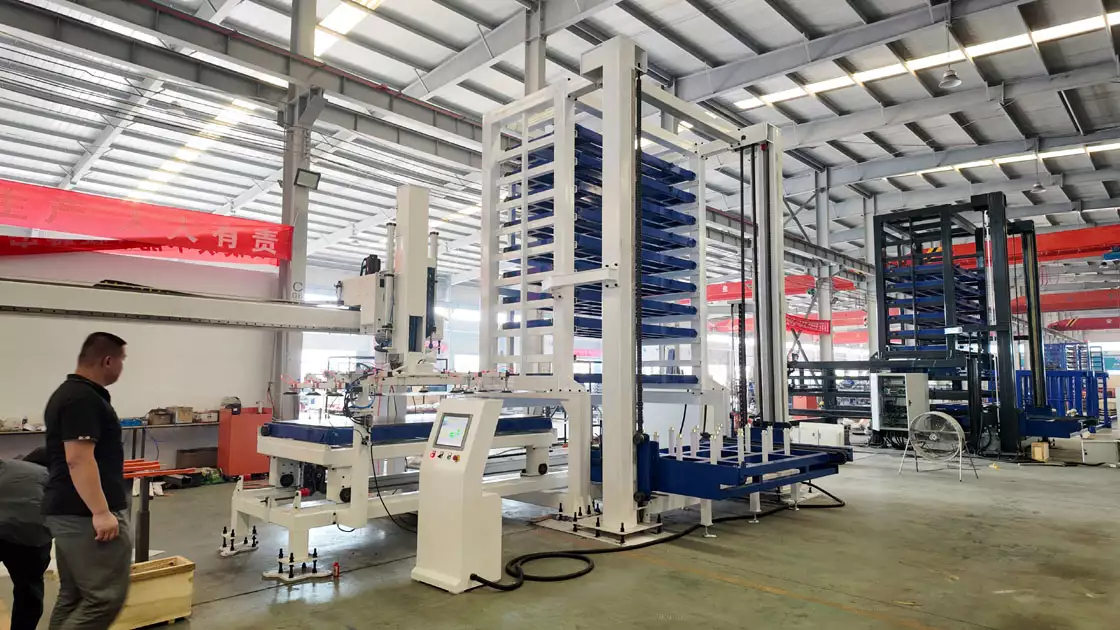
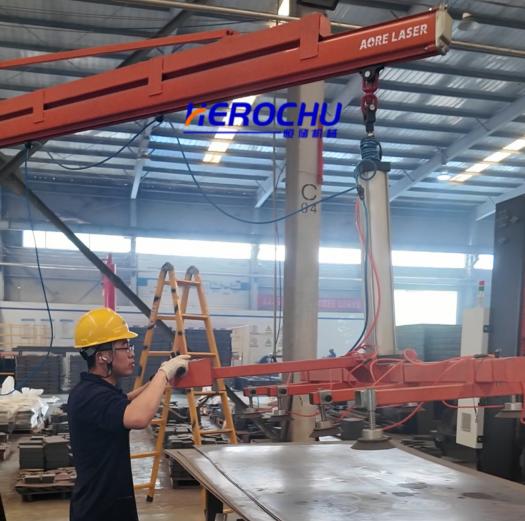
Herochu’s laser feeding machine eliminates this bottleneck by providing a dedicated, articulated lifting arm that reaches over machine beds, picks plates from stacks, and presents them at the exact angle required for loading. Engineered as the front half of the cutting process rather than a mere accessory, the Herochu feeding device transforms a manually fed laser cutting machine into an autonomous production asset capable of sustained, high-throughput operation.
Precision Feeding Architecture
The Herochu laser feeding machine integrates several specialized subsystems into a unified, synchronized production unit. The moment the previous nest exits, the system already presents the next blank to within ±0.2 mm of the programmed origin. Mechanical rake alignment, pneumatic micro-clamp, and eight-zone vacuum matrix share positional data with the cutter’s own CNC through a unified EtherCAT bus.
This precision feeding architecture delivers several critical advantages. First, the system automates loading and unloading cycles of laser cutting machines, slashing processing times from 15 to 20 minutes manually down to just 2 to 3 minutes—achieving up to an 85 percent reduction in cycle time. Second, high-precision sensors automatically measure sheet position, dimensions, and thickness, feeding real-time positional data to the CNC system to adjust manipulator movement on the fly. Third, the system is engineered for high-throughput continuous manufacturing, featuring vertical lifting speeds up to 9 meters per minute and inlet/outlet transfer speeds of 12 meters per minute.
The Cantilever Advantage for Feeding Operations
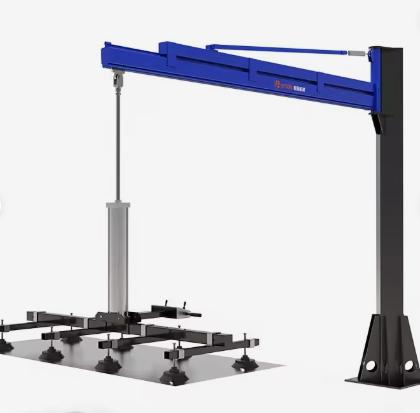
A standard pneumatic manipulator lifts from directly above the load. A cantilever loading manipulator, by contrast, extends outward from a pivot point, allowing it to reach into machine enclosures, over safety guards, and across wide tables. This reach capability is essential for CNC feeding because the machine bed often sits several feet away from the material storage area.
The cantilever structure also provides inherent stability when handling off-center loads. Plates being loaded into a CNC machine rarely position themselves perfectly under the lifting point. The cantilever’s torque-absorbing design keeps the load level even when the center of gravity shifts, preventing edge binding during insertion. The Herochu pneumatic cantilever design rotates 220 degrees and lifts 700 mm vertically, providing the articulation required to access material stacks and position sheets precisely on the cutting bed.
Versatile Feeding Configurations
Herochu laser feeding machines accommodate a vast spectrum of materials and thicknesses. Feeding plate thickness ranges from delicate 1 mm sheets to robust 20 mm panels. Maximum feeding format of 4000 mm by 1500 mm handles large-format sheets with ease, maximizing material yield. Minimum feeding format down to 1250 mm by 1250 mm maintains precise control even with smaller workpieces.
Available models include configurations supporting 300 kg, 500 kg, or 1000 kg maximum plate weight. Thicker materials up to 12 mm require the 500 kg variants, while 20 mm heavy plates demand the 1000 kg capacity with larger 250 mm suction cups. The versatile pneumatic/electric power mode ensures reliable, efficient, and clean operation across all configurations.
For manufacturers seeking to maximize laser uptime and eliminate the manual feeding bottleneck, Herochu delivers a precision-engineered laser feeding machine that transforms metal processing operations. Whether running 1 mm aluminum signage or 20 mm structural-grade steel, the same program logic selects suction cup configurations and motion profiles to match the material at hand.