Density is the measure that matters most when evaluating remnant storage for a sheet metal workshop. It is not how much material a rack holds — it is how much material it holds per square meter of shop floor consumed. A storage system that holds two tons across five square meters delivers less value than one that holds twenty tons across six. The first occupies premium floor space for limited capacity. The second converts the same footprint into a high-volume material library. This ratio — storage capacity per unit of floor area — is what separates a storage rack from a storage strategy. Herochu high-density flat remnants material storage racks are designed around this ratio, delivering storage densities that traditional horizontal stacking cannot approach.
Understanding High-Density Vertical Architecture
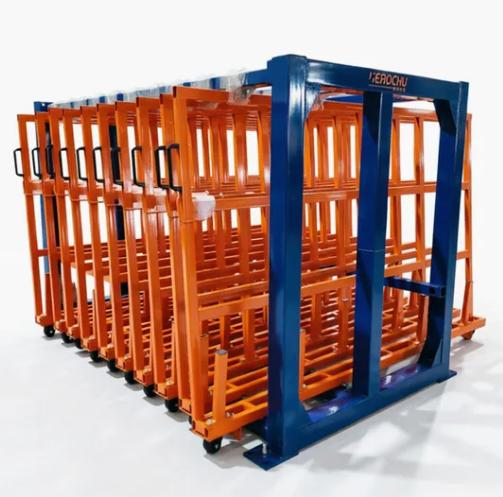
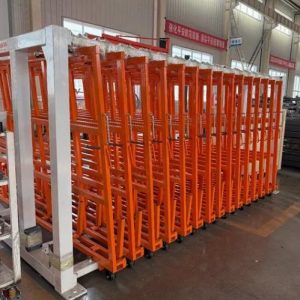
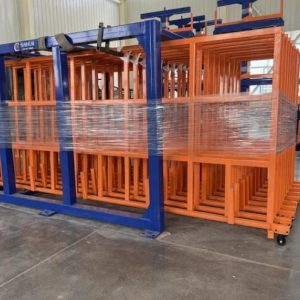
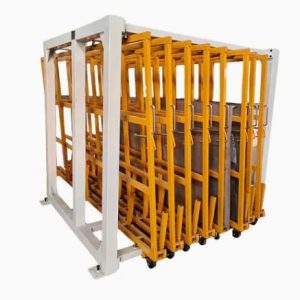
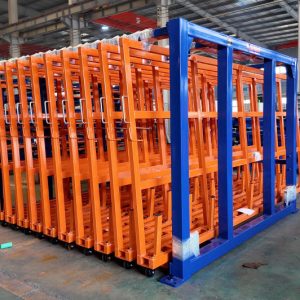
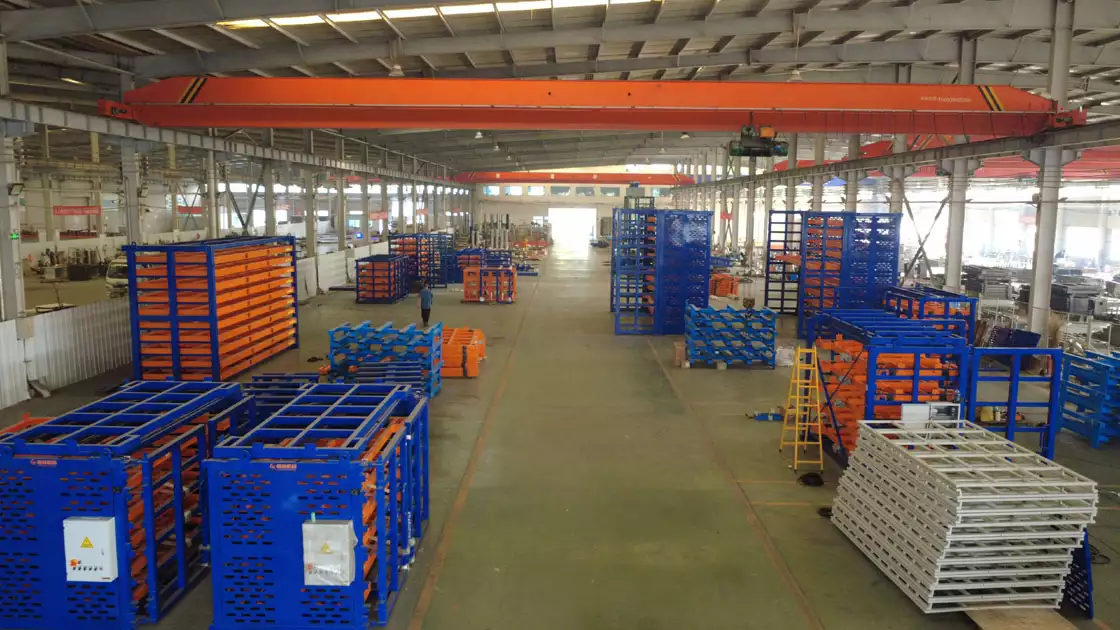
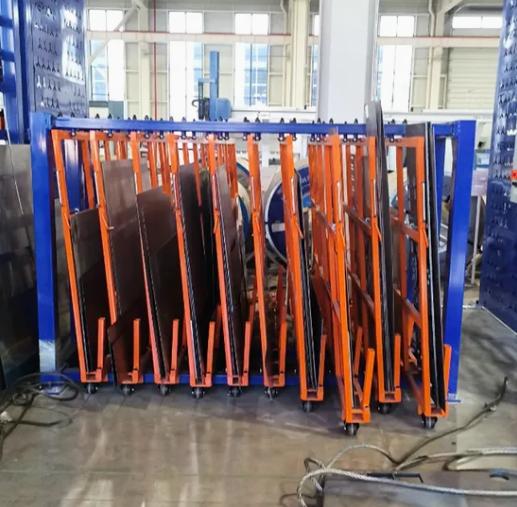
The high-density principle in the Herochu rack line relies on vertical orientation combined with independent drawer layers. Instead of stacking remnants flat — where each layer occupies the full footprint of the one below it — the system stands sheets on edge inside a steel frame, with multiple pull-out drawers stacked vertically. Each drawer becomes an independent storage level. The model HC-V2010-15 provides 15 to 20 levels within a single rack, meaning the same floor footprint that would hold one layer of horizontal material now holds 15 to 20 layers of vertically organized remnants.
The math is direct. A single horizontal pallet occupying roughly one and a half square meters holds perhaps 500 to 1,000 kilograms of flat-stacked offcuts. A Herochu high-density rack occupying six square meters holds approximately 20 tons. The density improvement is roughly 15 to 20 times the capacity of traditional floor stacking within a comparable footprint. For a workshop where floor space adjacent to the cutting machine costs money in lost workflow efficiency, this density improvement is the difference between a cluttered, congested cutting bay and a clean, navigable production cell.
Structural Engineering for High-Density Storage
High density means concentrated load. A rack holding 20 tons of steel plate places exceptional demands on its structural frame, its base support, and its guide rails. Light-duty construction cannot sustain these loads across years of daily drawer cycling. Herochu engineers the high-density rack frame from heavy-gauge structural steel section, welded and bolted to resist deflection under dynamic loading — the forces generated when a fully loaded drawer extends and shifts the load center beyond the frame footprint. The base structure resists tipping, the guide rails resist bending, and the bearing assemblies carry the rolling friction of multi-ton drawers without functional degradation.
Two capacity tiers serve different material profiles. The light-line series handles up to 400 kilograms per drawer — suited to thin-gauge offcuts, small trims from 250 × 250 mm, and lighter alloy remnants. The industrial heavy-duty series handles 1,000 to 2,000 kilograms per layer — designed for thick plate drops, large-format partial sheets, and structural steel remnants up to six meters in length. Target material thickness ranges from 4 mm to 30 mm. Bearing assemblies are sealed against workshop contamination — cutting dust, metal fines, coolant residue — and cycle-tested to 30,000 open-close operations. The frame carries a 10-year warranty. The rail system carries a 5-year warranty. These warranties are not marketing instruments. They represent the structural margins engineered into every load path.
Drawer Design and Material Protection
High-density storage is only valuable if the material inside remains usable. Compressing remnants into a compact frame means nothing if the storage method damages the sheets it holds. Horizontal stacking causes several predictable damage modes: abrasion scratches when sheets slide against each other during stacking and retrieval, pressure bending when heavy plates sit on thinner gauges, edge denting from direct plate-to-plate contact, and corrosion staining from trapped moisture between flat surfaces. Each of these reduces remnant usability and forces material into lower-value applications or outright scrap.
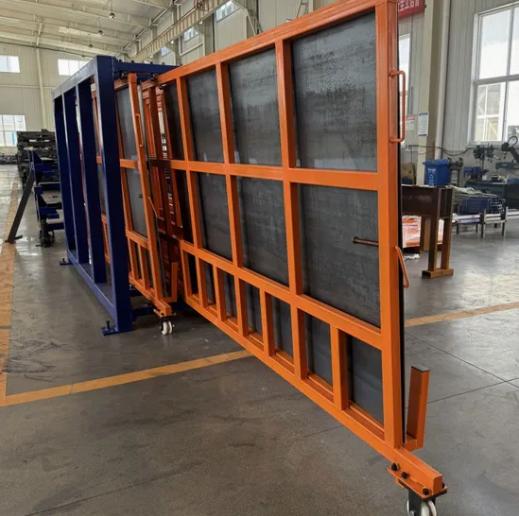
The Herochu drawer system eliminates these modes through structural isolation. Each remnant sits in its own drawer, load-path independent from every other piece. Soft non-skid rubber floor liners cushion the sheet surface and prevent sliding during drawer extension. Fifty-millimeter partition heights keep individual sheets separated within each drawer, eliminating edge-to-edge contact and preventing thin plate bending. The vertical orientation means no sheet bears the weight of material stacked above it. When the drawer is closed, its enclosed position protects contents from ambient cutting dust, coolant mist, and airborne particulates that accumulate on horizontal storage surfaces. For workshops processing stainless steel, aluminum, coated sheets, and surface-critical plate, this protection level is what makes the difference between a remnant that can be reused on a visible part and one that must be downgraded.
Full Extension and Retrieval Workflow
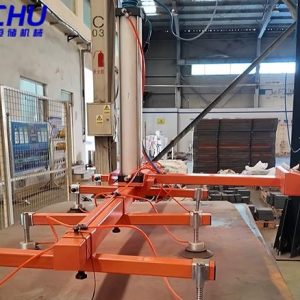
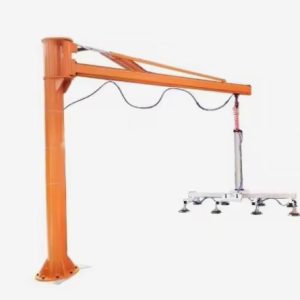
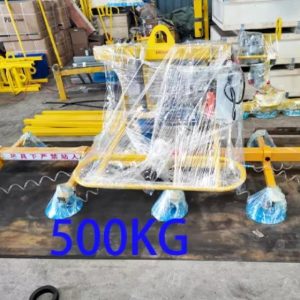
High-density storage must not trade accessibility for capacity. A rack that holds 20 tons but makes retrieval laborious has not improved on horizontal stacking — it has just changed the failure mode. The Herochu roll-out drawer is engineered for full extension, meaning the drawer slides completely out of the rack frame, positioning the load center outside the structure. This allows overhead lifting equipment — vacuum lifters, bridge cranes, monorail systems, or lifting slings — to access the material from directly above without frame obstruction.
The retrieval workflow is straightforward. The operator identifies the drawer containing the target remnant category — sorted by thickness, grade, or size during loading. The drawer is pulled out on its precision bearings. The material is visible and accessible at ergonomic height. The operator attaches the lifting device and removes the target plate. The drawer returns to its stored position. The entire sequence takes approximately 30 seconds per layer. One technician can perform the entire operation alone, because the smooth-gliding bearings and front-loading ergonomic design eliminate the need for a second person to manage heavy plate retrieval.
Compared to horizontal stacking — where locating and extracting a specific remnant from a pile takes 30 minutes or more — the time saving is significant. Across a daily shift, an operator saves approximately 75 minutes. Across a 250-day production year, that is roughly 300 hours of recovered labor per operator. For workshops running multiple shifts, the cumulative time saving scales linearly with headcount and machine count.
Footprint Planning and Workshop Integration
A typical Herochu high-density rack configuration measures 2700 × 2455 × 1200 mm. These dimensions are deliberate. The depth allows the rack to fit into locations that horizontal storage cannot use: narrow aisles between cutting machines, corner spaces at the ends of cutting bays, the wall-adjacent dead zone beside a laser or plasma cutter. The width accommodates standard sheet sizes and large-format drops up to six meters. The height uses vertical space that is otherwise unused in most workshops — the air space above floor-level pallet stacks.
Positioning the rack beside the cutting machine’s offload station integrates remnant storage into the unloading workflow. As offcuts come off the cutting table, the operator sorts them directly into drawers by thickness or grade — no secondary handling, no transport across the shop, no delayed sorting step. The remnant is immediately cataloged by its drawer location and available for the next nesting decision. For workshops operating multiple cutting cells, deploying one rack per cell creates a distributed remnant library where every operator has local access to sorted offcuts without leaving the workstation. The compact footprint means this deployment does not require expanding the workshop — it reorganizes existing dead space into productive storage.
Remnant Recovery as a Material Cost Strategy
The strategic purpose of high-density remnant storage is material cost reduction. When remnants are visible, sorted, and retrievable without labor penalty, estimators and nesting programmers can direct small-part cuts onto existing offcuts instead of pulling fresh full sheets. The material recovery rate rises. Raw plate procurement drops. For a fabrication shop where material cost dominates job economics, even a 10 to 15 percent improvement in remnant reuse translates to a measurable reduction in quarterly material spend.
The Herochu high-density flat remnants material storage rack makes this strategy mechanically possible. Twenty tons of organized, accessible remnant inventory in six square meters. Every piece individually retrievable. Surface quality preserved. One-operator handling for heavy plate. A frame built for a decade of industrial service. For sheet metal fabricators who have treated remnant storage as a secondary concern, the high-density rack is the equipment that elevates it to a primary production variable — one that directly affects material cost, floor efficiency, and workflow speed. Herochu designs these systems for workshops that have decided their remnant inventory deserves the same storage engineering as their raw material.