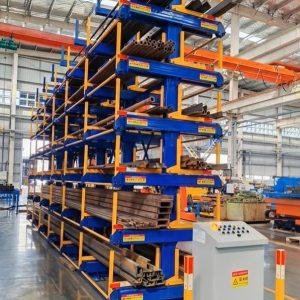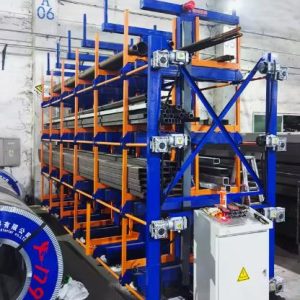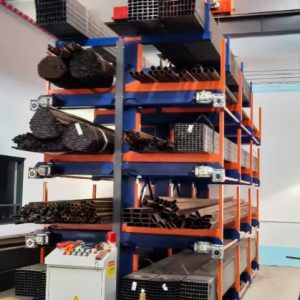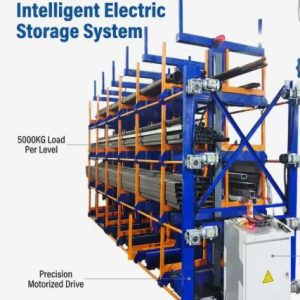
Manufacturing operations that depend on laser cutters, punch presses, and plasma tables face a recurring bottleneck that rarely receives the engineering attention it deserves. The challenge is not the processing speed of the machines themselves — modern fiber lasers and CNC punch presses can cycle through plates faster than ever — but rather what happens before and after each cut. When raw sheet metal stock sits on the floor in untidy stacks, operators lose minutes per retrieval. When finished components are piled haphazardly near workstations, damage rates climb and safety audits become exercises in damage control. The solution demands a storage infrastructure engineered to the same standard as the production equipment it serves.
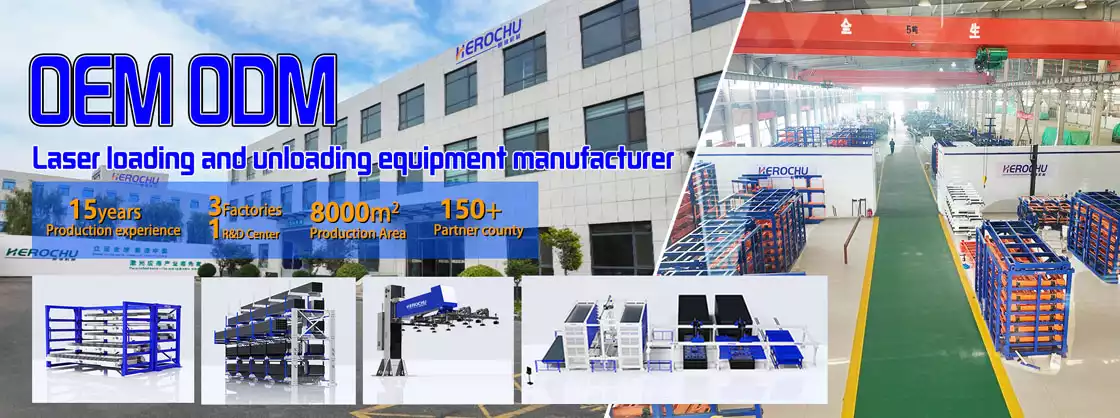
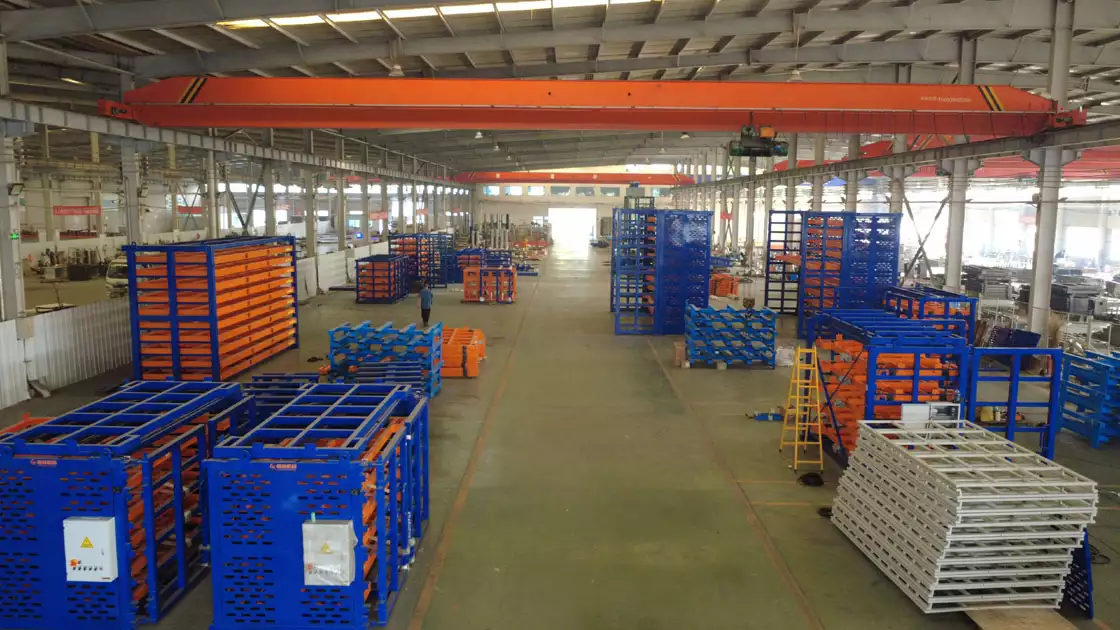
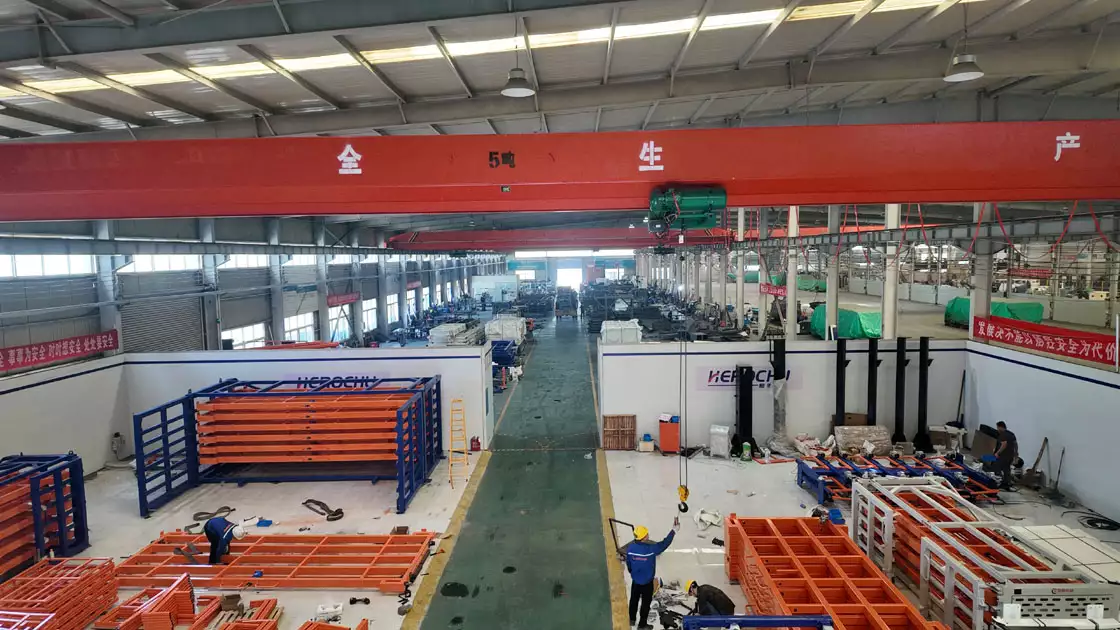
Herochu has built its manufacturing reputation on addressing this exact problem. The company’s heavy-gauge sheet metal storage systems bring systematic organization to fabrication environments where plates measuring up to 6000 millimeters by 2000 millimeters and weighing as much as six metric tons per layer must be stored, accessed, and cycled through production without friction.
The Real Cost of Poor Material Staging
Walking through a typical sheet metal workshop reveals a pattern that experienced floor managers recognize immediately. Plates of different gauges, grades, and dimensions occupy the same floor area because there is no designated home for each material type. A laser operator hunting for a sheet of 304 stainless at 3 millimeters gauge might shuffle through half a dozen stacks before locating the right one. In a high-throughput shop, those minutes compound into hours of lost machine uptime each week.
Beyond the productivity drain, floor-level storage introduces material damage risks. Sheets stored flat on the ground pick up surface scratches from sliding contact. Moisture trapped between tightly stacked plates accelerates oxidation on carbon steel varieties. Forklift tines maneuvering through cramped floor layouts occasionally nick edges, rendering sheets unusable for precision work. Each damaged plate represents raw material cost that should have been avoided.
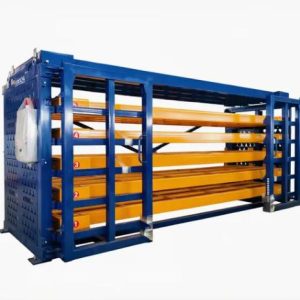
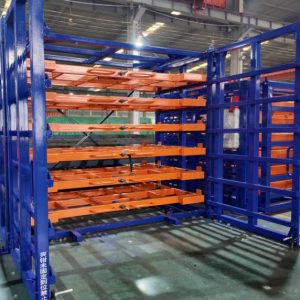
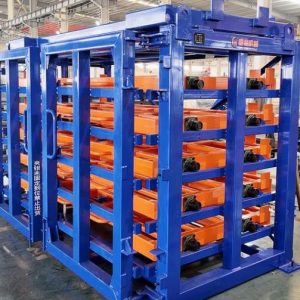
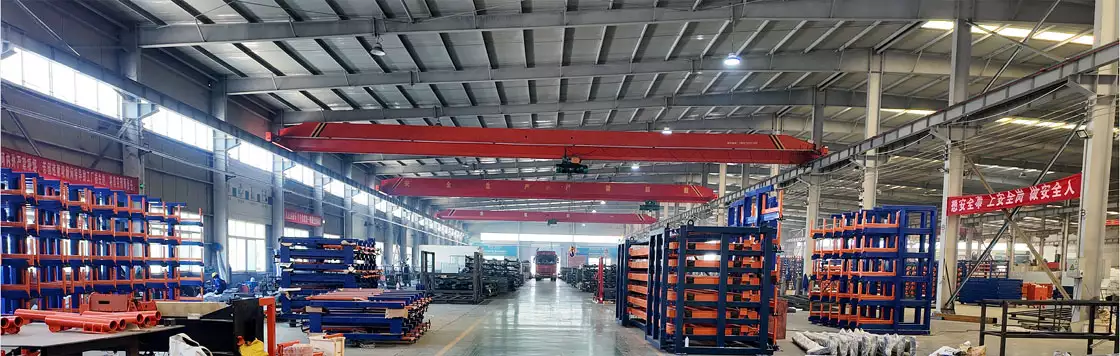
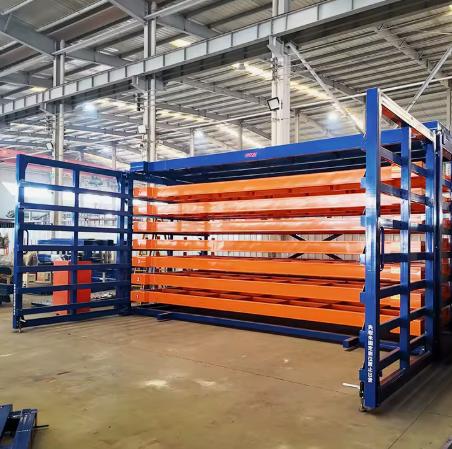
Herochu addresses these problems at the architectural level. Rather than treating material storage as an afterthought, the company positions it as an integrated element of the production line. The HC-B series of drawer-type storage racks reorients sheet storage from horizontal sprawl to vertical density, packing more usable material into a smaller footprint while keeping every plate accessible within seconds.
Engineering for Industrial Loads
The structural demands placed on heavy-gauge sheet metal racking are substantial. A single drawer in the Herochu HC-B6020-66 configuration carries a rated load of 6,000 kilograms. Over five storage layers plus a top deck, the cumulative weight on the frame exceeds 30 metric tons. Ordinary commercial shelving would buckle under these conditions.
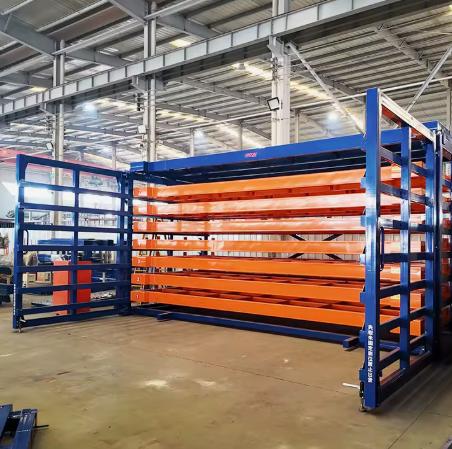
Herochu builds its rack skeletons from Q235B structural carbon steel, a material selected specifically for its balance of tensile strength, ductility, and weldability. The dual-beam crossbar architecture distributes load stresses across multiple contact points rather than concentrating them at single joints. Finite element analysis conducted during the design phase — using tools such as SimSolid and Ansys — validates that deflection remains within acceptable tolerances even under maximum rated loads applied over extended service cycles.
The frame external dimensions reinforce the engineering-first approach. The HC-B6020-66 measures 6505 millimeters in length, 2280 millimeters in height, and 2500 millimeters in width. These are not arbitrary numbers; they represent the minimal envelope needed to accommodate 6000-by-2000-millimeter plates with clearance for safe loading and unloading operations. When a drawer is fully extended, the total operational width reaches 6015 millimeters — a dimension that accounts for the extended tray, operator workspace, and overhead crane or vacuum lifter reach.
Motorized Drawer Operation and Safety Systems
Manual pull-out drawers become impractical once the load per tray exceeds one or two tons. The physical effort required to overcome static friction on a fully loaded 6-ton drawer is substantial, and uncontrolled momentum during manual operation creates a genuine safety hazard. Herochu integrates electric motor drives into its drawer movement mechanisms as standard equipment on its heavy-duty configurations.
The motion control system employs soft-start and soft-stop programming to manage inertia. When an operator initiates drawer extension, the motor gradually ramps up to travelling speed — typically between 2.28 and 5.27 meters per minute depending on the model — then decelerates smoothly as the drawer reaches its fully extended position. This controlled acceleration profile prevents the mechanical shock that would otherwise stress the frame welds and risk shifting loose plates on the tray surface.
Each drawer includes a mechanical lock-in and lock-out mechanism that secures the tray in both its closed and fully extended positions. The lock-out function is particularly important during crane-assisted loading. When a vacuum lifter or magnetic hoist deposits a fresh plate onto an extended drawer, the tray must remain absolutely stationary. Any unexpected movement could cause the suspended load to swing, creating a dangerous situation for ground personnel. The Herochu lock-out eliminates this risk by mechanically preventing drawer movement until the operator deliberately releases the mechanism.
Material Organization and Retrieval Workflow
The organizational logic built into Herochu storage systems reflects practical shop-floor experience. A five-plus-one drawer configuration provides five accessible storage layers beneath a top-level deck. Each drawer has a partition height of up to 220 millimeters, sufficient to accommodate multiple thinner sheets or a single heavy plate per compartment.
The benefit of this layout becomes clear when examining a typical retrieval sequence. An operator at a laser cutting station needs a 4000-by-1500-millimeter sheet of 10-millimeter mild steel. Rather than searching through mixed floor stacks, the operator calls up the designated drawer — identified by material type, thickness, and dimension in the inventory system — extends it fully, and picks the top sheet with an overhead vacuum lifter. The entire cycle, from request to plate-on-machine, takes under two minutes. Compare this against the floor-stack alternative, where the same retrieval might consume ten minutes or more and introduces a non-trivial risk of pulling the wrong material.
Herochu systems also contribute to first-in-first-out inventory management. When new stock arrives from the mill, it goes into the designated drawer beneath existing inventory. The operator always pulls from the top, rotating through stock in order and reducing the likelihood of older material sitting unused until it develops surface corrosion or edge damage.
Integration with Production Machinery
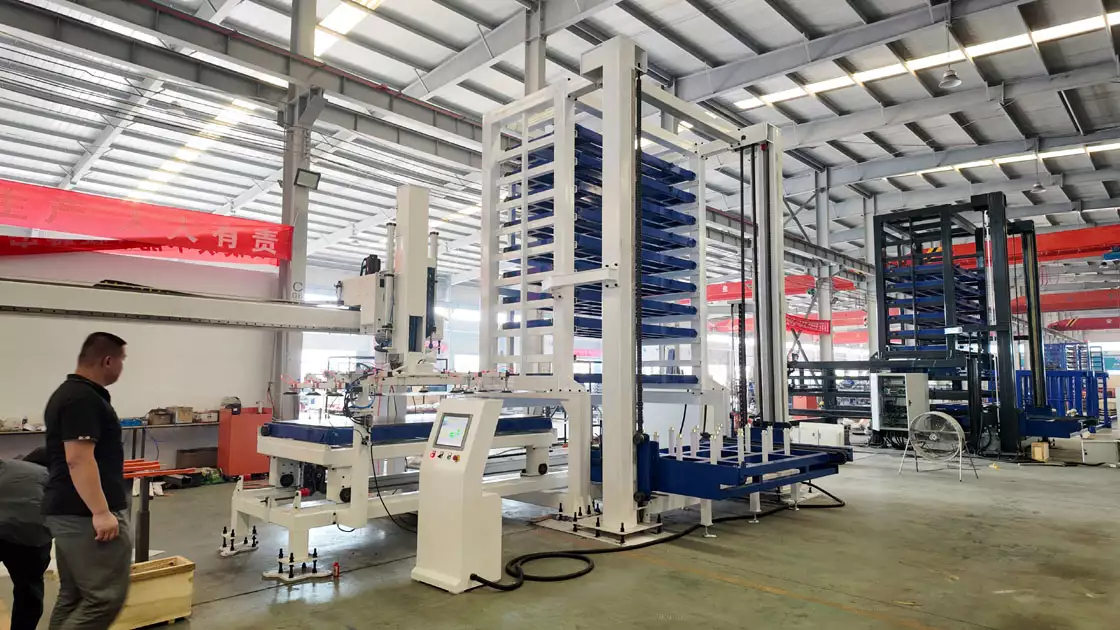
Sheet metal storage does not exist in isolation. Herochu designs its racking to function as a feed-and-retrieval interface for the production equipment it serves. Laser cutters, punch presses, shear lines, and press brakes all benefit from organized material staging within arm’s reach of the machine operator.
For a laser cutting cell processing runs of 3000-by-1500-millimeter plates, the HC-B3015-63 provides an ideal match. Its 3505-by-2280-by-2000-millimeter footprint sits adjacent to the laser table, storing five drawers of material rated at 3 tons per layer. The operator pulls a fresh sheet, loads the laser bed, starts the program, and while the cut is running, retrieves the next sheet from the adjacent drawer. Machine idle time between jobs drops to the minimum required for unloading finished parts and positioning the next blank.
The bottom-layer ground clearance of 355 millimeters serves a deliberate function. It provides sufficient space for forklift forks to slide beneath the rack for repositioning when shop layout changes. It also keeps the lowest drawer above floor-level contaminants — metal shavings, cutting fluid spray, and general workshop debris that would otherwise accumulate on stored plates sitting directly on the ground.
Certifications and Quality Assurance
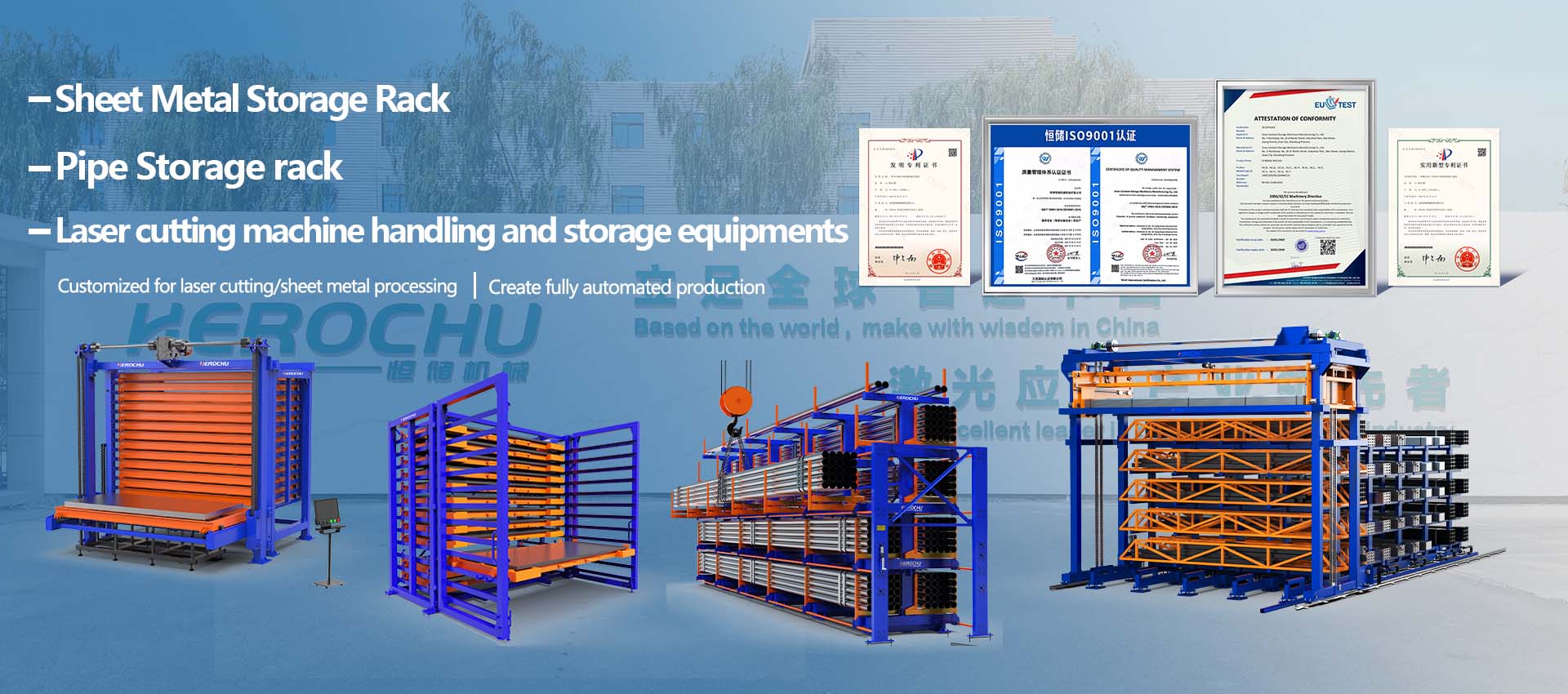
Manufacturing environments subject to ISO audit requirements need assurance that their equipment suppliers meet documented quality standards. Herochu holds ISO 9001 certification for its quality management system and EU CE certification for product compliance with European machinery directives. These are not merely marketing badges; they represent third-party validation that the company’s design, manufacturing, and testing processes meet internationally recognized benchmarks.
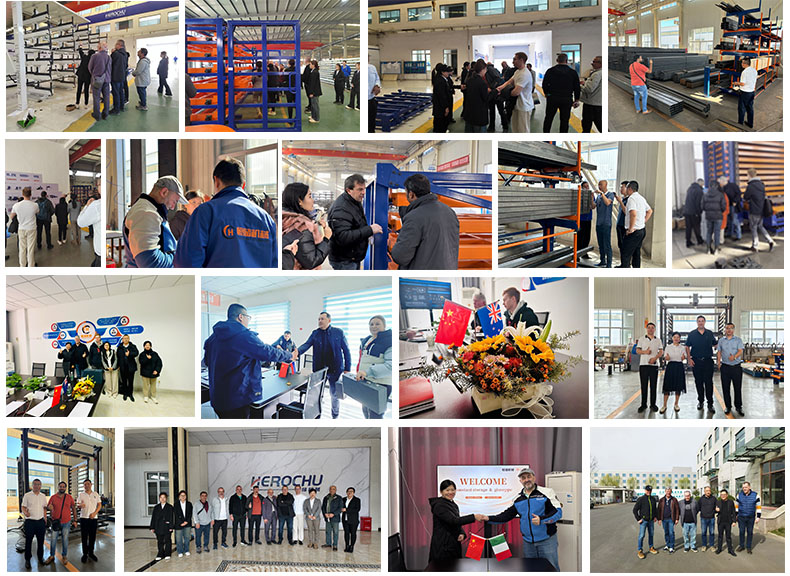
The company has also established strategic partnerships with prominent domestic manufacturing enterprises and holds multiple technical patents related to its storage system designs. Industry recognition in the form of AAA Credit Enterprise and Honest Entrepreneur designations further validates the company’s standing within the industrial equipment sector.
Selecting the Right Configuration
The HC-B product line scales across a range of dimensions and load ratings to match different operational requirements. The HC-B3015-63 handles 3000-by-1500-millimeter plates at 3 tons per layer across six drawers. The HC-B4015-63 extends the length capacity to 4000 millimeters while maintaining the same width and load rating. For shops processing larger-format material, the HC-B4020-65 and HC-B6020-66 step up to 4000-by-2000 and 6000-by-2000-millimeter capacities, with per-layer load ratings of 5 and 6 tons respectively.
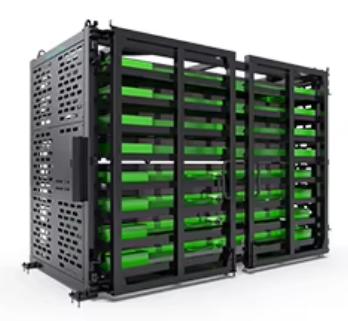
Beyond these standard configurations, Herochu offers customization options that adjust drawer count, compartment heights, load ratings, and external dimensions to match specific facility requirements. A fabrication shop that processes predominantly thin-gauge aluminum might request more drawers with reduced compartment heights, while a heavy-plate processor might need fewer drawers engineered for 10-ton-plus individual loads.
The economic justification for investing in organized sheet metal storage becomes clear when calculating the cumulative cost of inefficiency. Floor space in manufacturing facilities carries a rental or ownership cost per square meter. Damaged material replacement chips away at already thin margins. Machine downtime attributable to material retrieval delays reduces the effective throughput of expensive capital equipment. Safety incidents stemming from unstable floor stacks carry both human and financial consequences. When these costs are aggregated over a five-year equipment lifecycle, the return on a properly specified Herochu storage system speaks for itself.
Workshops that have transitioned from floor stacking to drawer-based storage consistently report improvements in three measurable areas: floor space utilization typically improves by 40 to 60 percent, material handling time per sheet drops by more than half, and material damage rates fall to near zero. These are not aspirational targets; they are documented outcomes from installations in working fabrication environments.
The heavy-gauge sheet metal storage challenge is fundamentally an engineering problem, and it calls for an engineering solution. Herochu has spent years refining the structural, mechanical, and operational elements of its drawer-based racking systems to deliver exactly that. For laser cutting and punch press operations where every minute of machine uptime contributes directly to the bottom line, organized material staging is not a luxury — it is a competitive necessity.