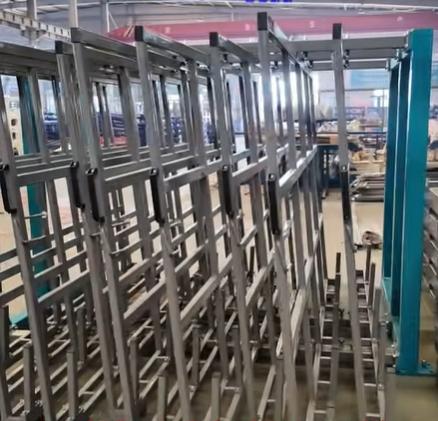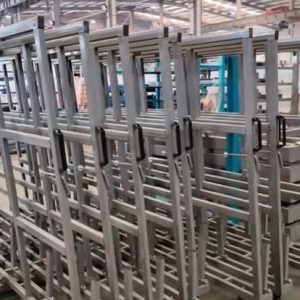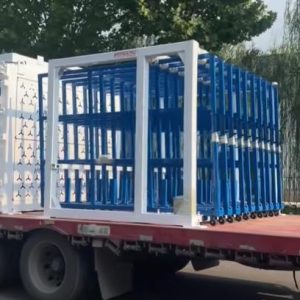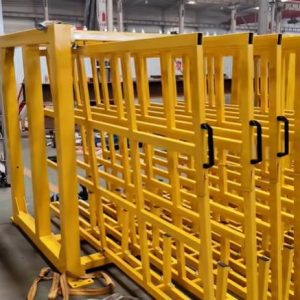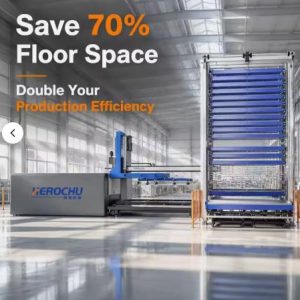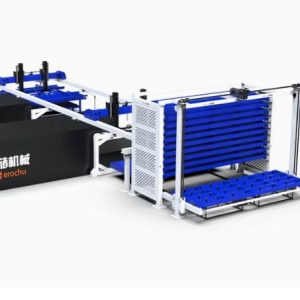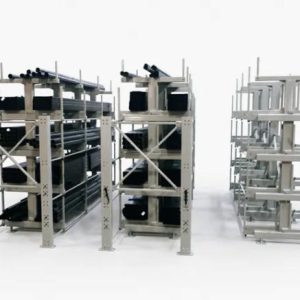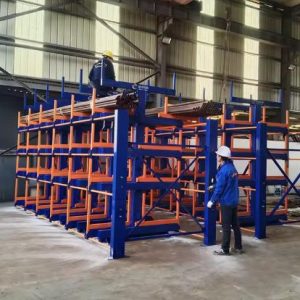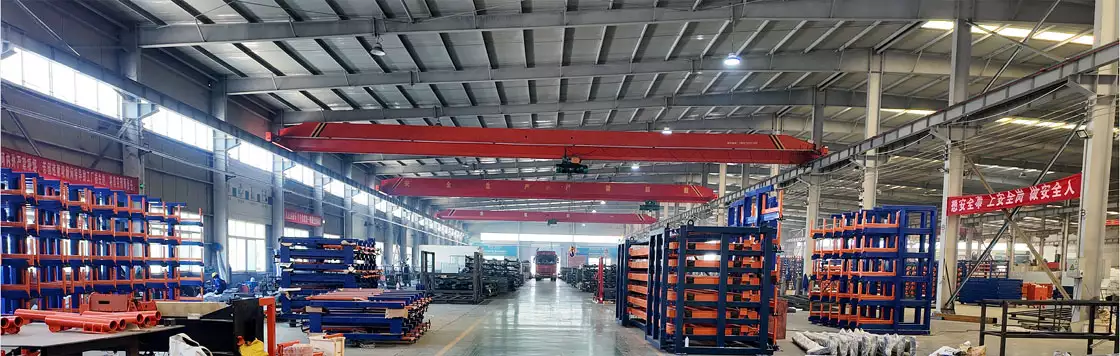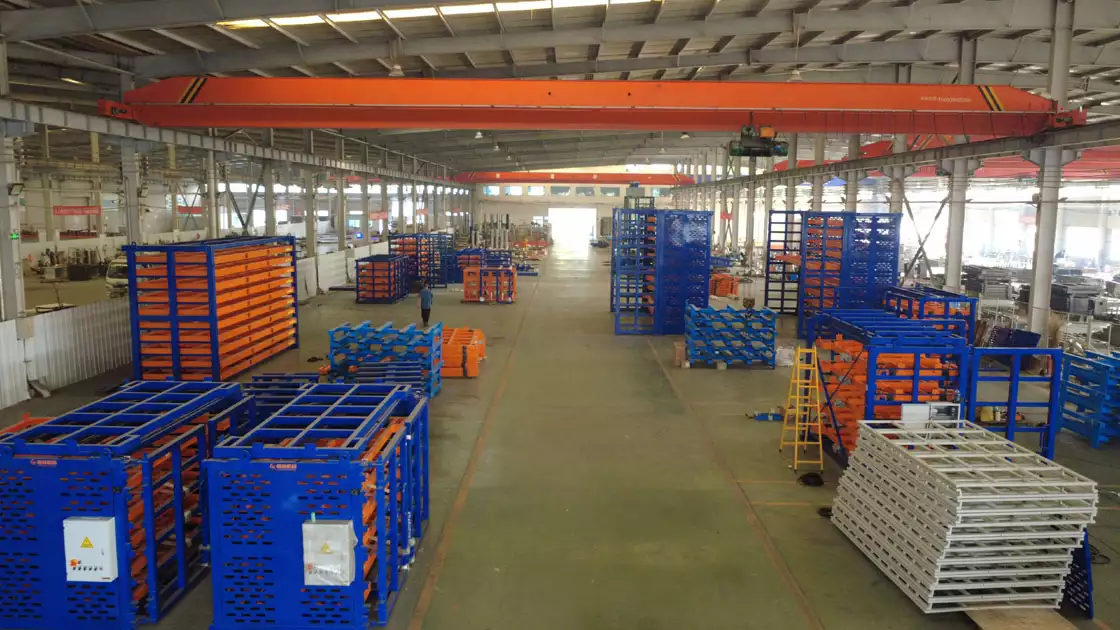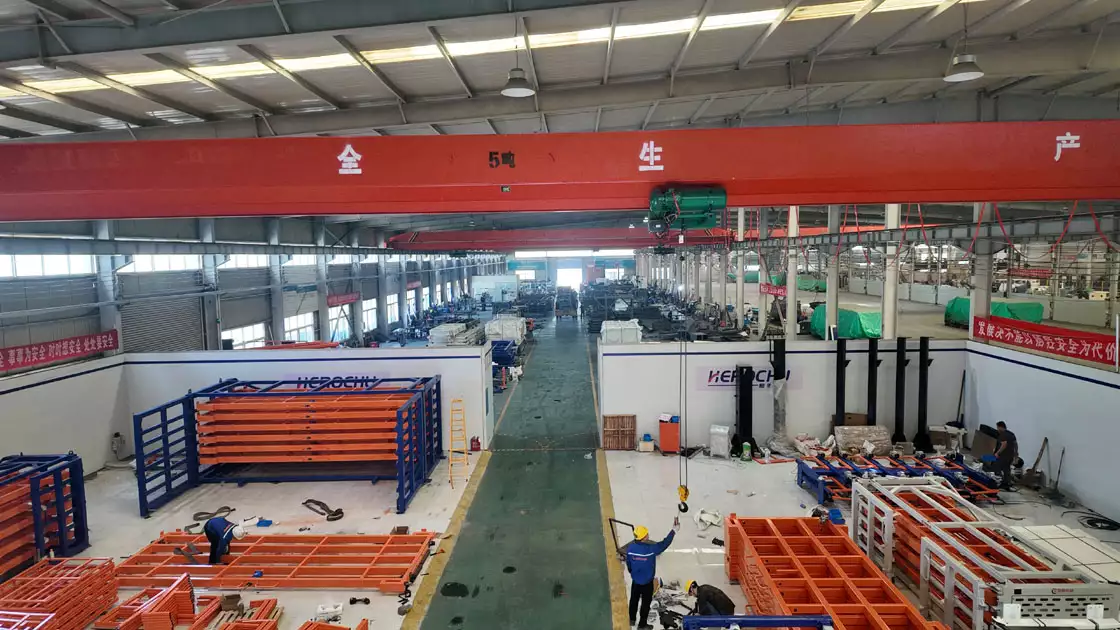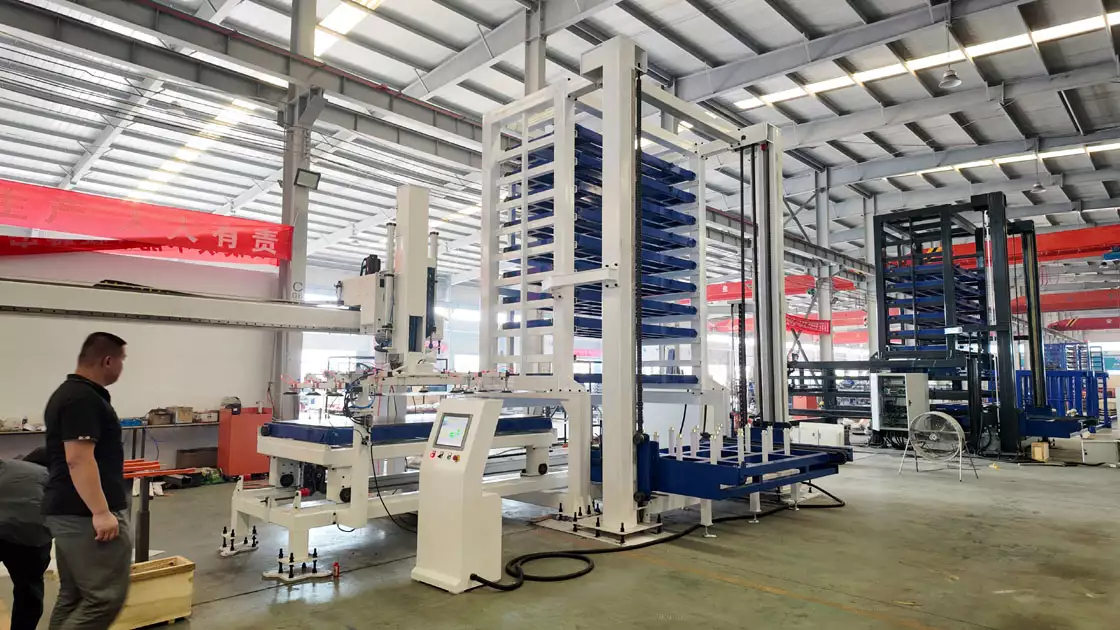
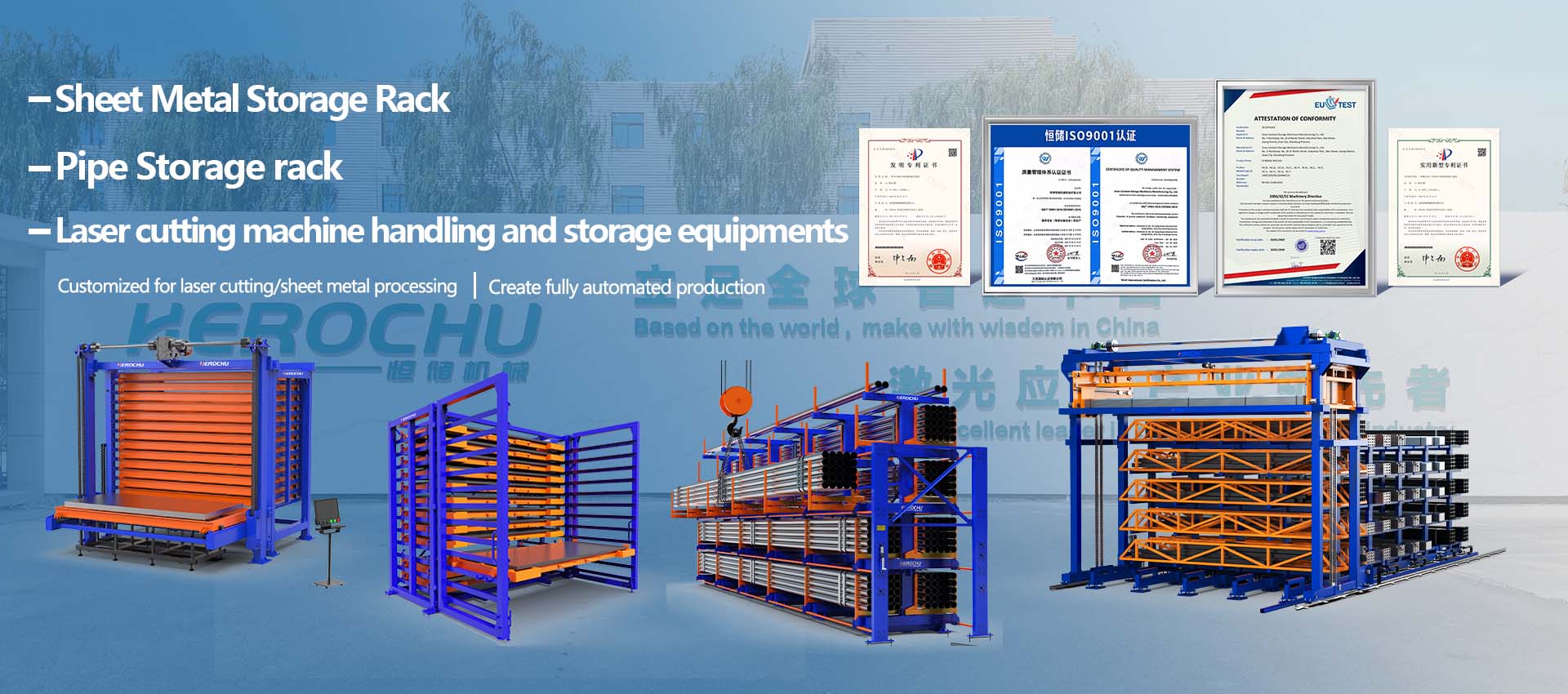
The most expensive real estate in a fabrication shop is the floor space that material occupies without generating revenue. Herochu’s space-saving vertical metal sheet storage rack converts that passive footprint into productive capacity by moving sheet inventory from the floor to a compact, accessible vertical tower.
The math is straightforward. A shop storing twenty pallets of mixed sheet metal on the floor consumes roughly the area of two parking spaces. The same inventory in a Herochu vertical rack occupies the footprint of a single desk. The difference is not incremental; it is the difference between storage as a spatial tax and storage as an integrated component of production.
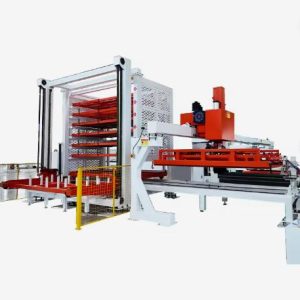
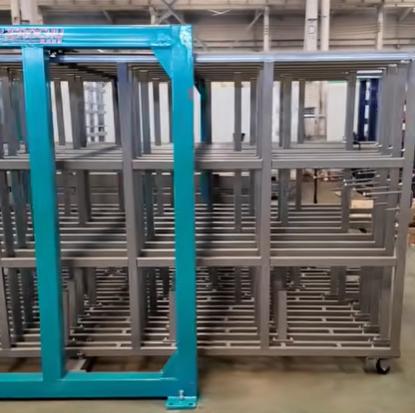
Vertical storage is not a new concept. Warehouses have used vertical racking for decades. What distinguishes Herochu’s approach is the drawer mechanism that makes vertical storage practical for high-frequency access. Fixed vertical racks require the operator to work around the frame, reaching into confined spaces and maneuvering sheets through limited openings. Herochu’s drawers eliminate that friction by bringing the material out to the operator.
The pull-out design also solves the sequencing problem that plagues fixed vertical storage. In a traditional rack, accessing the rear sheet means removing or working around every sheet in front of it. Herochu drawers make every tier independently accessible. The operator pulls the drawer containing the needed material, retrieves it, and closes the drawer. No other tier is disturbed. No other sheet is moved.
Single-operator efficiency is a design objective, not an incidental benefit. The full-extension drawer, the non-skid surface, and the mechanical-assistance discharge all exist to make one person sufficient for material retrieval. The operator does not need a second person to guide the sheet. The operator does not need a forklift to move the load. The operator does not need to wait for a crane to become available. The material comes to the operator, and the operator takes it.
This efficiency compounds across shifts. A retrieval that takes thirty seconds instead of five minutes frees the operator to return to value-adding work. A process that requires one person instead of two frees the second person for a different task. The rack does not just save space; it saves labor capacity that the shop can redirect toward production.
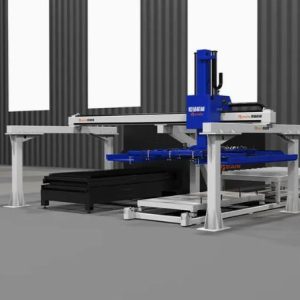
Machine-adjacent placement extends the efficiency gains beyond the storage function. Herochu racks are designed to sit beside the cutting machine, the shear, or the press brake. The distance between material storage and material consumption becomes a few steps rather than a journey across the shop. The offcut goes into the drawer. The next job pulls it out. The loop between production and storage closes, and the remnant never enters the general inventory stream where it would be lost among other material.
For shops running lean manufacturing or cellular production, this proximity is essential. Material handlers who spend time walking are not producing. Racks positioned within the work cell eliminate the travel time that accumulates into hours of lost capacity across a production week.
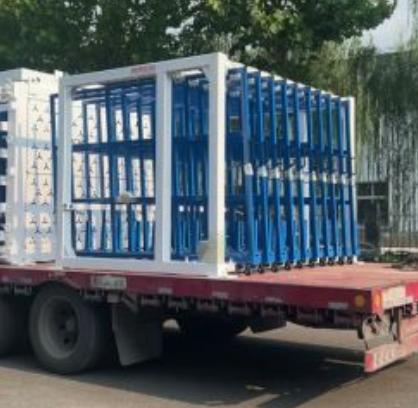
Configuration flexibility allows the rack to fit the space available rather than demanding that the space conform to the rack. Layer counts range from standard eight-tier models to fifteen-tier configurations for shops with higher ceilings and denser storage requirements. Sheet dimensions cover the common sizes: 2500 × 1000 mm, 3000 × 1500 mm, and custom formats for irregular or oversized material.
The clear space between tiers is another customization point. Thin-gauge shops need minimal opening height. Mixed-inventory shops need greater clearance to accommodate stacked sheets or thicker plate. Herochu builds each rack to the material profile, so the vertical space is used efficiently rather than wasted on openings that are larger than necessary.
Structural durability reflects the operational reality of fabrication environments. The frame is high-strength carbon steel with powder coating or anti-rust treatment. The drawer guides are sealed linear bearings rated for extended cycle life. The non-skid strips are replaceable, so the drawer surface can be refreshed without replacing the entire drawer. The rack is built to serve the shop for years, not to require replacement when the first component wears.
The safety systems are integrated rather than appended. The auto-latch holds the drawer open during loading and retrieval. The push-lock secures it during storage. The guide system supports the load throughout its travel, preventing the cantilever forces that stress the frame and destabilize the drawer. Every mechanism serves the dual purpose of protecting the operator and protecting the material.
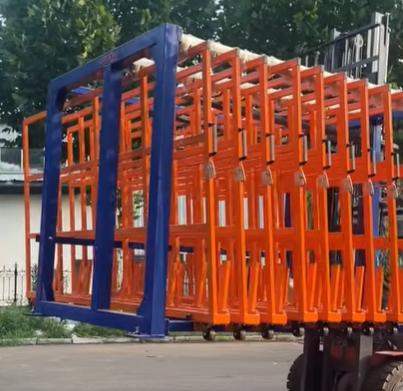
Inventory visibility is a side effect of the drawer structure that many shops value as much as the space savings. Each tier becomes a visible storage location. The operator can see what is stored where without opening every drawer. The inventory becomes a physical map of available material rather than an abstract database that may or may not reflect reality.
For shops that have struggled with material reconciliation—where the system says a remnant exists but no one can find it—the visible drawer structure closes the gap between record and reality. What is in the rack is what is available. What is not in the rack does not exist. The simplicity of that principle eliminates a category of inventory error that costs shops both time and material.
Herochu builds space-saving vertical racks for shops that understand storage as a production function rather than a necessary expense. The rack pays for its footprint in recovered floor space, in reduced retrieval time, and in the remnants that get reused instead of re-ordered. The return is not theoretical; it is measured in the material that stays in productive circulation.