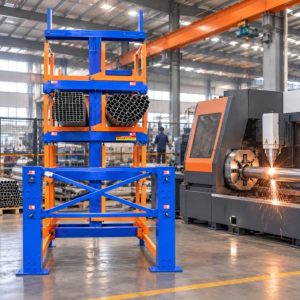
A laser cutting machine does not stop producing value when the cut program ends. Every nest leaves behind perimeter strips, corner drops, and partial sheets that are too large for the scrap bin but too awkward for flat stacking. In most shops, those pieces end up leaning against a wall, buried on a pallet, or pushed into a corner until someone decides they are no longer worth keeping. The material itself is not waste. The storage system is the problem.
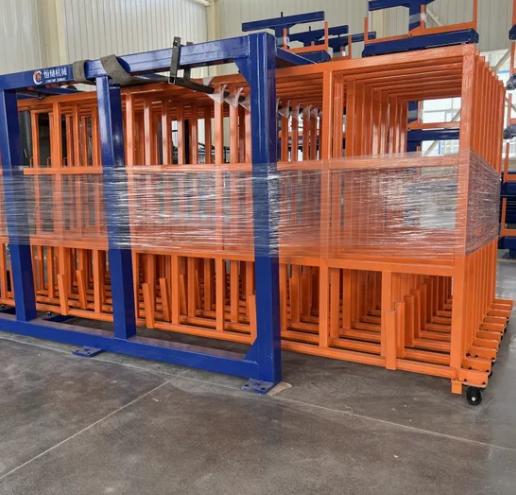
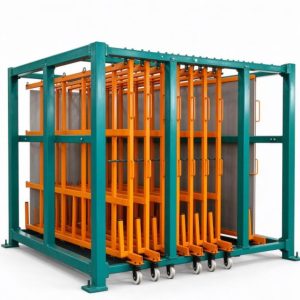
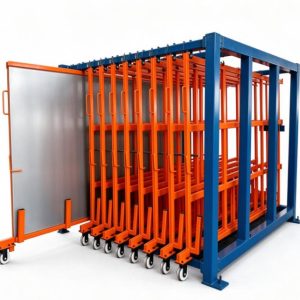
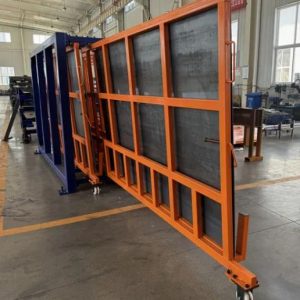
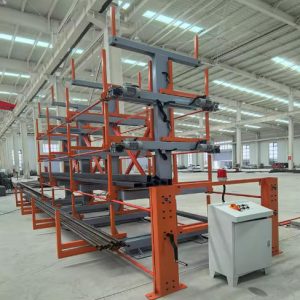
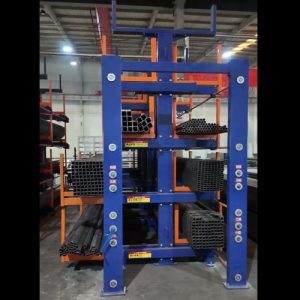
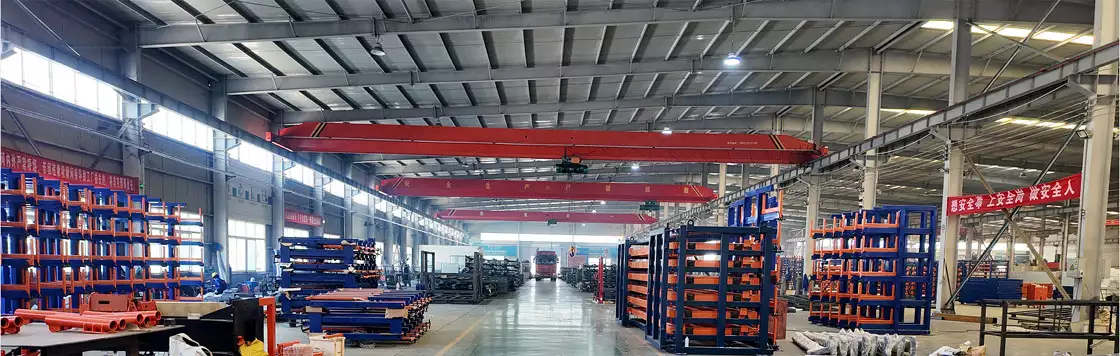
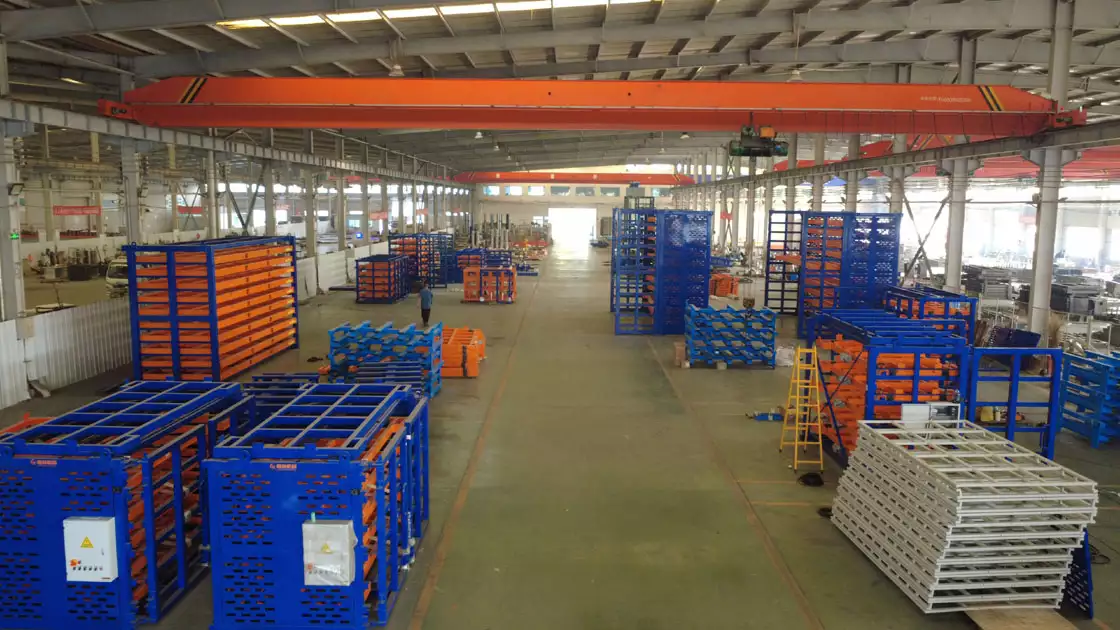
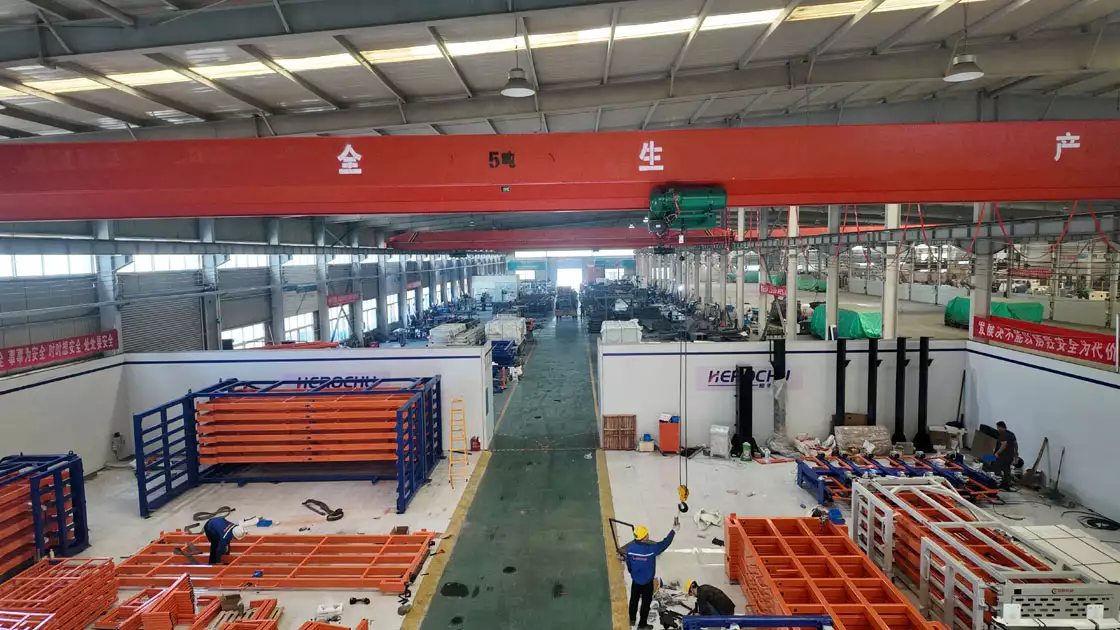
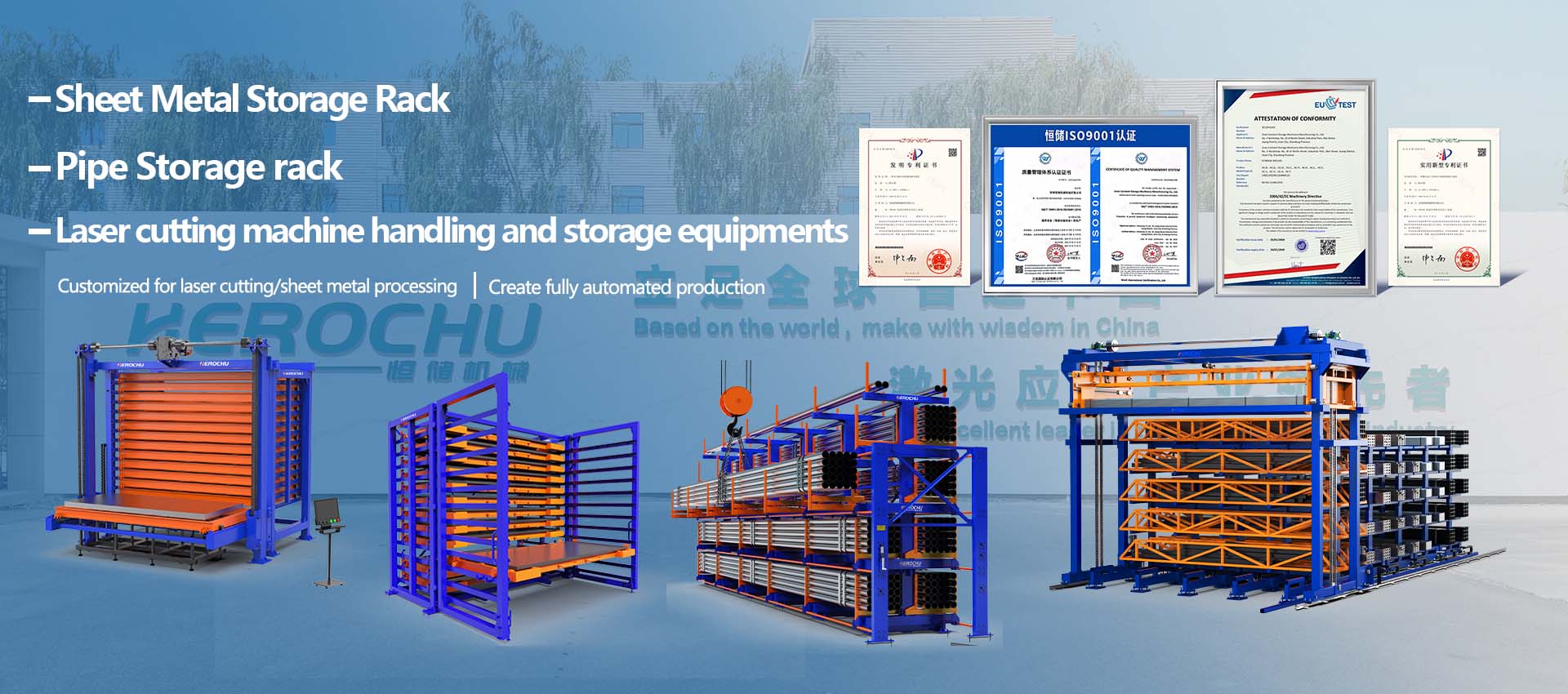
Herochu builds the HC-V series around a different premise: a remnant that can be seen and reached in seconds gets used again. A remnant buried under newer stock becomes a purchasing line item. The heavy-duty vertical sheet metal offcut rack for laser cutting machines applies a pull-out drawer architecture to the material class that conventional racking handles poorly—irregular offcuts, semi-finished blanks, and partial sheets that arrive continuously from the cutting table.
Why Remnants Stay Unused
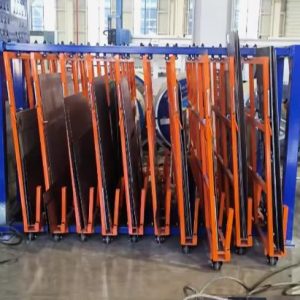
The obstacle to remnant reuse is rarely operator unwillingness. It is access friction. A stack of thirty mixed-size offcuts leaning against a workshop column requires several minutes of digging to determine whether any piece matches the next job. If the digging takes longer than pulling a new sheet from inventory, the new sheet wins every time. The cost is invisible in the job file but visible in the monthly steel invoice.
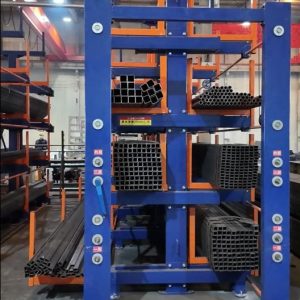
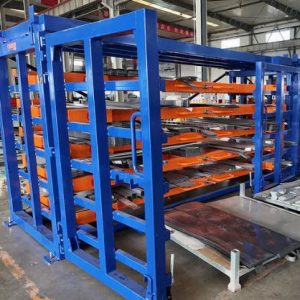
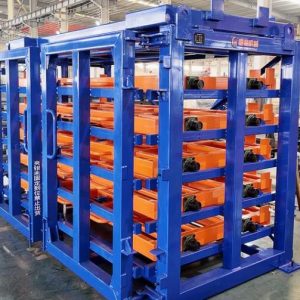
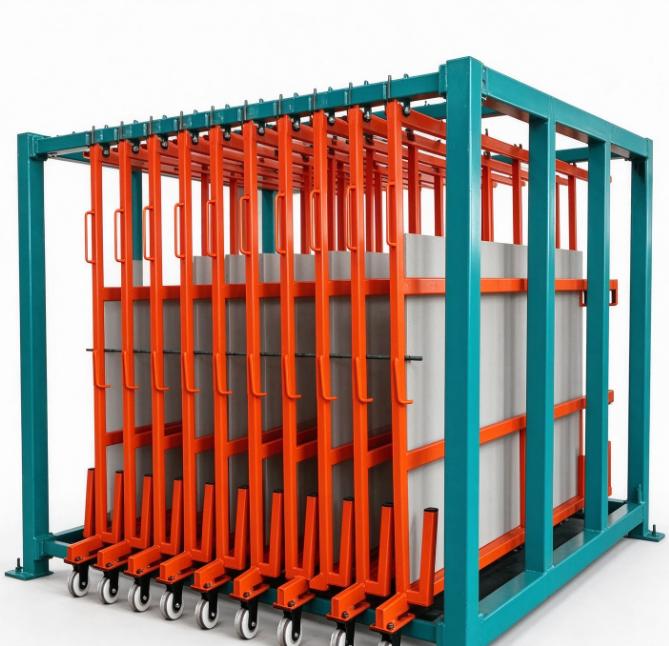
Herochu’s drawer design removes that friction. Each tier is an independent pull-out drawer that extends fully, presenting the entire sheet surface for inspection. The operator walks to the rack, pulls the relevant drawer, scans the surface, and either retrieves the piece or slides it shut. No touching other layers, no reshuffling the pile above, no guessing.
Built for Laser Cutting Workflows
The HC-V2513-8 and HC-V3015-8 models accommodate 2500×1000 mm and 3000×1500 mm sheet formats respectively, with eight layers as standard. Layer count, clear space, and outer dimensions are customized at the specification stage. A shop cutting thin-gauge mild steel can maximize tier density with 60 mm clear space; a shop storing thicker aluminum or stainless blanks can increase clearance without changing the rack footprint. Per-layer load capacity reaches 1000 kg, and the frame uses thickened carbon steel with anti-rust powder coating for stability under repeated drawer cycling.
The multi-tier layout creates a sorting framework that mirrors the shop’s material mix. One tier for 3 mm mild steel drops, another for stainless offcuts, a third for aluminum remnants above a minimum usable size. Physical separation reduces cross-contamination between alloys and makes remnant inventory visible at a glance. When operators can see how much reusable material is on hand, purchasing decisions shift: Herochu racks in production settings have been associated with a 15% to 25% reduction in new sheet purchases because remnants actually enter the job queue instead of aging in a corner.
Safety and Surface Protection
Remnants are unpredictable. They arrive in irregular shapes, uneven weights, and dimensions that do not match standard lifting equipment. A storage system that ignores this variability creates falling hazards and manual-handling strain. Herochu’s drawers contain the material within a defined steel frame, with non-skid strips holding the sheet in place during movement. The drawer presents the remnant at a consistent height, allowing a vacuum lifter or sling to attach without reaching into a pile or lifting from floor level. An auto-latch holds the drawer open during retrieval, preventing unexpected rollback.
The mechanical-assistance discharge system is calibrated to the load. Light remnants move with minimal effort; heavier partial sheets benefit from the assistance mechanism, so operator effort stays consistent regardless of what the drawer carries.
For a laser cutting shop measuring material cost by the sheet and floor space by the square meter, the calculation is straightforward. A rack that keeps remnants visible and accessible turns dormant material back into inventory. Herochu’s HC-V series is built for that job—heavy-duty, customizable, and designed around the way offcuts actually arrive from the machine.