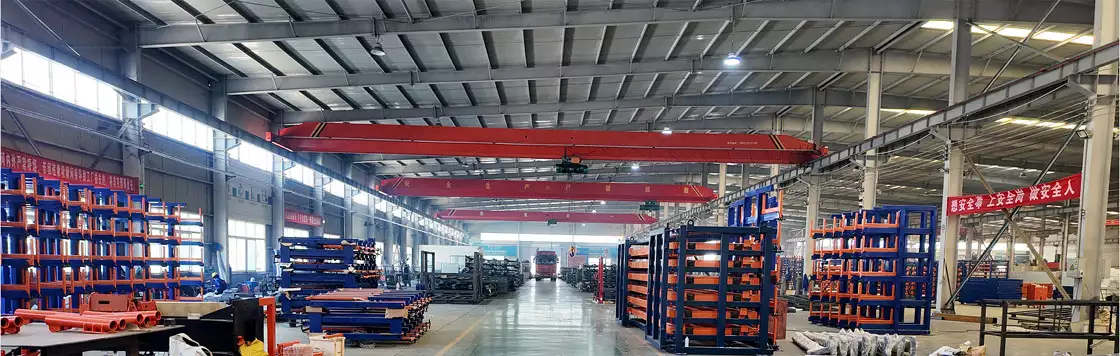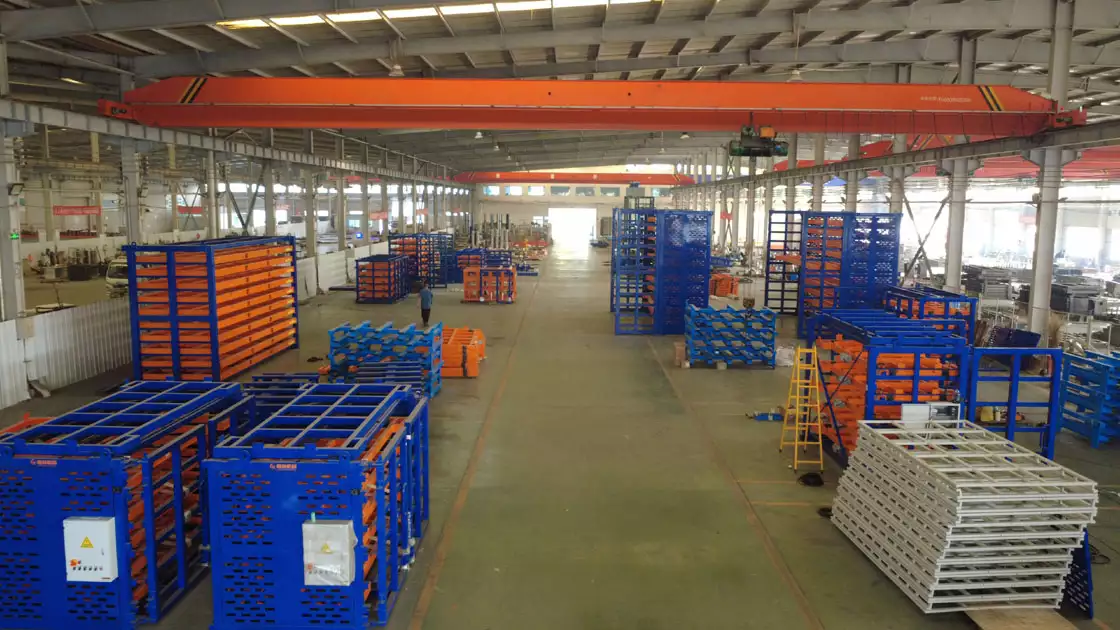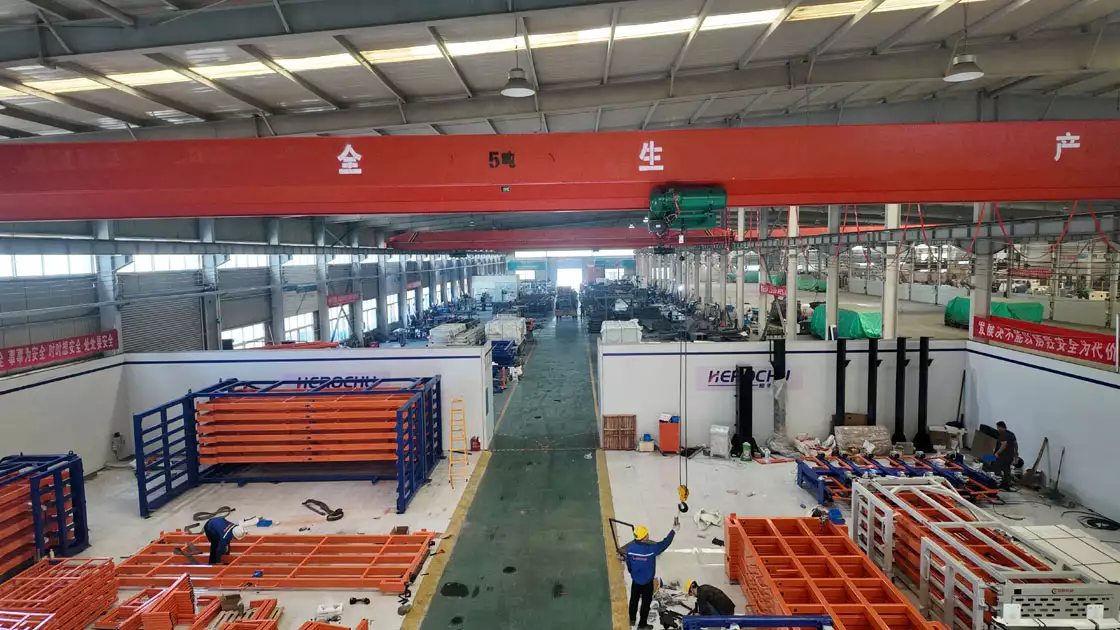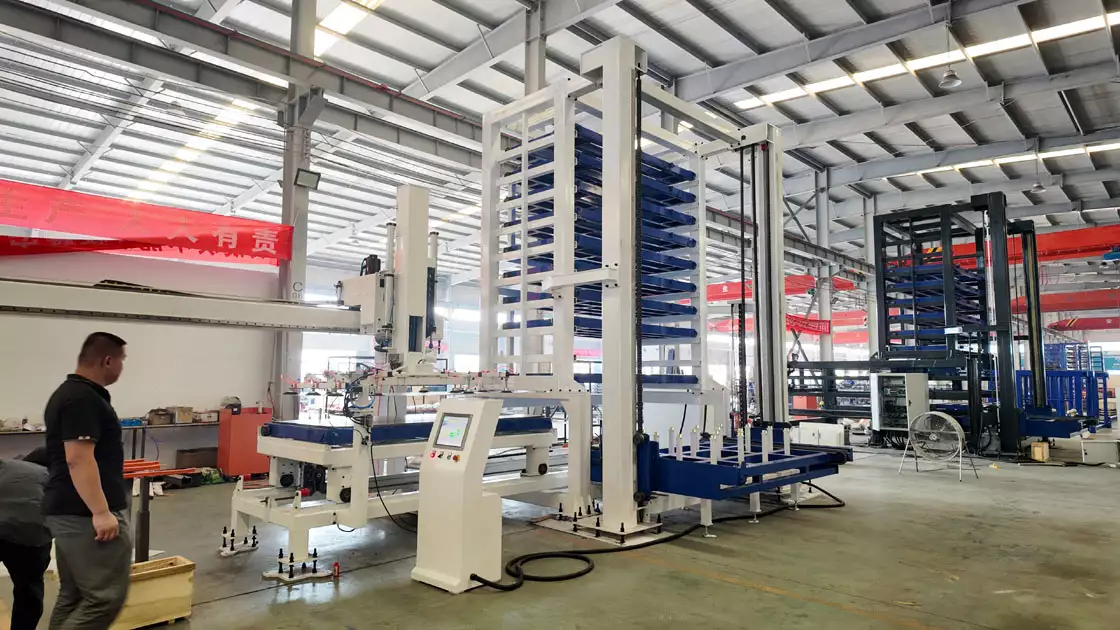
Fabrication shops handle a wider material mix than almost any other metalworking environment. Mild steel, stainless, aluminum, and copper circulate through the same floor area, in thicknesses ranging from 20-gauge sheet to half-inch plate. The remnants from one job may become raw material for the next, or they may sit untouched until the annual scrap pickup. The difference is almost always storage.
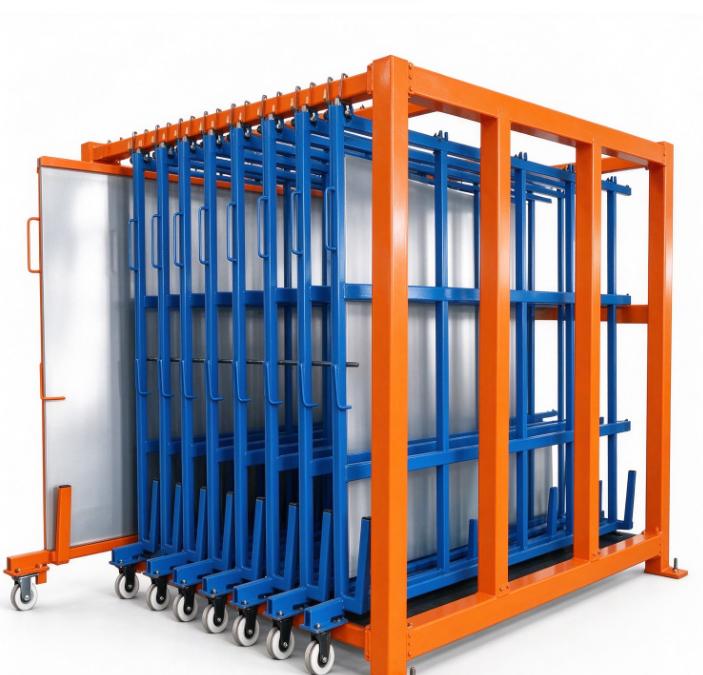
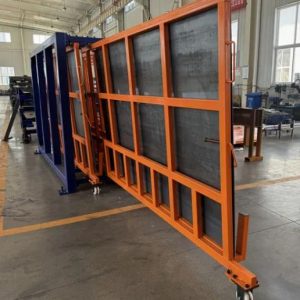
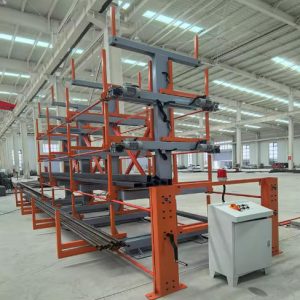
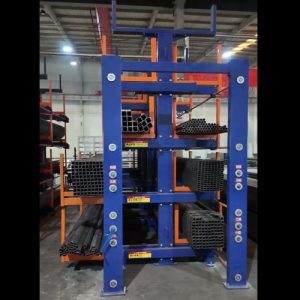
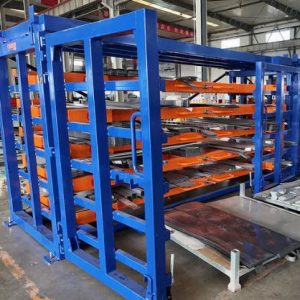
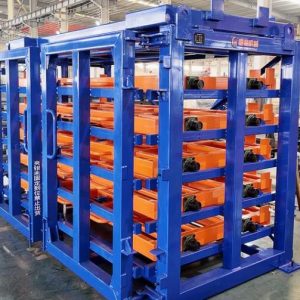
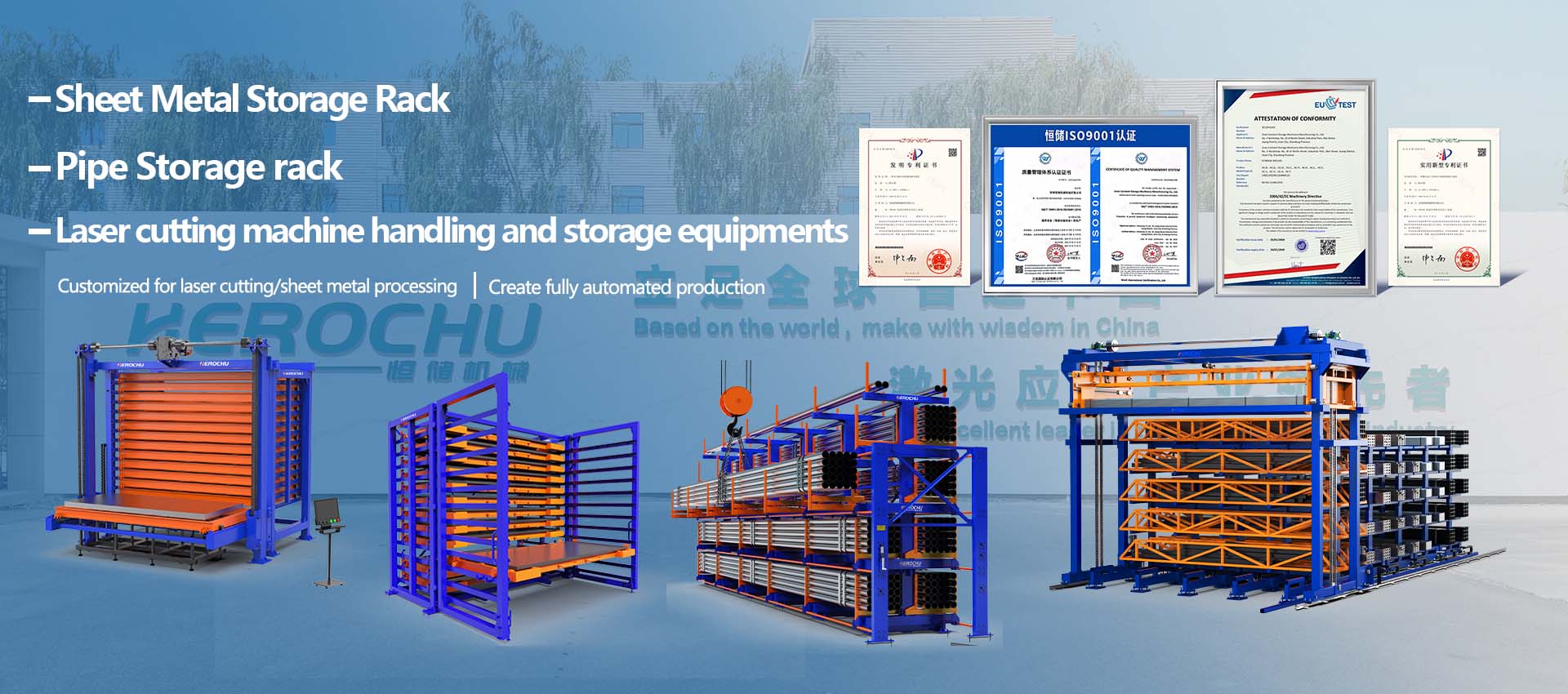
Herochu’s industrial sheet metal remnant rack is designed for this multi-material, multi-thickness reality. The frame uses thickened carbon steel with anti-rust powder coating, the drawer mechanism is rated for loads up to 1000 kg per layer, and the tier count and clear spacing are customized to the shop’s actual material profile. It is not a light shelving unit with drawers added. It is structural storage infrastructure for the material class that fabrication shops struggle most to organize.
The Fabrication Remnant Problem
In a shop cutting and bending multiple materials, remnants accumulate in three ways. First, the cutting table produces drops and partial sheets that are too large for scrap but too irregular for flat stacking. Second, the press brake creates offcuts from blank development and test bends. Third, shearing and punching operations generate strips and blanks that may be usable but have no designated home.
Without a storage system, these pieces enter a mixed pile. Steel offcuts lean against stainless sheets, aluminum drops disappear under heavier plate, and copper remnants—often the most expensive per kilogram—get buried in a corner. The shop knows the material is there, but no one can find it when a job calls for a small quantity of 16-gauge stainless. The purchasing department orders a new sheet, and the remnant pile grows.
Drawer-Based Sorting by Material and Thickness
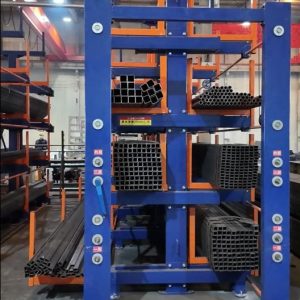
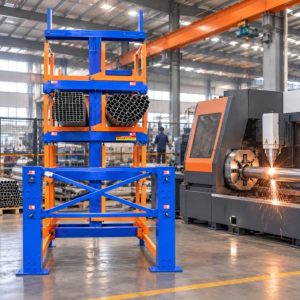
Herochu’s rack replaces the mixed pile with a vertical sorting framework. Each tier is an independent pull-out drawer, and each drawer can be assigned to a material category. One level for carbon steel drops. Another for stainless offcuts. A third for aluminum remnants above a minimum usable size. A fourth for copper or specialty alloy pieces that are too valuable to leave unorganized.
The physical separation does more than reduce search time. It prevents the cross-contamination that occurs when different metals share a pile—steel scratches stainless, aluminum dust settles on copper, and surface-critical material loses value through contact with rougher stock. The drawer contains each remnant within its own space, with non-skid strips holding the material in place during movement.
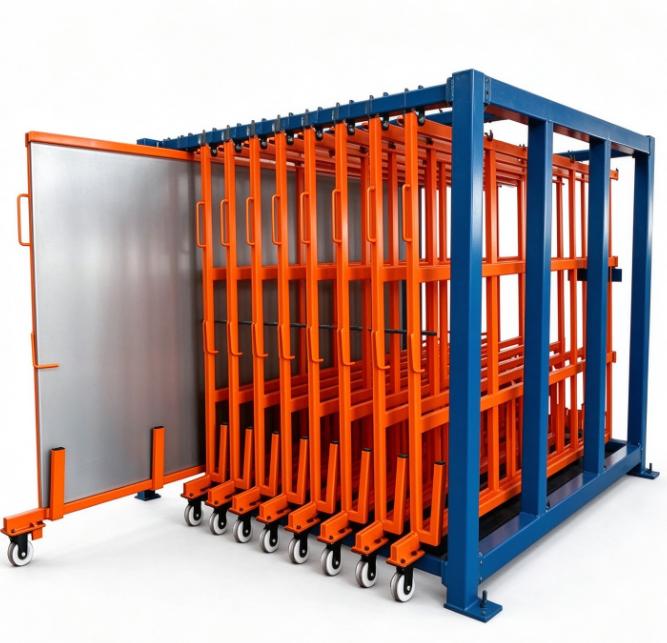
Tier count is customizable by material type, and clear space between levels adjusts at the specification stage. A shop storing thin-gauge offcuts can maximize tier density with 60 mm clear space. A shop storing thicker plate blanks can increase clearance without changing the rack’s outer dimensions. The rack is configured to the shop’s waste profile rather than forcing the shop to adapt to a fixed standard.
Industrial Strength and Long Service Life
A fabrication shop is not a warehouse. The storage equipment sees daily loading, unloading, and repositioning, often by operators wearing gloves and moving quickly. Herochu’s frame is built for that environment: thickened carbon steel, reinforced drawer supports, and powder-coated anti-rust finish for corrosion resistance in humid or coolant-exposed areas. The racks are CE certified and manufactured under ISO 9001 quality controls, with load testing before shipment.
Per-layer capacity reaches 1000 kg, which covers the weight of most partial sheets and stacked remnant groups. The mechanical-assistance discharge system is calibrated to the load, so a drawer holding a heavy stainless blank moves with the same control as a drawer holding light aluminum drops. The auto-latch holds the drawer open during retrieval, preventing rollback and allowing the operator to use both hands for lifting equipment.
Space Recovery and Material Utilization
Horizontal remnant storage consumes floor area at a rate that rarely matches the value of the material stored. A fabrication shop with a mixed pile of offcuts may be dedicating twenty or thirty square meters to material that could fit in a compact vertical tower occupying the footprint of a single pallet. Herochu’s vertical design recovers that floor space for production equipment, staging, or safer movement paths.
The utilization benefit follows the space benefit. When remnants have designated drawers and visible surfaces, the shop can see how much reusable material is available. That visibility changes purchasing decisions. A shop that can see its remnant stock orders less new material because the remnants become a known quantity rather than a vague hope.