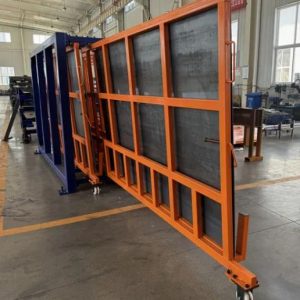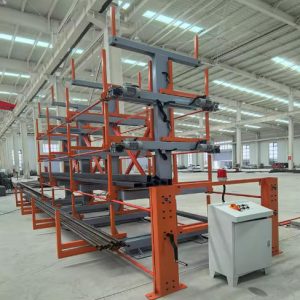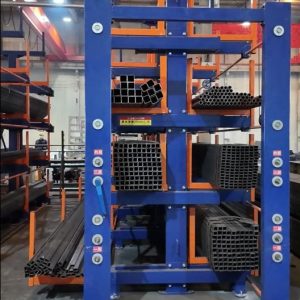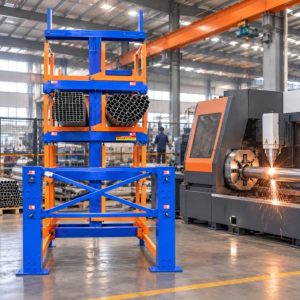
What materials can the Herochu industrial remnant rack store?
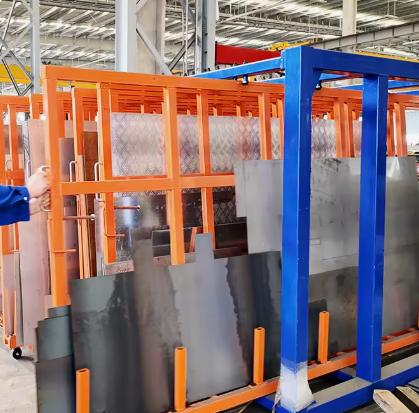
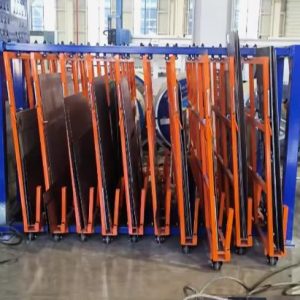
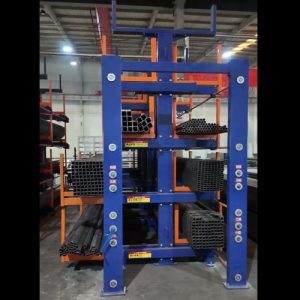
Steel, stainless steel, aluminum, copper, and irregular offcuts from laser cutting, bending, shearing, and punching operations. The drawer surface accommodates irregular shapes without requiring standardized stacking.
How is the rack customized for a fabrication shop’s material mix?
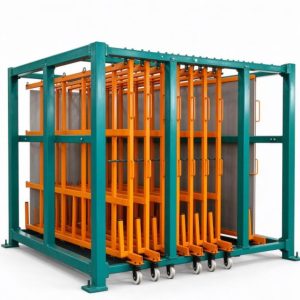
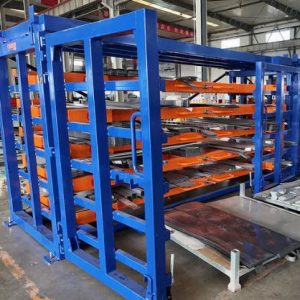
Layer count, clear space, and outer dimensions are specified at the factory. A shop can assign each tier to a material category or thickness range, and adjust clearance to match the profile being stored—thin offcuts maximize density, thicker plate maintains adequate opening height.
What is the load capacity per drawer?
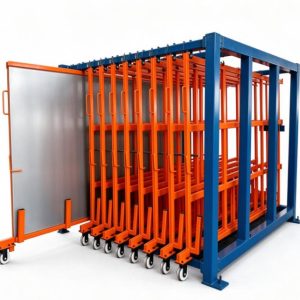
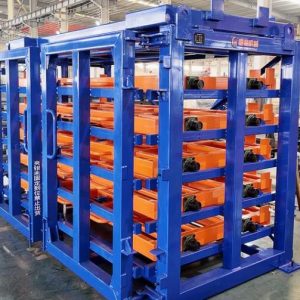
Up to 1000 kg per layer in standard Herochu configurations, with customized options available for heavier partial sheets or stacked blanks. The mechanical-assistance discharge system keeps drawer movement smooth across the load range.
Does the rack protect surface-critical materials?
Yes. The remnant stays on the drawer surface without pile-to-pile transfer or leaning against walls. Non-skid strips hold the material during movement, and the steel frame contains the piece within a defined space. This reduces scratches, edge damage, and handling loss.
Is the rack certified for industrial use?
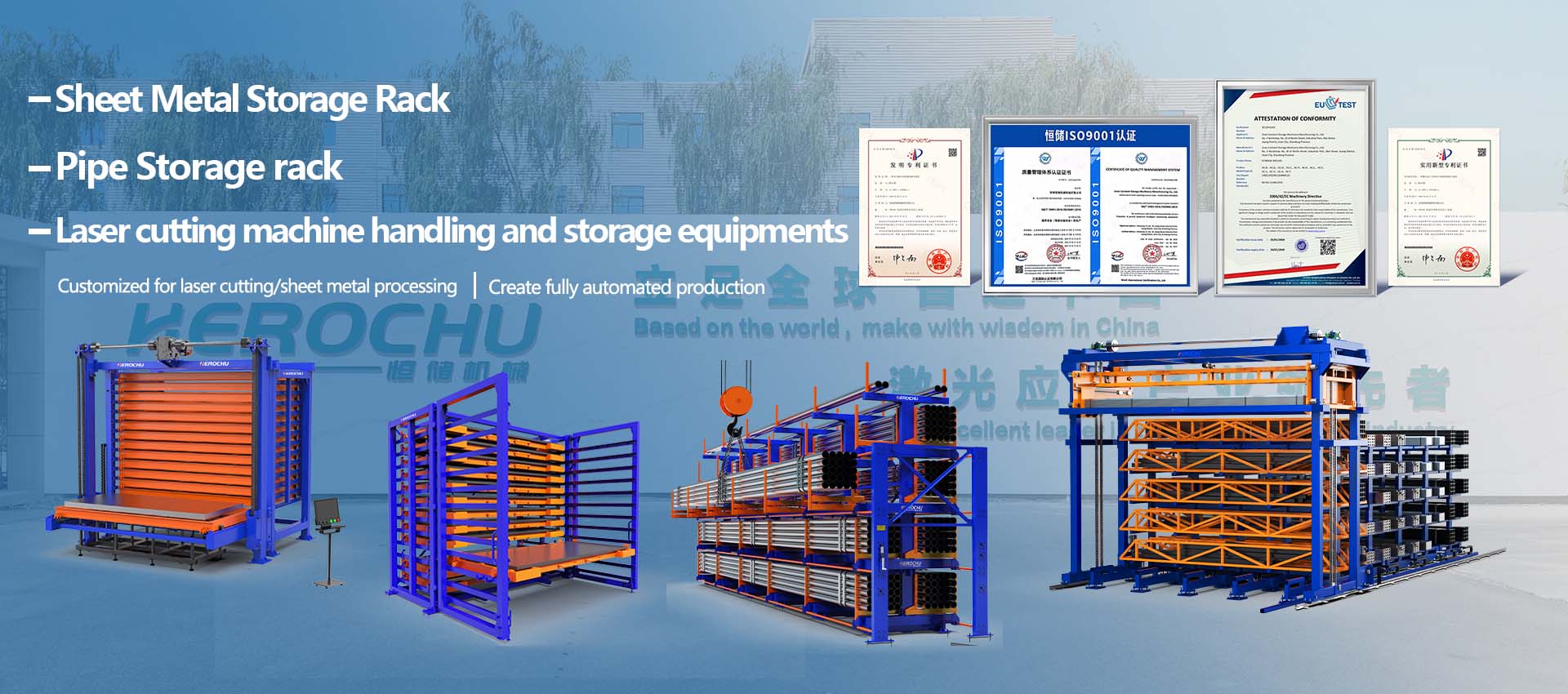
Herochu remnant racks are CE certified and manufactured under ISO 9001 quality controls. The frame is reinforced carbon steel with anti-rust powder coating, engineered for continuous fabrication shop duty.
For a fabrication shop, remnant storage is not a housekeeping detail. It is a material utilization decision. Herochu’s industrial sheet metal remnant rack gives every offcut a visible, accessible, protected place in the workflow—so the next job draws from existing stock instead of the purchasing queue.
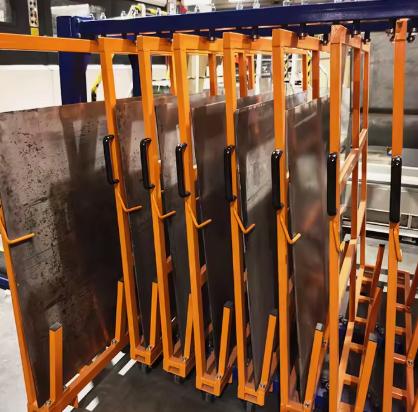
How does the rack distinguish between reusable remnants and true scrap?
The distinction is made at the point of generation by the operator, based on a minimum usable size for each material and thickness. The rack stores the recoverable pieces; the scrap bin receives the rest. The drawer system makes the sorting decision fast enough to become routine.
What is the retrieval time for a remnant in a roll-out rack?
Operators retrieve a specific remnant in under two minutes, often in seconds, because the drawer presents the entire tier surface without requiring the handling of adjacent layers. This is significantly faster than digging through a floor pile.
Can the rack be integrated with an existing laser cutting workflow?
Yes. Herochu positions the rack beside the cutting cell so the operator deposits recoverable remnants as they leave the table. The rack sits upstream of scrap bins and does not replace existing waste handling—it captures value before the waste stream begins.
Does the rack accommodate irregular offcut shapes?
Yes. The drawer surface is flat and supported along its length. Irregular pieces sit on the surface without requiring standardized stacking or orderly piles. Non-skid strips hold the material in place during drawer movement.
A laser cutting shop that treats every offcut as future scrap pays for the same steel twice. Herochu’s vertical roll-out remnant rack changes that equation by making the reusable piece visible, accessible, and part of the next job—not part of the pile.