Why Sheet Metal Scrap Costs More Than It Should
Every fabrication shop produces scrap. The question is whether those offcuts become a quiet expense or a working inventory. Left on the floor or stacked flat, sheet metal remnants take up square meters, get scratched, get buried under newer piles, and get re-purchased when nobody can find them. The real cost of scrap is not the metal itself — it is the space it occupies and the time operators waste digging through it.
Herochu designed the heavy-duty vertical roll-out rack to give sheet metal scrap and remnants the same discipline as primary stock: a defined place, clear visibility, and easy access.
How the Roll-Out Rack Works
Full-Extension Drawers on Industrial Bearings
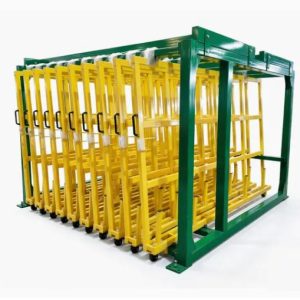
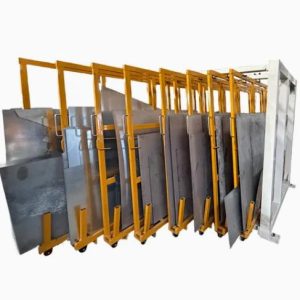
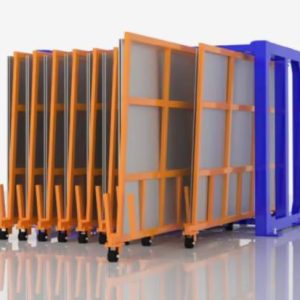
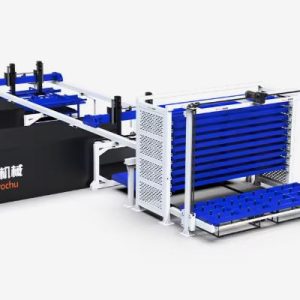
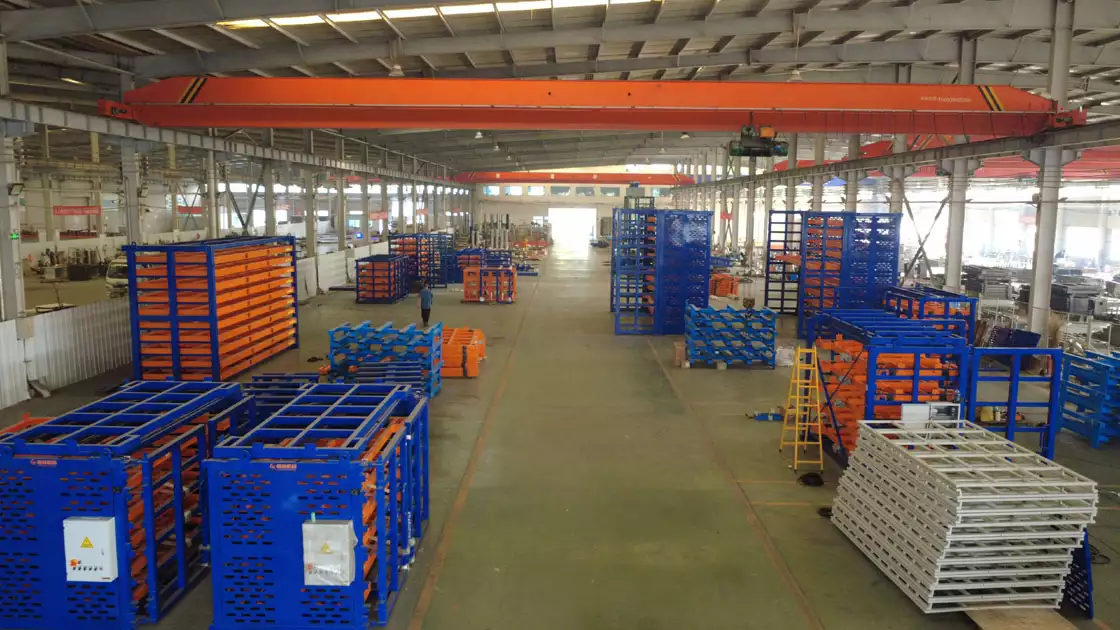
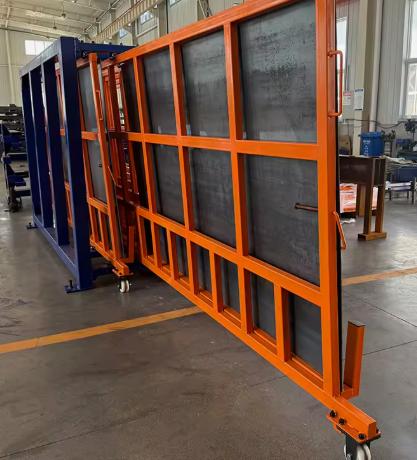
The rack stores plates upright in vertical drawers instead of laying them flat. Each drawer runs on heavy-duty industrial bearings and extends a full 100 percent of its depth. With the drawer open, the operator reaches the sheet from the front and from above, so a plate can be lifted straight out with an overhead crane, a vacuum lifter, or by hand. Nothing is buried under another sheet, and nothing has to be dragged sideways out of a pile.
A 3-Degree Incline That Works Without Moving Parts
Herochu engineers gave every drawer a subtle 3-degree backward slant. When the drawer is pulled out, gravity presses the plates against the backframe, holding them securely and preventing them from tipping forward during loading and unloading. It is a passive safety feature — no clamps, no locks to release, nothing the operator can forget.
Visual Inventory Control
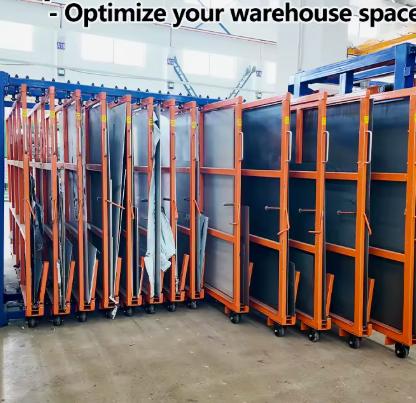
Because every sheet stands in its own slot, the rack works as a live stock catalog. An operator can see at a glance which gauges and grades are on hand, how many pieces remain, and whether that piece of 3 mm mild steel from last week’s job is still there. Stock guesswork disappears, search time drops, and remnants stop going missing.
Built for Real Workshop Loads
The rack is fabricated from structural-grade steel, with two standard models:
HC-V2513-8: accommodates sheets up to 2500 x 1000 mm
HC-V3015-8: accommodates sheets up to 3000 x 1500 mm
Both ship with eight layers as standard. The number of tiers is customizable by material type, so a shop can reserve one level for 3 mm plate, another for 6 mm, and another for stainless offcuts. Each level is rated for up to 1000 kg, and clear space between sheets is set at roughly 60 mm in the standard build, adjustable to suit thicker or coated materials. In standard trim, a single drawer safely handles up to 700 kg (about 1,500 lb).
Drawer Motion Fits the Aisle
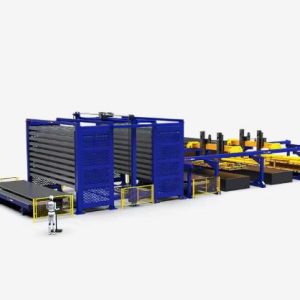
The rack is not locked into one orientation. Drawers can be arranged for front-back or left-right motion, so a unit against a wall pulls sideways into the open floor and a unit between two machines pulls front and back. Shops with tight aisles can match the pull direction to the traffic pattern instead of rebuilding the layout around the rack. Sections can hold up to 15 vertical drawers, and height, width, and depth are all open to customization at the design stage.
Working With Cranes and Lifters
Because each drawer opens fully, the rack teams naturally with the lifting equipment already in the shop. An overhead crane positions the hook over the open drawer, a vacuum lifter picks the sheet from its slot, and the operator guides it to the cutting table. The same move returns the offcut after the job. There is no second handling step, no re-stacking, and no point where the operator has to lift plate by hand.
Layered Organization Cuts Production Cost
The point of the vertical layout is material utilization. A remnant that is visible and reachable gets used again — for brackets, gussets, small parts, test pieces, and nested workpieces. That repeated use lowers raw material spend directly, and it lets planners write cutting programs around stock that is actually on site instead of assuming the material must be purchased new.
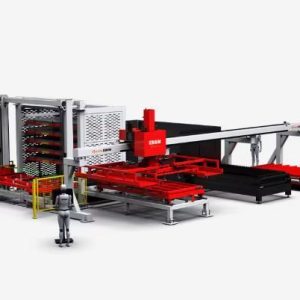
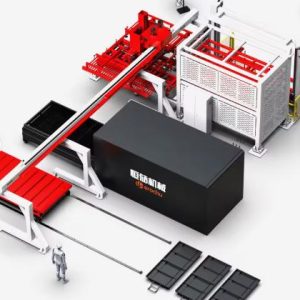
The rack also integrates with the machines around it. Because it is designed to sit beside laser cutting tables, plasma machines, and punch presses, offcuts can be returned to the rack in the same motion that loads the next sheet. Mechanical assistance supports discharge, keeping the handling step quick even with heavy plate.
Quality and Support Behind the Steel
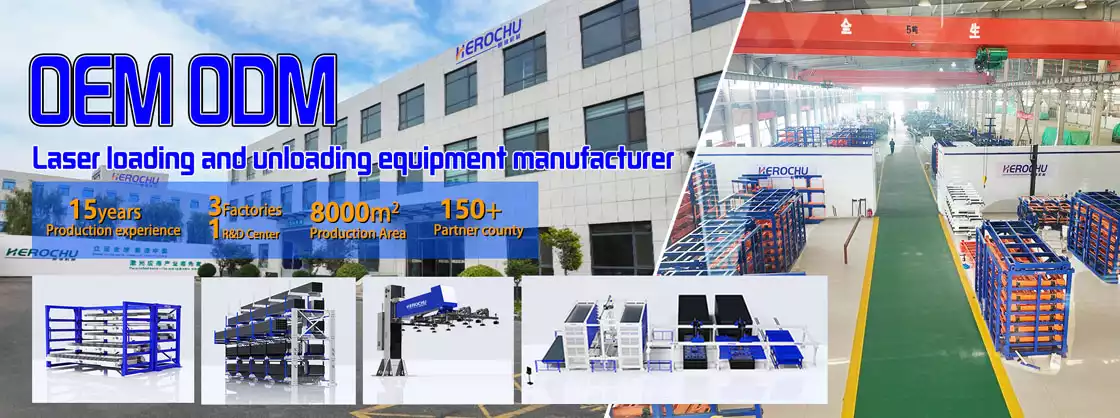
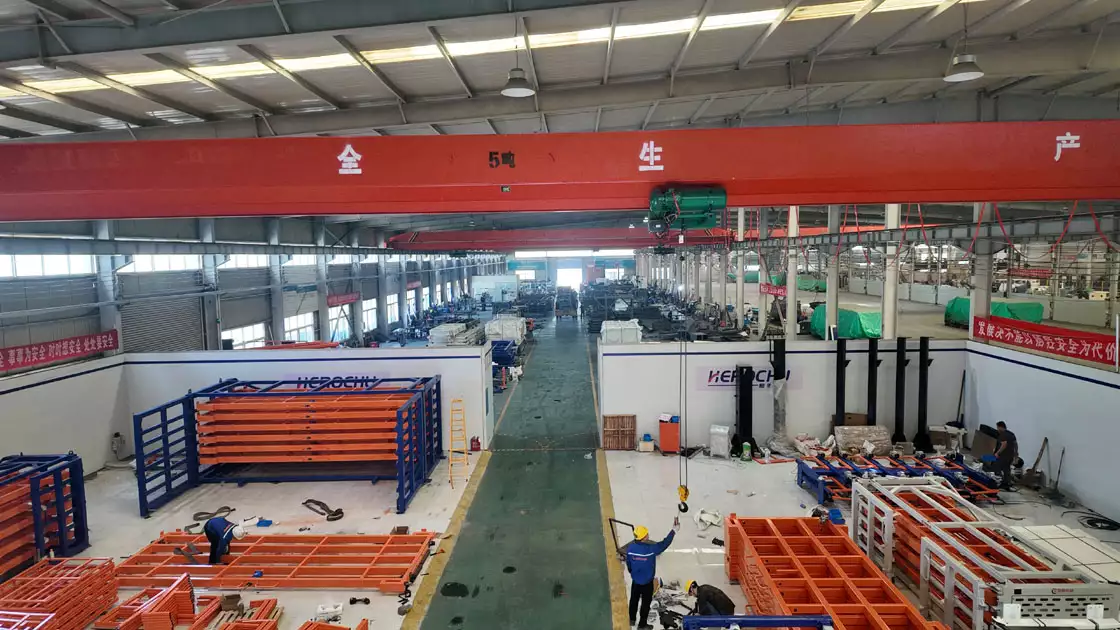
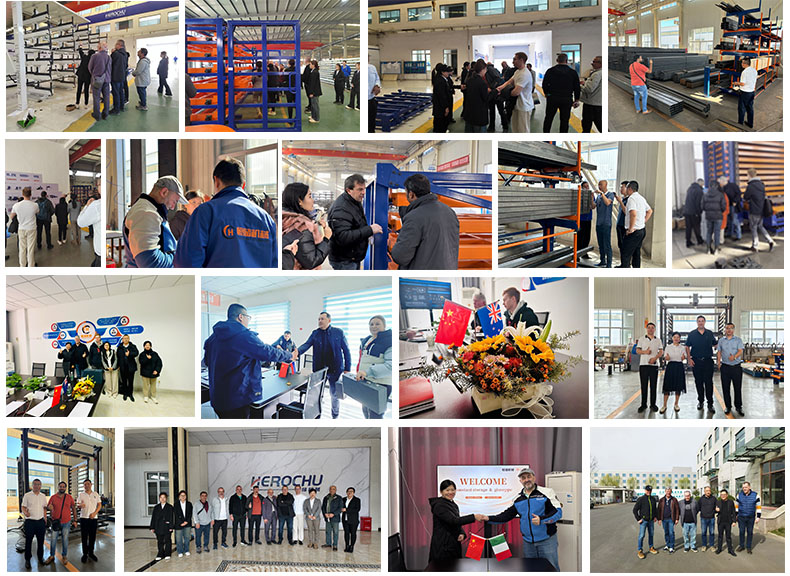
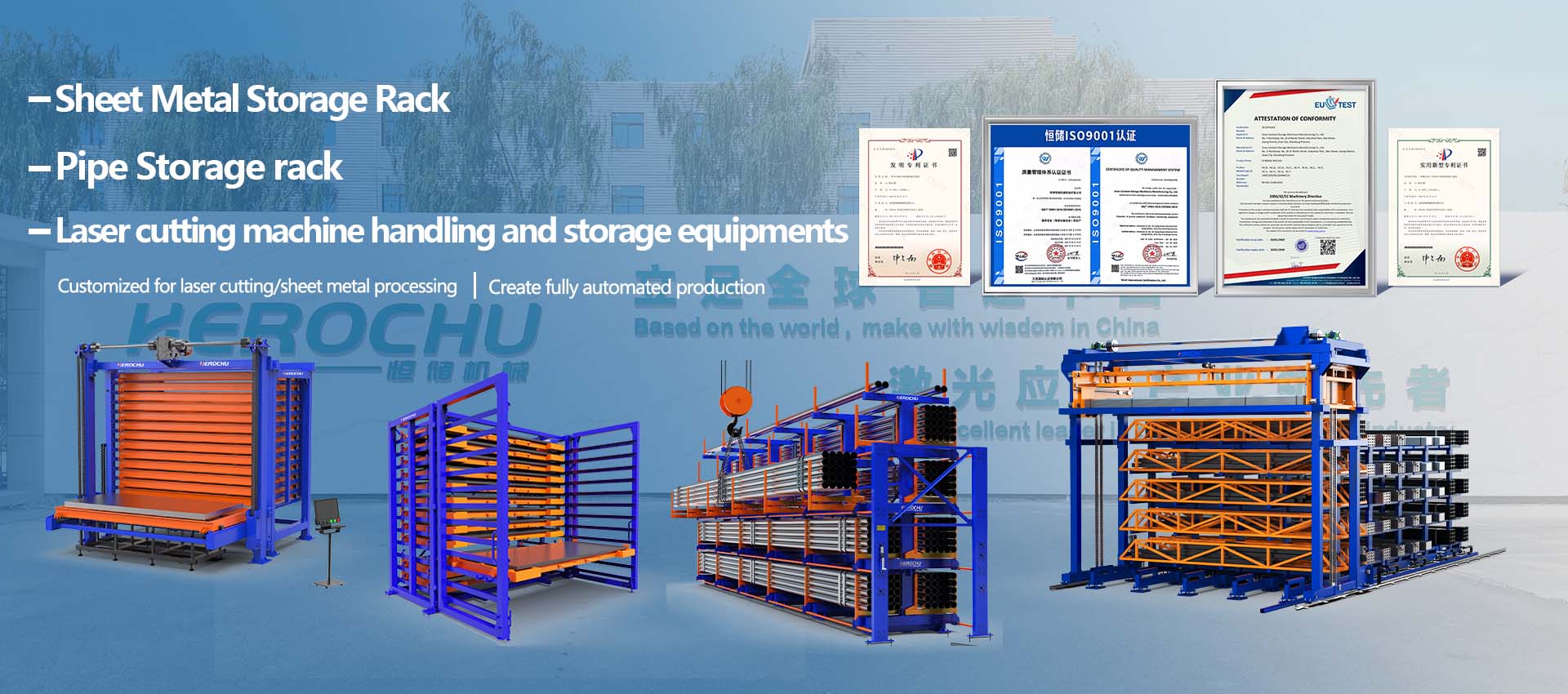
Herochu racks are produced in an ISO9001-compliant facility, carry CE certification, and go through structural load testing before shipment. The company backs the design with more than 15 years of engineering experience, offers custom design services, and supports installation worldwide.
The same storage principle is in service across aerospace, automotive, railway, and heavy machinery fabrication, where every square meter and every kilogram of plate matters.
Questions Shops Ask About This Rack
How much weight can one drawer hold?
In standard trim a single drawer carries up to 700 kg (about 1,500 lb), and each level is rated to 1000 kg in the specification table. The frame is structural-grade steel, sized for daily loading cycles rather than occasional use.
Can the rack fit sheets larger than the standard models?
The HC-V2513-8 and HC-V3015-8 cover the two most common plate sizes, and Herochu offers custom height, width, and depth. Shops running oversized plate can have the drawer pitch and clear space adjusted to suit the material.
Does the rack need special floor preparation?
The unit is designed for standard industrial floors. Installation is supported worldwide, and the rack is anchored according to the site layout and load plan supplied with the order.
The Bottom Line
Sheet metal scrap is not a disposal problem — it is a storage problem. A heavy-duty vertical roll-out rack turns a pile of remnants into organized, visible, reusable stock: less floor space, faster retrieval, and a measurable drop in material cost. For shops that cut plate every day, that is the difference between paying for scrap twice and using it once.