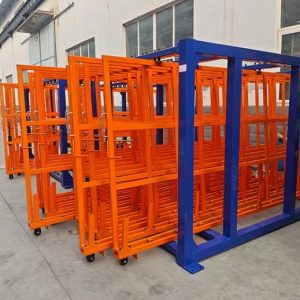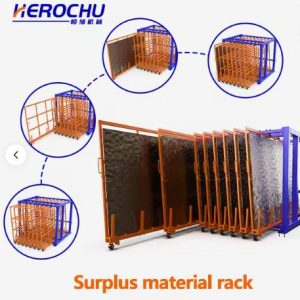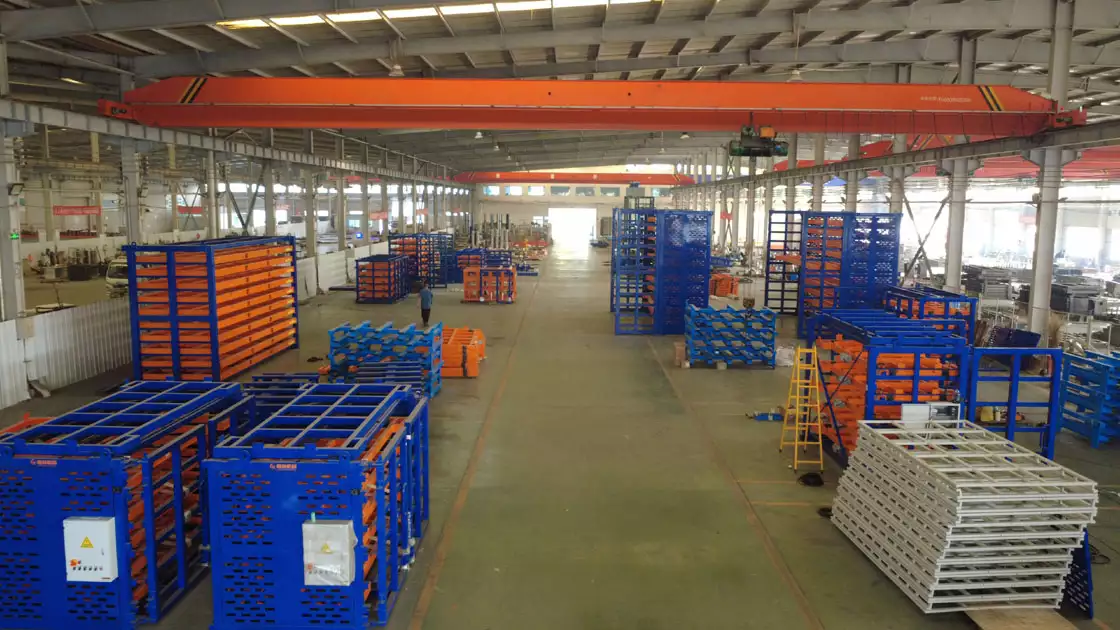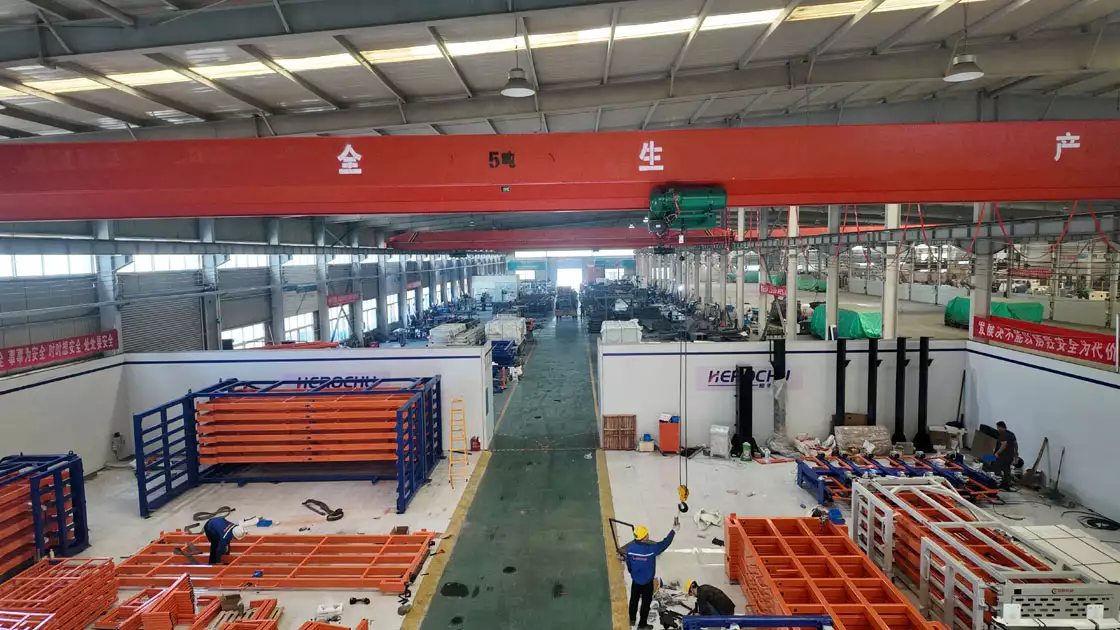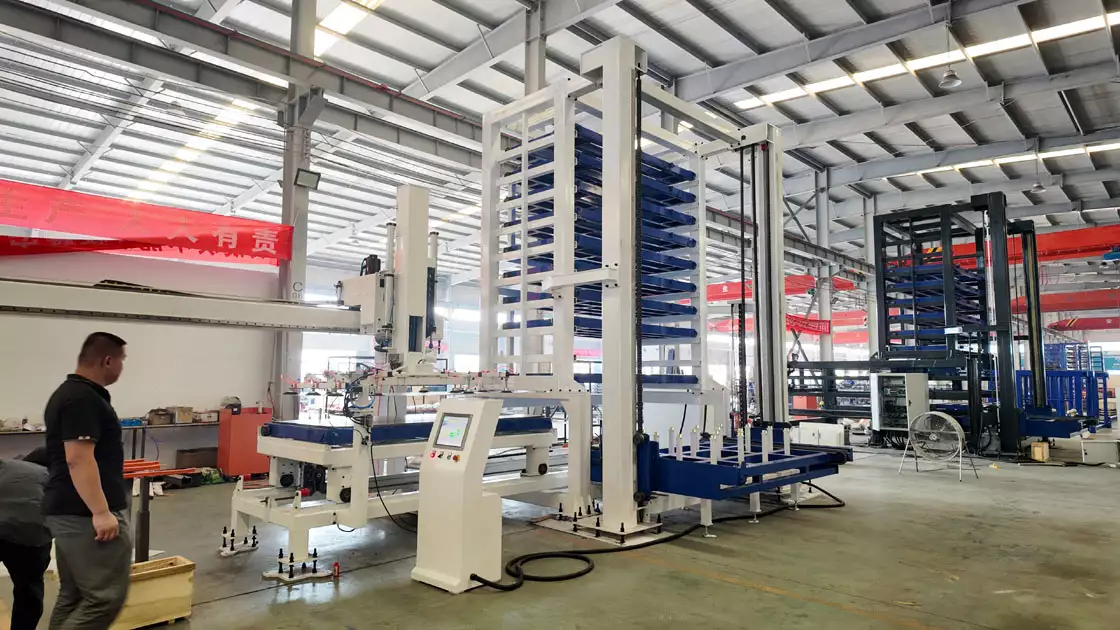
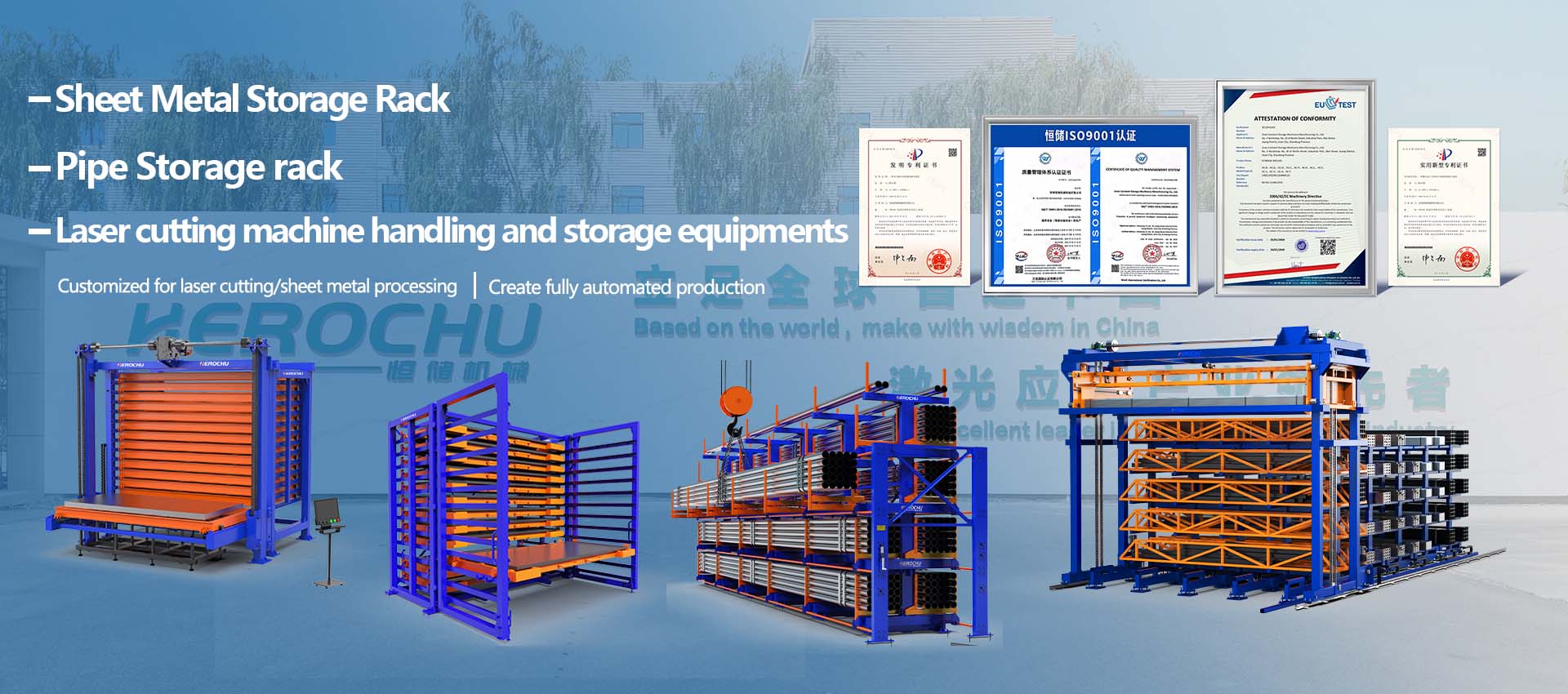
Remnants lose value through handling. A partial sheet that leaves the cutting table in pristine condition can accumulate scratches, dents, bent edges, and surface oxidation after weeks of being moved from pile to pile. Each handling operation reduces the usable area until the remnant that was worth saving becomes scrap in practice if not in name. Herochu’s sheet metal remnant storage rack addresses this deterioration directly by minimizing handling and eliminating the sheet-on-sheet contact that causes most storage damage.
The drawer-based design keeps each remnant on its own surface. When a sheet is placed on a Herochu drawer, it stays there until retrieved. It is not restacked to access a different piece. It is not moved aside to make room for new material. It does not bear the weight of sheets stacked above it. The non-skid strips that hold the material during drawer travel also prevent the abrasion that occurs when sheets slide against each other. For shops handling stainless steel, aluminum, coated sheet, or polished plate—materials where surface condition has direct cost implications—this protection is not a convenience feature. It is a value-preservation mechanism.
The structural specifications support the protection claim. Drawer surfaces are flat and supported along their length, preventing the sag that develops in unsupported horizontal storage and the bending that follows. Clear space between tiers is specified to the material profile: thin gauge remnants receive minimal clearance for efficient vertical use, while thicker plate or stacked pieces receive greater opening height. The rack does not force material into a standard compartment that was designed for a different thickness range.
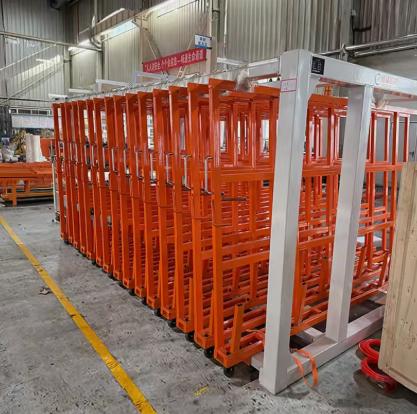
Load capacity is rated at 1000 kg per tier across standard models, with heavier ratings available for thick plate drops. The guide system and frame structure are engineered to the specified load rather than to a generic average. This matters for remnant storage because remnants are unpredictable: a partial sheet of 10 mm carbon steel measuring 1500 × 800 mm weighs over 90 kilograms, and a thick plate drop can weigh several hundred. A rack that cannot handle these loads safely creates risk rather than organization.
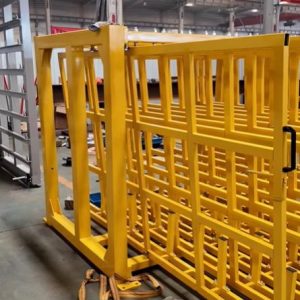
Herochu builds the frame from high-strength structural steel with a powder-coated finish that resists the cutting dust, thermal cycling, and occasional coolant exposure common in laser cutting environments. The drawers extend on precision rails that are cycle-tested for durability under full load. Mechanical assistance reduces the force required to initiate drawer movement, so the operator experience remains consistent regardless of whether the drawer holds a light trim piece or a heavy partial sheet.
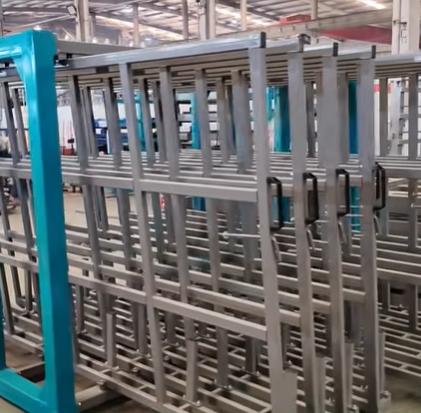
The operational benefit extends beyond material protection. When remnants are stored in a condition that preserves their usability, they actually get reused. A scratched sheet that requires rework is a sheet that a programmer will avoid specifying. A bent remnant that cannot sit flat on the laser bed is a remnant that goes to the recycler. By maintaining material condition through storage and retrieval, the Herochu rack ensures that the remnant inventory remains a viable source of stock rather than a collection of degraded pieces that no one trusts. For workshops that measure material utilization in real numbers, this protection translates directly into reduced raw material spending.