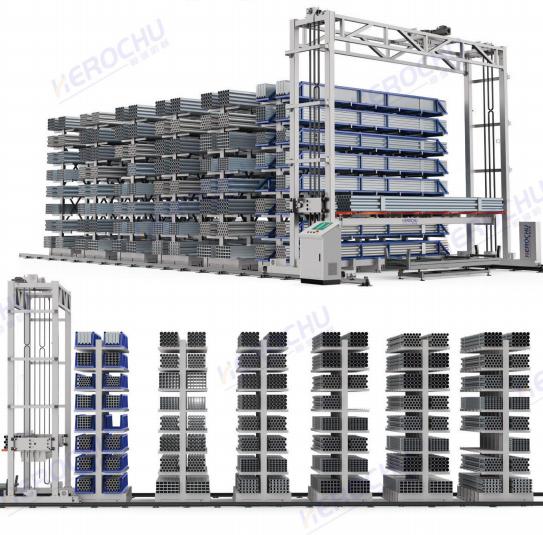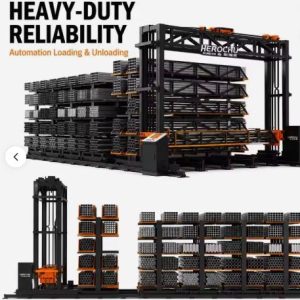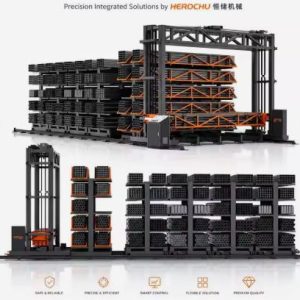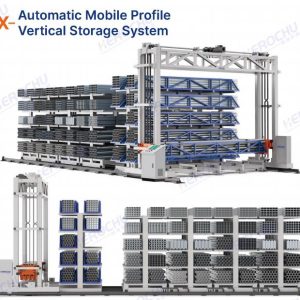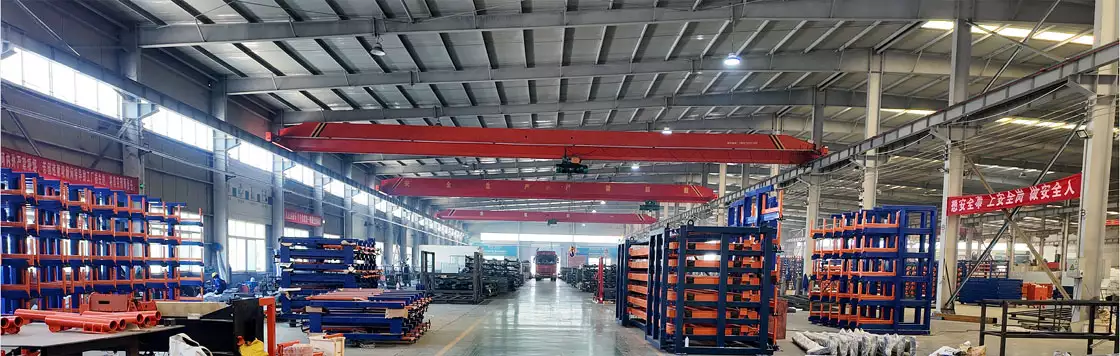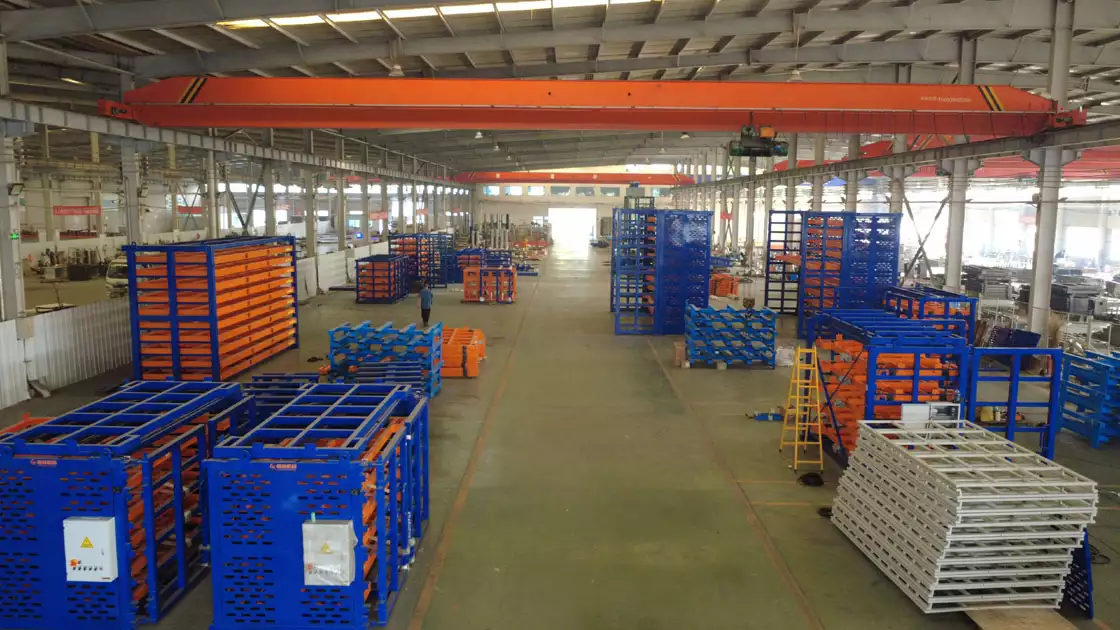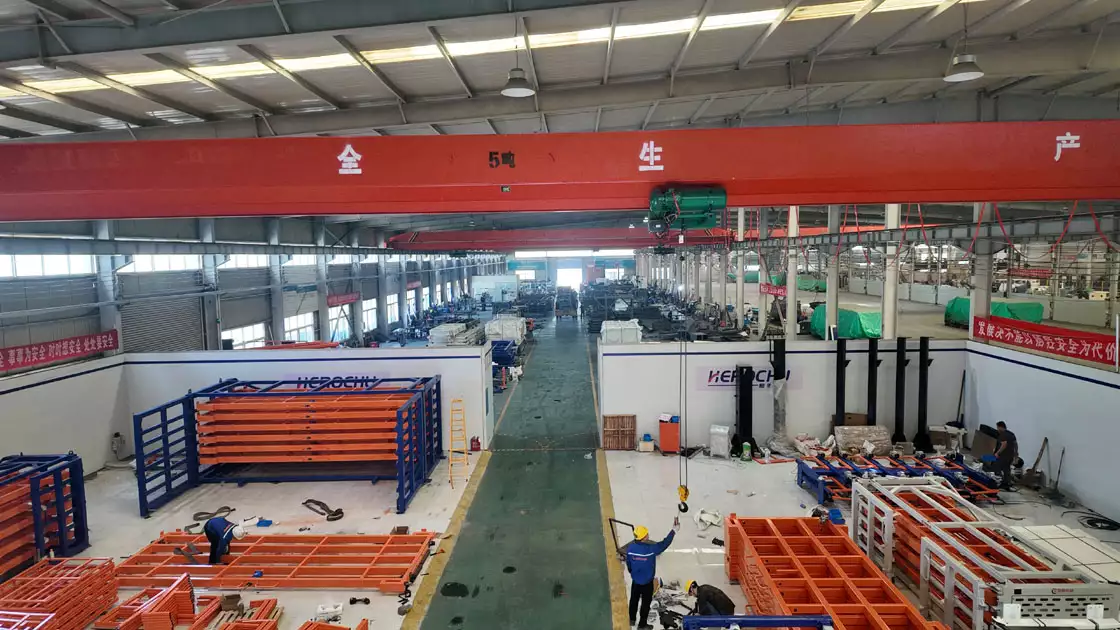
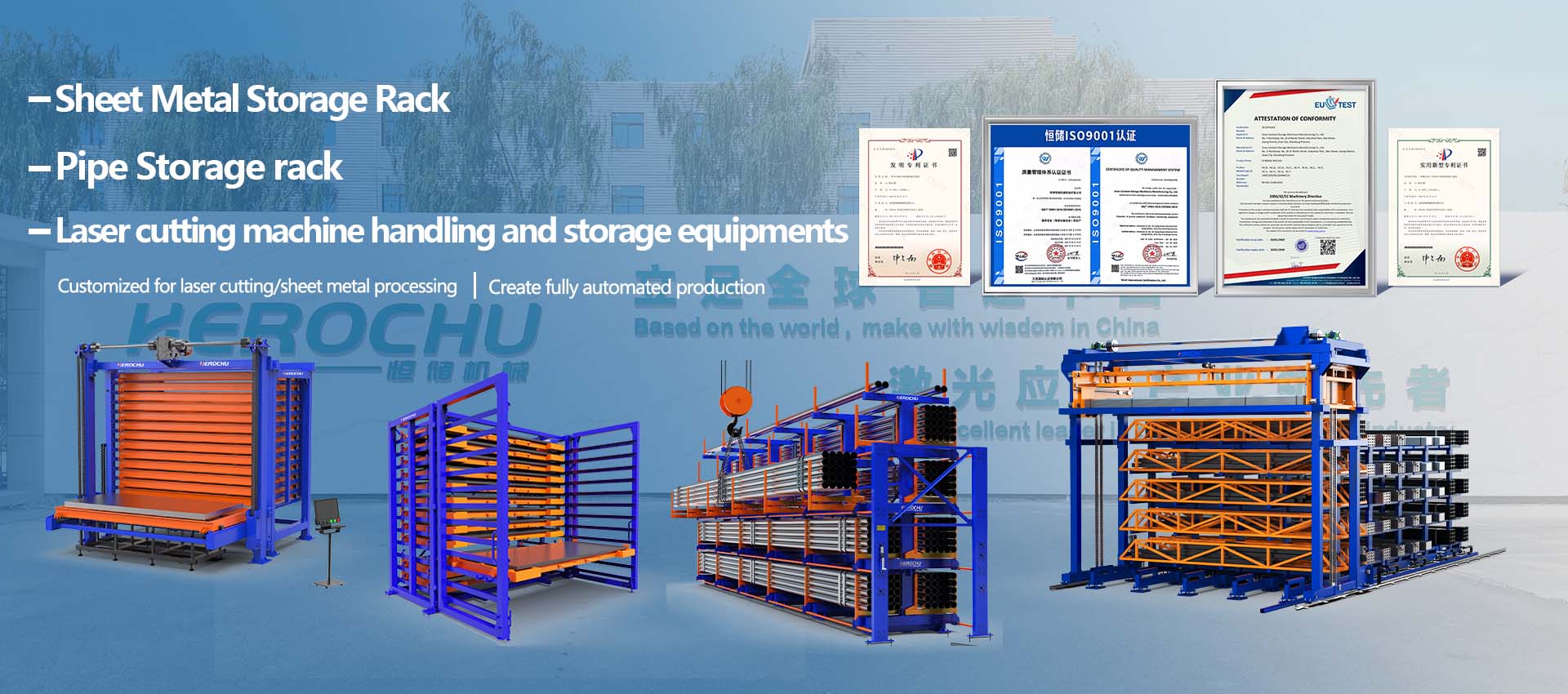
Not every long goods warehouse needs full automation. Some operations need a storage structure that can survive decades of heavy industrial use, with enough intelligence to improve as the business grows. Herochu’s Heavy Duty Gantry Storage System for Long Goods Steel Pipes and Metal Profiles occupies that middle ground: robust enough for continuous tonnage handling, scalable enough to add automation incrementally.
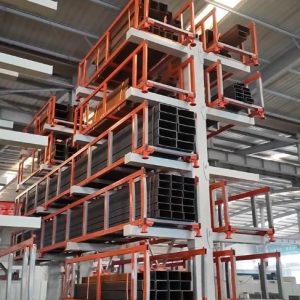
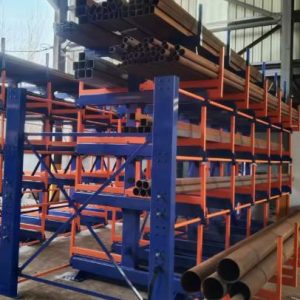
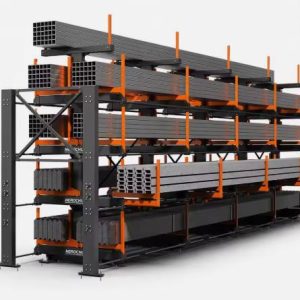
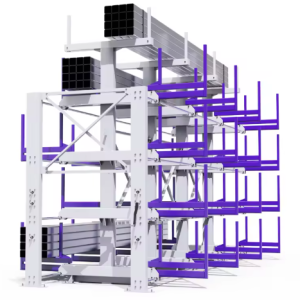
The structural foundation is the differentiator. Herochu fabricates the rack columns and beams from high-grade structural steel, engineered to resist deflection under full load across every level simultaneously. Each storage layer carries 3 to 5 tonnes independently. A ten-level tower rated at 5 tonnes per level holds 50 tonnes of steel pipe, and that load is not theoretical—it is the design basis for the column section and weld specification.
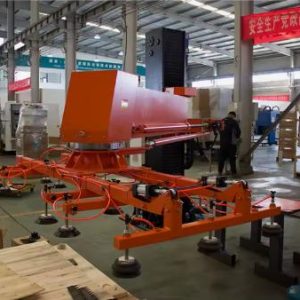
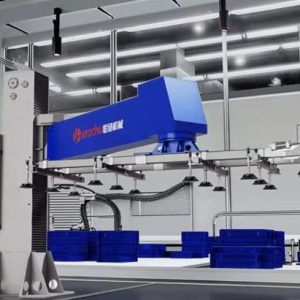
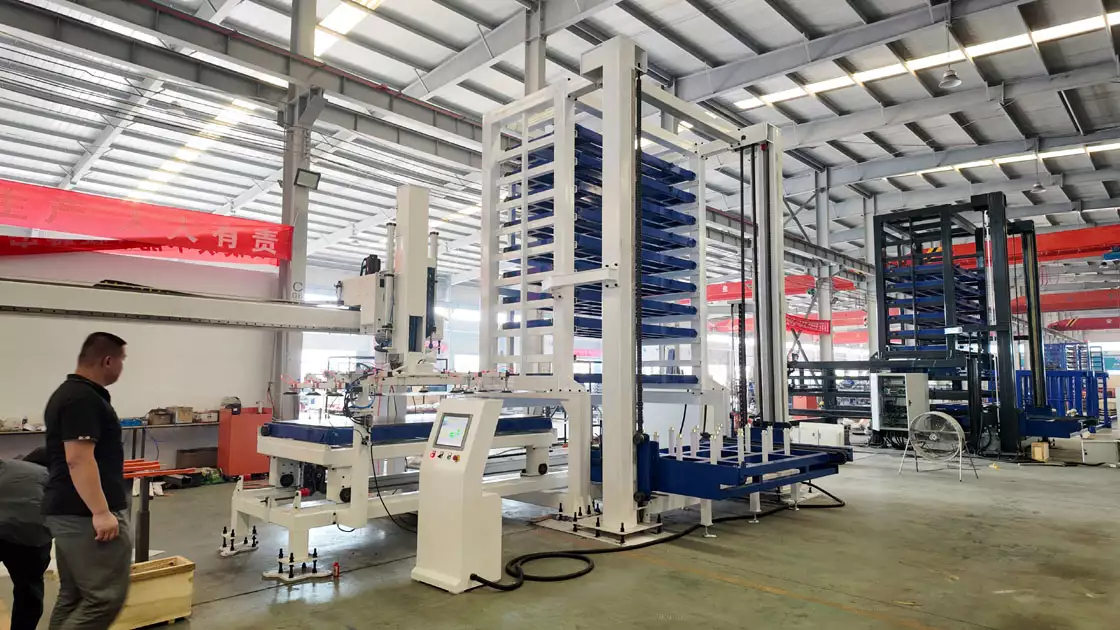
The gantry handling unit travels on precision rail tracks, either floor-mounted or elevated depending on the facility layout. The carriage carries a vertical mast with a lifting platform, driven by servo motors with positioning repeatability in the ±2 mm range. For pipe storage, this precision matters because the carrier forks must engage the material without contacting adjacent bundles. A few millimeters of drift accumulates into damaged stock and damaged equipment over thousands of cycles.
Herochu offers the gantry in two performance envelopes. The standard configuration suits facilities with moderate throughput, delivering reliable automated handling at speeds that keep pace with a single shift operation. The high-speed variant reaches travel speeds up to 50 meters per minute, double the rate of typical competing systems, for operations where the gantry cycle time constrains the cutting or processing line. Both versions use the same structural steel and safety architecture; the difference is in the drive specification and control tuning.
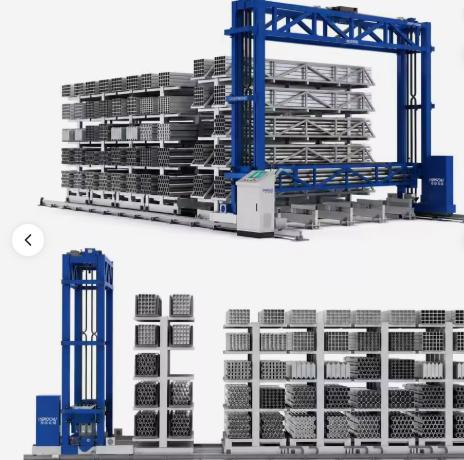
Material versatility is built into the carrier design. The system handles steel pipes, solid bars, structural angles and channels, and aluminum extrusions. It accepts both single pieces and bundled loads. For round pipe, V-cradles prevent rolling during transport. For flat bar or plate, decking supports the full length without concentrated point loads. The carrier change or adjustment is a configuration task, not a rebuild.
The control system scales with the operation. At minimum, Herochu supplies a PLC and HMI with digital inventory tracking. At the higher end, the system integrates with ERP and MES platforms through API connectors, enabling production orders to trigger material retrieval automatically. A fabricator running a cutting schedule from the ERP can have the storage system stage the required pipe bundles before the saw operator arrives for the shift.
Safety systems are not retrofitted options. The gantry carries photoelectric sensors that detect obstructions in the travel path. Load cells monitor the weight on the lifting platform and halt the cycle if the load exceeds the configured limit. Laser scanners on the carriage prevent collision with rack structure or stored material during positioning. For a system moving multi-ton bundles overhead, these are the minimum conditions for operation near personnel.
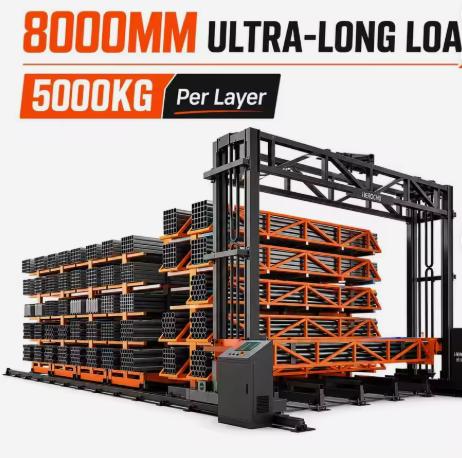
Herochu configures the number of towers and levels around the facility’s ceiling height and inventory volume. The modular design allows a facility to start with two towers and add capacity as throughput grows, rather than committing to a full build-out at installation. This scalability is particularly relevant for service centers and fabricators whose product mix shifts over time.
The Heavy Duty Gantry Storage System does not claim to be the most automated solution on the market. It claims to be the structural platform that supports whatever level of automation the business is ready to operate. For warehouses moving steel pipes and profiles at industrial tonnage, that pragmatism is worth more than a feature list.