Offcuts Are Not Waste — They Are Unorganized Stock
The difference between an offcut and a waste sheet is usually storage. A piece of plate that can be found and reached gets used again; the same piece, buried under newer material, is eventually scrapped or reordered. Shops that treat metal offcuts as trash are discarding usable inventory every week.
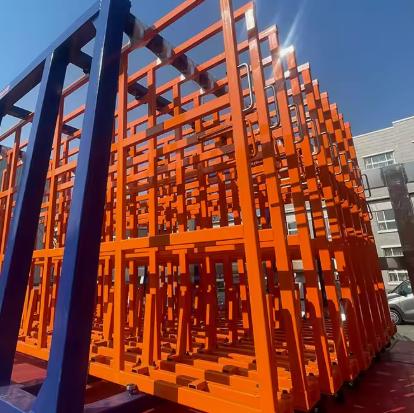
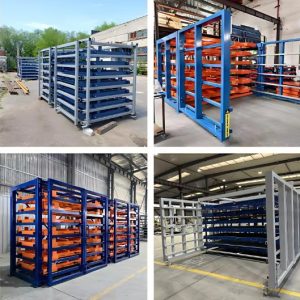
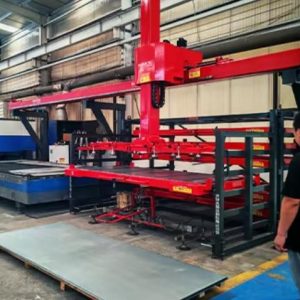
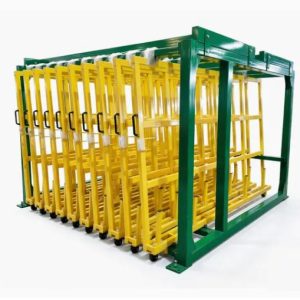
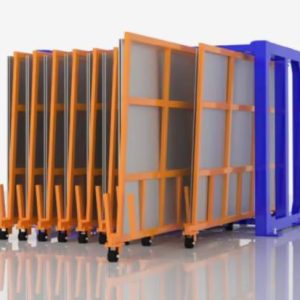
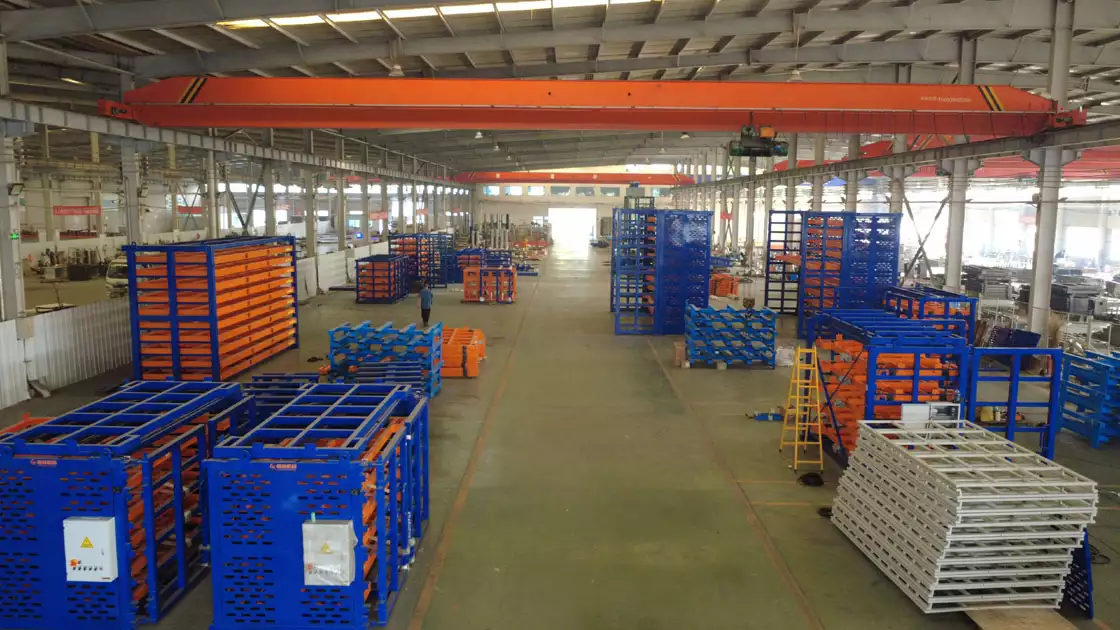
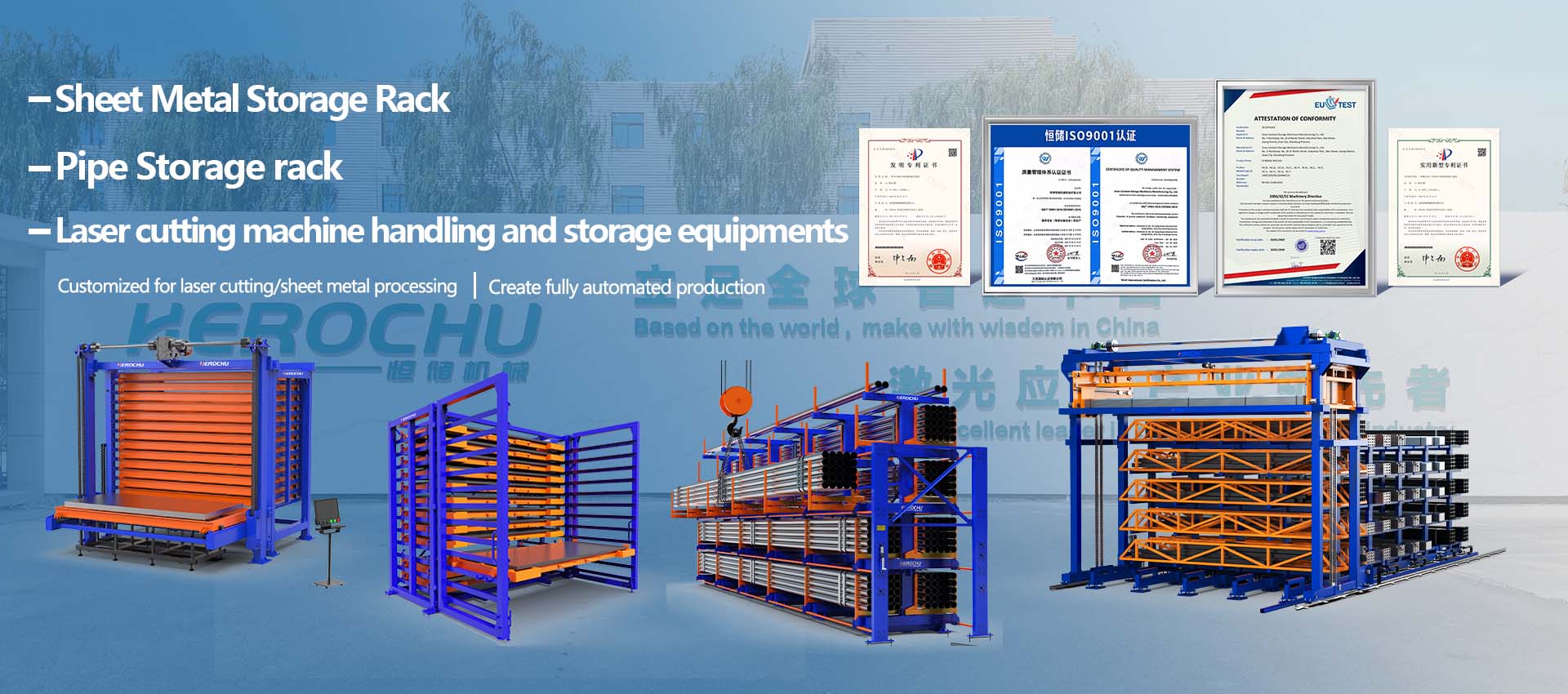
Herochu’s vertical roll-out storage rack for metal offcuts and waste sheets applies one organizing idea: give every remnant a slot, keep it visible, and let gravity and bearings do the rest.
Layered Storage Sorted by Material
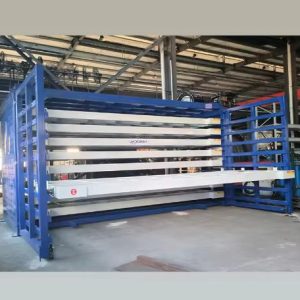
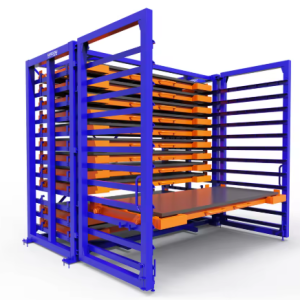
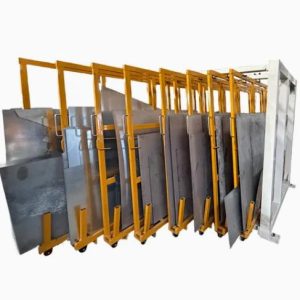
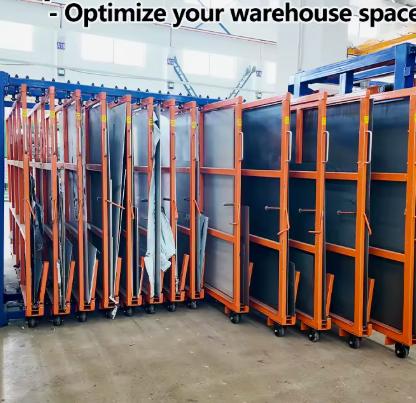
The rack stores sheets upright in vertical drawers, with eight layers as standard. Because the tier count is customizable by material type, a shop can assign each level to a grade — 3 mm mild steel on one tier, stainless on another, aluminum remnants on a third, and full sheets for upcoming jobs on the top. The layout turns a mixed pile into a sorting system that everyone on the floor can read at a glance.
That visual inventory control is the quiet workhorse of the design. Nobody guesses what is in stock, nothing gets lost, and remnant material stops disappearing into the corner of the workshop.
Assigning Tiers That Match the Work
A practical tier plan follows the cutting schedule, not the material catalog. The grades used daily get the middle levels, where they are easiest to reach; slow-moving material goes higher; heavy plate sits low, close to the floor, where lifting is simplest. Full sheets for upcoming jobs can occupy one level, keeping them out of the way but visible. Because the tier count is customizable, the plan can be redrawn when the product mix changes — the rack is not locked to a fixed arrangement.
Semi-Finished Parts Earn Their Own Levels
The same vertical storage handles more than offcuts. Semi-finished parts between operations — blanks waiting for bending, parts queued for welding, sheets staged for tomorrow’s program — can be held in dedicated tiers. That keeps them off workbenches and out of machine traffic, and gives the next operation a fixed pick-up point instead of a hunt.
Mechanical Assistance Makes Heavy Sheets Manageable
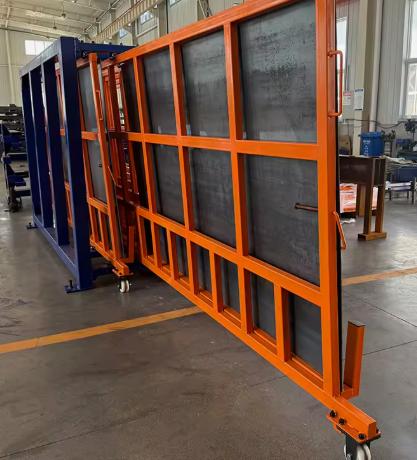
Each drawer extends a full 100 percent of its depth on heavy-duty industrial bearings, giving unobstructed access from the front and above. Material discharge uses mechanical assistance, so moving a heavy sheet out of the rack does not depend on muscle alone — an overhead crane or vacuum lifter takes the plate straight off the extended drawer.
A subtle 3-degree backward incline in every drawer uses gravity as a passive lock: plates rest against the backframe and cannot tip forward while the drawer is open. The safety feature requires no operator input, which matters on a busy floor.
Specifications at a Glance
Two standard models cover the sheet sizes most fabrication shops handle:
HC-V2513-8: sheet dimensions 2500 x 1000 mm
HC-V3015-8: sheet dimensions 3000 x 1500 mm
| Parameter | Value |
| Number of layers | 8 (customizable) |
| Max. load per level | 1000 kg |
| Clear space between sheets | 60 mm (customizable) |
| Material discharge method | Mechanical assistance |
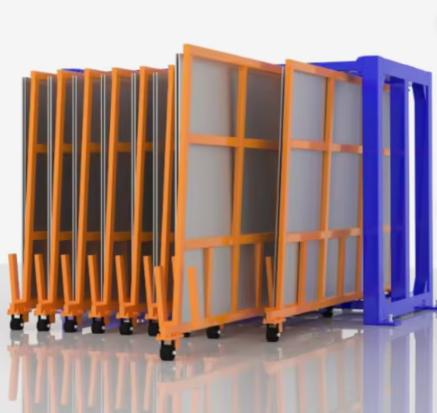
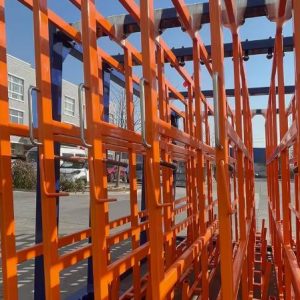
The rack is fabricated from structural-grade steel, so the 1000 kg per-level rating holds up in daily service. Racks can be configured with up to 15 vertical drawers per section, with height, width, and depth sized to the application. Removable holding dividers and adjustable support arms can be fitted to secure odd-shaped remnants and sensitive metals such as stainless steel or titanium alloys without surface scratching.
Compatibility With the Machines That Make the Offcuts
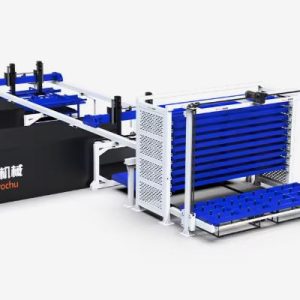
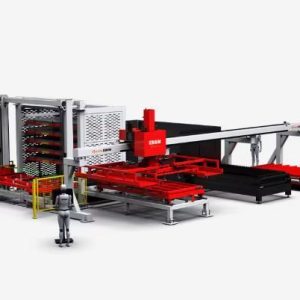
The rack is designed to work alongside the equipment that generates the material: laser cutting tables, plasma machines, punch presses, and press brake stations. Offcuts can be returned to their assigned tier in the same handling cycle that loads the next sheet. The vertical structure is optimized for remnant access, and the system integrates with various machining equipment without re-engineering the workflow.
The Cost of Waste, Reversed
Material utilization is where the payback shows up. When offcuts and waste sheets are stored vertically and organized, repeated use becomes routine: small parts, brackets, test pieces, and nested workpieces are cut from what is already on hand. Raw material spend falls, production cost drops, and the workshop stops paying twice for the same steel.
Quality From a Specialist Manufacturer
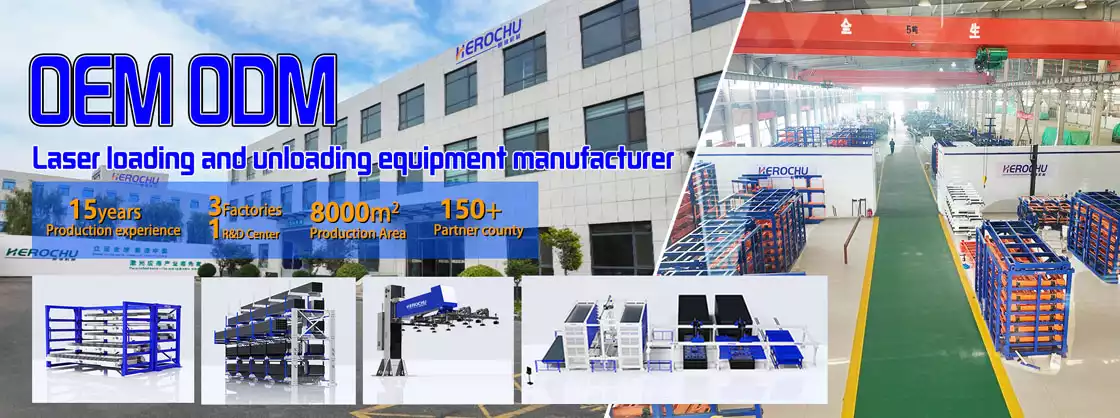
Herochu produces the rack in an ISO9001-compliant facility with CE certification and strict pre-shipment structural load testing. Backed by over 15 years of engineering experience, custom design services, and global installation support, the company serves aerospace, automotive, railway, and heavy machinery fabrication industries worldwide.
What counts as an offcut worth storing?
Any piece large enough for a future nest — typically 600 x 600 mm and up, depending on the shop — is worth a slot. The rack pays for itself when the pieces that used to be reordered start coming from the rack instead.
How is material discharged?
Drawers extend a full 100 percent on heavy-duty bearings, and discharge is assisted mechanically, so a crane or vacuum lifter removes the sheet without manual lifting. The 3-degree incline holds the remaining plates in place while the drawer is open.
Can the rack grow with the shop?
Sections can hold up to 15 vertical drawers, and height, width, and depth are customized at the design stage. Shops planning growth can specify additional drawer capacity in the initial design, and Herochu’s custom design service covers future layout changes.
Conclusion
Metal offcuts are only waste if they cannot be stored, found, and reused. A vertical roll-out storage rack changes that equation: layered organization by material, 1000 kg of capacity per level, mechanical-assist discharge, and a footprint that leaves room for production. For any shop cutting plate, it turns the scrap corner into the most useful inventory in the building.