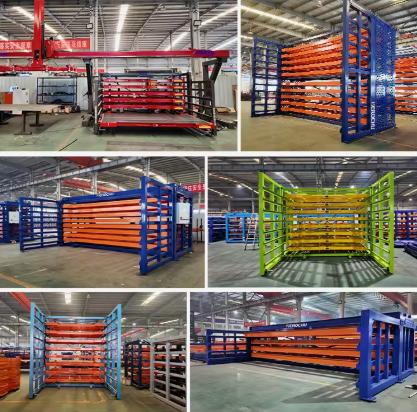
Manual Crank Sheet Metal Rack for Steel Plate and Aluminum Sheet
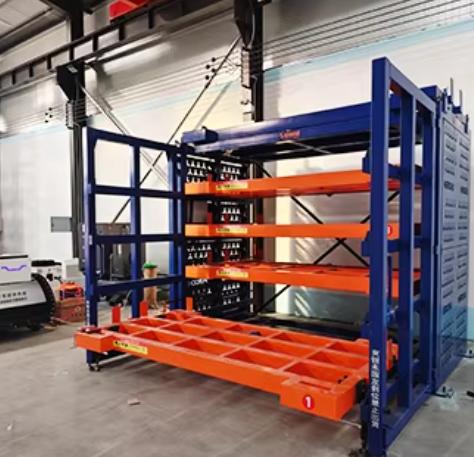
Storing industrial sheet metal is not like storing palletized goods. A single 6-meter by 2-meter steel plate concentrates several tons of mass into a thin, flat profile that applies uneven bearing pressure across rack cross-beams. If the beam design does not account for this concentrated loading pattern, localized deflection gradually deforms the frame members and compromises the flatness of the stored sheets below. Herochu designed its manual crank sheet metal rack for steel plate and aluminum sheet applications with a structural approach that treats every layer as an independent load-bearing assembly rather than a simple shelf.
Manual Crank Sheet Metal Rack for Steel Plate and Aluminum Sheet
Storing industrialsheet metal is not like storing palletized goods. A single 6-meter by 2-meter steel plate concentrates several tons of mass into a thin, flat profile that applies uneven bearing pressure across rack cross-beams. If the beam design does not account for this concentrated loading pattern, localized deflection gradually deforms the frame members and compromises the flatness of the stored sheets below. Herochu designed its manual crank sheet metal rack for steelplate and aluminumsheetapplications with a structural approach that treats every layer as an independent load-bearing assembly rather than a simple shelf.
The primary frame members are hot-rolled Q235B structural steel sections. Q235B is a Chinese-standard carbon structural steel with a minimum yield strength of 235 megapascals and an elongation at break above 26 percent. The material is selected for its balance of strength and ductility: it resists permanent set under the design load while retaining enough plastic deformation capacity to absorb impact energy if a sheet is dropped onto the drawer during loading. Brittle failure is not an acceptable failure mode in a rack that may experience occasional handling mishits, and Q235B’s elongation characteristics provide a safety margin that harder but more brittle alloy steels cannot match.
Dual-Beam Cross-Member Geometry
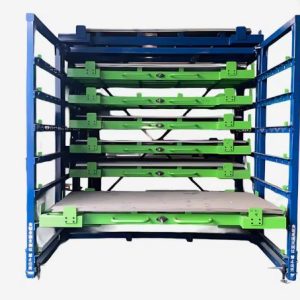
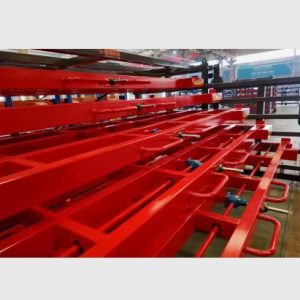
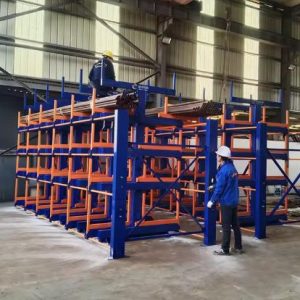
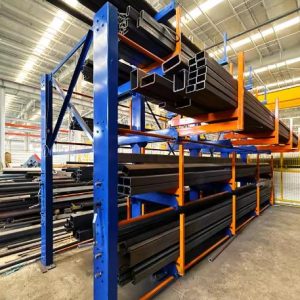
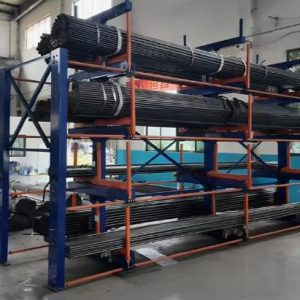
Each drawer bay in a Herochu hand-operated metal plate storage rack is supported by a pair of parallel cross-beams welded into a closed torsion box. The dual-beam layout addresses a specific structural problem that single-beam designs ignore: plate loading is rarely centered. When a forklift operator places a sheet slightly off the drawer centerline, a single central beam experiences eccentric bending that twists the cross-section and accelerates fatigue cracking at the weld toes. The dual-beam configuration converts this eccentric moment into differential vertical loading between the two beams, each of which handles a pure bending load within its designed capacity.
The beams themselves are fabricated from Q235B plate laser-cut to profile and joined with full-penetration butt welds at the web-to-flange interface. Intermittent fillet welds are avoided in these primary load paths because the stress concentration at a weld interruption point creates a crack initiation site that grows under cyclic loading. Herochu’s welding procedure specification for rack beams mandates continuous welds throughout, inspected by dye penetrant at all start-stop locations.
Load Distribution Across the Drawer Platform
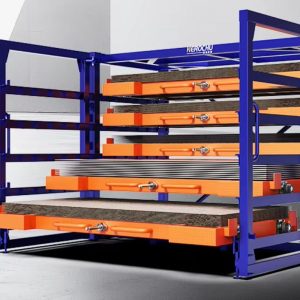
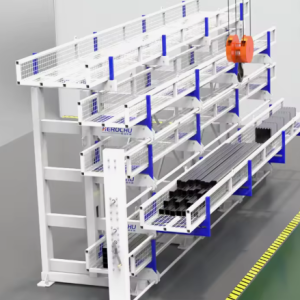
The drawer base is a grid-welded framework of longitudinal and transverse stiffening ribs capped by a flat bearing plate. This ribbed platform serves two functions: it prevents the stored sheet from sagging between widely spaced support points, and it transfers the sheet’s self-weight into the slide rail carriages through a series of direct load paths rather than through the drawer side panels.
For sheets that are themselves not perfectly flat—a common condition in service centers that storeremnant plate or re-rolled coil stock—the rib spacing is set at a maximum of 400 millimeters center-to-center. This spacing was determined through finite element analysis of Q235B plate deflection under the worst-case loading scenario: a full-capacity sheet supported only at its corners due to camber or waviness in the stock. At 400-millimeter rib centers, the maximum inter-rib deflection under a ten-ton corner-supported load stays below half a millimeter, which is negligible for structural steel storage and well within the flatness tolerance for aluminum sheet that will later be fed into a laser cutting bed.
Layer Capacity Engineering: From 3 Tons to 10 Tons
Herochu’s manual crankplate rack spans a load capacity range from 3,000 kilograms per layer on compact models designed for 2,500-by-1,300-millimeter sheet formats up to 10,000 kilograms per layer on the largest configuration handling 6,000-by-2,000-millimeter plates. The capacity step-up from the standard 3- to 5-ton per layer models to the heavy-duty 10-ton variant is not simply a matter of thicker steel sections. It requires a fundamentally different load path architecture.
On the 3-ton and 5-ton models, the drawer side plates are integral to the structural load path, carrying a portion of the vertical load in shear between the rib platform and the slide rail attachment points. On the 10-ton model, the side plates are relieved of this structural role and serve only as containment guides. The full vertical load is routed through dedicated bearing blocks welded directly to the drawer frame underside, each block anchored to a rail carriage with four Grade 12.9 bolts in double shear. This decoupled design means that side plate deformation or damage from fork tine contact during loading does not affect the drawer’s load-bearing integrity.
Surface Protection for Industrial Environments
All structural steel components of the Herochu manual crank sheet metal rack receive a zinc-rich epoxy powder coat applied after shot blasting to SA 2.5 surface preparation. The powder coating thickness is controlled to a nominal 80 microns, with a minimum local thickness of 60 microns verified by magnetic gauge on every batch. This coating system is selected over wet paint for two reasons: powder coat achieves full cure in a single oven pass without the solvent entrapment that causes pinhole corrosion in conventionally painted warehouseracking, and the epoxy chemistry provides chemical resistance to the cutting oils, coolant mist, and mild acid fumes that circulate in metal fabrication environments.
The coating is applied to all surfaces including internal box section interiors, which are flood-coated before assembly to prevent the hidden corrosion that starts inside hollow structural sections and eventually rusts through from the inside. Drawer slide rail contact surfaces are masked during coating and instead receive a thin-film molybdenum disulfide dry lubricant that reduces static friction at the start of drawer extraction without attracting the airborne metal dust that would quickly turn a grease-lubricated rail into a grinding paste.
Frame Stability and Foundation Requirements
The rack column sections are anchored to the facility floor through base plates with four-bolt patterns sized to resist the overturning moment generated when a fully loaded drawer is at maximum extension. For a rack carrying ten tons on an extended drawer with a 1.5-meter center of gravity offset, the overturning moment at the column base reaches approximately 150 kilonewton-meters. Herochu provides anchor bolt specifications and minimum concrete strength requirements with every installation drawing, calculated per the specific drawer count and rated capacity of the ordered configuration.
Intermediate tie beams between adjacent rack bays convert the standalone rack into a coupled structure with higher lateral stiffness. This is particularly relevant in seismic zones, where unbraced tall racking can develop resonant sway that amplifies ground motion. Herochu’s standard engineering package includes seismic restraint calculations for installation addresses in Zone 3 and above, with optional supplemental cross-bracing for Zone 4 applications.
Choosing the Right Configuration
Selecting a rack configuration starts with the largest sheet format the facility processes. The Herochu model range covers sheet dimensions from 2,500 by 1,300 millimeters (Model HC-B2513) through 6,000 by 2,000 millimeters (Model HC-B6020), with intermediate sizes at 3,000 by 1,500 and 4,000 by 1,500 or 4,000 by 2,000 millimeters. Drawer count is configurable from two to six layers, with the clear space between drawersadjustable from 120 millimeters upward based on the thickest plate the customer expects to store plus the required vertical clearance for overhead crane hook access.
Weight capacity selection should account for the heaviest single sheet, not the average. A single stainless steel plate at maximum thickness can weigh substantially more than a full drawer of thin-gauge aluminum sheet, and the rack must be rated for the worst case on every layer. Herochu application engineers review the customer’s material inventory data during the quotation phase and recommend capacity ratings that leave headroom for inventory changes over the equipment’s service life.
FAQ
Here are some frequently asked questions about our sheet metal racks and pipe storage solutions. We hope you find them helpful!
Q1: Can I request a custom size or color? Absolutely. We offer complimentary design services and deliver efficient, tailored solutions to meet your specific requirements.
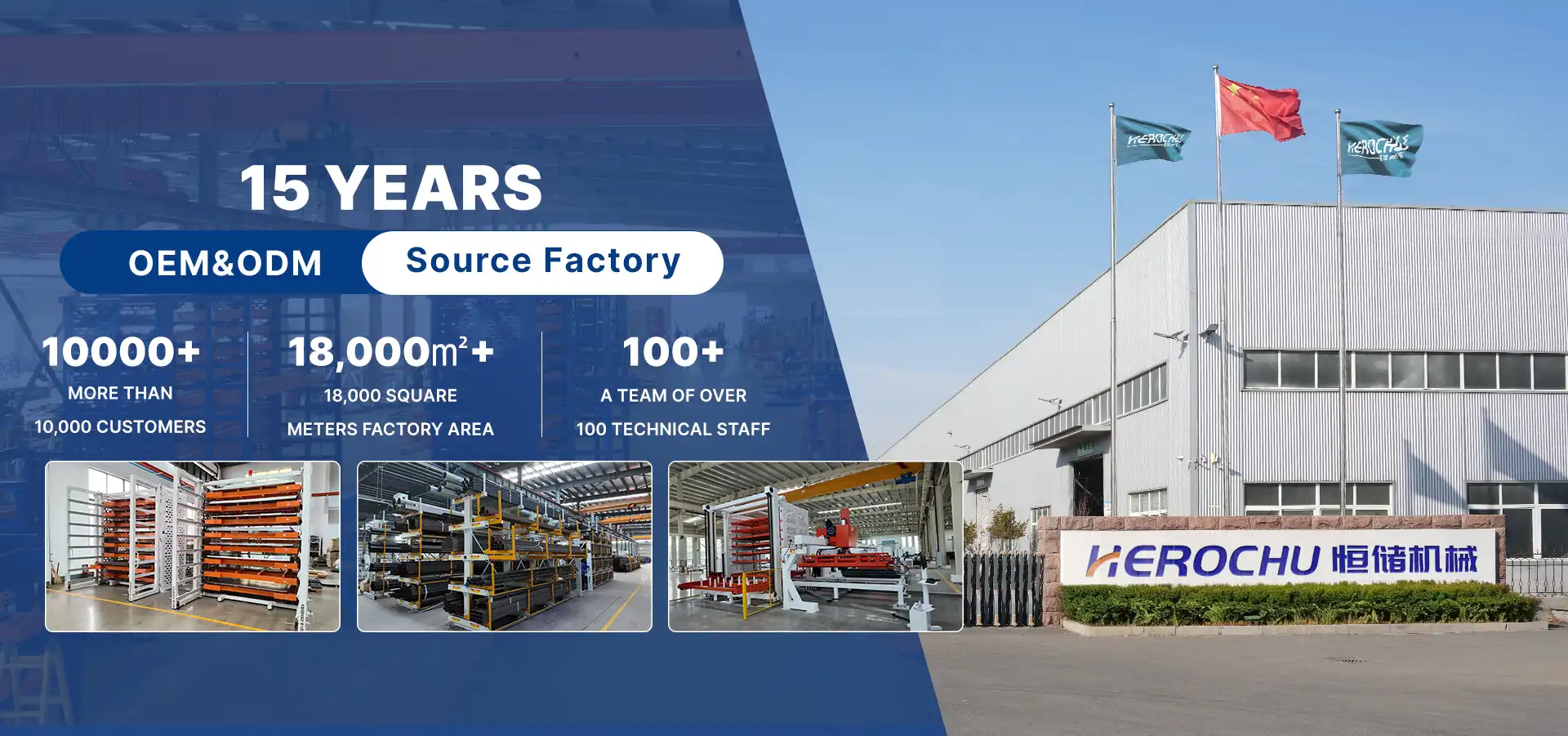
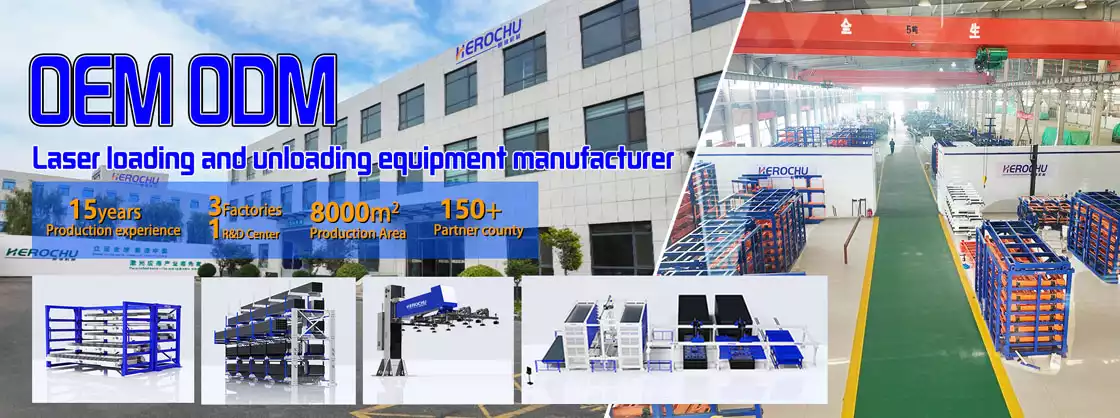
Q2: Are you a manufacturer or a distributor? We are a direct manufacturer with over 15 years of industry experience and expertise.
Q3: Is there a minimum order quantity? No. We welcome orders of any size, starting from a single unit.
Q4: How can I get detailed product information? Click the “Get a Quote” button to receive product images, detailed specifications, and videos. Our team is always ready to assist.
Q5: How do I provide my storage rack requirements? Simply share the type, dimensions, and quantity of materials you plan to store, along with any other specific needs. We will develop a professional storage solution for you. Alternatively, leave your contact details for a personalized consultation.
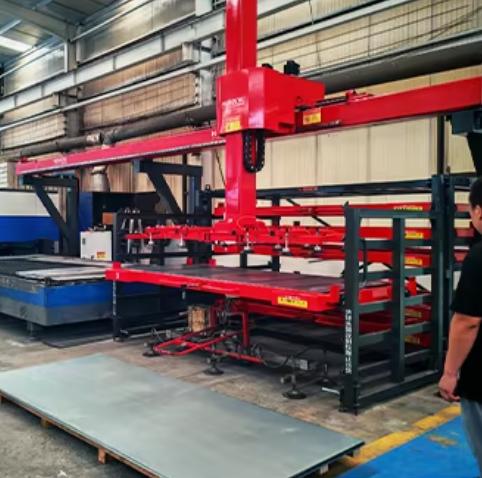
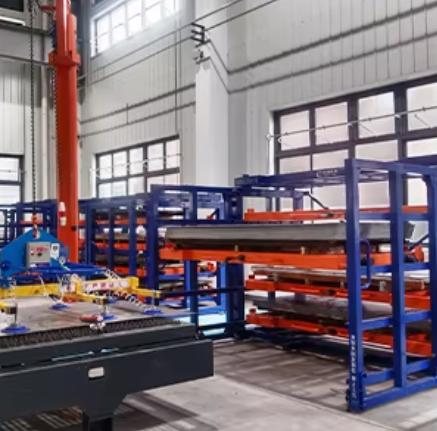
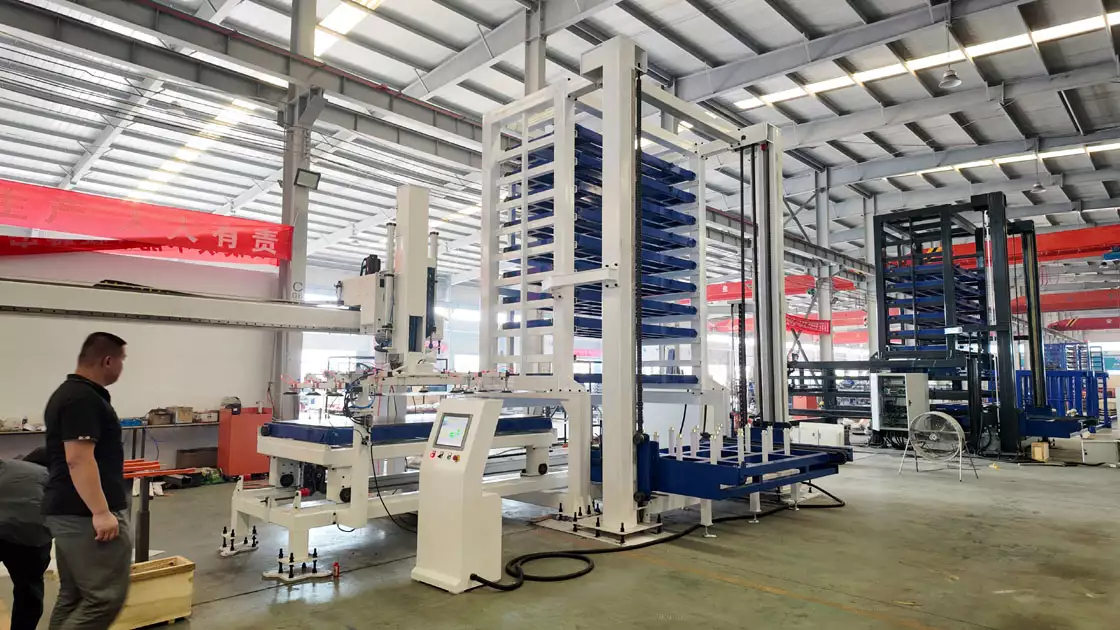
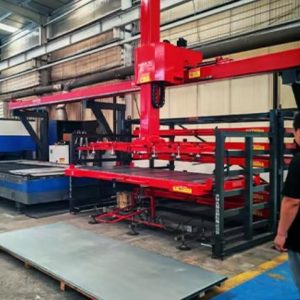
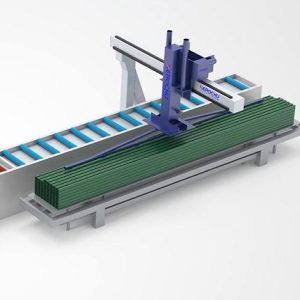
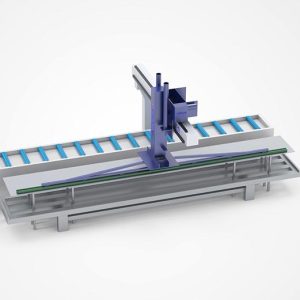
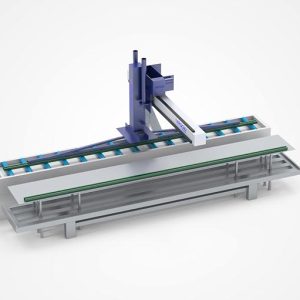
Q6: Do you offer automated loading systems or robotic arms? Yes. We provide loading robotic arms and integrated loading/unloading systems tailored to your laser cutting machine’s table size and material handling method (e.g., board rack, exchange platform, or material warehouse). Contact us with your details for a customized proposal.
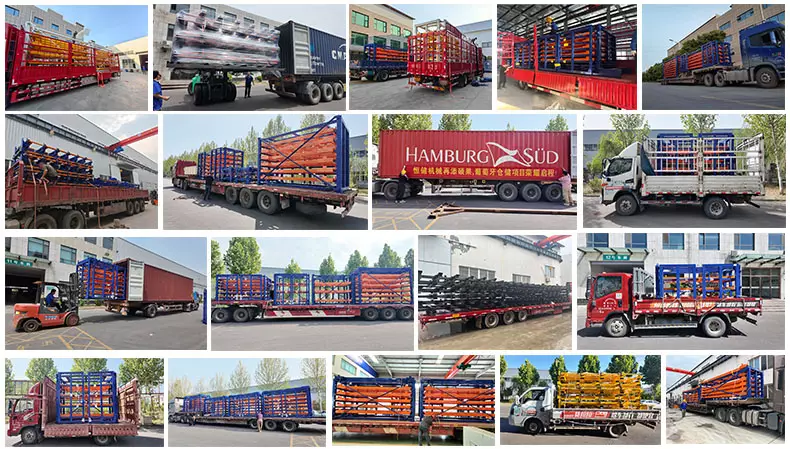
Q7: Do you provide on-site installation and debugging? Yes. Our technicians can travel to your facility for installation and debugging, ensuring successful operation. We have served clients globally, including in the USA, South Korea, Russia, Qatar, Mexico, South Africa, Egypt, and Lebanon.
Q8: How do you ensure product quality? Our quality assurance includes:
A team of over 40 technical engineers for professional debugging and support.
A dedicated quality control department compliant with ISO9001 standards.
CE certification for all exports.
Rigorous load testing before shipment to ensure structural safety and reliability.
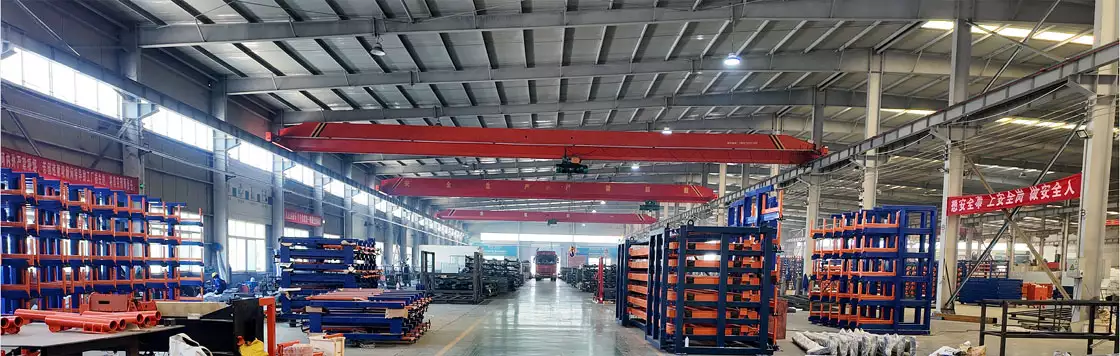
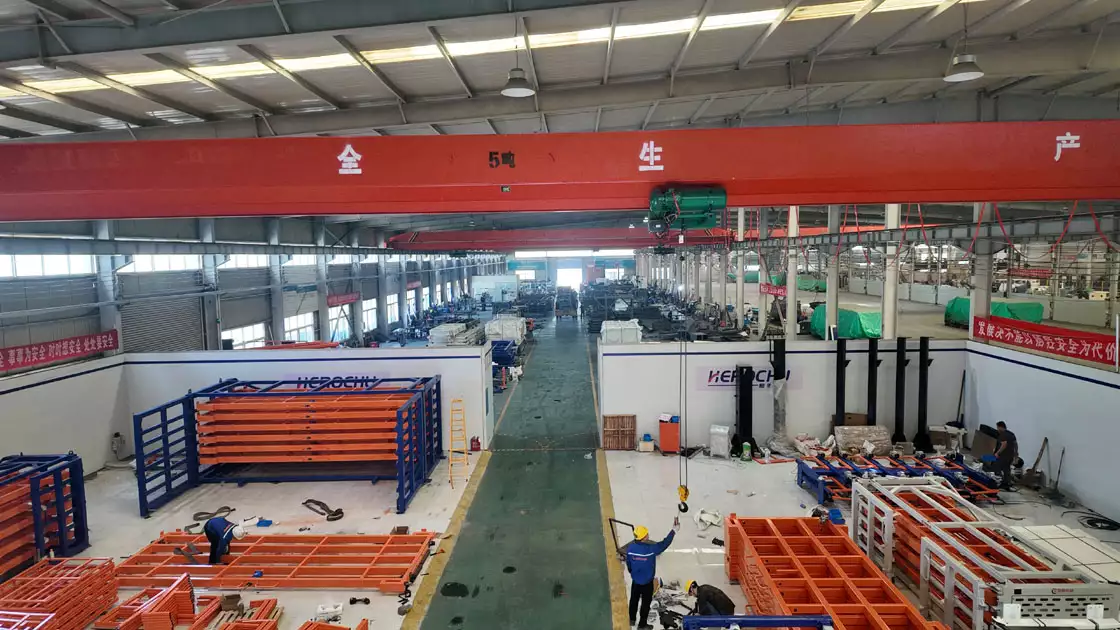
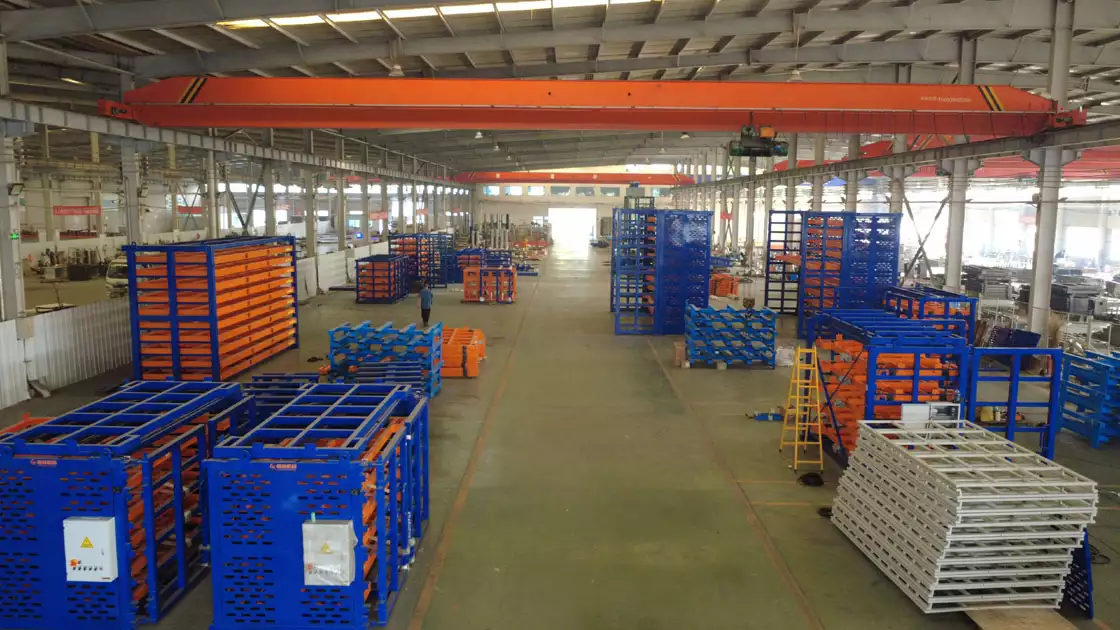
Q9: Where is your factory located? Our modern 10,000-square-meter manufacturing facility is located in Jiyang Industrial Park, Jinan, Shandong, China.
Q10: How can I evaluate your company’s capabilities? We offer virtual video factory tours and warmly welcome on-site visits.
Q11: What does your company specialize in? Jinan Constant Storage Machinery Manufacturing Co., Ltd. is a high-tech enterprise specializing in the R&D, production, sales, installation, and service of intelligent storage solutions. Our product range includes sheet material warehouses, drawer-style shelves, cantilever racks, servo manipulators, gantry loaders, and fully automated handling systems. Supported by a skilled technical team and advanced equipment, we are committed to delivering high-performance storage products and solutions to customers worldwide.
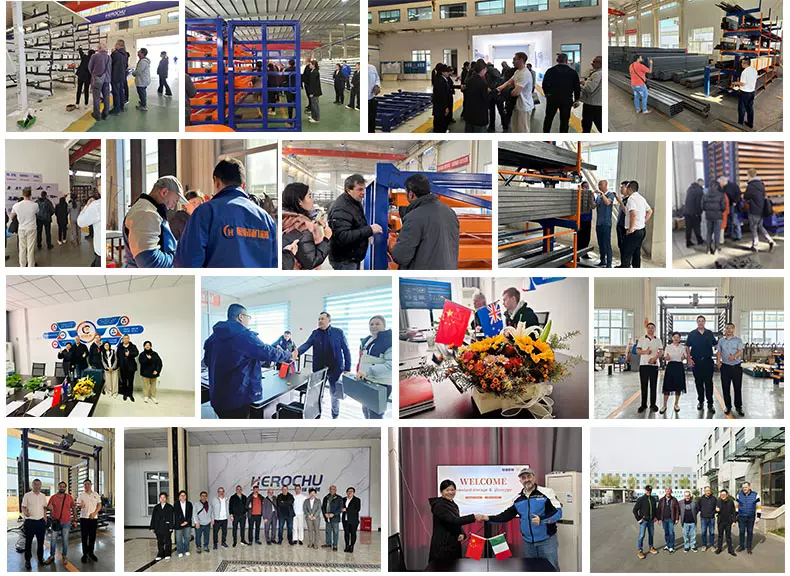
Customer visit
Herochu has always been adhering to the market-centric approach to meet customer requirements to the maximum extent, and the business philosophy of “creating brands with heart and gaining reputation with sincerity”. It provides customers with high-quality products and services with rigorous military quality, professionalism, and excellence, and has won unanimous praise in the Chinese aerospace, Chinese weapons, Chinese railways, automobile manufacturing, engineering machinery, non-ferrous metal titanium alloy and other industries.