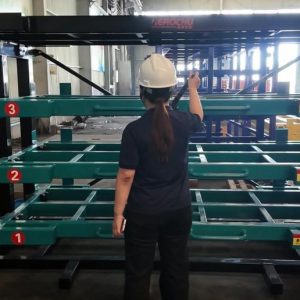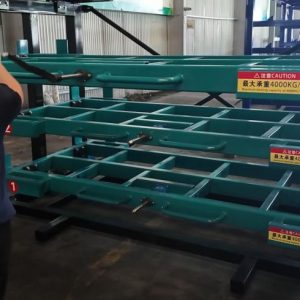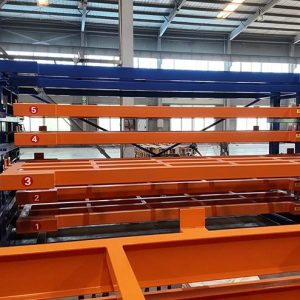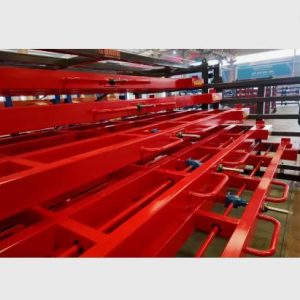
The operational cost of sheet metal storage is not measured solely by the rack purchase price. It includes the labor hours spent retrieving material, the floor space consumed by stacks and access aisles, the rework required for damaged sheets, and the safety incidents that occur when heavy material is handled manually. When these factors are totaled, the true cost of inadequate storage often exceeds the cost of a properly engineered system within the first year of operation.
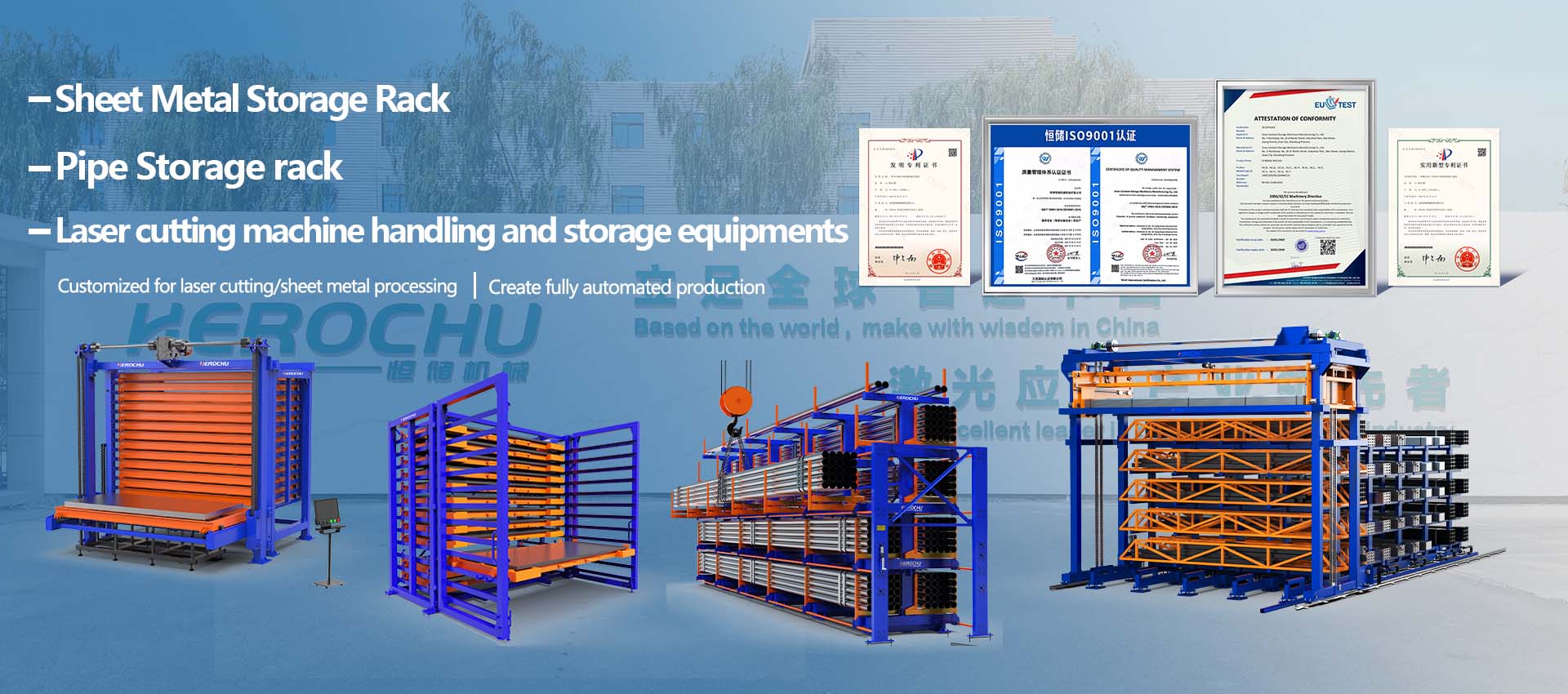
Herochu’s electric drawer rack for steel and aluminum sheet storage is designed to reduce each of these cost categories simultaneously. The motorized drawer operation cuts retrieval time and labor; the vertical configuration recovers floor space; the drawer isolation protects material integrity; and the safety systems prevent the accidents that manual handling invites.
The Labor Equation in Sheet Retrieval
In a typical fabrication shop, retrieving a specific sheet from a floor stack involves multiple steps: locating the correct pile, checking the material identification, removing obstructions, positioning the crane or forklift, sliding the sheet out while avoiding contact with adjacent material, and returning the remaining stack to a stable condition. Each step consumes time, and several require more than one person.
A time-motion study of sheet retrieval in a facility using floor storage typically records 8 to 12 minutes per retrieval when the required sheet is not at the top of the pile. For a shop performing 20 retrievals per day, this represents over three hours of labor—nearly half a shift—dedicated to material access rather than value-adding work.
Herochu’s electric drawer rack reduces retrieval to a two-step process: press the button, take the sheet. The drawer arrives at the access position in seconds, the crane lifts the sheet, and the drawer retracts. No searching, no digging, no repositioning. Field data from Herochu installations shows retrieval time reduced by up to 70 percent, with corresponding reductions in labor cost and increased operator availability for production tasks.
Space Utilization: Converting Floor Area to Productive Capacity
Every square meter occupied by sheet storage is a square meter unavailable for production equipment, work-in-process staging, or shipping. In facilities where floor space is constrained, the storage footprint directly limits throughput capacity.
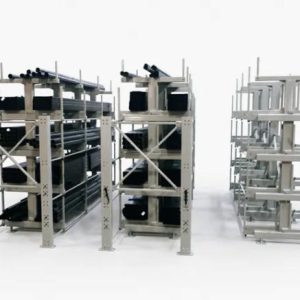
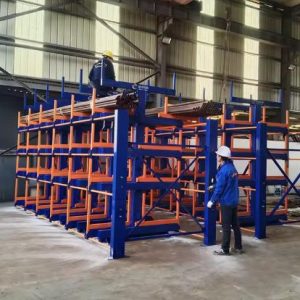
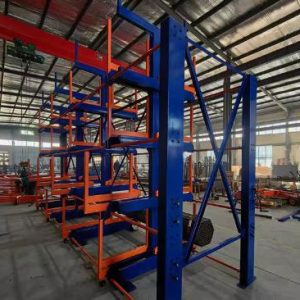
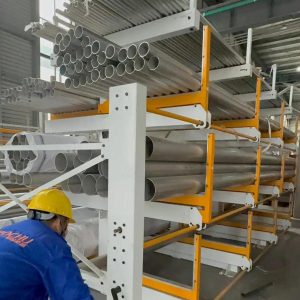
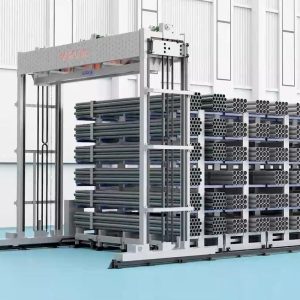
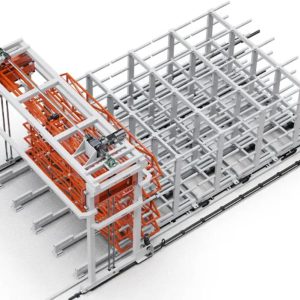
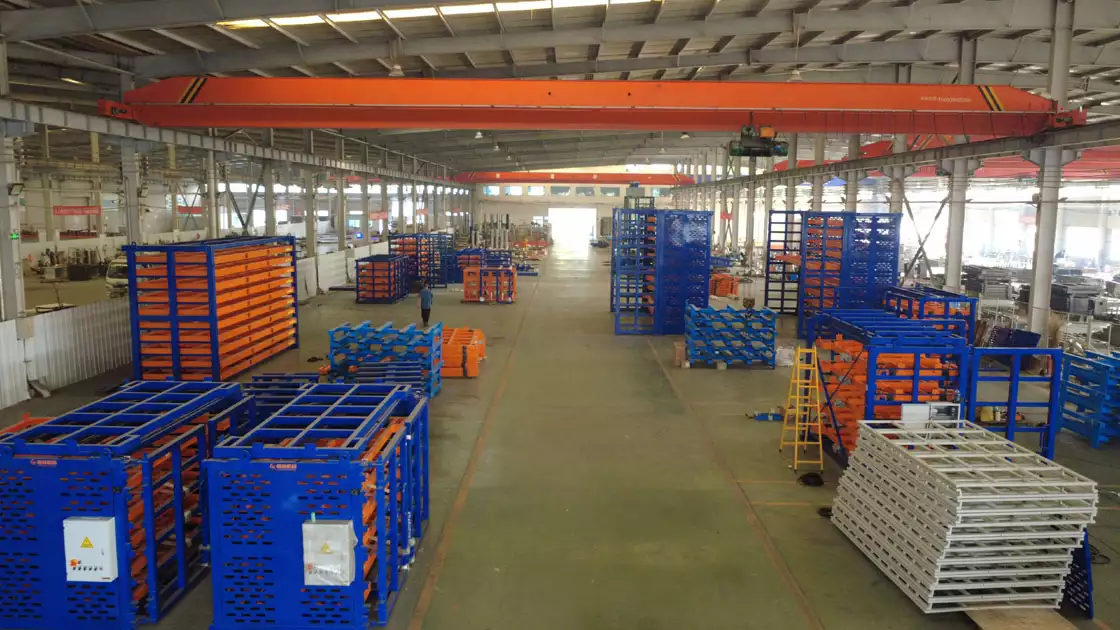
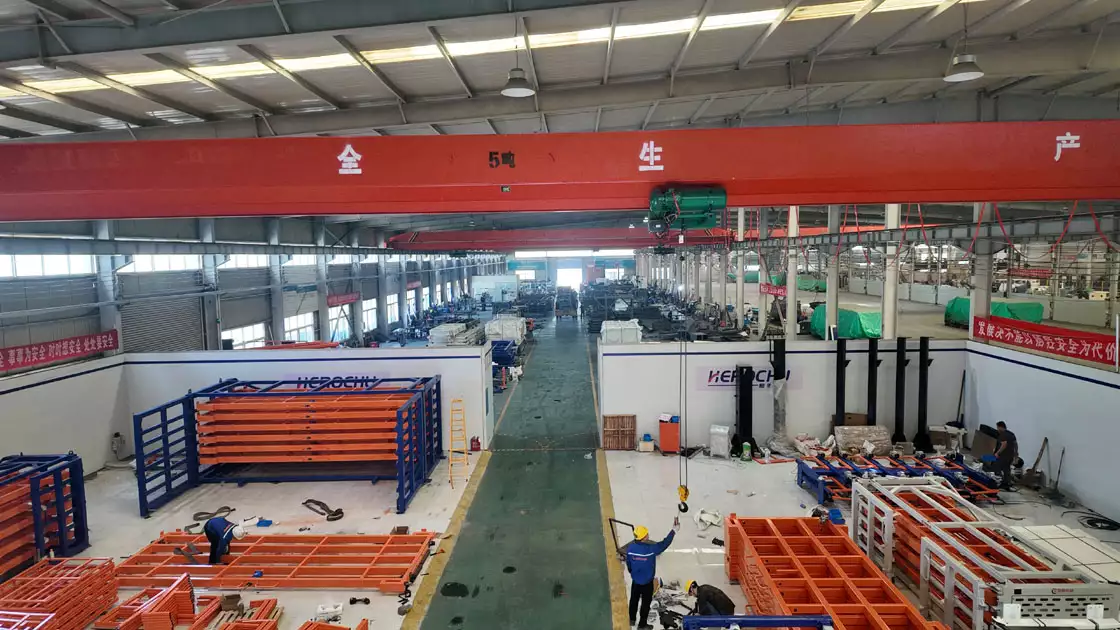
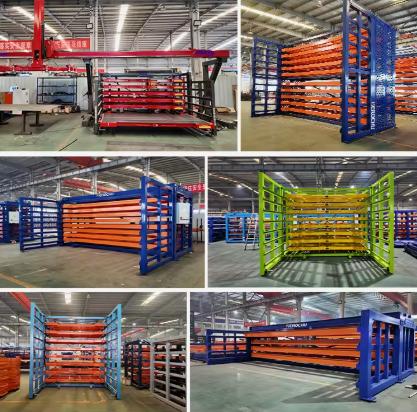
Vertical drawer storage converts the floor footprint into a smaller, higher-density configuration. A single Herochu rack with six layers stores the equivalent of six floor stacks within a fraction of the area. The aisle requirement is reduced to the drawer extension distance, eliminating the wide maneuvering lanes that forklift access to floor stacks demands.
For a facility storing 3000×1500mm sheets in multiple thicknesses and alloys, a battery of Herochu HC-B3015-63 racks can consolidate the entire inventory into a compact, organized storage zone, freeing floor area for productive use. The space recovery typically ranges from 30 to 70 percent, depending on the previous storage method and the ceiling height available for rack elevation.
Material Protection: Reducing Rework and Scrap
Scratched, dented, or deformed sheets are not always scrapped—but they often require additional processing, sorting, or downgrading that erodes margin. In surface-critical applications, damaged material may be unusable, and the cost of replacement includes not only the material itself but the production delay.
The Herochu electric drawer rack protects material through isolation. Each sheet or bundle occupies its own drawer plane, eliminating the inter-sheet friction that scratches surfaces during retrieval. The inclined plastic supports prevent sliding during drawer travel without applying damaging pressure. The full-extension design allows vertical lifting, so sheets never drag across adjacent material or the rack structure.
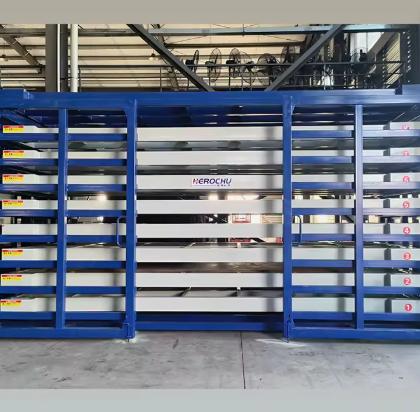
For aluminum storage, the non-contact design also prevents the galvanic corrosion that can occur when aluminum contacts bare steel in humid conditions. The powder-coated drawer surfaces provide a compatible interface that does not promote corrosion.
Safety: Preventing the Most Common Handling Injuries
Sheet metal handling is a leading cause of workplace injuries in fabrication facilities. The injuries fall into predictable categories: cuts and lacerations from sheet edges, strains and sprains from manual lifting and pulling, and crush injuries from shifting or falling material.
Herochu’s motorized drawer storage addresses the strain and crush risks directly. The motorized operation eliminates the physical effort of pulling heavy drawers, and the operator stands clear of the load during drawer travel. The drawer locking system secures the tray during loading and unloading, preventing the sudden movement that can cause a crane load to swing or a sheet to shift. The interlock logic prevents multiple drawers from extending simultaneously, maintaining the rack’s center of gravity and eliminating tip-over risk.
For the crank-out steel plate drawer rack configuration, the ergonomic crank reduces the force required to move the drawer to a level compatible with single-operator use, while the same locking and stability features apply.
Automated Drawer Sheet Metal Storage for 3000x1500mm Sheets
The 3000×1500mm sheet format is the standard input for most laser cutting, plasma cutting, and shearing operations. Herochu’s HC-B3015-63 model is configured around this dimension, with drawer width and depth matched to the sheet footprint and clear space calibrated for the thickness range common in general fabrication.
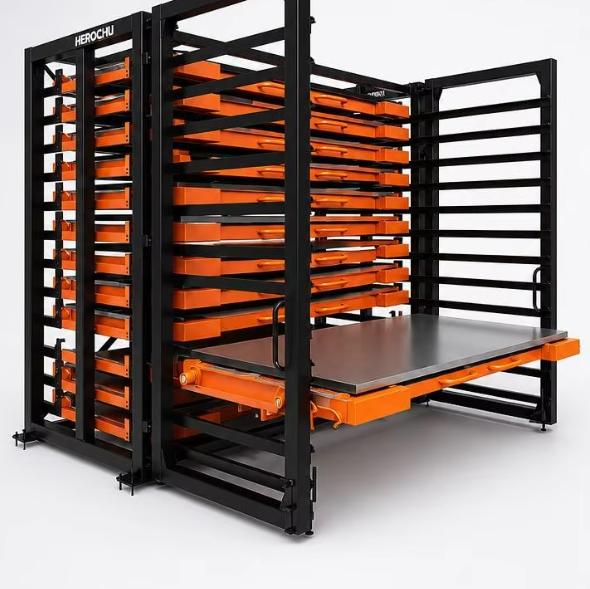
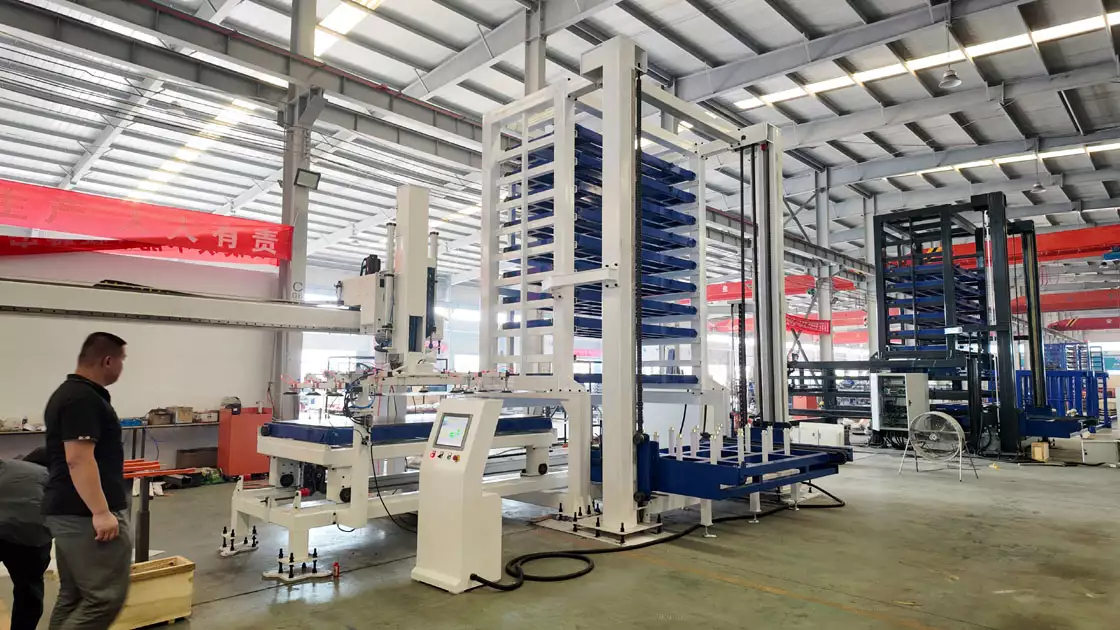
The automated drawer function—push-button or remote operation—aligns with the material flow requirements of automated cutting cells. The drawer can be integrated with gantry loaders, vacuum manipulators, or servo swing arms that retrieve sheets directly from the extended tray and transfer them to the cutting bed. This integration reduces the labor content of the cutting cycle and improves the consistency of material presentation.
For facilities running lights-out or lightly attended production, the drawer position feedback and control interface support integration with cell controllers and production scheduling systems.
Crank-Out Steel Plate Drawer Rack for 3m x 1.5m Sheet
The crank-out configuration provides the same storage density and material protection as the motorized version for applications where manual operation is preferred. The crank mechanism is engineered for ergonomic use, and the 3m x 1.5m sheet capacity aligns with the HC-B3015 series dimensions.
Facilities may choose the crank-out option for lower retrieval frequencies, for locations where electrical service is not readily available, or for operations that prefer to minimize the complexity of maintenance. The structural frame, drawer supports, and safety features are identical to the motorized models, so the storage quality is not compromised by the manual operation mode.
Conclusion
The Herochu electric drawer rack for steel and aluminum sheet storage delivers measurable returns across labor, space, material, and safety. The motorized drawer operation reduces retrieval time and physical demand; the vertical configuration recovers floor space; the drawer isolation protects material from damage; and the safety systems prevent the injuries that manual handling produces. Whether configured with motorized drawer storage or the crank-out steel plate option, the system provides a foundation for efficient, organized, and safe sheet metal management.