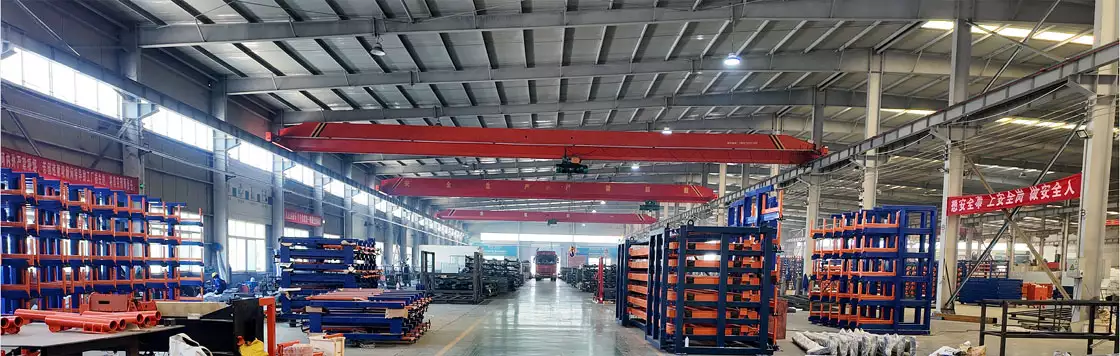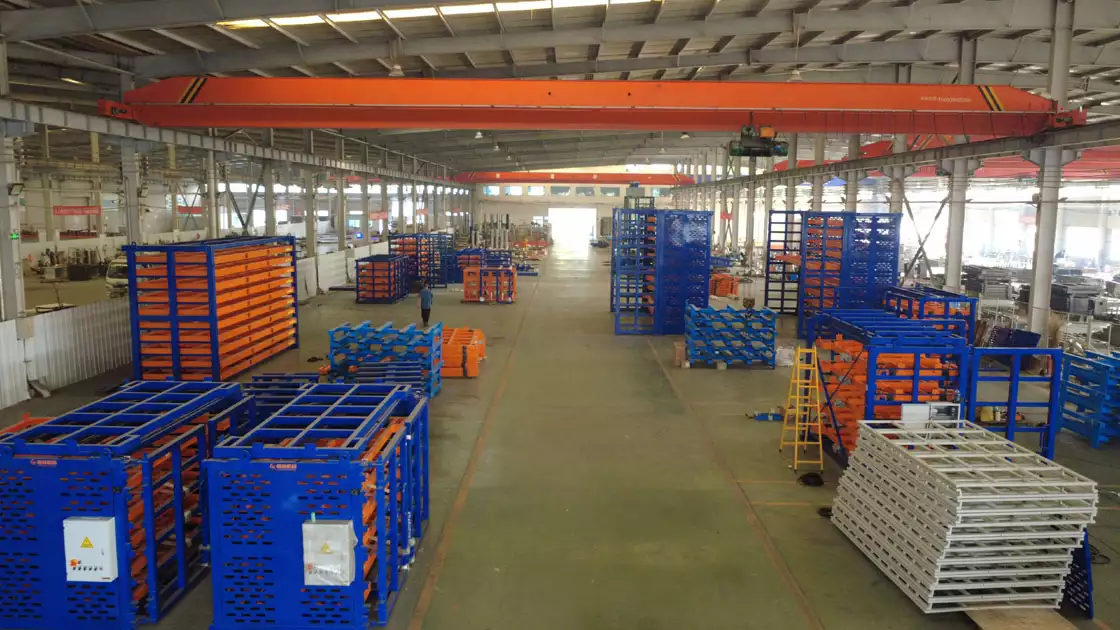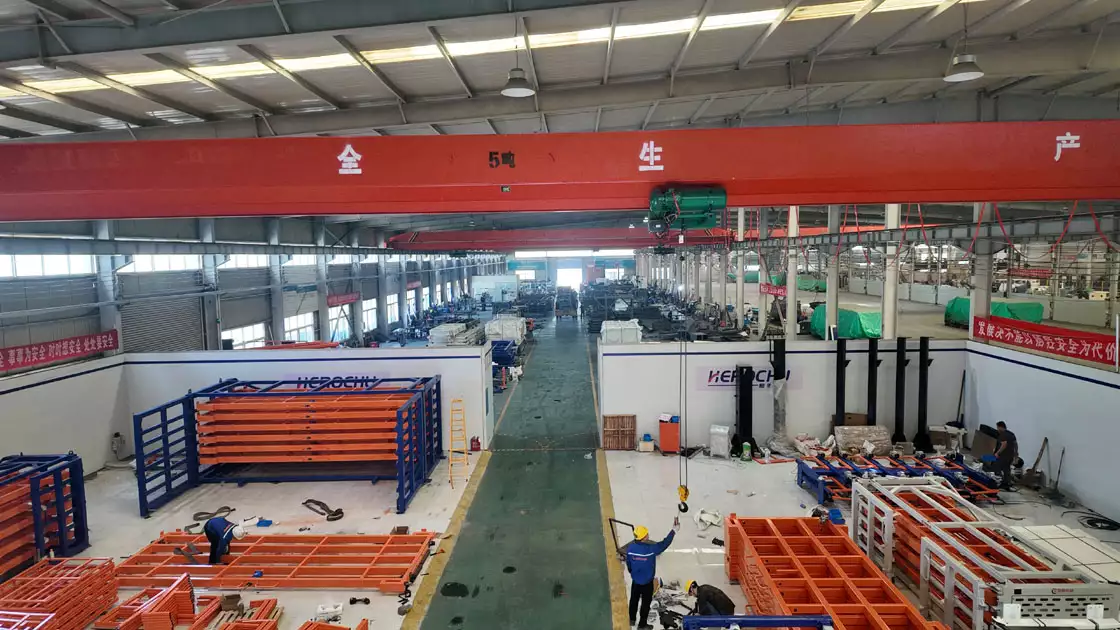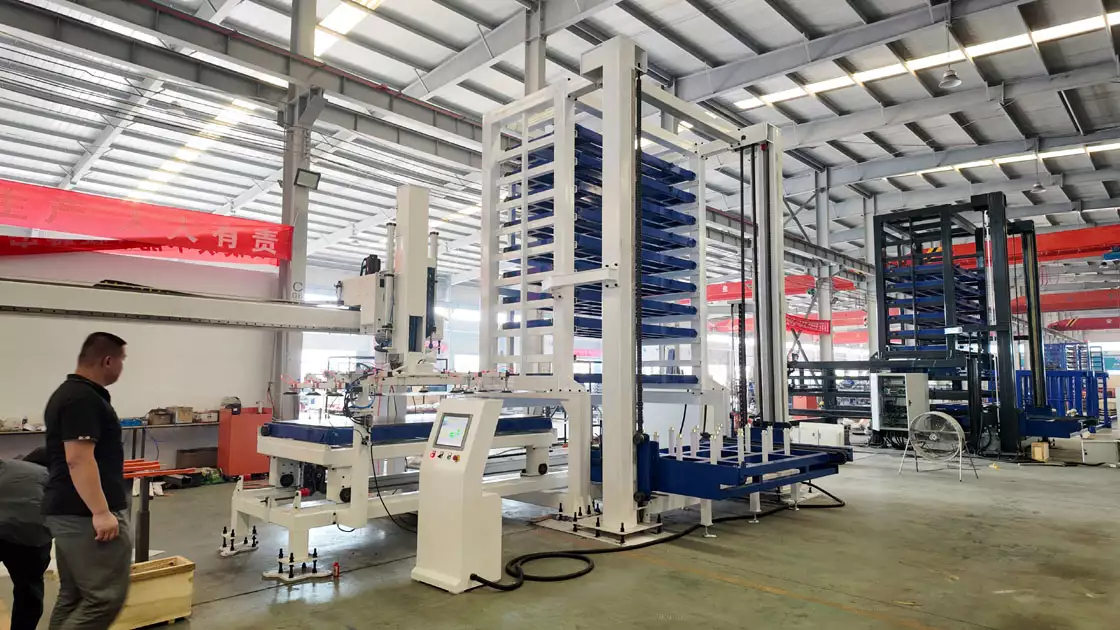
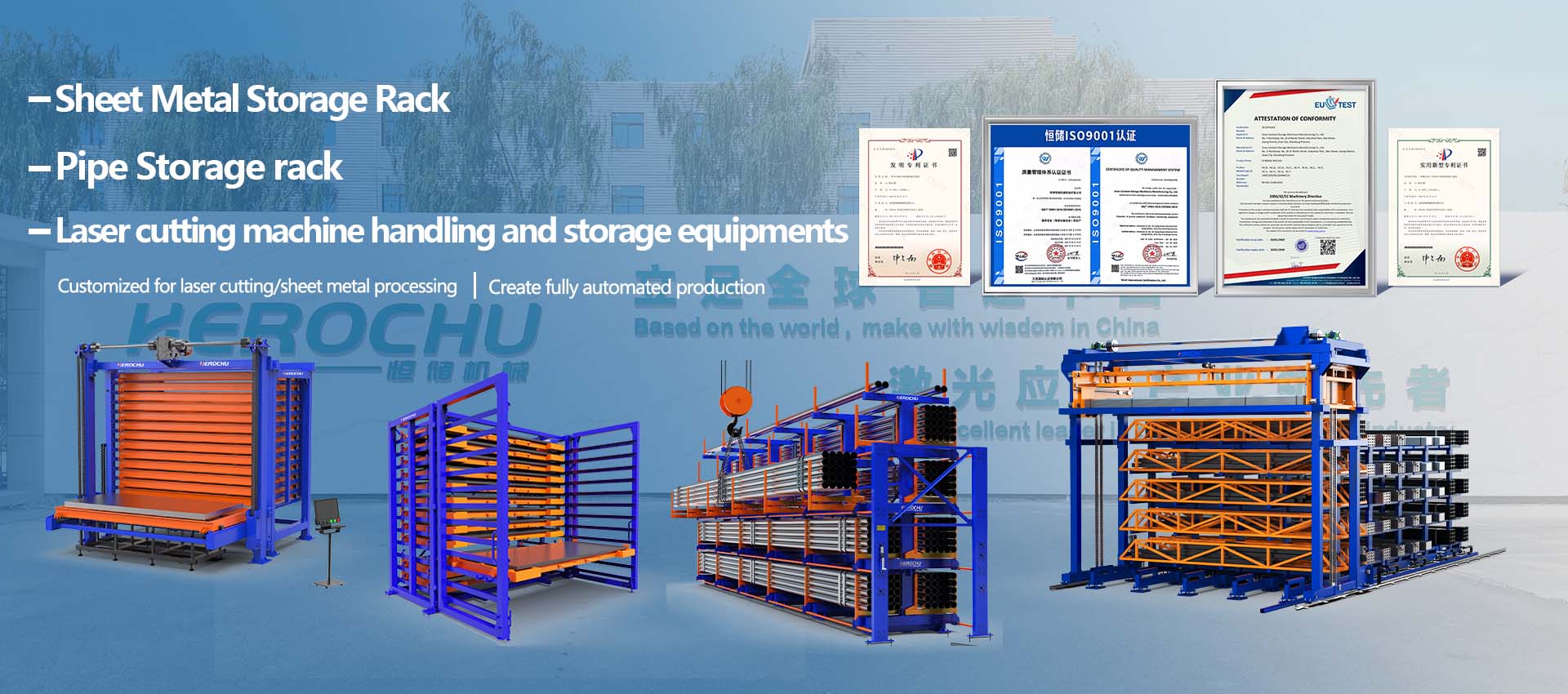
Every fabrication shop has a remnant problem. The cut pieces that are too large to scrap and too irregular to stack. The partial sheets that accumulate beside the laser. The semi-finished blanks that get set aside “for later” and then buried under other material. Herochu’s vertical roll out sheet metal rack exists specifically for this material class: the odds and ends that traditional storage systems handle poorly or not at all.
The conventional solution for remnants is floor space. Offcuts lean against walls, stack on pallets, or occupy the corners of the shop until someone decides they are no longer worth keeping. This approach treats remnants as a nuisance rather than an asset. The material has value; it just lacks a storage system that makes that value accessible. Herochu provides that system.
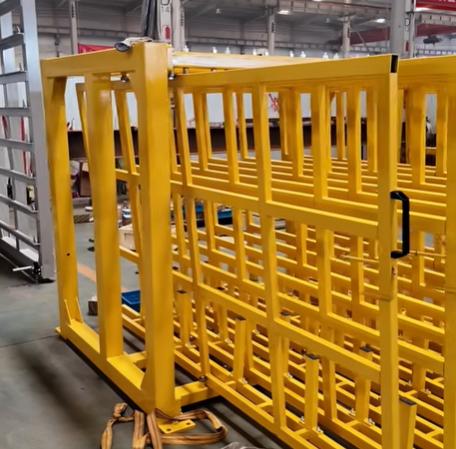
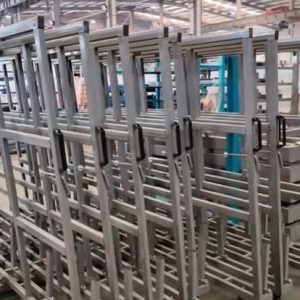
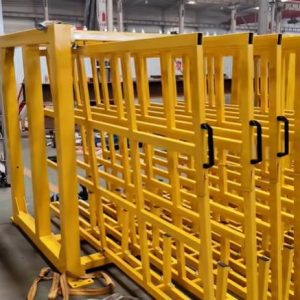
Drawer-based organization is the core mechanism. Each tier is an independent pull-out drawer that stores sheets vertically. The drawer surface is flat, supported along its length, and fitted with non-skid strips that keep the material in place during movement. The operator pulls the drawer, selects the needed remnant, and pushes it closed. The drawer returns to its position, and the next tier remains undisturbed.
This independence is what makes the system practical for remnant storage. Remnants come in irregular sizes, and a storage system that requires orderly stacking or sequential access will not work for them. The drawer accommodates irregular material naturally. The remnant sits on the drawer surface; the drawer slides into its tier; the remnant is stored. There is no requirement for the material to conform to a standard format.
Multi-tier storage creates a sorting framework that shops can adapt to their specific remnant categories. One tier for stainless offcuts. Another for aluminum. Another for the carbon steel pieces that are too small for the rack but too large for the scrap bin. The physical organization reduces the search time that makes remnant reuse impractical in shops without a designated system.
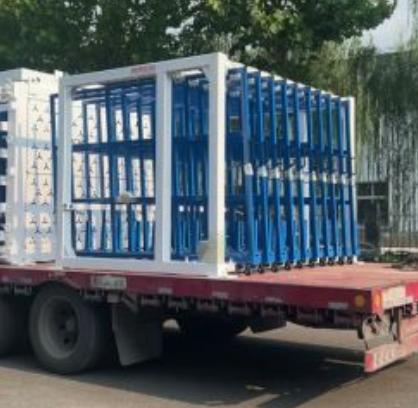
The sorting framework also makes remnant inventory visible. When remnants have designated locations, the shop can see how much material is actually available for reuse. That visibility changes purchasing decisions. A shop that can see its remnant stock is a shop that orders less new material, because the remnants become a known quantity rather than a vague hope that something suitable might be found.
Load capacity is specified to match the material being stored. Standard Herochu configurations carry up to 1000 kg per tier. For remnant storage, this capacity is rarely the limiting factor; remnants are typically lighter than full sheets. But the capacity matters for shops that store partial sheets or stacked blanks that approach the weight of full sheets. The rack supports the load without strain, and the drawer moves smoothly regardless of what it carries.
The mechanical-assistance discharge system is calibrated to the load. Light remnants move with minimal effort. Heavier partial sheets benefit from the assistance mechanism that reduces the pull force required. The operator experience is consistent: the drawer opens, the material is accessible, the drawer closes. The variation in material weight does not translate into variation in operator effort.
Space efficiency for remnant storage has a specific dimension. Remnants are small, numerous, and irregular. Horizontal storage for remnants means spreading them across floor area in a way that consumes space disproportionate to their value. Vertical storage compresses that footprint. A rack holding dozens of remnant pieces occupies the floor area of a single pallet.
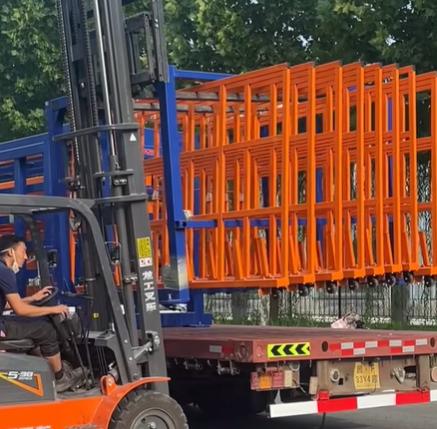
For shops where floor space is the binding constraint, this compression is the difference between keeping remnants and scrapping them. A shop that scraps remnants because it has nowhere to put them is discarding material value. A shop that stores them in a compact vertical rack preserves that value for the jobs that can use it.
Safety is a particular concern with remnant storage because remnants are unpredictable. They are irregular shapes, uneven weights, and awkward dimensions. A storage system that does not account for this variability creates risk. Herochu’s drawers contain the remnant within a defined space. The non-skid surface prevents movement. The auto-latch holds the drawer open during retrieval. The operator interacts with a controlled system rather than a precarious pile.
The drawer mechanism also reduces the handling damage that degrades remnant value. Remnants moved manually from pile to pile accumulate scratches, dents, and bent edges. Each handling operation reduces the usable area. Herochu’s system minimizes handling because the remnant stays on the drawer. It is placed once and retrieved when needed. The material condition remains stable across its storage life.
Customization is available for shops with specific remnant profiles. Drawer dimensions, tier counts, and load ratings are specified to the material the shop actually handles. A shop with long, narrow remnants receives drawers sized to those dimensions. A shop with larger partial sheets receives wider drawers. The rack fits the remnants rather than forcing the remnants to fit a standard drawer.
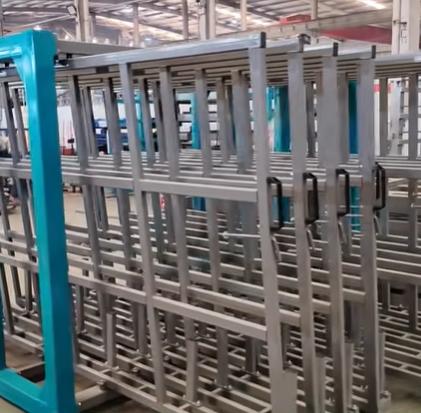
The clear space between tiers is another adjustable parameter. Shops storing thin remnants need minimal clearance. Shops storing stacked pieces or thicker sections need greater opening height. Herochu builds the rack to the material profile, so the vertical space is used efficiently rather than filled with empty gaps.
Integration with cutting operations positions the rack where remnants are generated. Beside the laser, beside the shear, beside the punch press. The offcut goes directly from the machine to the drawer. The next job that needs that material pulls it from the same location. The remnant never enters the general shop floor where it would be lost or damaged. The loop between production and reuse is short and direct.
For shops pursuing material utilization as a cost strategy, this integration is essential. Remnant reuse sounds attractive in theory, but in practice it requires a system that makes reuse easier than purchasing new material. Herochu’s rack provides that system. The remnant is stored where it is generated, organized so it can be found, and retrieved with the same effort as new stock.
Herochu manufactures vertical roll out racks for shops that treat remnants as inventory rather than waste. Every rack is built to the customer’s material profile, delivered as modular components for straightforward assembly, and supported with the technical guidance that ensures the system functions as specified. The remnants stay in productive circulation, and the material value stays on the books.