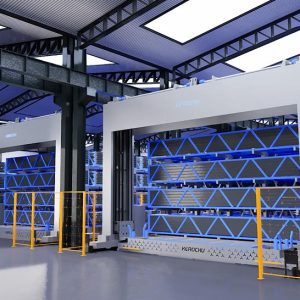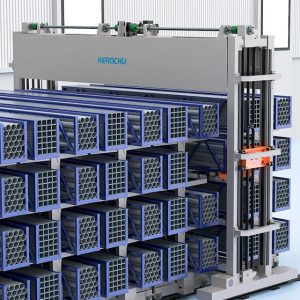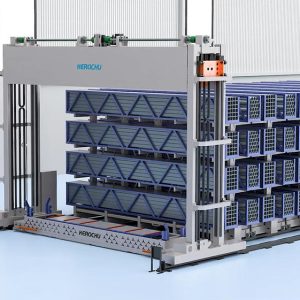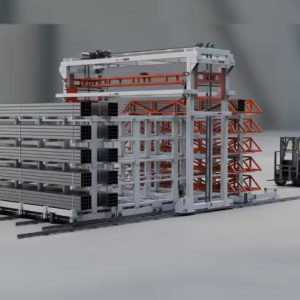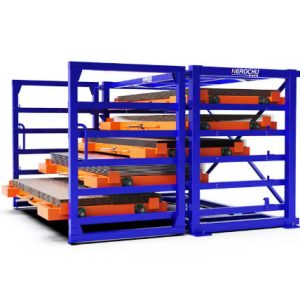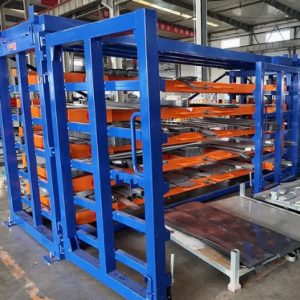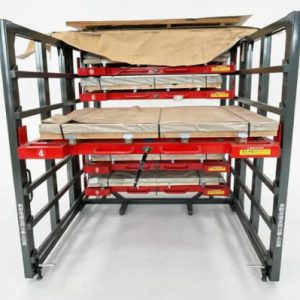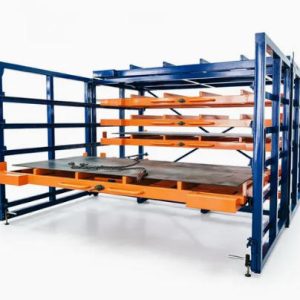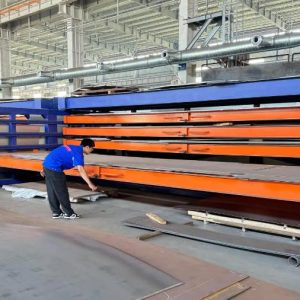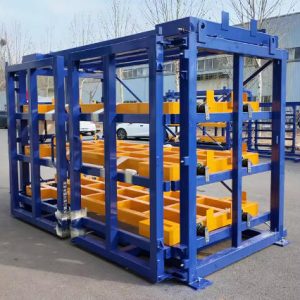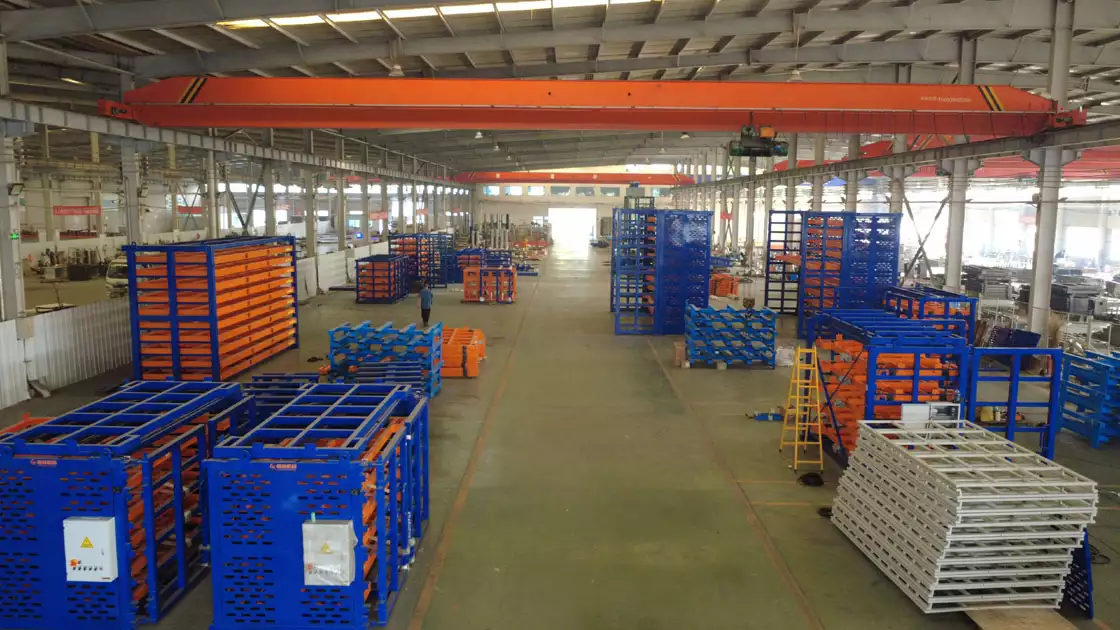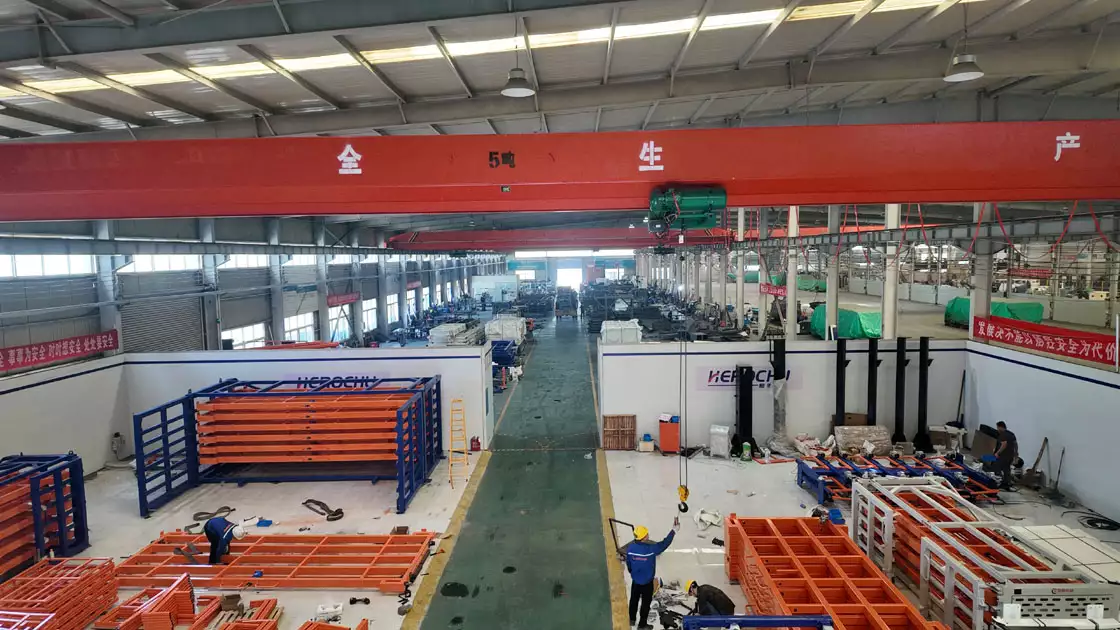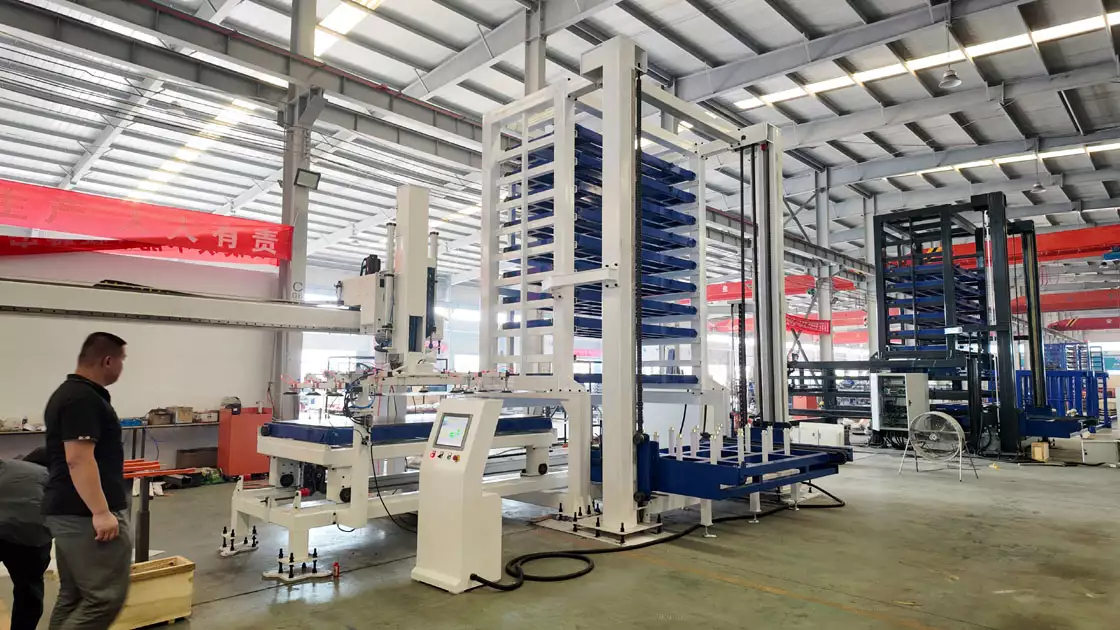
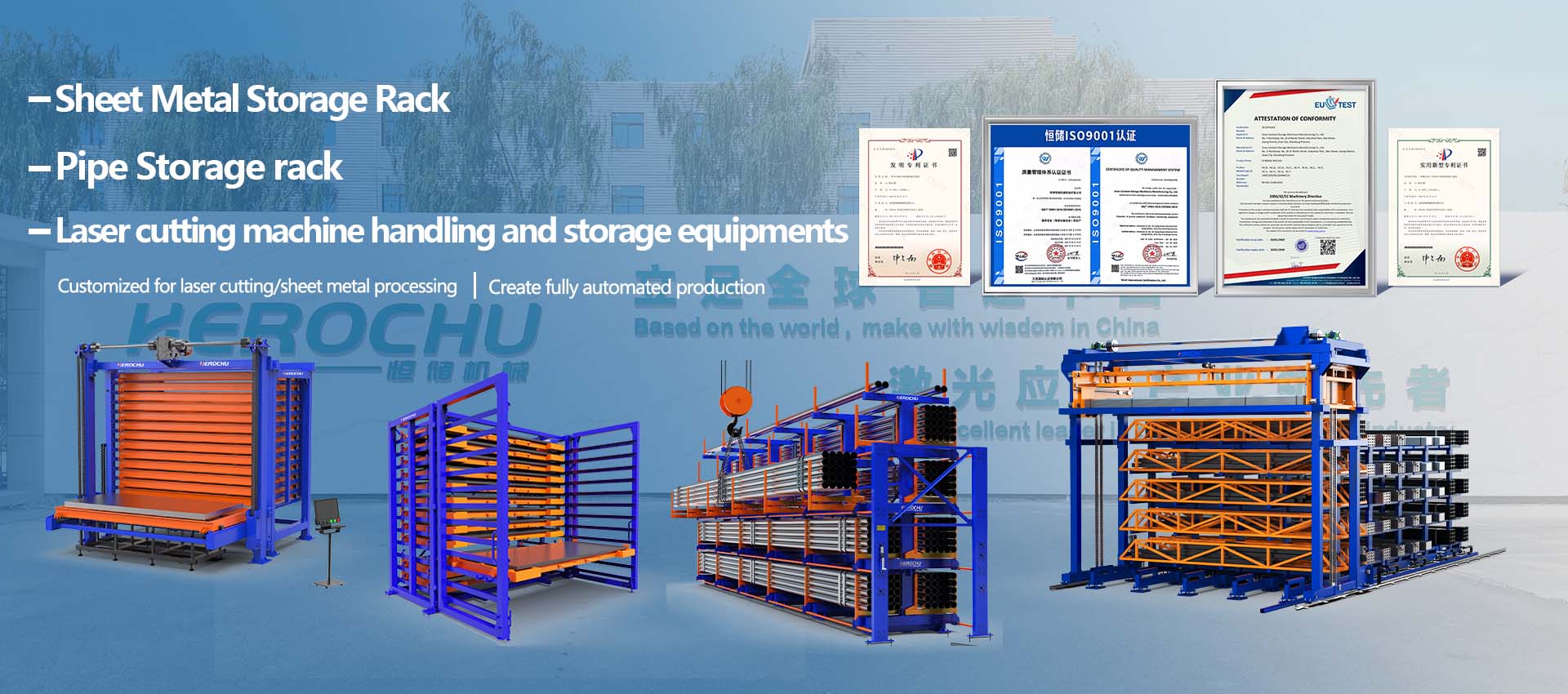
The evolution of warehousing has moved beyond static shelving. In the sector of long goods storage, the ” Automated Adjustable Steel Pipes Racks” concept is redefining how facilities handle the variability of industrial materials. The Herochu system exemplifies this shift, moving away from fixed, welded cantilever arms toward a dynamic, software-driven storage environment.
The Challenge of Geometric Incompatibility
One of the most persistent headaches in profile storage is geometric incompatibility. A warehouse rarely stores just one type of item. It might hold round tubes, square hollow sections, I-beams, and flat bars simultaneously.
- Round tubes tend to roll and require V-shaped support.
- Flat bars require broad, flat support to prevent bowing.
- Bundles of small profiles act as a single wide object and need comb-style supports.
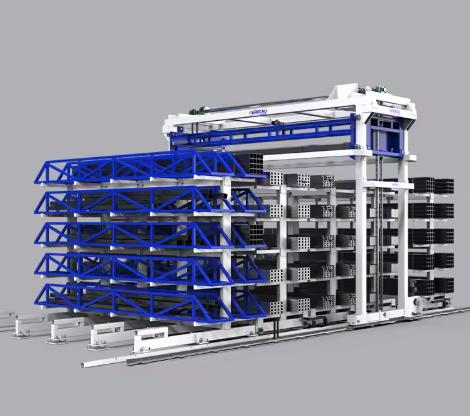
Traditional racks force the warehouse manager to dedicate specific bays to specific shapes, leading to wasted space when inventory mixes change. The Herochu system addresses this through an optional selection of profile supports. The system allows for different support configurations on different levels within the same unit. Level 1 might be equipped with V-supports for round pipes, while Level 2 utilizes flat decking for sheet metal or plates. This adjustability ensures that the “rack” adapts to the inventory, rather than forcing the inventory to fit the rack.
Intelligent Loading and Weight Distribution
Adjustability is not just physical; it is algorithmic. The Herochu system employs an intelligent loading algorithm that transforms the racking system into a “smart” entity. When a load—say, a 4-tonne bundle of rebar—arrives at the inlet station, the system does not simply place it in the first available spot.
Integrated strain gauge sensors within the gantry gripper weigh the load immediately. The Warehouse Control System (WCS) then analyzes the weight against the structural map of the rack.
- Heavy Loads: Automatically assigned to lower levels to maintain a low center of gravity and ensure structural stability.
- Lighter Loads: Directed to upper levels.
This dynamic assignment happens automatically. It removes the cognitive load from the forklift operator and eliminates the risk of overloading a specific beam. It also optimizes energy consumption; the system minimizes the lifting of heavy loads to high elevations, reducing the wear on the chain drive motors.
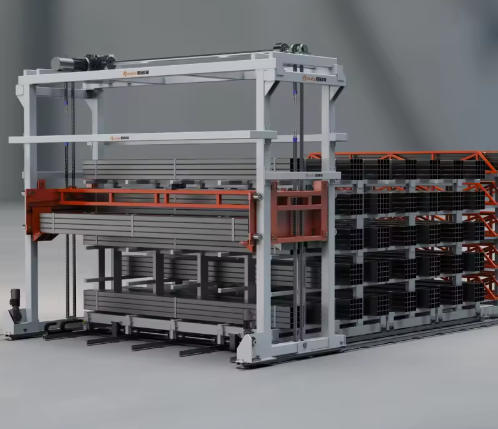
The Mechanics of Adjustment
The physical adjustability of the Herochu system is supported by its robust construction. The material frames and guide rails are engineered to withstand the rigors of daily industrial use. The chain drive transmission ensures that the vertical movement of the storage carriages is synchronized and reliable.
Because the system uses a gantry that travels on linear guide rails embedded in the floor, the “aisle” is effectively dynamic. The gantry services the entire width of the structure (up to 25 meters span). This means that every single storage position is immediately accessible. There is no need to move “Block A” to get to “Block B,” a common issue with static adjustable racks. The automation brings the required level to the operator, or conversely, places the material exactly where the algorithm dictates.
Conclusion
By integrating physical adjustability with digital intelligence, Herochu has created a system that grows with the business. Whether the requirement shifts from storing heavy steel pipes to lighter aluminum extrusions, the Automated Adjustable Steel Pipes Racks by Herochu provide the flexibility to adapt without costly infrastructure changes.