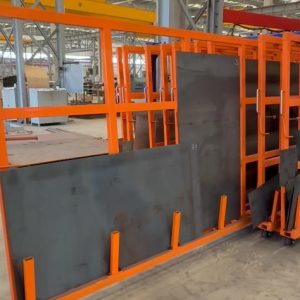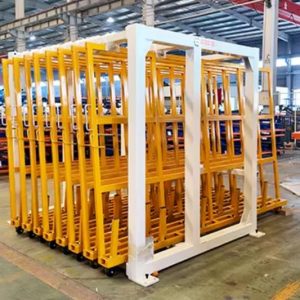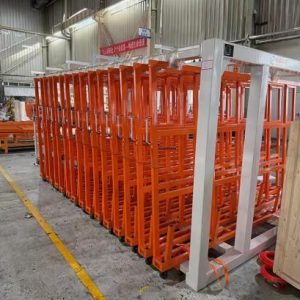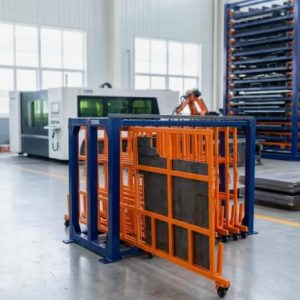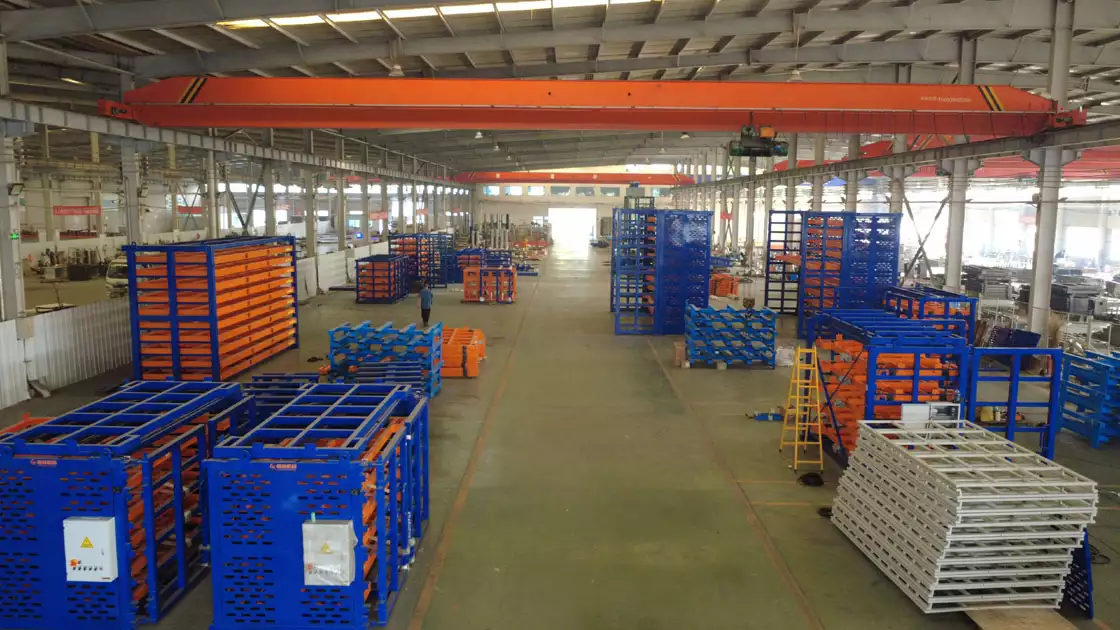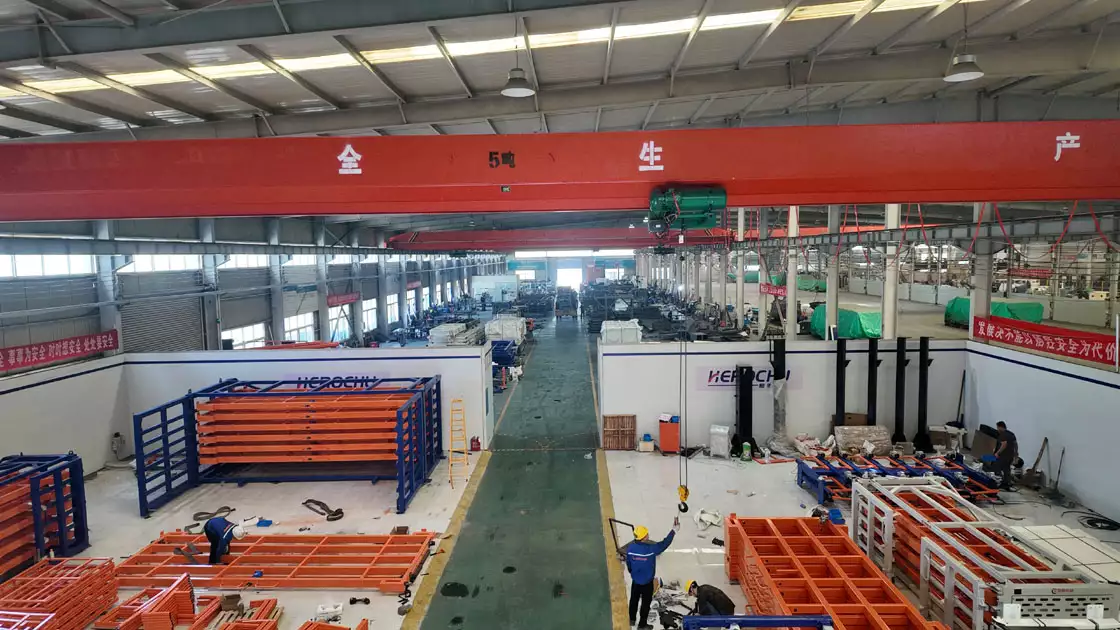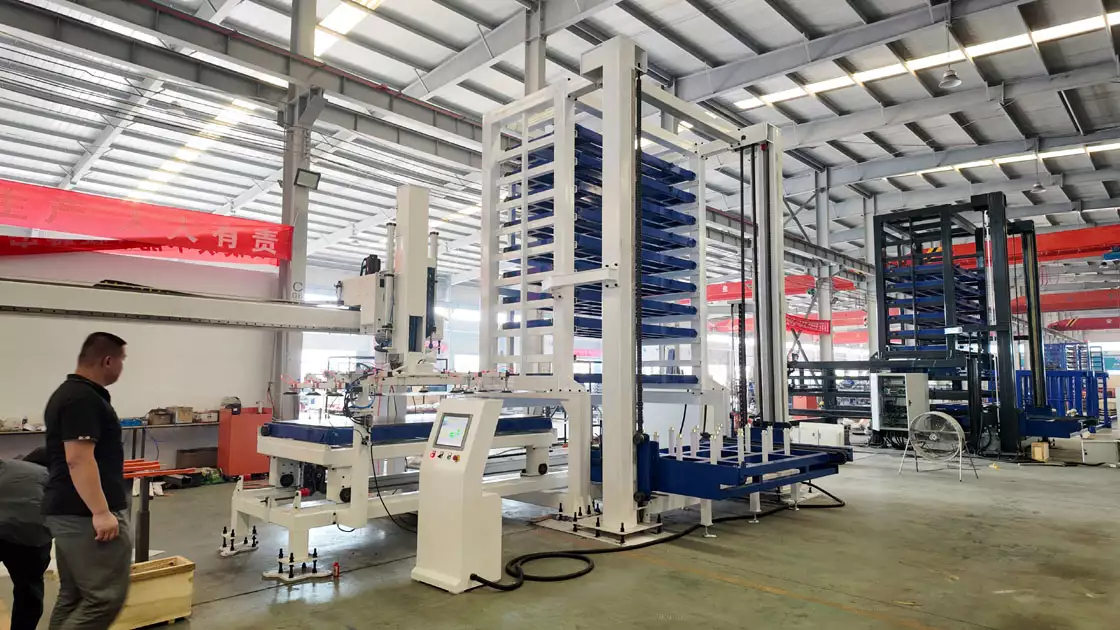
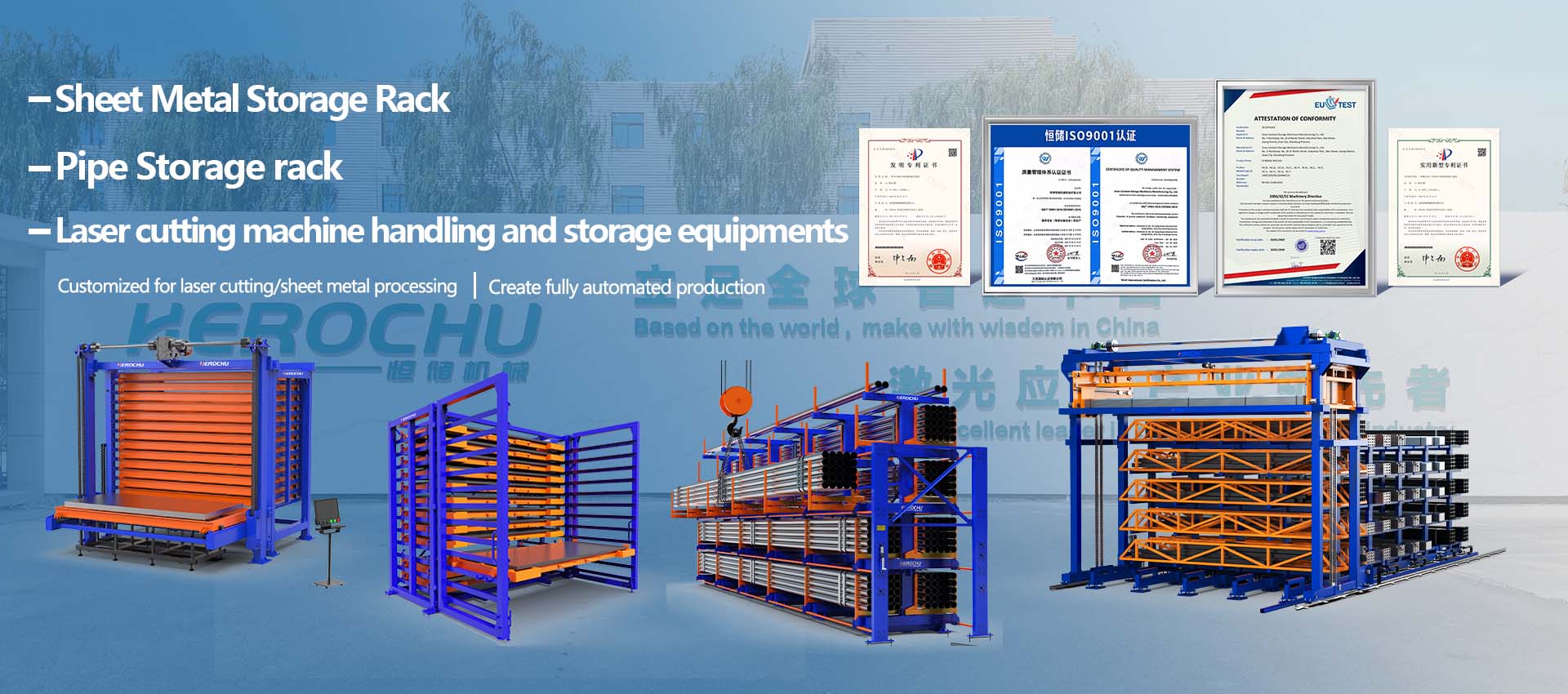
When a warehouse organizes sheet metal the way a library organizes books — each item in its own designated location, retrievable without disturbing anything else — retrieval time drops, damage rates plummet, and the same floor area holds far more inventory. That is the operating principle behind the Herochu motorized telescopic drawer system, a category of industrial storage equipment built specifically for facilities handling mixed-gauge plate, sheet, and panel stock in high daily throughput environments.
The Problem with Conventional Sheet Metal Storage
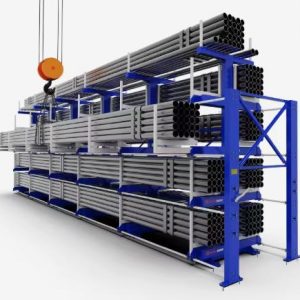
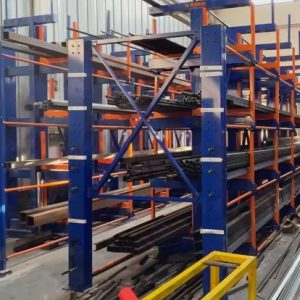
Walk through a typical fabrication warehouse and the storage patterns fall into a few familiar categories. Flat-stacked sheets in marked bays consume floor space at roughly one square meter per four to five sheets when accounting for aisle clearance. Cantilever racking improves density somewhat but demands wide forklift aisles and exposes material edges to accidental impact damage. Manual vertical drawer cabinets preserve floor area effectively but introduce a physical cranking bottleneck — when a press brake operator needs three different sheet gauges in the next fifteen minutes, the time spent turning crank handles multiplies across every retrieval.
Herochu motorized telescopic drawer systems replace the crank with a servo-controlled electric drive and the manual selection process with a remote-controlled indexing function. The operator stands at the control point, calls the desired drawer, and lets the machine do the work of presenting the material at the access plane.
Drive System Architecture
The drive train deserves attention because it is the component most shops will cycle thousands of times over the equipment’s service life. Herochu employs a rack-and-pinion linear drive — a gear motor driving a pinion gear that engages a hardened steel rack running the length of each drawer rail. This is the same transmission principle used in CNC machine axis drives, chosen here for its combination of positional accuracy and resistance to backlash under reversing loads.
Each drawer rides on sealed industrial roller bearings rated for the full dynamic load of the drawer plus its rated sheet metal capacity. The bearings are packed with high-temperature lithium grease at the factory and shielded against dust ingress — a practical consideration for workshops where grinding dust, plasma dross, and mill scale particles circulate in the air.
The motor controller includes current sensing that monitors drive torque in real time. If a drawer encounters an obstruction during extension, the controller cuts power before the motor can damage the rack or the load. This is not a software-only safety feature; it is implemented through a combination of hardware current limiters and firmware over-current thresholds, meeting the redundant protection requirements of the Machinery Directive.
Storage Density in Real Numbers
Consider a facility storing 6000-millimeter by 1500-millimeter steel plates across multiple thicknesses. Flat-stacked on the floor with forklift access aisles, 60 plates of 10-millimeter steel occupy roughly 72 square meters of floor area — and extracting a plate from the bottom of a stack means moving everything above it first.
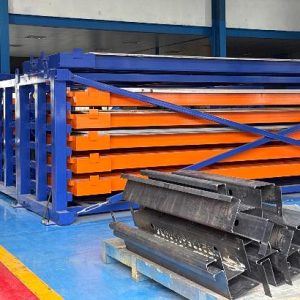
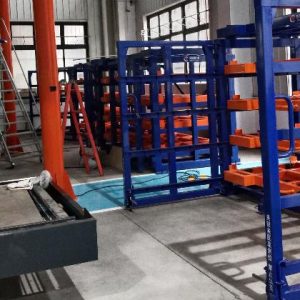
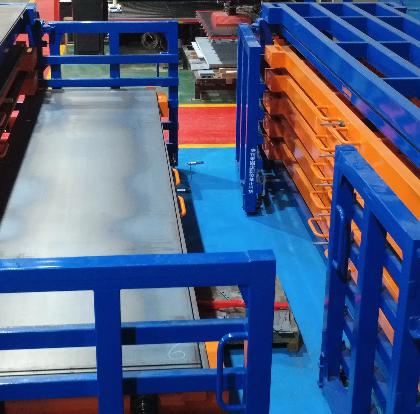
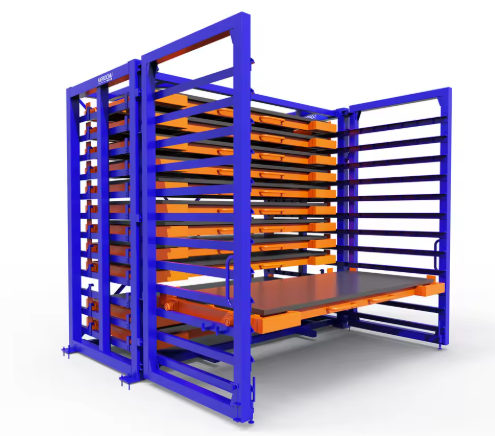
A six-drawer Herochu HC-B6015E-65 unit stores the same 60 plates in a footprint of approximately 15 square meters including operator clearance. Each drawer holds plates of one specific thickness, so retrieving a 10-millimeter plate never requires touching 6-millimeter or 12-millimeter stock. The floor area reduction is roughly 79 percent, and the retrieval time drops from a multi-step crane operation to a single remote-control command followed by a standard lift.
For facilities running the largest plate sizes — 12,000 millimeters by 2,500 millimeters — the HC-B12025E-520 model provides five drawers rated at 20,000 kilograms each. At 100 tons total storage capacity in a single unit, the space economics become even more pronounced.
Material Protection and Inventory Integrity
Sheet metal damage during storage and retrieval is not just a cosmetic problem. Gouges, edge dents, and surface scratches on pre-finished or polished stock can render material unusable for exposed architectural or decorative applications. Even for structural-grade plate, bent corners and deformed edges complicate automated plasma or laser cutting by throwing off sheet registration on the cutting table.
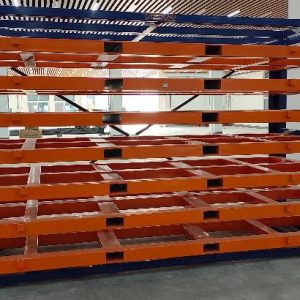
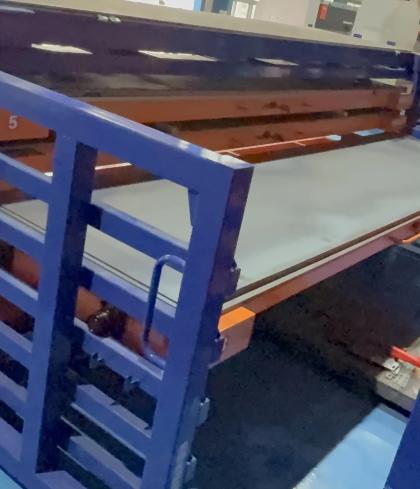
Herochu telescopic drawers support sheets on flat, level surfaces with no point loading. The drawer floor is a continuous steel deck, not a series of crossbars, so sheet weight distributes evenly across the entire bearing surface. Individual drawer dividers — adjustable at installation and reconfigurable later — prevent sheets of different thicknesses or grades from sliding against each other during drawer movement. The result is inventory that arrives at the cutting station in the same condition it entered the rack.
Classification and Customization
The factory configures each Herochu system to match the customer’s material inventory breakdown. Drawer clear space — the vertical gap between one drawer floor and the drawer above it — is a customizable parameter, not a fixed dimension. A shop storing predominantly 3-millimeter aluminum sheet can specify tighter drawer spacing to fit more tiers in the same frame height. A shop handling 50-millimeter steel plate needs fewer drawers with greater vertical clearance, and the frame design accommodates both extremes.
Beyond drawer height, the dividers within each drawer allow sub-compartment organization. A single drawer can carry mild steel on the left bays, stainless on the center bays, and aluminum on the right — or any arrangement that reflects how the shop’s cutting programs consume material. This granularity means the CNC programming team always knows exactly which drawer to call for a given material specification, eliminating the “it’s somewhere in that stack” ambiguity that wastes time in unorganized storage layouts.
Operator Safety and Ergonomic Factors
Manual sheet metal handling carries well-documented injury risks — back strain from leaning into deep shelves, hand lacerations from exposed edges, crush hazards from unstable stacks. Motorized drawer extension removes the operator from the load path. The worker triggers drawer movement from a fixed control position, keeps clear of the travel zone, and only approaches the extended drawer once it has stopped at the fully deployed position.
The remote control uses a dead-man switch configuration: releasing the button stops drawer motion immediately. Combined with the motor’s overload protection and the mechanical bearing system’s inherent braking resistance, the control architecture provides layered safeguards against unintended movement.
Maintenance Requirements
Herochu motorized drawer systems are designed for the maintenance resources available in a typical fabrication shop, not for specialized factory service contracts. The sealed bearings require regreasing at 12-month intervals under normal duty cycles. The rack-and-pinion interface needs visual inspection for debris accumulation and occasional cleaning with a dry brush. Motor brushes — the only consumable electrical component — are accessible through a removable cover plate without disassembling the drive train.
The controller stores an operational cycle counter accessible from the maintenance panel, allowing shops to schedule preventive maintenance based on actual usage rather than calendar estimates.
Compatibility Across Equipment Categories
A Herochu telescopic drawer system does not lock a facility into a single material handling method. The extended drawer presents sheets at a height and orientation accessible to overhead cranes with magnetic or vacuum lifters, to standard counterbalance forklifts, and to side-loading attachments. The rack itself does not dictate how material moves after retrieval — it simply places the material where the chosen handling equipment can reach it.
This equipment-agnostic design matters for shops that may change their crane or forklift fleet over the rack’s 15-to-20-year service life. The rack investment is not tied to a specific lifting technology.
Selecting the Right Configuration
Herochu offers six standard models covering sheet dimensions from 3,000 by 1,500 millimeters through 12,000 by 2,500 millimeters, with drawer counts from five to six tiers and per-drawer capacities from 3,000 to 20,000 kilograms. The selection process starts with a material audit: what sheet sizes, thicknesses, and grades does the shop stock, how many of each, and what is the daily retrieval frequency for each category. Herochu engineering reviews this data, proposes a drawer layout that groups high-frequency stock in the most accessible positions, and generates a footprint plan showing the rack’s placement relative to existing aisleways, crane runways, and machine tool locations.
Custom drawer clearances, divider layouts, and even frame colors are available as pre-production options rather than aftermarket modifications. The factory builds to the specified configuration and ships a complete unit, not a base model requiring field retrofits.
Summary
Motorized telescopic drawer systems from Herochu convert scattered, hard-to-access sheet metal inventory into organized, instantly retrievable storage. The electric drive eliminates manual cranking, the vertical tower footprint recovers floor space, and the individually rated drawers protect material condition. For any warehouse or fabrication facility with sheet metal throughput measured in tons per day rather than sheets per week, the system pays for itself through space consolidation, labor reduction, and scrap avoidance.