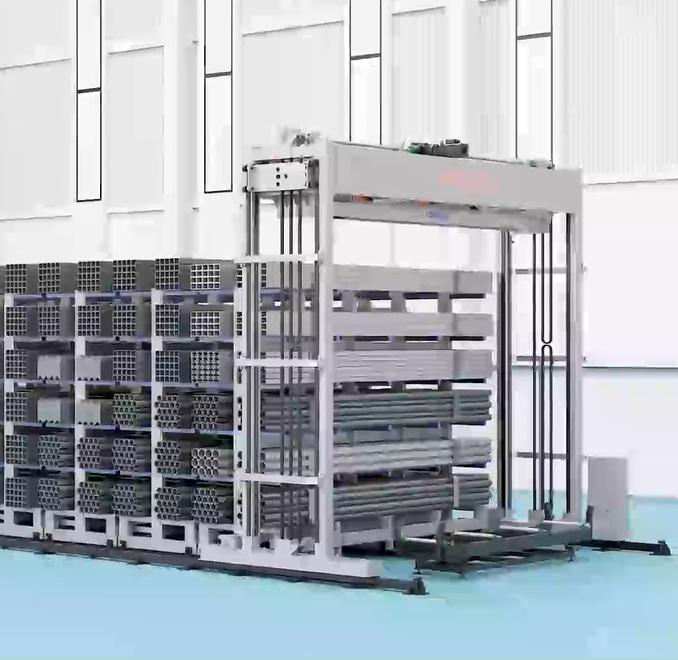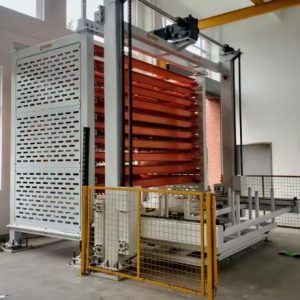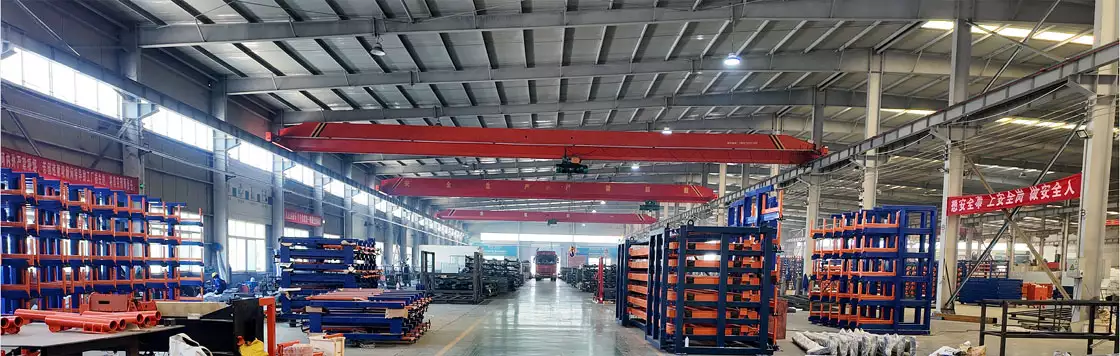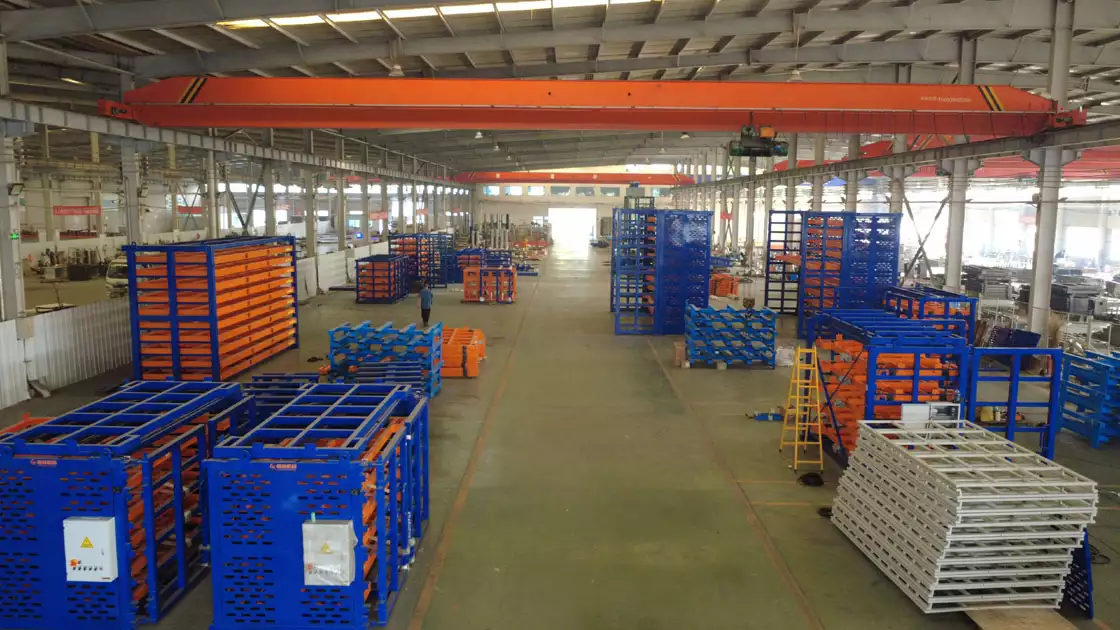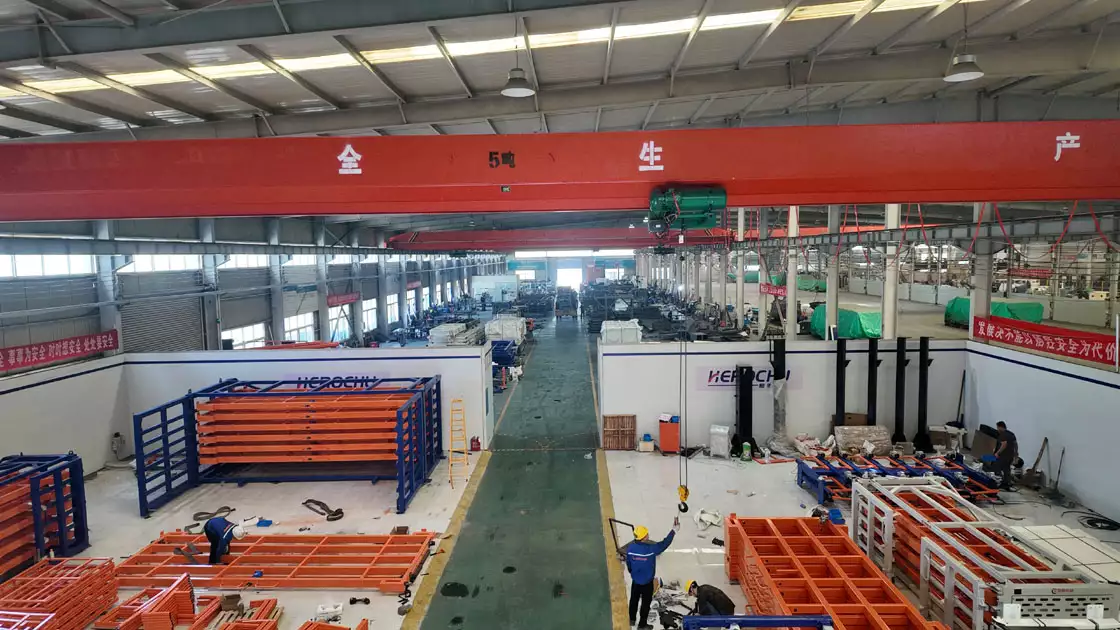
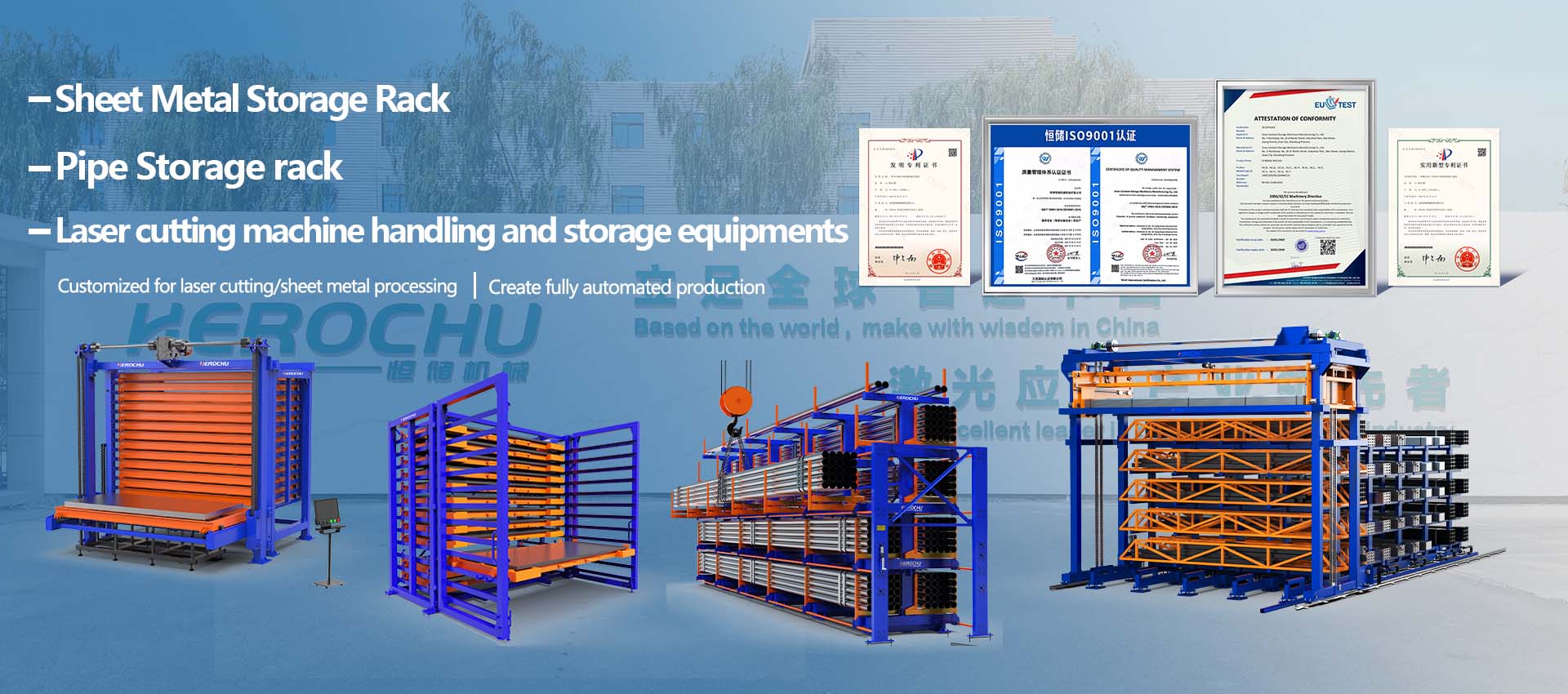
Metal fabrication shops handling long stock face a persistent arithmetic problem: the material arrives in 6 to 12 meter lengths, but floor space is finite and expensive. Herochu addresses this constraint through the Heavy Duty Industrial Pipe Storage Racking System, an automated storage and retrieval platform that converts horizontal sprawl into vertical density.
The Cost of Conventional Pipe Storage
Traditional cantilever racks and floor-level laydown areas consume disproportionate warehouse square footage. A facility storing 200 tons of pipe in conventional racks may dedicate 3,000 to 5,000 square feet to that inventory alone, with retrieval requiring forklifts navigating congested aisles. The material itself becomes a bottleneck — damaged surfaces from repeated handling, inventory discrepancies from manual tracking, and safety exposure from overhead loads and vehicle traffic.
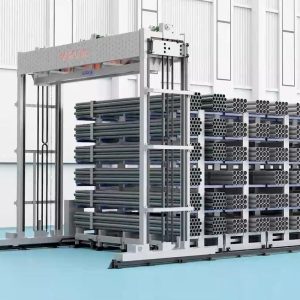
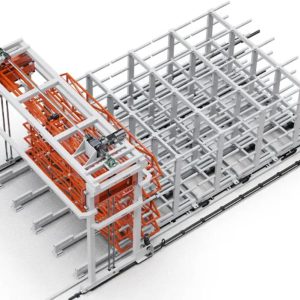
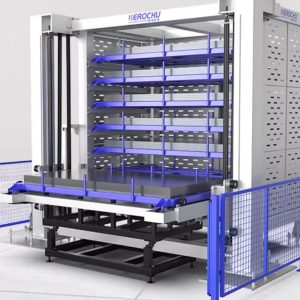
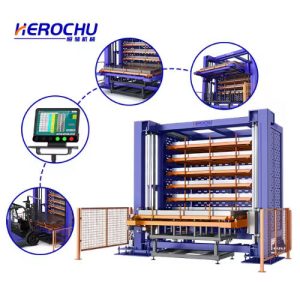
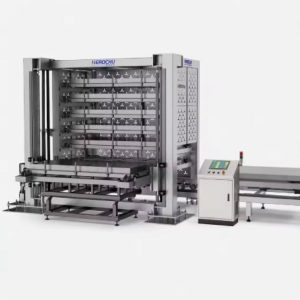
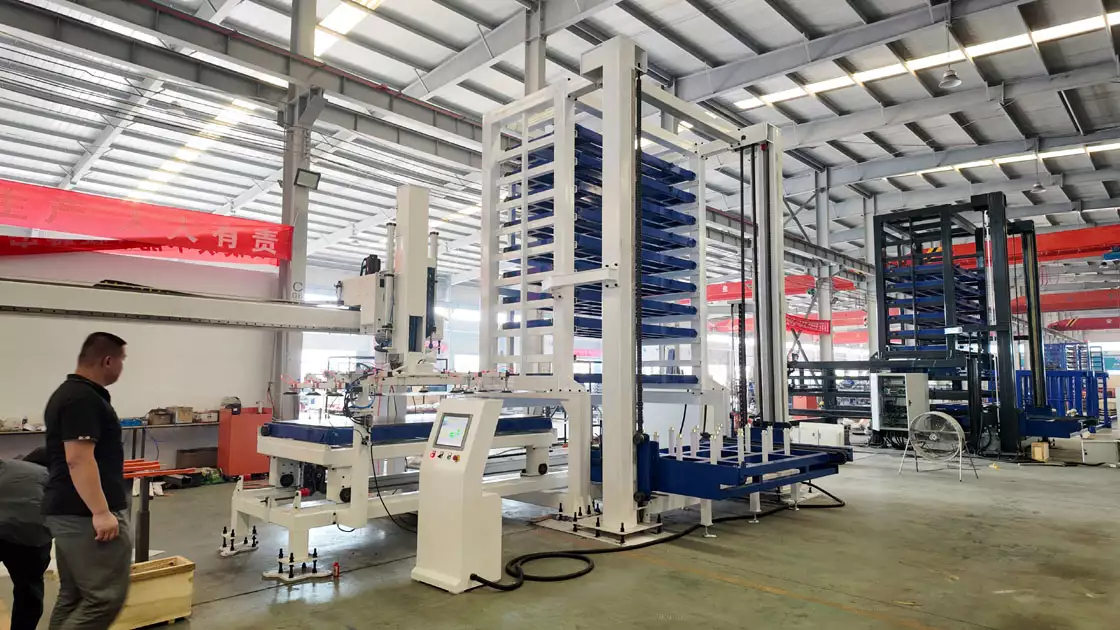
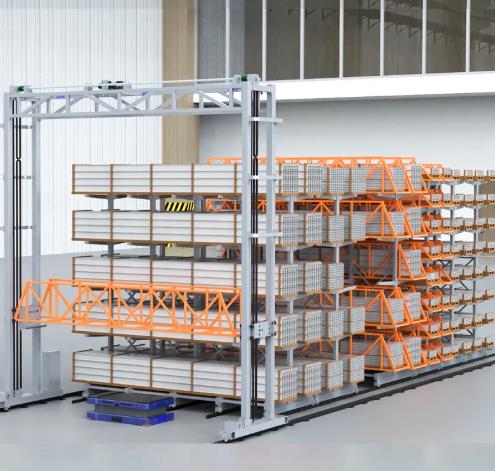
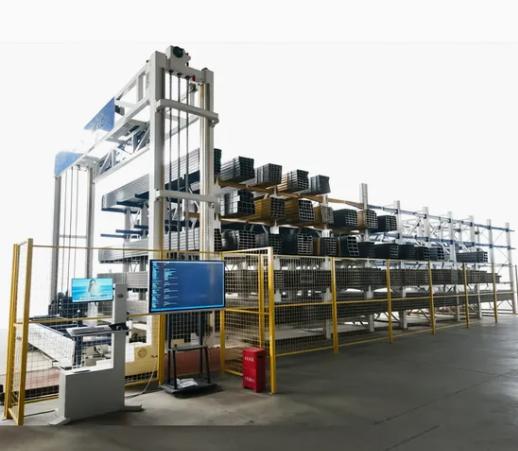
Herochu’s system replaces this model with a goods-to-operator architecture. Pipes and profiles are stored in dedicated trays within vertical tower structures, and a gantry mechanism retrieves requested material automatically. The operator never enters the storage zone, and the forklift never crosses the rack line.
Structural Engineering for Long-Load Integrity
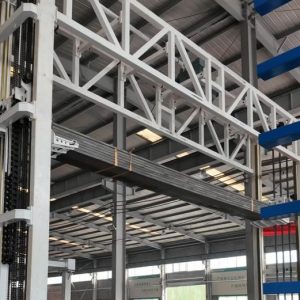
The system’s storage towers are constructed from high-strength structural steel with precision-machined guide rails. Each storage layer supports loads up to 5,000 kilograms, sufficient for bundled round pipes, square tubes, rectangular profiles, and structural sections. The tower configuration accommodates material lengths from 6,000 to 8,000 millimeters as standard, with extended configurations available for longer stock.
The critical engineering consideration for long-goods storage is sag prevention. Pipe and profile stock stored horizontally over extended periods tends to deflect under its own weight, particularly at elevated temperatures or when stacked in tall bundles. Herochu’s tray design supports material at calculated intervals along its length, maintaining dimensional stability regardless of storage duration. This protection matters most for precision-cut aluminum extrusions and polished stainless tubing, where even minor deformation compromises downstream fabrication.
Automated Retrieval with Millimeter Precision
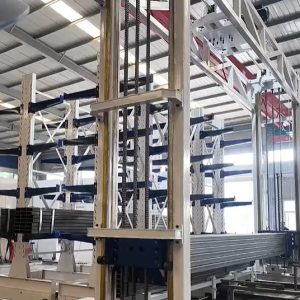
The gantry system travels along floor-mounted rails at speeds of 5 to 30 meters per minute, with lifting speeds between 5 and 15 meters per minute. Positioning repeatability holds within ±2 millimeters, ensuring that every tray is engaged and returned to its designated slot without drift over thousands of operating cycles.
Control is centralized through a PLC interface with touchscreen HMI. Operators select the required material by specification, grade, or inventory code, and the system executes the retrieval automatically. The same interface displays real-time inventory status, eliminating the manual counting and spreadsheet reconciliation that characterize conventional pipe storage.
Digital Inventory Integration
Every storage and retrieval event is logged automatically. The system tracks material by heat number, dimension, quantity, and storage location. When integrated with ERP or MES platforms, this data becomes a single source of truth for production planning and procurement. Material planners query the system rather than walking the floor, and purchasing decisions rest on confirmed stock levels rather than estimates.
The digital tracking capability also supports FIFO inventory rotation, ensuring that older material moves to production first unless specific heat-number traceability requirements dictate otherwise. For fabricators serving aerospace, medical, or pressure-vessel markets, this audit trail is not optional.
Space Recovery and Operational Economics
The vertical configuration typically recovers 60 to 70 percent of the floor area previously dedicated to horizontal pipe storage. A facility currently using 4,000 square feet for pipe racks and laydown yards can reduce that footprint to approximately 1,200 to 1,600 square feet while maintaining or increasing storage capacity. The recovered space accommodates additional processing equipment, improved material flow corridors, or expansion without new construction.
Labor savings compound the space benefit. Automated retrieval eliminates the forklift operator, spotter, and rigging personnel required for manual pipe handling. Retrieval cycles compress from 15 to 30 minutes to 60 to 120 seconds, depending on tower height and gantry travel distance. For production lines feeding laser cutters or saws, this speed translates directly to reduced machine idle time.
Safety by Design
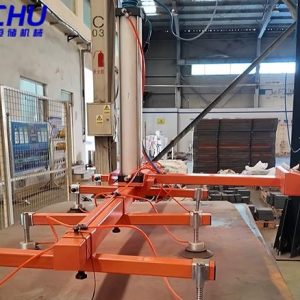
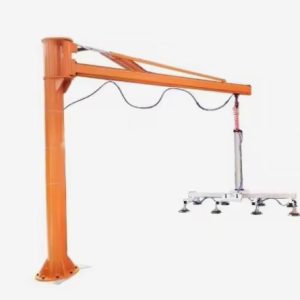
Material handling injuries rank among the most frequent and severe in metal fabrication. The Herochu system removes personnel from the storage zone entirely. Workers interact with the system at the control HMI and retrieval station, both positioned outside the rack footprint and protected by safety light curtains. The gantry handles all material movement within the structure, and the retrieval station presents bundles at a consistent height and orientation for forklift or crane pickup.
The reduction in forklift traffic within the storage area also eliminates collision risks between vehicles, rack structures, and pedestrians. For facilities subject to OSHA reporting requirements, this documented reduction in manual handling exposure supports compliance and may influence workers’ compensation premiums.
Herochu engineers each system to the specific material mix and throughput requirements of the facility. Tower counts, layer configurations, and tray dimensions are customized during the design phase, and the modular architecture permits expansion as production volume grows.