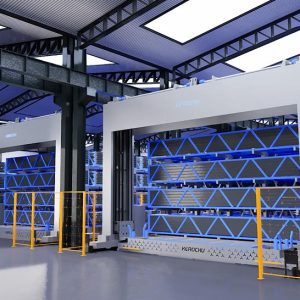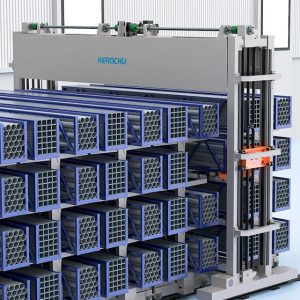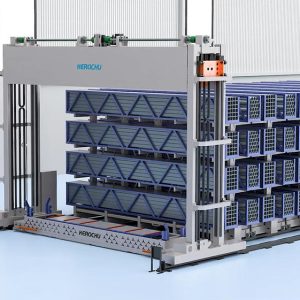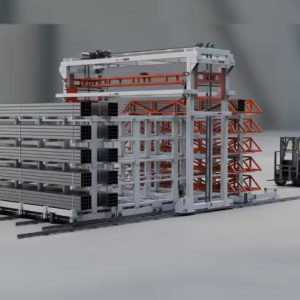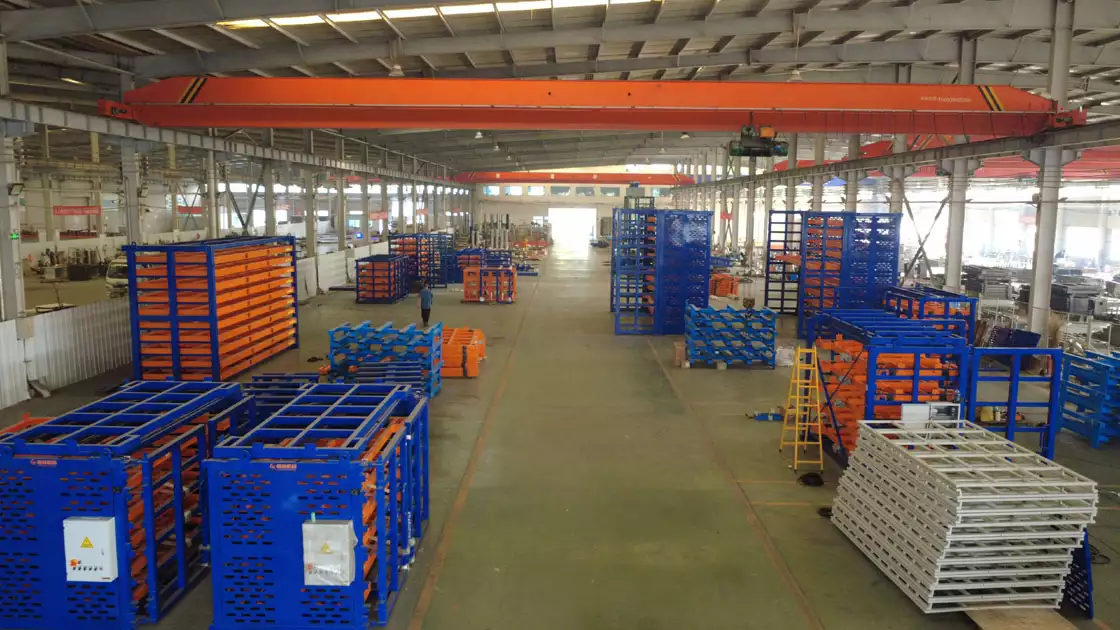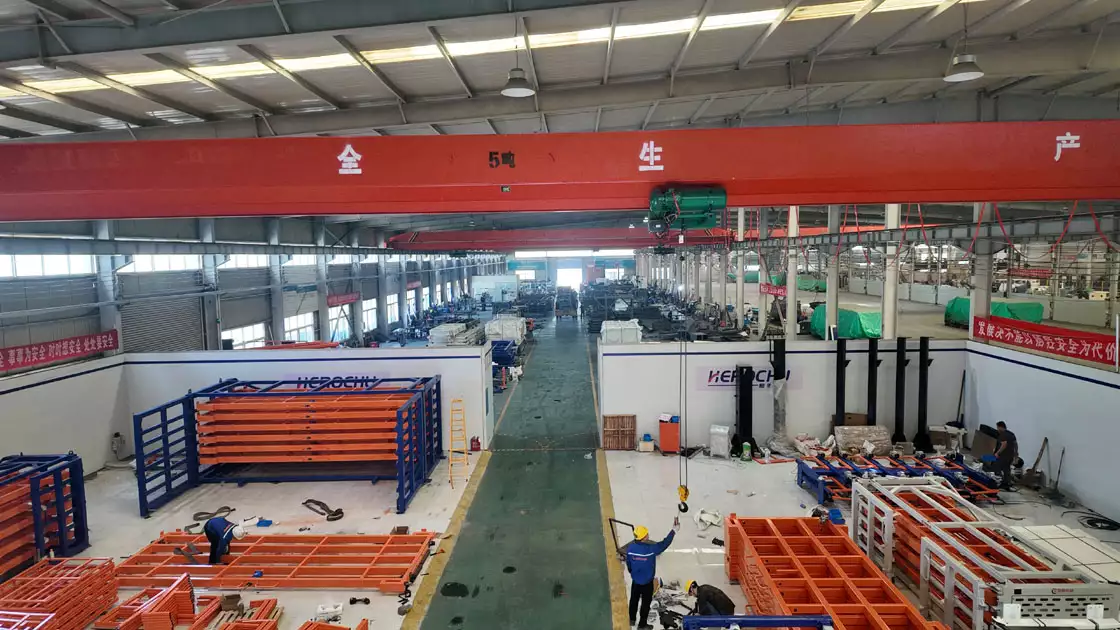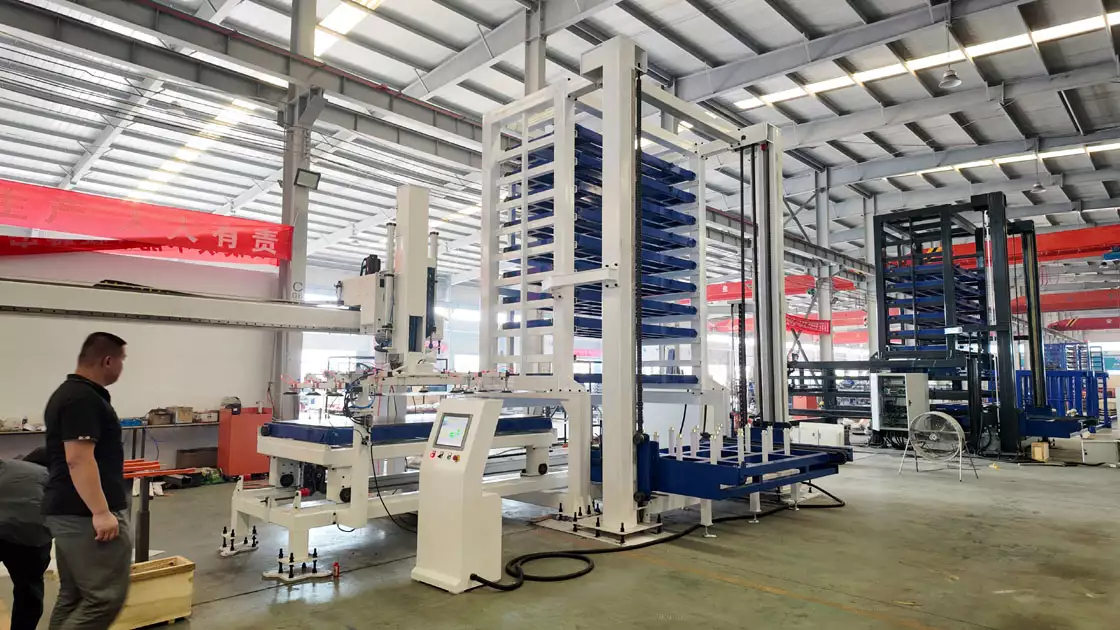
In the complex ecosystem of modern warehousing, few challenges are as persistent—and potentially hazardous—as the storage of long, cylindrical loads. Whether you are managing a steel service center, a plumbing supply depot, or a manufacturing plant, the way you handle bar stock, tubing, and structural sections defines your operational efficiency. Standard pallet racking, designed for boxed and uniform loads, simply cannot accommodate the unique physics of round goods. This is where specialized Industrial Pipe Racking Systems become not just an option, but a necessity.
The Physics of Round Storage: Why Standard Racks Fail
To understand the value of a dedicated Pipe Racks Storage System, one must first understand the behavior of the materials being stored. Steel pipes, copper tubing, and PVC conduits share common characteristics: they are long, often exceeding standard pallet dimensions; they are heavy; and crucially, they have a natural tendency to roll.
When stored on flat shelves or stacked haphazardly on the floor, these materials present significant risks. A “dig-out” retrieval method—where a worker attempts to pull a specific pipe from the bottom of a pile—is a leading cause of industrial accidents. The shifting weight of the bundle can cause a sudden collapse, endangering personnel and damaging expensive inventory. Furthermore, floor stacking consumes valuable square footage that could otherwise be used for production or additional storage lanes.
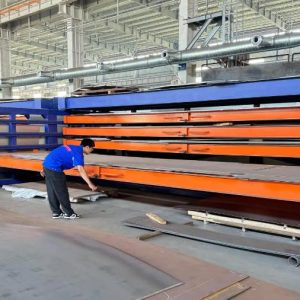
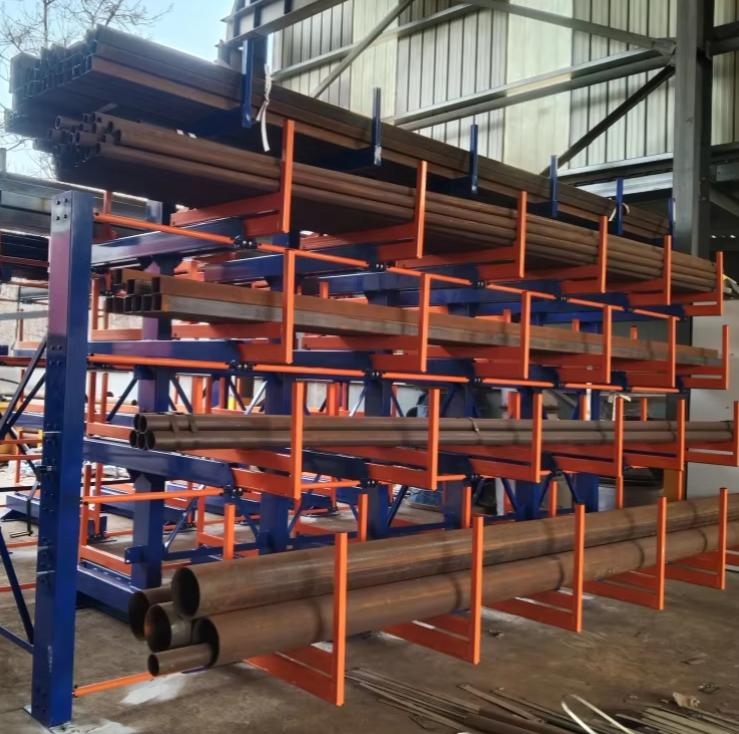
Cantilever Steel Tubing & Pipe Storage Racks solve these problems through geometry and structural engineering. By utilizing vertical columns and horizontal arms, these systems remove the front-column obstruction found in standard shelving. This “open face” design allows for end-loading, meaning a forklift or overhead crane can place a 20-foot length of pipe onto the rack without navigating tight vertical clearances.
The Engineering of Cantilever Steel Tubing & Pipe Storage Racks
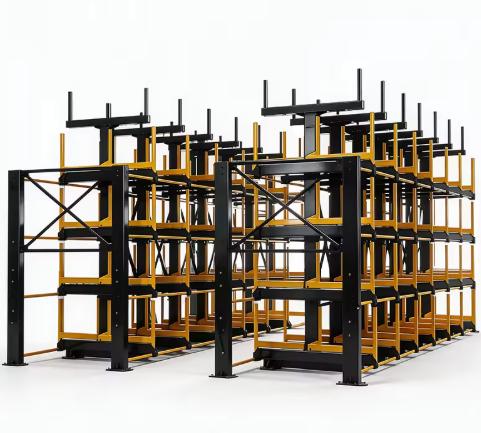
At the heart of an effective storage solution is the cantilever design. Unlike traditional racks that rely on crossbeams and decking, a Cantilever Rack For Pipe And Tube Storage uses arms that project outward from a central spine.
- The Column (Spine): Typically constructed from heavy-duty H-steel or cold-rolled steel, the column acts as the anchor. It is designed to withstand the immense torque created by heavy loads extending outward.
- The Arms: These are the load-bearing surfaces. In high-quality systems, the arms are often inclined slightly upward. This inclination is a critical safety feature; it uses gravity to nestle the pipe against the column or a backstop, preventing it from rolling off during storage or when a forklift approaches.
- Pipe Stops: Located at the end of the arm, these small but vital components act as a physical barrier. They ensure that even if a pipe is pushed too far during loading, it cannot slide off the side.
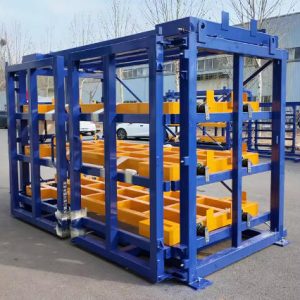
The versatility of these systems is unmatched. A Heavy-Duty Bar Storage Rack can be configured as single-sided (ideal for placement against walls) or double-sided (perfect for back-to-back storage rows). The arms are fully adjustable, allowing warehouse managers to change the vertical spacing to accommodate different diameters of pipe or bundles of rebar.
Heavy-Duty Capabilities for Demanding Environments
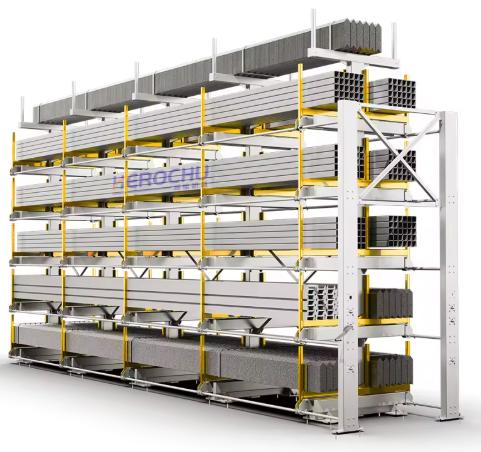
Not all pipes are created equal. A bundle of thin-wall PVC weighs significantly less than a bundle of solid steel rods or thick-walled casing pipes used in the oil and gas industry. Therefore, Heavy-Duty Pipe Racks are engineered with varying load capacities to suit specific industrial needs.
The best-in-class systems offer staggering strength. We are seeing specifications where a single cantilever arm can support between 500kg and 3000kg. When multiplied across a multi-bay system with several levels of arms, the total system capacity can reach upwards of 40 tons. This level of strength requires robust materials—often bold, thick cold-rolled steel that resists bending and deformation over years of use.
For facilities handling exceptionally long materials, such as 25-meter structural beams or extrusions, the racking system must maintain rigidity over long spans. This is achieved through the use of tie-bars and robust base legs that anchor the system to the warehouse floor, preventing tipping or swaying during seismic events or heavy forklift interaction.
Maximizing Vertical Space with Pipe Warehouse Storage Systems
One of the most compelling arguments for upgrading to a modern Pipe Warehouse Storage System is the reclamation of floor space. In many legacy facilities, long materials are stored horizontally on the ground, creating “dead zones” where forklifts cannot easily maneuver and inventory is difficult to count.
By transitioning to a vertical storage model, warehouses can utilize the cubic volume of the building. A Vertical Pipe Storage Rack configuration allows for inventory to be stacked high—often up to 6 meters or more, depending on the reach of the material handling equipment. This vertical lift effectively doubles or triples the storage density of the facility without requiring a physical expansion of the building’s footprint.
Moreover, organized racking improves inventory visibility. When pipes are stored on arms, each SKU can be clearly tagged and accessed individually. This eliminates the “mystery bundles” that often accumulate in the back of a warehouse and allows for precise stock rotation (FIFO or LIFO) based on production needs.
Customization and Scalability
No two warehouses are identical. A successful Industrial Pipe Racking System must be adaptable. Modern manufacturers offer customizable designs where the length of the arms, the height of the columns, and the number of bays can be tailored to the specific dimensions of the inventory.
For example, a plumbing supply house dealing primarily with 2-inch to 4-inch copper pipes will have different requirements than a steel distributor handling wide-flange beams. The racking can be painted in specific colors to denote different load zones or safety areas, and the components are often bolted together rather than welded. This bolted design allows for easy disassembly and relocation if the facility moves, or for the addition of extra bays as the business grows.
Conclusion
The transition from chaotic floor stacking to a structured Cantilever Steel Tubing & Pipe Storage Rack system is a hallmark of professional warehouse management. It signals a commitment to safety, efficiency, and asset protection. By investing in a system designed with inclined arms, high-load capacities, and durable steel construction, businesses can turn their storage area from a liability into a streamlined, high-capacity asset. Whether you are looking for New Cantilever Racks For Sale or planning a complete warehouse overhaul, understanding the mechanics of cantilever storage is the first step toward operational excellence.