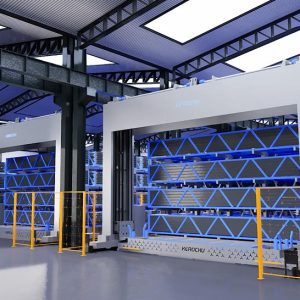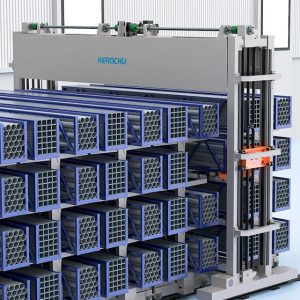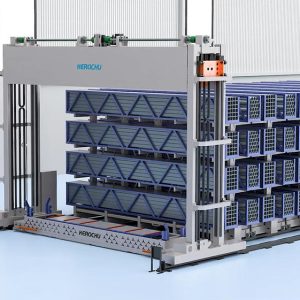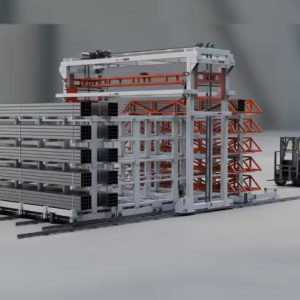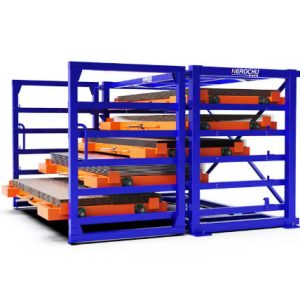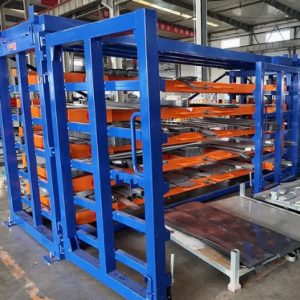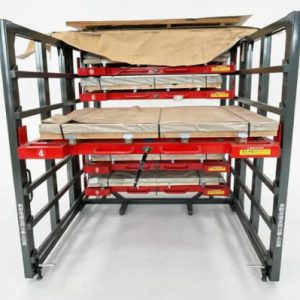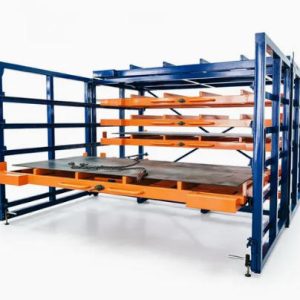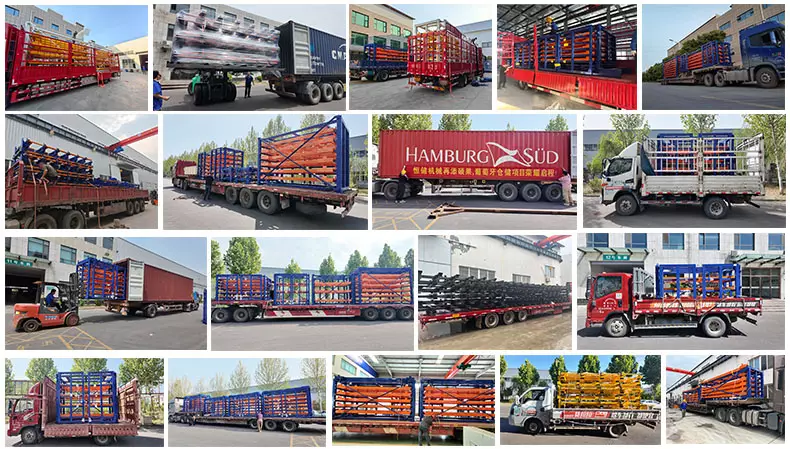
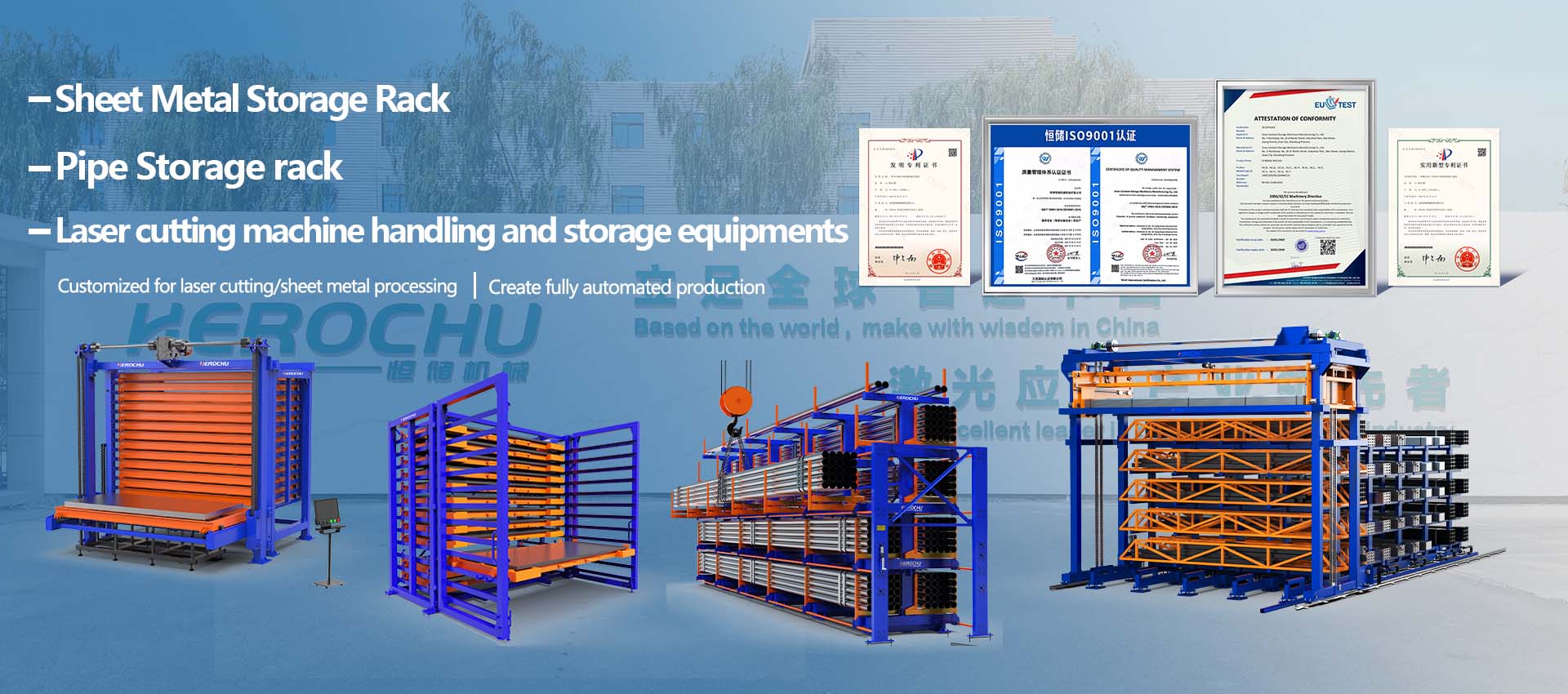
In the complex ecosystem of industrial manufacturing, the notion of a “standard” warehouse is increasingly becoming a misnomer. Every facility possesses a unique DNA defined by its specific product mix, building constraints, throughput requirements, and growth trajectories. For companies dealing with the intricate logistics of steel profiles, pipes, and beams, off-the-shelf storage solutions often fall short, leading to compromised efficiency and wasted space. The answer lies in the Customized Automatic Storage Rack Unit Industrial Profile Steel Warehouse System, a bespoke engineering marvel designed to fit the exact contours of a business’s operational needs. This article explores the profound impact of customization in automated storage, detailing how tailored solutions drive superior performance in maximizing warehouse space utilization and loading efficiency while accommodating the most challenging inventory profiles.
The Limitations of One-Size-Fits-All Storage
Traditional storage systems are designed for the average, but in the world of industrial profiles, there is no average. A warehouse storing 6-meter aluminum extrusions faces vastly different challenges than one handling 12-meter steel beams or coiled tubing. Standard racking often forces facilities to compromise: either they leave large voids in the rack structure to accommodate the longest items, wasting space, or they stack items haphazardly, risking damage and retrieval difficulties. Furthermore, standard automated systems may lack the specific speed, load capacity, or interface compatibility required for specialized production lines.
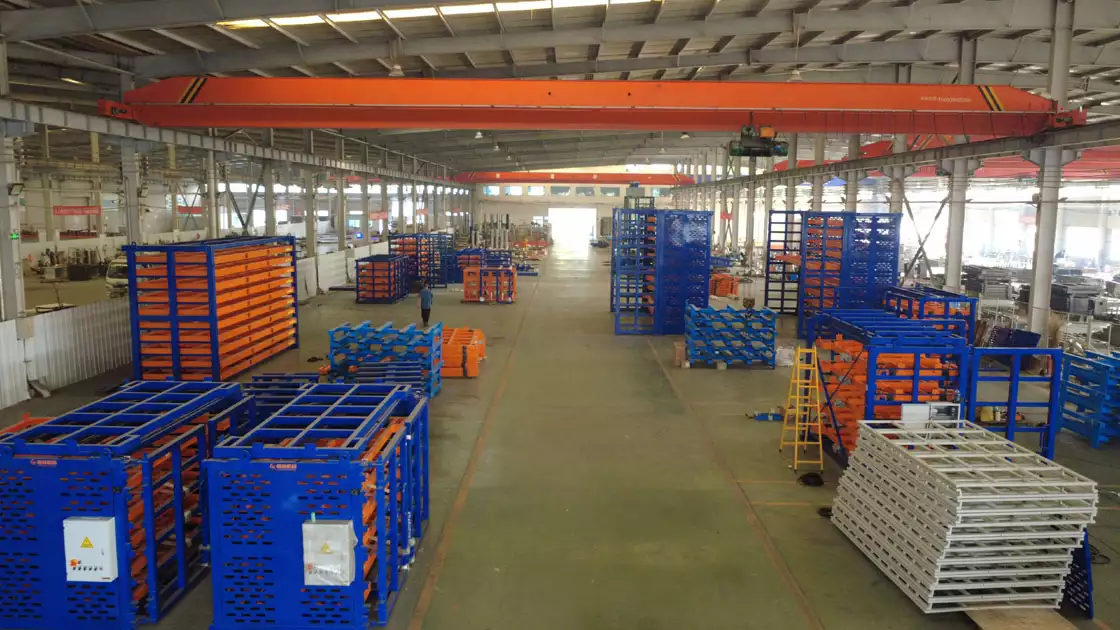
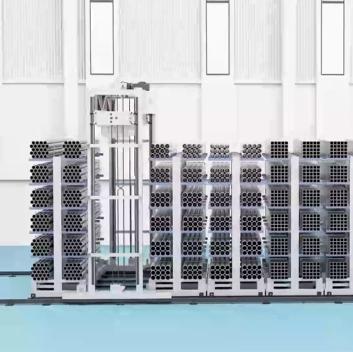
A Customized Automatic Storage Rack Unit Industrial Profile Steel Warehouse System shatters these limitations. It begins with a comprehensive analysis of the facility’s specific parameters: ceiling height, floor load bearing, column spacing, and the precise dimensions and weights of the materials to be stored. From this data, engineers design a system that is uniquely suited to the environment. Whether the requirement is for 8 layers to accommodate extra-long items with ample clearance, or 13 layers to maximize density for shorter profiles, the system is configured to extract every possible inch of utility from the available volume.
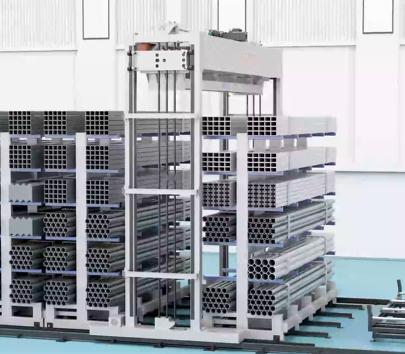
Engineering Flexibility: Layers, Loads, and Layouts
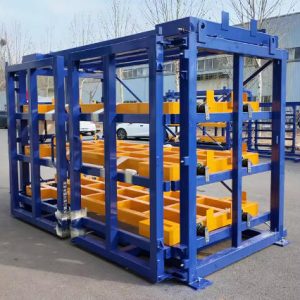
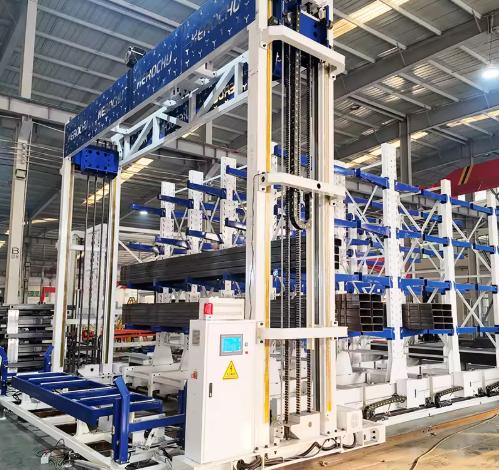
The core of customization lies in the adaptability of the system’s structural components. In a tailored Automatic Vertical Storage Rack System, the number of floors is not a fixed variable but a design choice optimized for the client’s inventory. For a factory producing a wide variety of pipe lengths, the system might feature adjustable layer heights, allowing the warehouse to reconfigure storage zones as product lines change. This flexibility future-proofs the investment, ensuring the system remains relevant even as the business evolves.
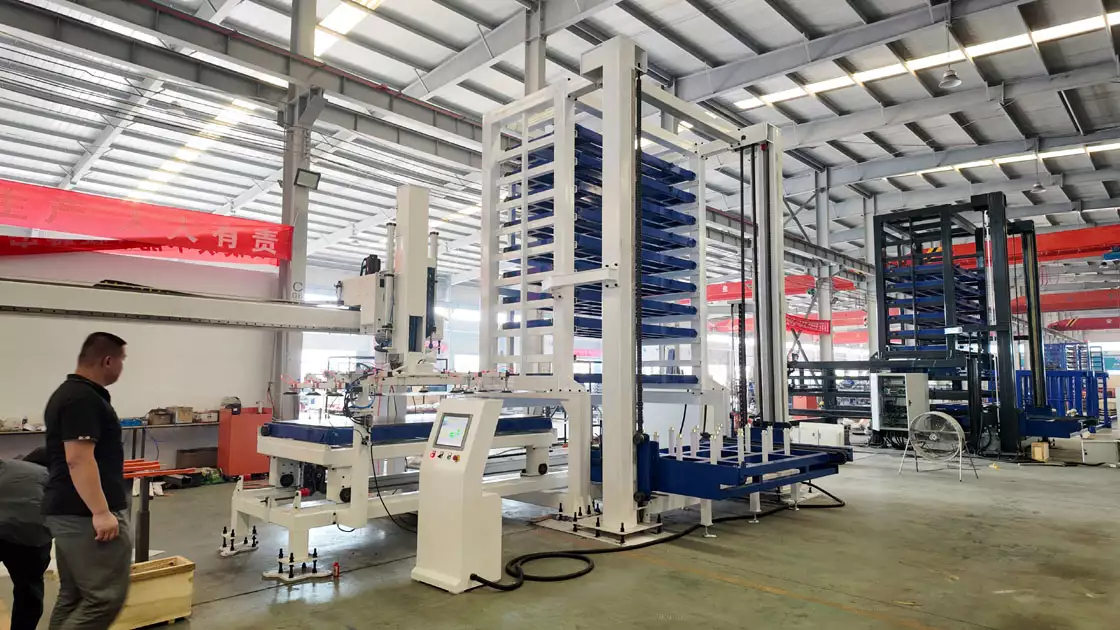
Load capacity is another critical area for customization. While standard systems might offer a generic 2-ton limit, a Customized Automatic Storage Rack Unit can be engineered to handle 3 tons, 5 tons, or even more per layer. This is achieved through reinforced uprights, heavier-duty crossbeams, and high-tensile steel alloys. The gantry system is similarly scaled, with chain drive transmissions and motors selected to match the specific weight profiles of the stored goods. This ensures that the system operates at peak efficiency without being over-engineered (and thus over-priced) or under-engineered (and thus unsafe).
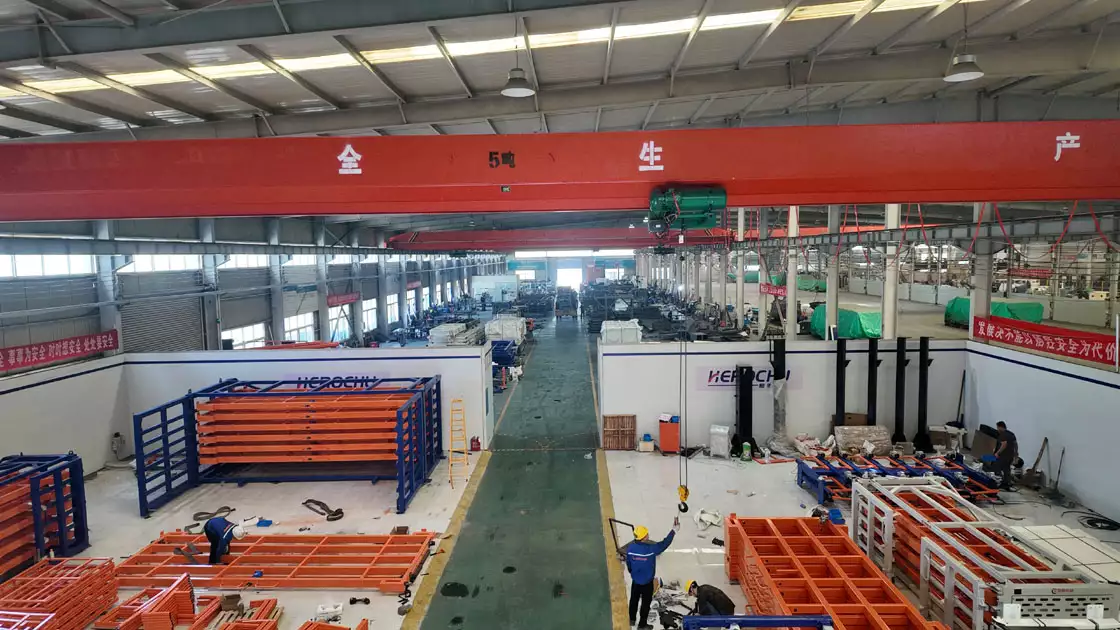
The layout of the Industrial Profile Warehouse with ISO9001/CE Certification can also be customized to fit irregular building shapes. Instead of forcing a rectangular grid into a space with columns or odd angles, the rack units can be arranged in modular clusters, with the gantry system designed to navigate these specific pathways. Precision guide rails are cut and installed to match the exact geometry of the floor, ensuring smooth operation regardless of the layout complexity. This ability to weave automation into existing architectural constraints is a hallmark of true customization.
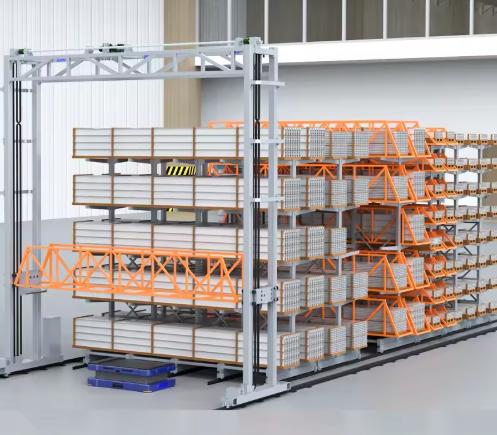
Specialized Material Handling for Diverse Profiles
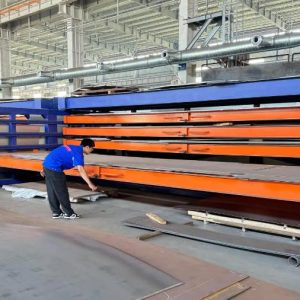
The true test of a storage system is how it handles the material itself. A Customized Pipes Stacking Racking solution goes beyond simple shelving; it includes specialized material frames and support mechanisms designed for specific profile types. For instance, storing bundled pipes requires cradles that prevent the bundle from unraveling, while single heavy beams need supports that distribute weight evenly to prevent bending.
In a customized system, the material frames (pallets or baskets) are engineered to lock securely into the rack structure, providing stability during the high-speed vertical and horizontal movements of the gantry. Optional profile support systems, such as telescopic arms or rotating cradles, can be integrated to facilitate easy loading and unloading of awkward shapes. These features ensure that the Intelligent mobile profile automated storage and retrieval system can handle a diverse mix of inventory—from fragile, pre-finished extrusions to rough, hot-rolled steel—without causing damage.
The customization extends to the interface between the storage system and the production line. Inlet and outlet stations can be positioned at specific heights and locations to align perfectly with conveyor belts, cutting machines, or packaging stations. This seamless integration minimizes the need for secondary material handling, drastically reducing cycle times and labor costs. By tailoring the drop-off points to the workflow, the system becomes an invisible yet powerful extension of the production process.
Maximizing Efficiency Through Tailored Automation
The ultimate goal of customization is to maximize warehouse space utilization and loading efficiency. A bespoke system achieves this by eliminating the inefficiencies inherent in generic solutions. Every movement of the gantry is optimized for the specific weight and dimensions of the stored items, allowing for faster acceleration and deceleration without compromising stability. The software controlling the Auto-Sorting Steel Vertical Profile Storage Unit can be programmed with custom logic that prioritizes certain SKUs, groups orders by destination, or sequences retrievals to minimize gantry travel time.
For example, in a facility that frequently retrieves specific pipe sizes for a just-in-time assembly line, the system can be configured to keep those items in the most accessible “golden zones,” reducing retrieval time to seconds. Conversely, slower-moving inventory can be stored in higher or deeper locations. This dynamic slotting, powered by custom algorithms, ensures that the warehouse operates at maximum throughput capacity at all times.
The Economic Case for Customization
While the upfront cost of a Customized Automatic Storage Rack Unit Industrial Profile Steel Warehouse System may be higher than a standard off-the-shelf unit, the long-term economic benefits are substantial. The increase in storage density means that companies can defer or entirely avoid the capital expenditure of building new warehouses. The improvement in loading efficiency translates to lower labor costs and higher order fulfillment rates. Moreover, the reduction in material damage preserves profit margins and enhances customer satisfaction.
Customization also reduces the risk of obsolescence. As market demands shift and new product lines are introduced, a tailored system can often be reconfigured or expanded more easily than a rigid standard system. This adaptability protects the investment over the long term, ensuring that the warehouse remains a competitive asset for decades.
Conclusion: Precision Engineering for Peak Performance
In the competitive arena of industrial logistics, precision is paramount. The Customized Automatic Storage Rack Unit Industrial Profile Steel Warehouse System represents the pinnacle of precision engineering, offering a solution that is as unique as the business it serves. By rejecting the compromises of standardization and embracing the power of customization, companies can unlock unprecedented levels of space utilization and operational efficiency. Whether it is through tailored layer configurations, specialized load-bearing structures, or bespoke material handling interfaces, these systems provide the flexibility and performance needed to thrive in a dynamic market. For businesses serious about maximizing warehouse space utilization and loading efficiency, a customized automated storage solution is not just an upgrade—it is a strategic necessity that drives sustainable growth and operational excellence.