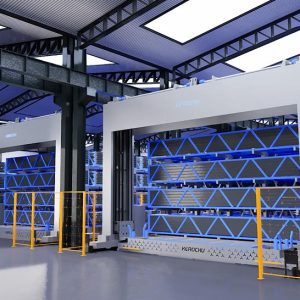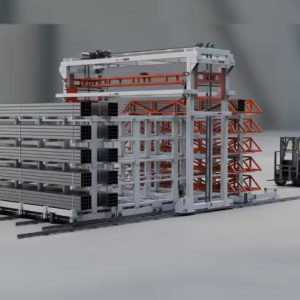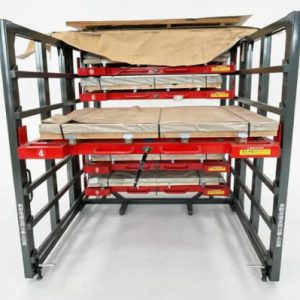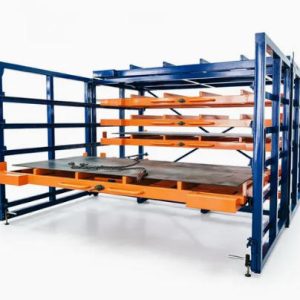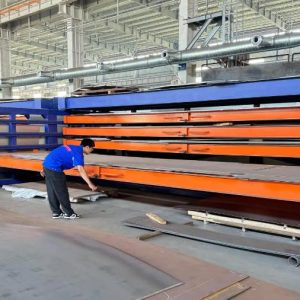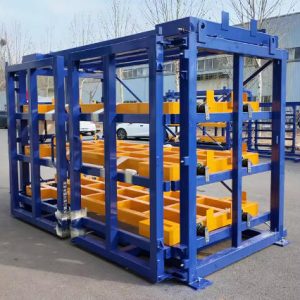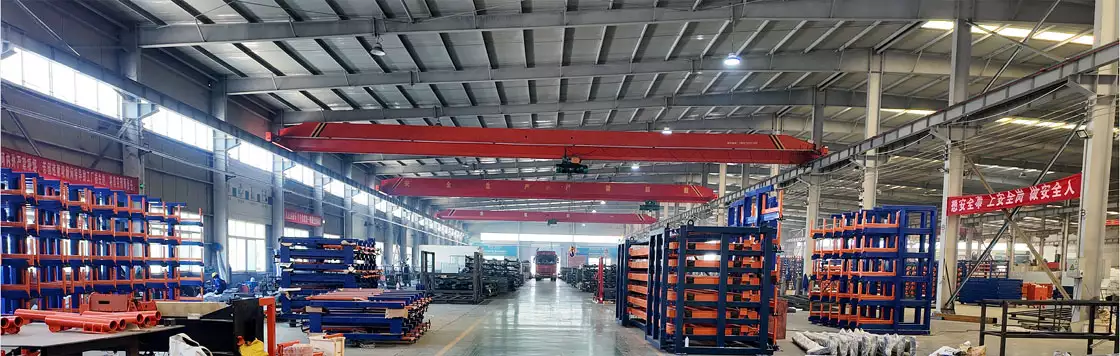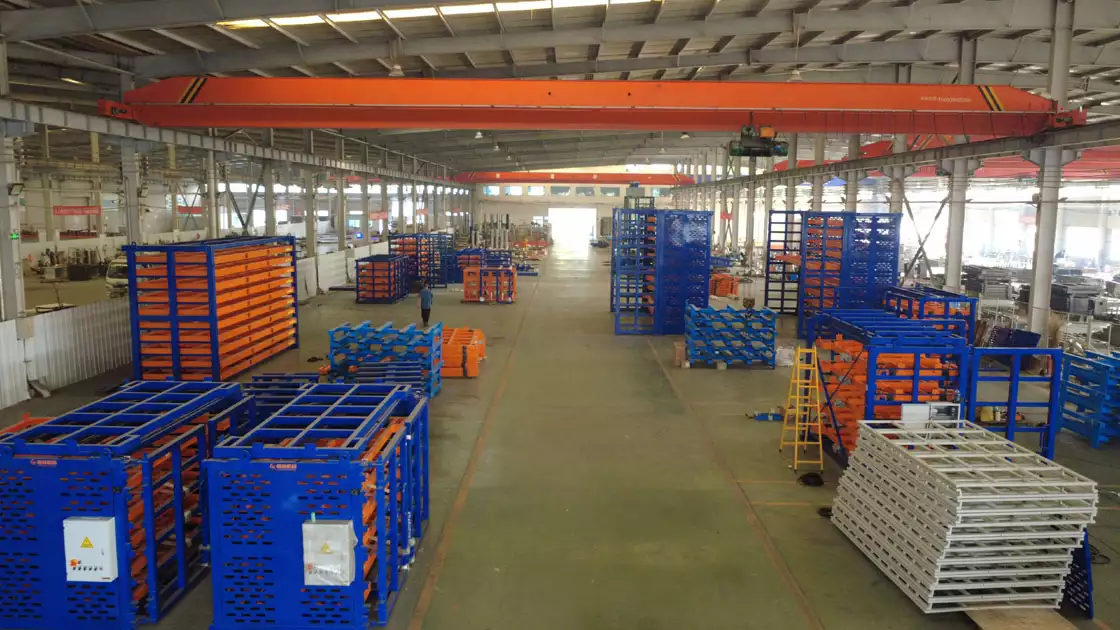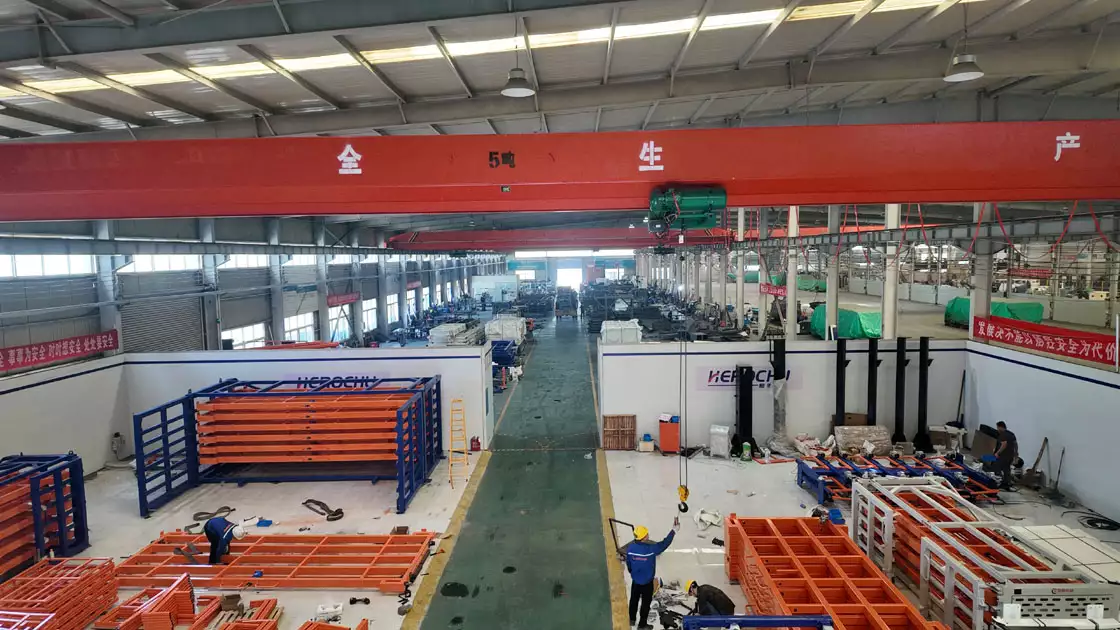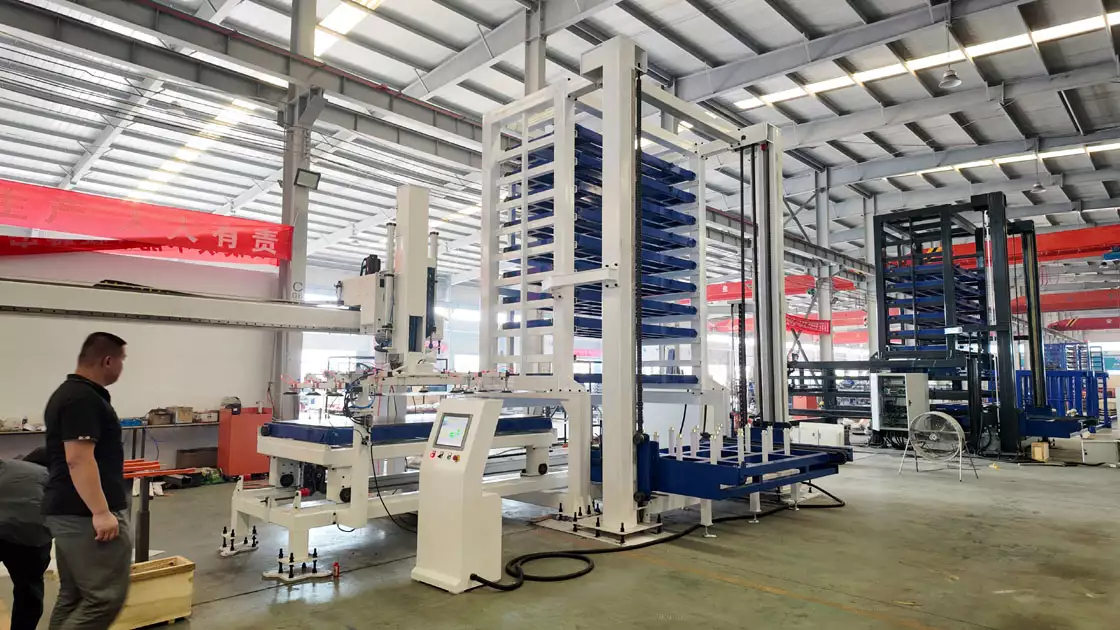
In the modern industrial sector, one size rarely fits all. This is particularly true for warehouse storage, where the diversity of materials handled—from varying lengths of steel tubes to irregularly shaped construction components—demands a highly adaptable approach. Enter the era of Customized Cantilever racks Design, a strategic methodology that tailors storage infrastructure to the specific needs of a business. Unlike off-the-shelf shelving units, customized cantilever systems are engineered from the ground up to match the exact dimensions, weight capacities, and workflow requirements of a facility, ensuring optimal performance and space utilization.
The Philosophy of Customization in Industrial Storage
The core philosophy behind Customized Cantilever racks Design is simple yet profound: storage systems should adapt to the inventory, not the other way around. Standard racking solutions often force businesses to compromise, either by wasting space on ill-fitting shelves or by risking safety through improper loading. A customized approach eliminates these compromises. It begins with a thorough analysis of the items to be stored—their length, weight, center of gravity, and frequency of access. Based on this data, engineers design a rack system with precise column heights, arm lengths, and load-bearing specifications.
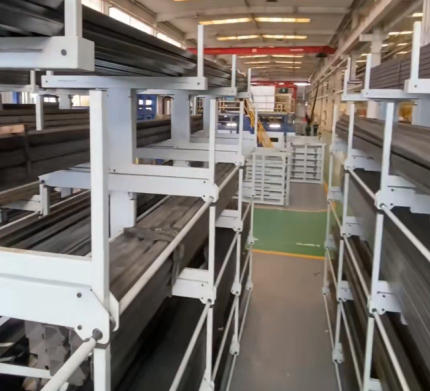
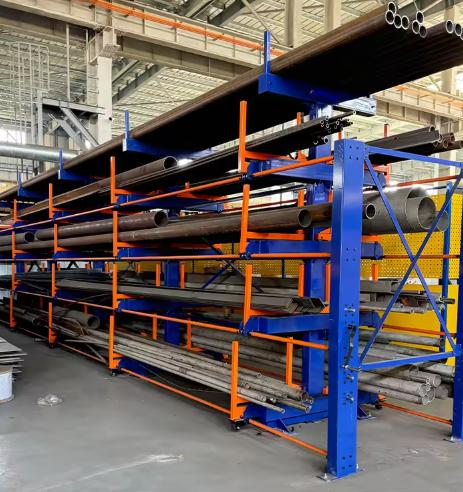
For instance, a facility storing primarily 6-meter steel tubes will require a different arm configuration and column spacing compared to a warehouse handling shorter, heavier copper pipes. Customization allows for the adjustment of arm levels to minimize vertical waste, ensuring that no inch of valuable warehouse height is left unused. Moreover, the choice between single-sided and double-sided configurations can be tailored to the layout of the warehouse and the flow of traffic. In narrow aisles, a single-sided rack against a wall might be ideal, whereas in open floor plans, double-sided racks maximize density by allowing access from two directions.
Engineering Precision for Large Load Capacity Pipe Warehouse Storage
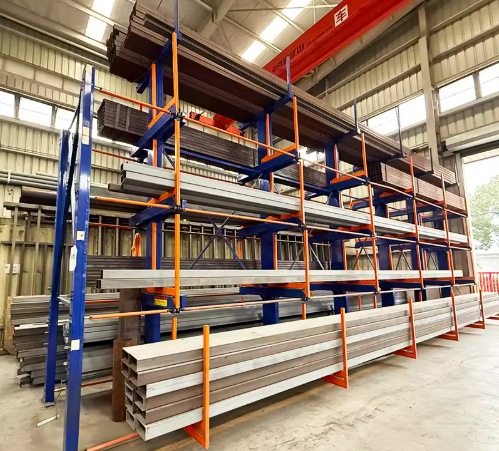
When it comes to Large Load Capacity Pipe Warehouse Storage, the stakes are high. Pipes are not only heavy but can also be dangerous if not stored correctly. A customized cantilever design addresses these risks by incorporating specific engineering features. The columns, often fabricated from heavy-duty H-beams or specialized profiles formed by welding C-shaped steel pieces, are calculated to support the exact dynamic and static loads expected in daily operations.
The customization process also extends to the base structure. Depending on the floor conditions and the total load, the base can be reinforced with thicker plates or wider footprints to distribute weight evenly and prevent floor damage. High-grade bolts (Grade 8.8 or higher) are selected to ensure that connections remain secure under stress. Furthermore, for facilities dealing with extremely heavy loads, the design can include diagonal braces to enhance lateral stability, preventing sway and ensuring the rack remains rigid even when fully loaded.
Enhancing Organization with Customizable Hand-Cranked Pipe Rack for Organized Tube Storage
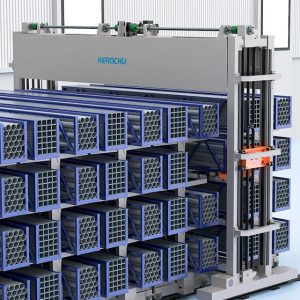
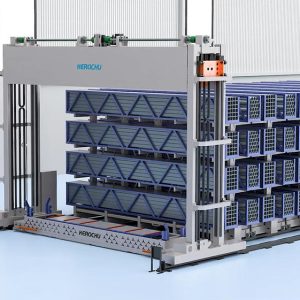
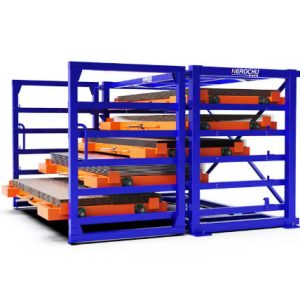
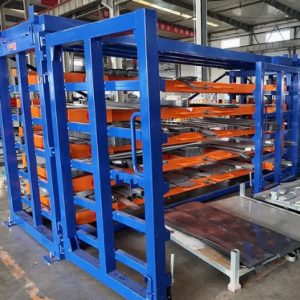
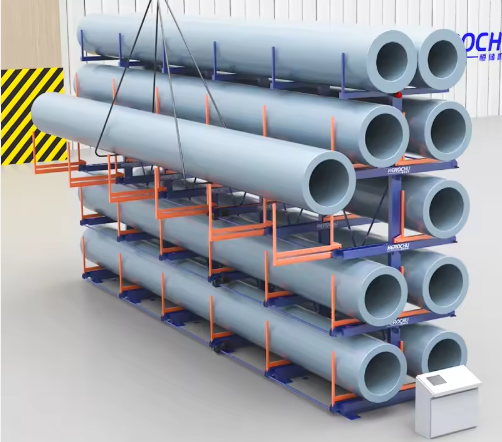
While static cantilever racks are excellent for many applications, some facilities benefit from the added mobility and precision of a hand-cranked mechanism. A Customizable Hand-Cranked Pipe Rack for Organized Tube Storage represents the pinnacle of tailored design. These systems allow users to manually adjust the position of arms or entire sections of the rack, bringing specific inventory to the operator without the need for extensive forklift maneuvering.
This level of customization is particularly beneficial for high-value or frequently accessed tubes where precision and speed are paramount. The hand-cranked mechanism can be integrated into the cantilever design with custom gear ratios to ensure smooth operation even under heavy loads. Safety features such as locking pins and braking systems are incorporated based on the specific risk assessment of the facility. By organizing tubes in a way that aligns perfectly with the picking sequence, these customized racks reduce retrieval times and minimize the physical strain on workers.
Material Selection and Environmental Considerations
Customization also plays a crucial role in material selection. While high-quality cold-rolled steel is the standard for its strength and durability, the specific grade and treatment can be adjusted based on the environment. For outdoor storage or humid environments, a customized design might specify a thicker hot-dip galvanized coating or even stainless steel components to resist corrosion. Additionally, aesthetic considerations can be addressed, with powder-coating options available to match company branding or safety color codes.
Accessories are another area where customization shines. From mesh decks for smaller items to specialized end-stops and dividers, every component can be chosen to fit the unique profile of the stored goods. This attention to detail ensures that the rack system is not just a passive storage unit but an active tool in the warehouse’s operational workflow.
The Long-Term Value of a Tailored Approach
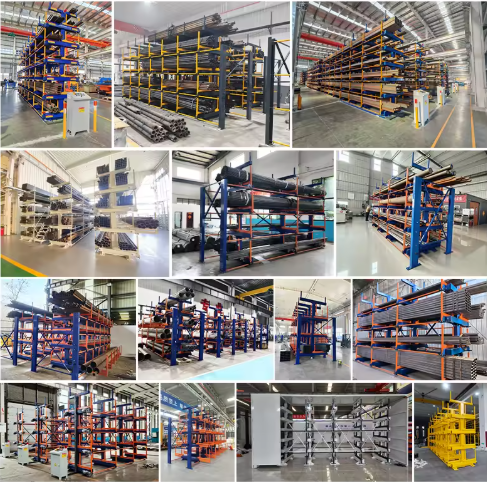
Investing in a Customized Cantilever racks Design yields long-term dividends. By perfectly matching the storage solution to the inventory, businesses reduce the risk of product damage, improve safety compliance, and maximize the return on their warehouse space. The flexibility of a customized system also means it can evolve with the business; as inventory profiles change, arms can be repositioned, or additional sections can be added without replacing the entire structure.
In summary, the move towards customized cantilever rack designs reflects a broader trend in industrial logistics: the shift from generic solutions to intelligent, data-driven infrastructure. For companies seeking to optimize their Large Load Capacity Pipe Warehouse Storage or implement a Customizable Hand-Cranked Pipe Rack for Organized Tube Storage, the answer lies in a design that is as unique as their own operational needs. Through precise engineering and thoughtful customization, these systems provide the foundation for a safer, more efficient, and more profitable warehouse environment.