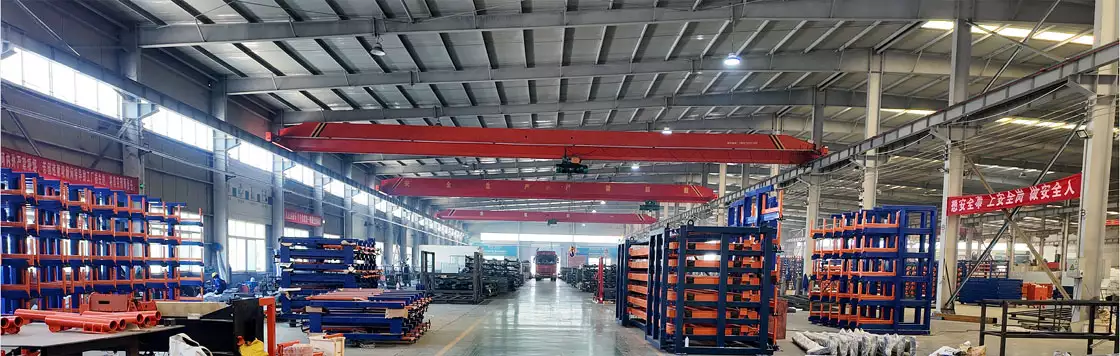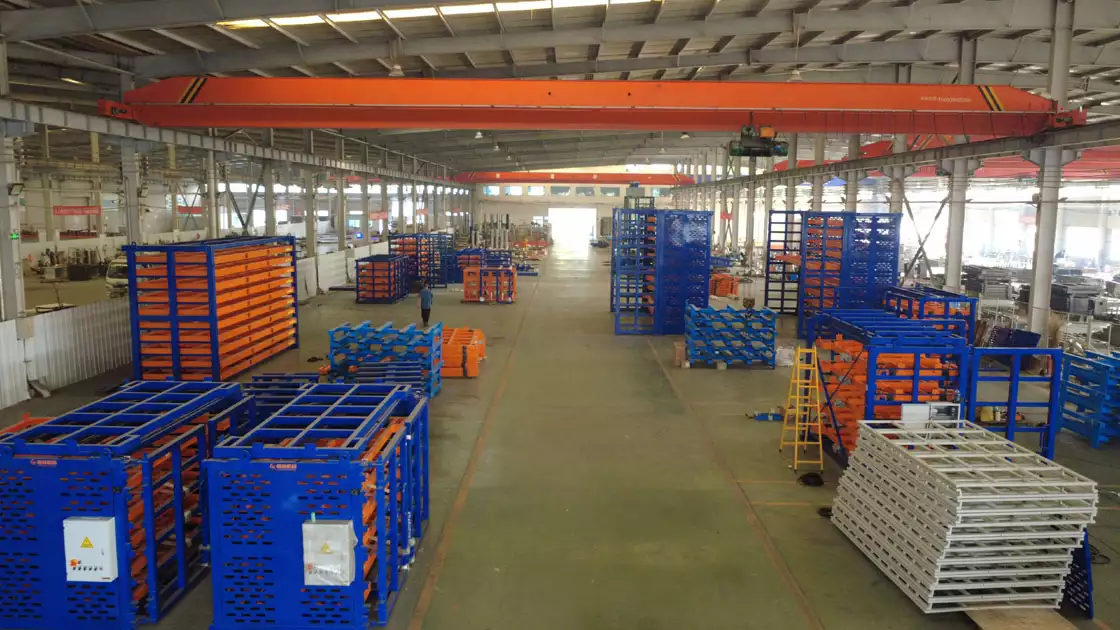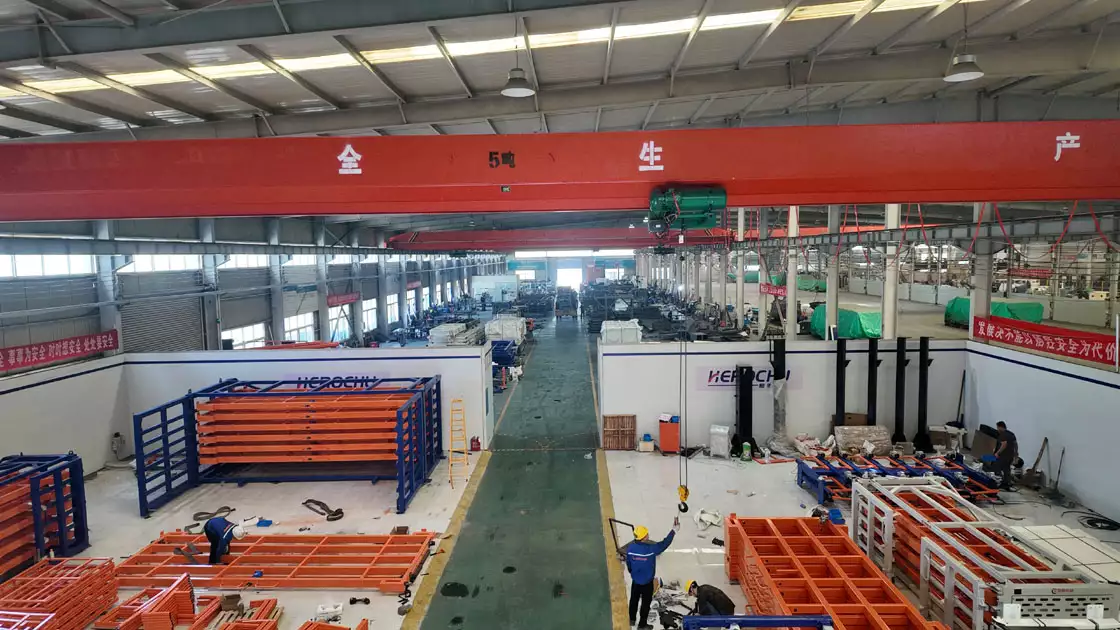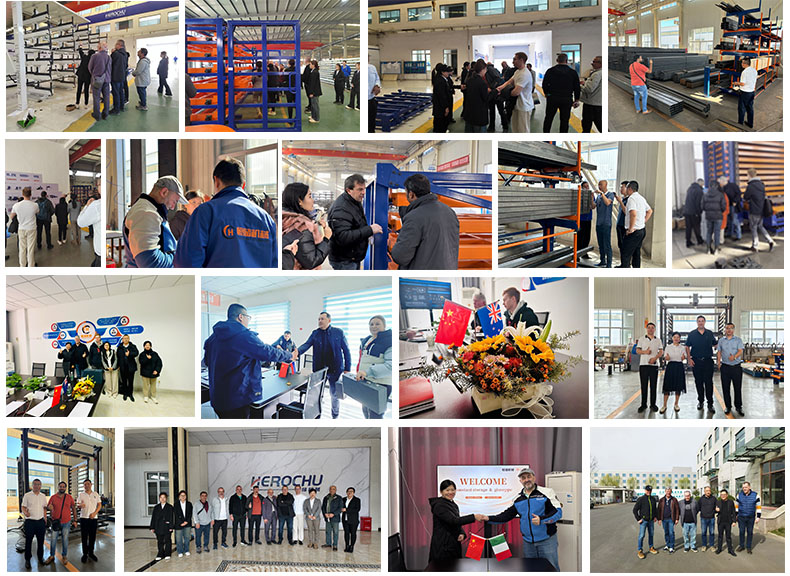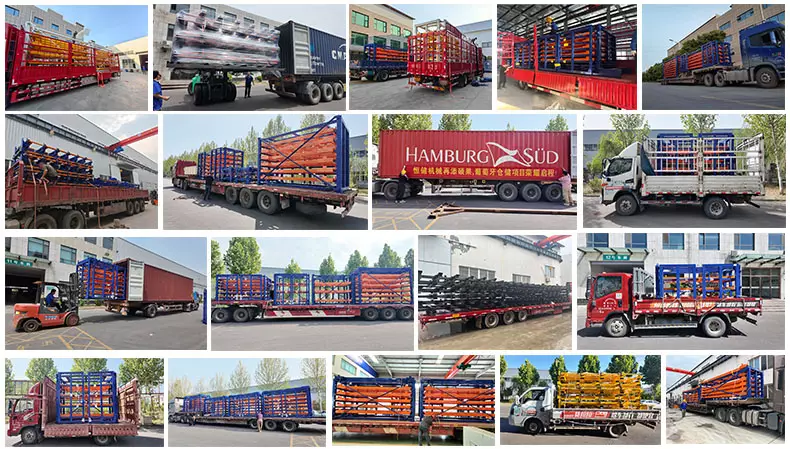
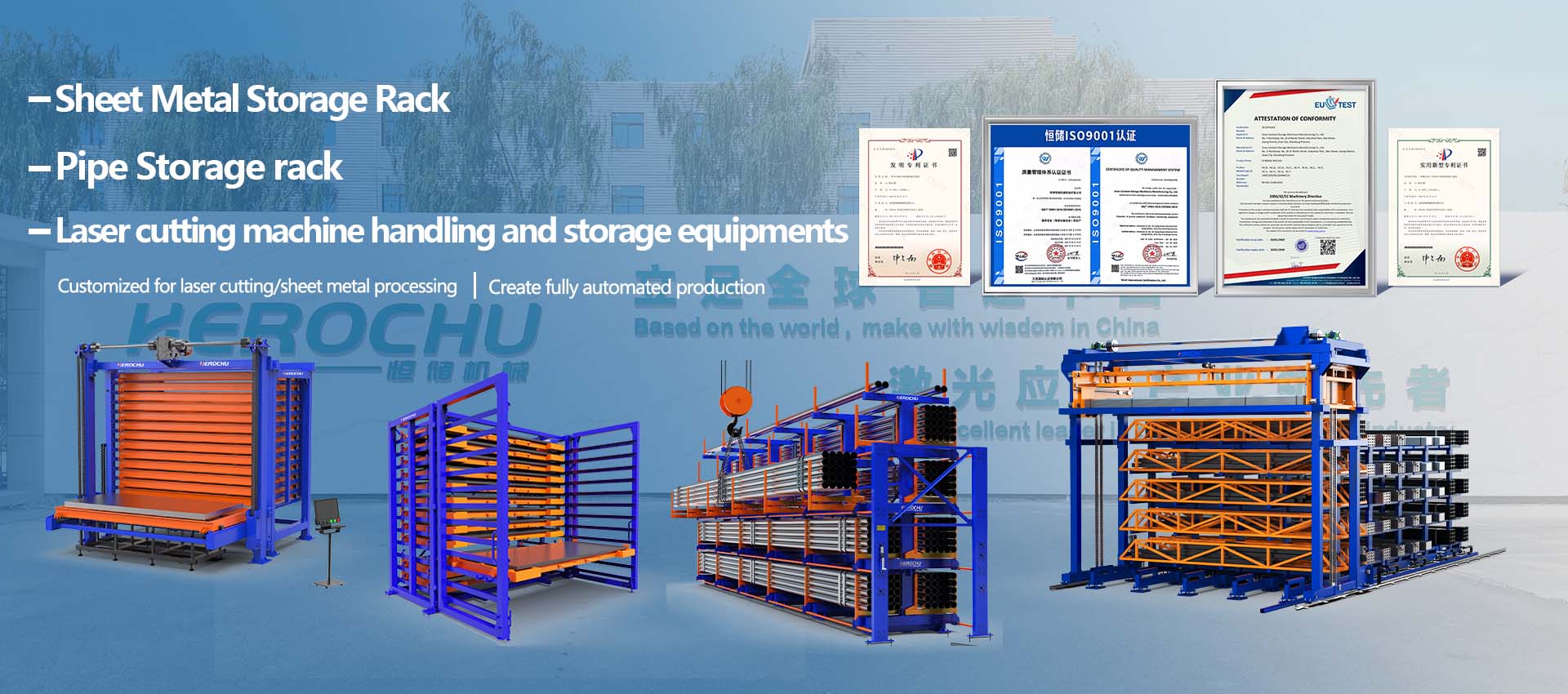
The sheet metal fabrication industry has long grappled with a fundamental inefficiency: the disconnect between material storage and production execution. Raw sheets arrive, get stacked on floor-level pallets or cantilever racks, and remain there until a forklift operator retrieves them—often after searching through piles, verifying gauge markings, and navigating narrow aisles. This process consumes floor space, creates safety hazards, and introduces delays that ripple through the entire production schedule.
Herochu has engineered a comprehensive response to this challenge with its advanced smart warehouse solutions for sheet metal. These systems represent a paradigm shift from passive storage to active material logistics—where inventory is not merely kept but managed, tracked, and dispatched in real time to support continuous production flow.
The Architecture of Intelligent Sheet Metal Storage
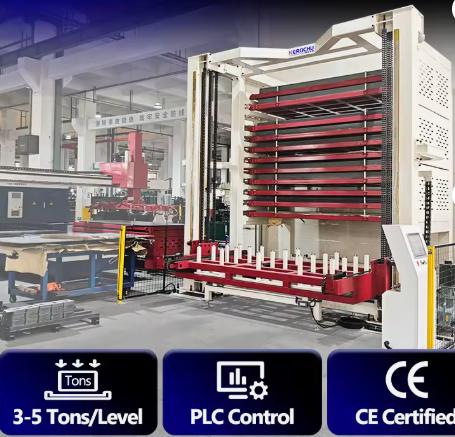
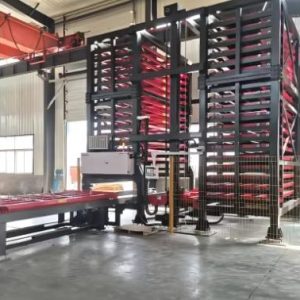
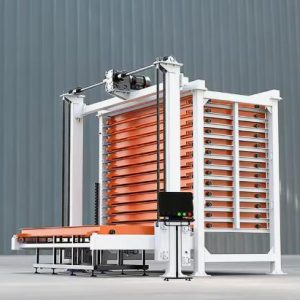
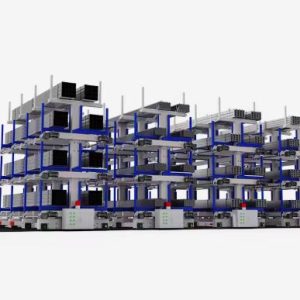
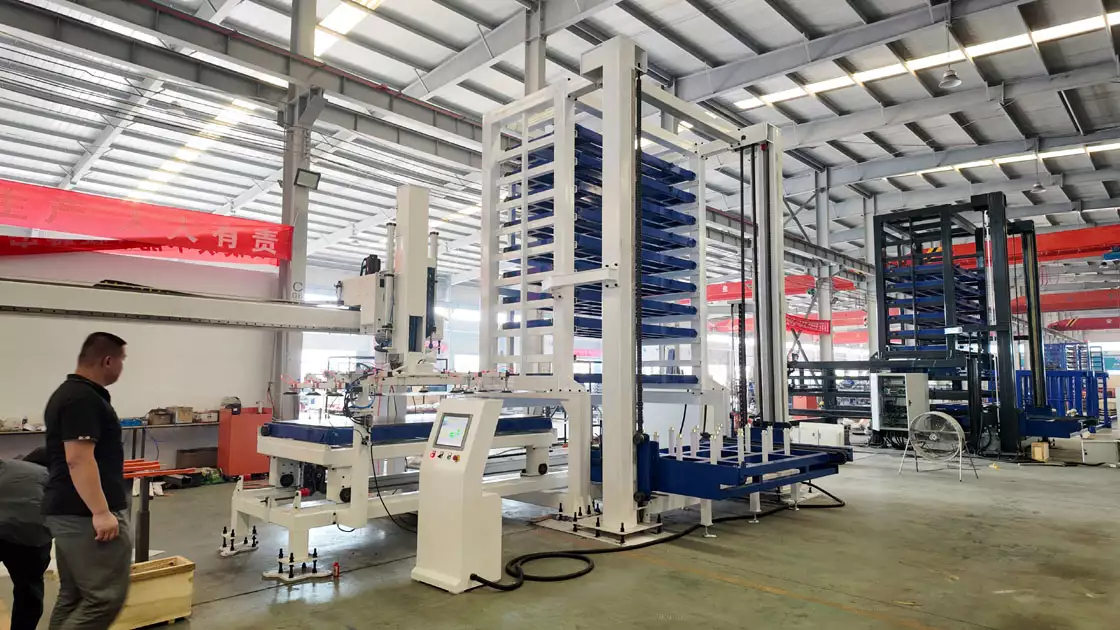
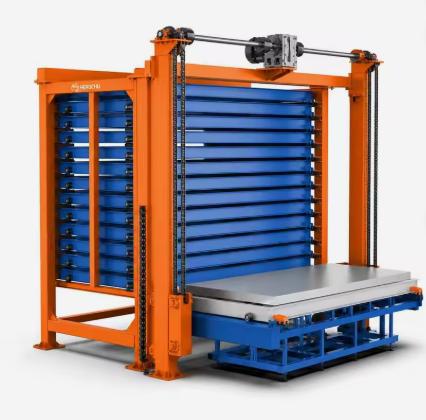
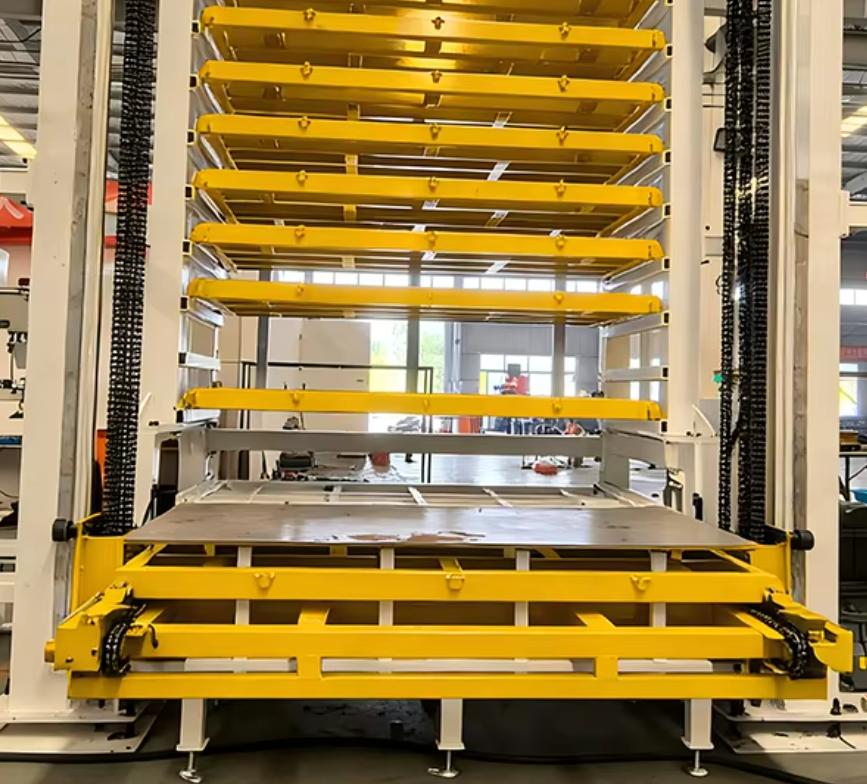
At the core of Herochu’s smart warehouse solution is a vertical storage tower that consolidates sheet inventory into a fraction of the floor space required by traditional methods. The tower structure houses multiple storage trays stacked vertically, with each tray configured to accommodate specific sheet dimensions and weight loads. Standard configurations range from 3,000×1,500 mm up to 6,000×2,500 mm, with per-tier load capacities from 3,000 kg to 5,000 kg.
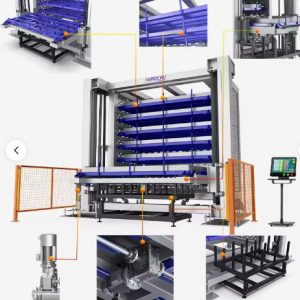
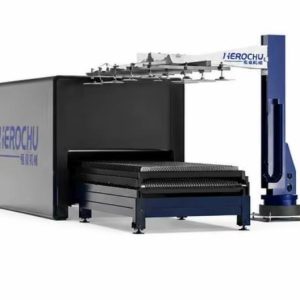
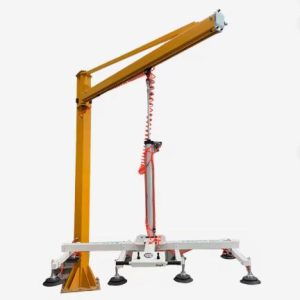
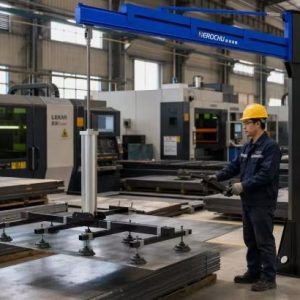
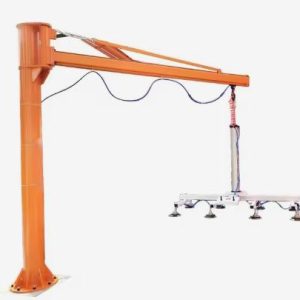
What distinguishes Herochu’s approach is the integration of automation at every level. The system combines the vertical storage tower with a gantry robot for loading and unloading, motorized material shuttles for transport between storage and processing equipment, and centralized software that orchestrates every movement. This is not a collection of independent machines but a unified logistics matrix where storage, retrieval, and material handling operate as a single continuous flow.
Real-Time Inventory Intelligence
The intelligence in Herochu’s smart warehouse solutions derives from the software layer that connects physical storage to business systems. The warehouse management system (WMS) and warehouse control system (WCS) modules integrate directly with enterprise resource planning (ERP) and manufacturing execution systems (MES), synchronizing production planning with inventory availability.
Every sheet stored in the system is tracked in real time—specification, batch number, location, and material usage are recorded automatically. This eliminates the manual stock counts and clipboard-based record-keeping that still plague many fabrication operations. When a production order is scheduled, the system knows exactly which sheets are available, where they are located, and when they should be dispatched to the cutting machine.
Multi-Device Synchronization for Continuous Production
The distinguishing feature of Herochu’s smart warehouse solution is its ability to synchronize with multiple laser cutting machines simultaneously. Rather than being dedicated to a single processing machine, the system is engineered to serve a group of machines on a shared production schedule.
When one laser finishes a job, the cart and gantry already know the next material assignment. When two machines request sheets at the same moment, the software sets priorities, calculates the optimal retrieval route, and coordinates the handling equipment accordingly. The tower doubles as a production buffer, with different sheet grades, thicknesses, and sizes sitting in their own tiers, ready to be switched according to the real-time cutting schedule.
This synchronization delivers a capability that single-machine automation cannot match: mixed-material jobs that once required manual changeovers between machines can now run back to back without stopping the line. The operator’s role shifts from moving material to supervising the system—watching the HMI, monitoring schedules, and stepping in only when a job changes.
Space Optimization and Layout Flexibility
Herochu’s smart warehouse solutions are not one-size-fits-all installations. The system is customized to on-site environmental requirements, with optimized layout design that adapts to existing facility constraints. Whether the requirement is a single-tower configuration for smaller workshops or a double-tower arrangement for high-volume production, the system is engineered to maximize the usable cubic volume of the available space.
The floor space savings are substantial. By storing vertically rather than horizontally, facilities can reclaim up to 80 percent of the area previously consumed by flat storage and forklift aisles. This reclaimed space can be repurposed for additional production equipment, assembly operations, or expanded processing capacity—transforming the warehouse from a cost center into a contributor to manufacturing throughput.
The Path to Unattended Production
The ultimate objective of Herochu’s advanced smart warehouse solutions is to enable lightly manned or even unmanned production cycles. When material storage, retrieval, and loading are fully automated and synchronized with downstream processing, the dependence on manual intervention diminishes dramatically. Skilled workers are freed from material handling tasks and redirected to value-added activities such as programming, quality control, and process optimization.
For fabrication shops running three or four laser cutting machines, the material logistics challenge often precedes the cutting challenge. Herochu’s smart warehouse solution addresses this by creating a closed-loop system where raw material flows from storage to cutting table without manual transport, manual identification, or manual scheduling. The result is a production environment where machines run longer, changeovers happen faster, and output increases without adding labor.