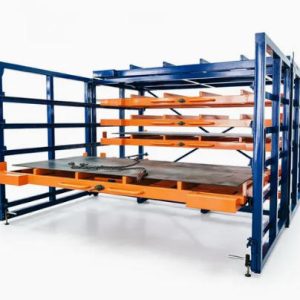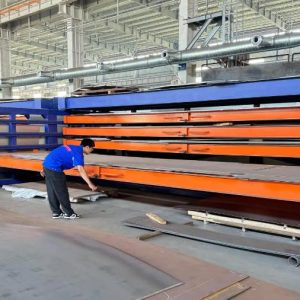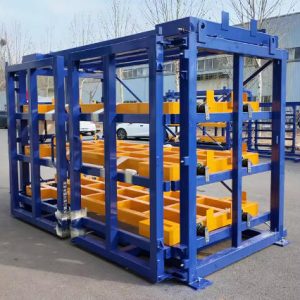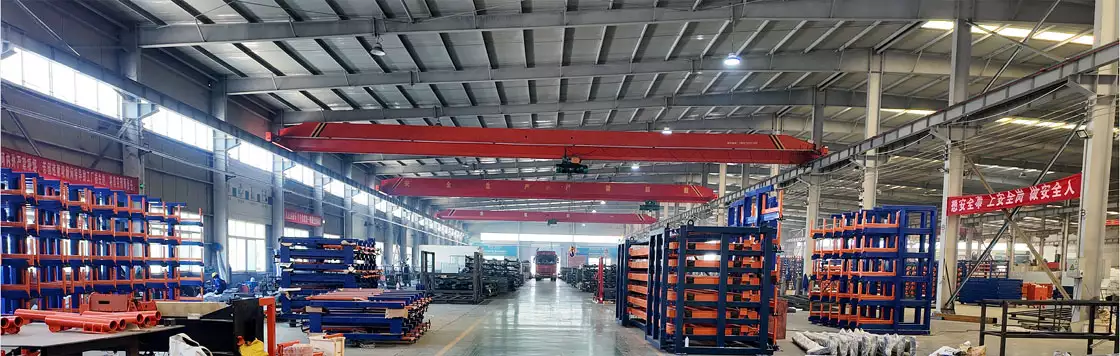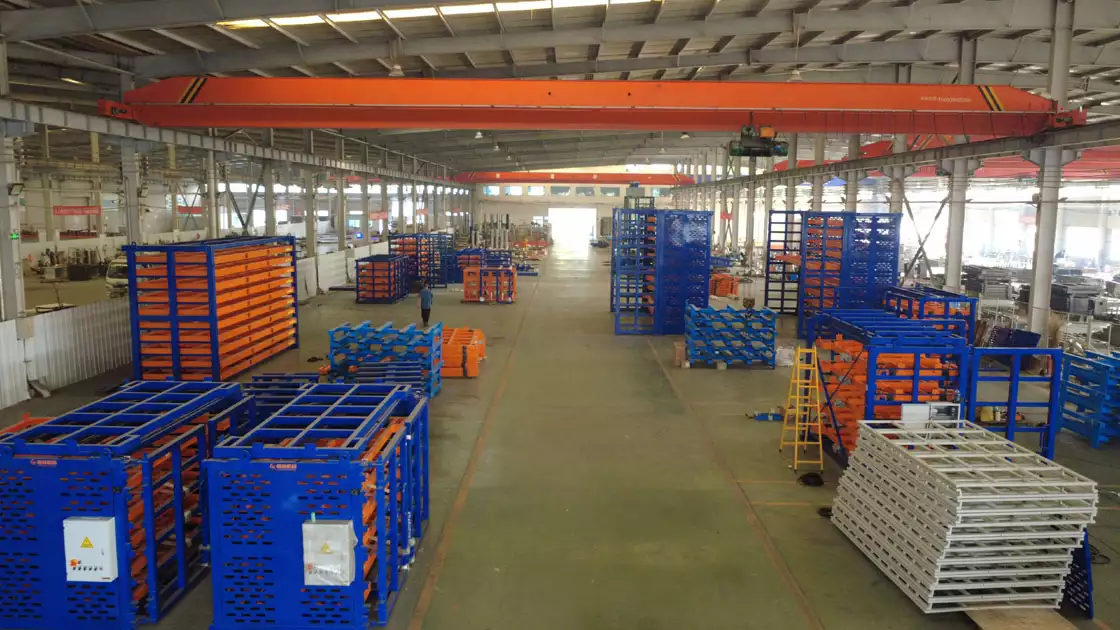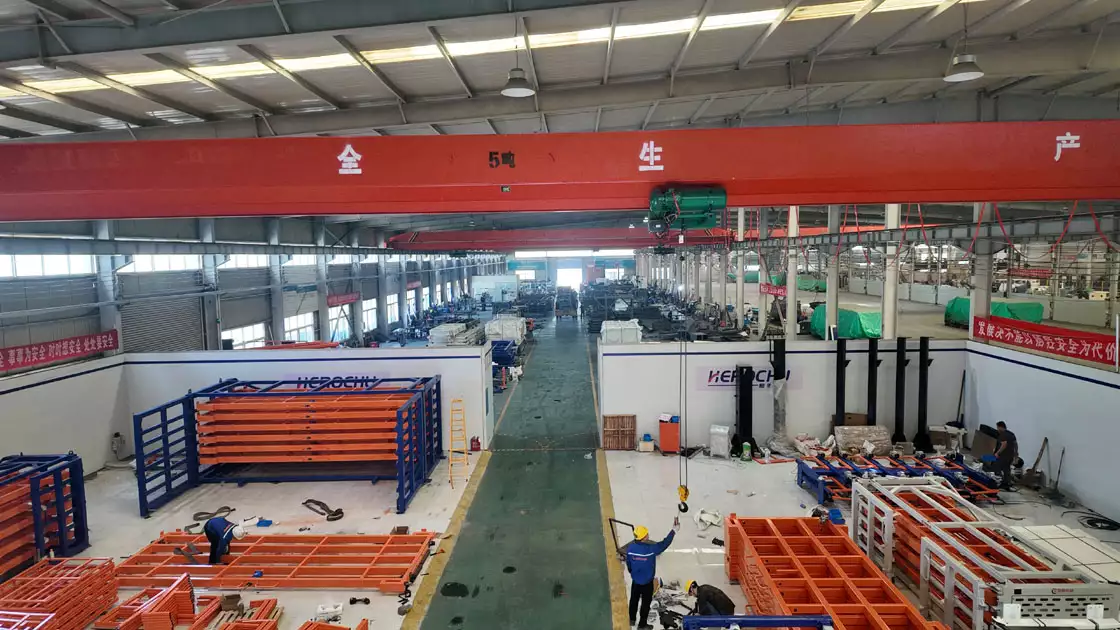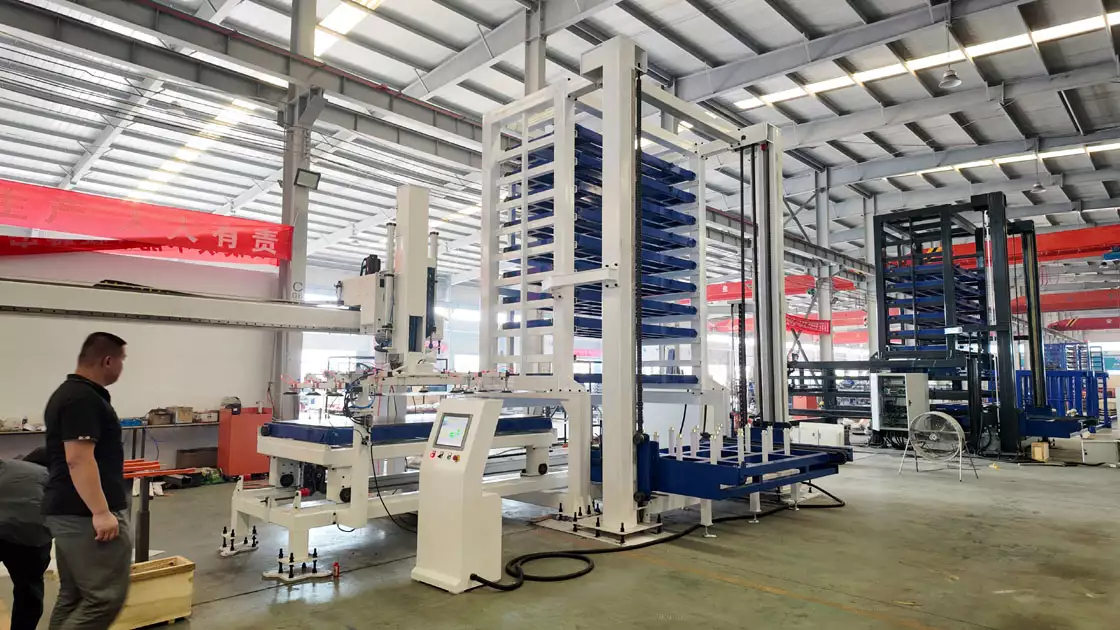
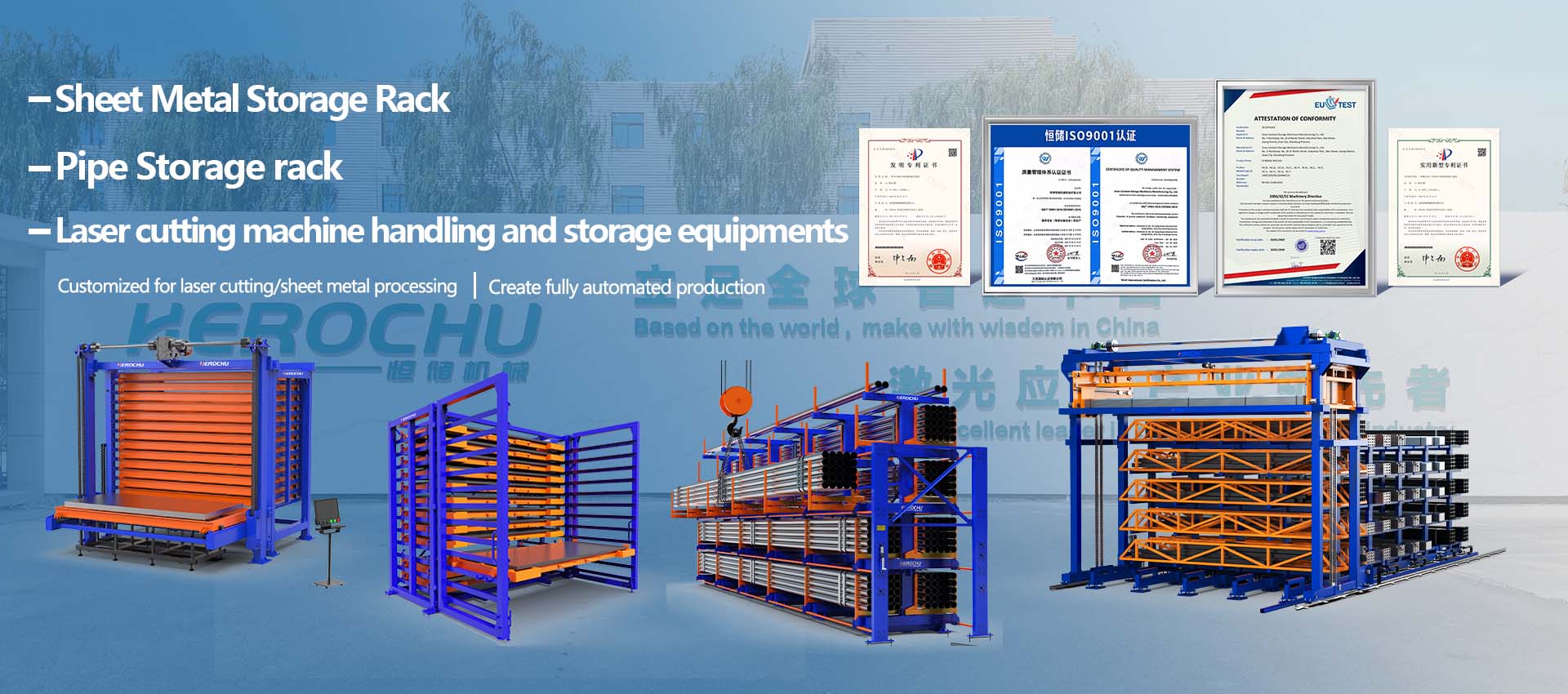
The trajectory of industrial automation is moving rapidly toward “lights-out” manufacturing—facilities that can operate with minimal human intervention, maximizing efficiency and safety. The Unmanned Automated Material Repository System is a critical component of this future, and the Herochu system stands at the forefront of this evolution. By removing the human operator from the hazardous environment of heavy material handling, Herochu not only enhances safety but also unlocks a level of operational consistency that manual labor cannot match.
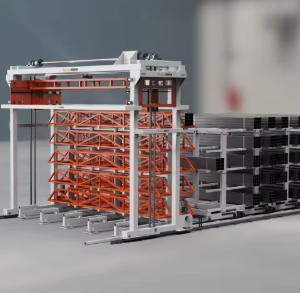
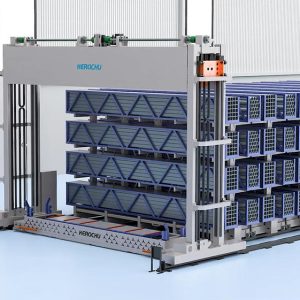
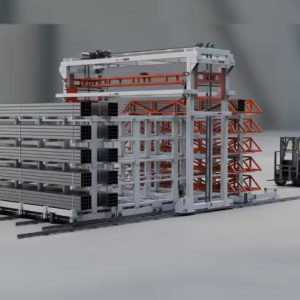
The primary enabler of this unmanned capability is the system’s self-contained structural design. In a traditional warehouse, the building and the storage racks are separate entities, with cranes bridging the gap. This separation requires human oversight for safety, lighting, and navigation. Herochu integrates the storage medium and the retrieval mechanism into a single, cohesive unit. The gantry robot, operating on precision linear guide rails, functions within a dedicated safety envelope, eliminating the need for human presence in the storage aisles. This allows the system to operate in the dark, reducing energy consumption and allowing for continuous, 24/7 material flow without the constraints of shift work or operator fatigue.
The operational logic of the Unmanned Automated Material Repository System prioritizes reliability and load stability over raw speed. The Herochu gantry utilizes a robust chain drive to move loads of up to 5 tonnes per layer. With vertical and horizontal speeds of 9 m/min and 12 m/min respectively, the system moves with a deliberate, controlled cadence. This is essential for an unmanned environment where there is no human to correct a swinging load or a misaligned placement. The system’s precision ensures that every pick-and-place cycle—averaging 15–20 per hour—is executed flawlessly. This consistency allows the repository to interface seamlessly with upstream and downstream automated processes, such as laser cutting or CNC machining centers, creating a continuous digital thread of material flow.
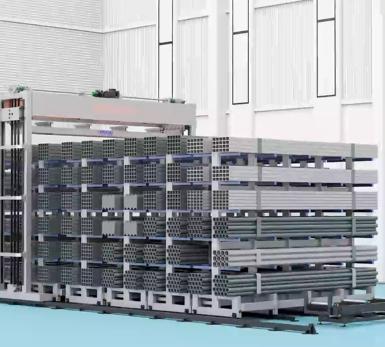
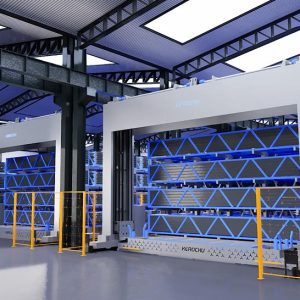
Space efficiency is another pillar of the Herochu unmanned philosophy. By utilizing a high-density vertical configuration with up to 13 levels, the system stores up to 500 tonnes of material in a mere 200 square meters. In an unmanned facility, where the goal is to maximize the ratio of storage to footprint, this density is invaluable. The elimination of wide forklift aisles means that the “cube” is used exclusively for revenue-generating inventory. The system’s modular widths (6015mm, 6020mm, 6025mm) and scalable height (8 to 13 levels) allow it to be deployed in a variety of facility types, from compact urban manufacturing hubs to vast industrial parks.
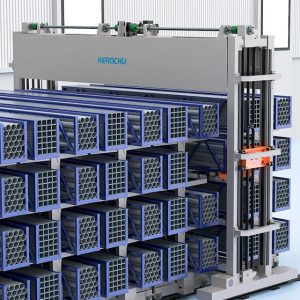
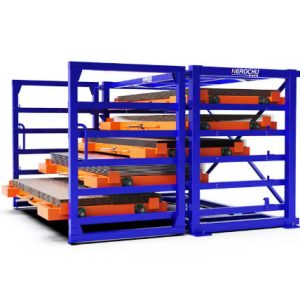
Moreover, the Herochu system’s ability to handle mixed loads—from single heavy items to bundled profiles—makes it a versatile hub for diverse manufacturing needs. It acts as a buffer and a reservoir, absorbing the variability of supply chain deliveries and releasing materials at a steady, controlled rate to the production floor. By adopting this unmanned automated repository, industrial facilities are not just buying a storage rack; they are investing in a resilient, future-proof infrastructure that minimizes real estate costs, maximizes safety, and ensures that the flow of materials never stops.