What is the difference between a honeycomb rack and a cantilever rack for pipe storage?
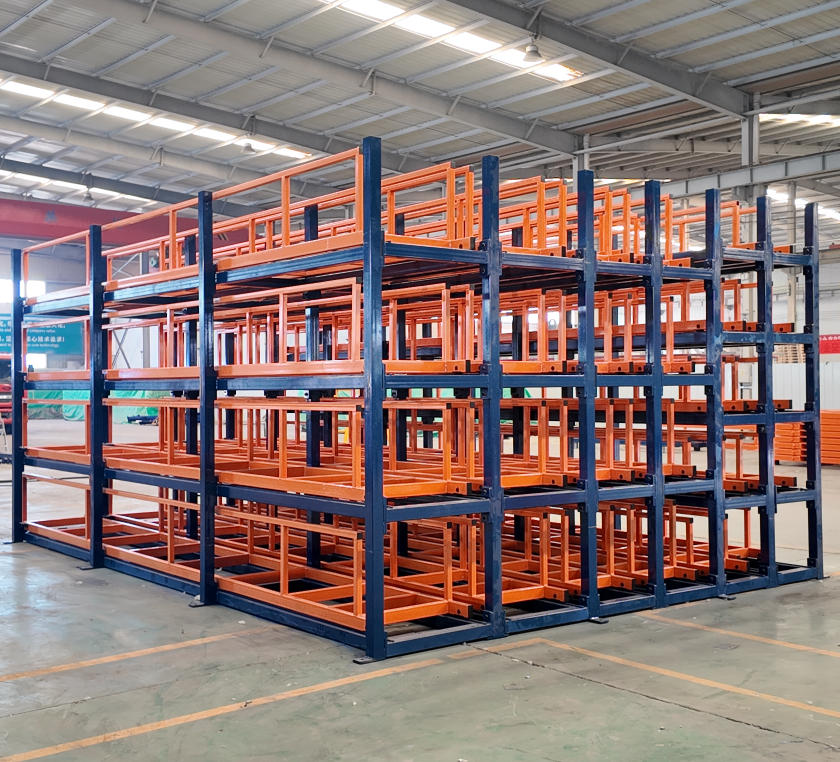
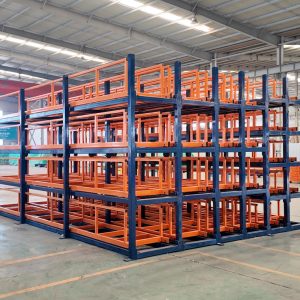
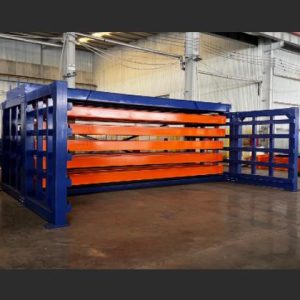
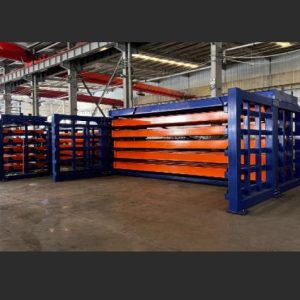
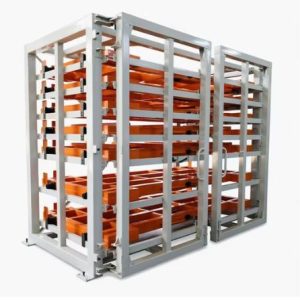
A honeycomb rack uses independent compartments for each pipe bundle, while a cantilever rack stores material on open horizontal arms. Independent comparisons report honeycomb systems achieving roughly 90% area utilisation versus about 55% for roll-out cantilever systems, largely because the cantilever layout requires a wider access aisle.
Can a Herochu honeycomb rack store both 6m and 12m pipe in the same structure?
Yes, through customisable bay counts and compartment dimensions. The HC-series spans 6000 mm to 12000 mm material lengths, and bays can be dedicated to specific diameter bands or length groups within one vertical frame.
What does “3000 kg per level” mean in practice?
It is the maximum uniformly distributed load the storage level is rated to support. For bundles with uneven weight distribution or concentrated loads, the effective capacity should be confirmed against the actual loading pattern before operation.
Does a CE-marked honeycomb rack automatically comply with EN 1090-1?
Not necessarily. The CE mark must reference the applicable harmonised standard and the conformity assessment route. Buyers should confirm the standard number, edition, and execution class on the certificate rather than relying on the mark alone.
Is EN 1090-1 required for a freestanding rack inside a factory?
It depends on classification. EN 1090-1 applies to structural steel components placed on the market as construction products. A freestanding rack may be assessed against the standard voluntarily or treated as internal storage equipment; the applicable route should be stated in the project specification.
What is the difference between EN 1090-1 and EN 1090-2?
EN 1090-1 sets the conformity assessment and factory production control requirements for CE marking. EN 1090-2 defines the technical execution rules for steel structures, including welding, tolerances, and inspection.