
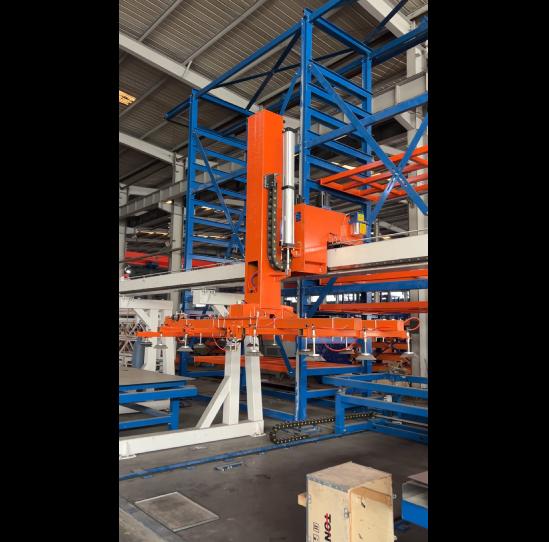
Automated Material Handling System for Laser Materials
Automation in sheet metal fabrication is often presented as a single decision: either a shop automates or it does not. That framing is unhelpful and inaccurate. Most fabricators do not leap from fully manual operations to lights-out production in one step. They move incrementally, starting with the bottleneck that costs the most and adding capability as volume and confidence grow.
Herochu’s approach to automated material handling for laser materials reflects this reality. The product line spans from entry-level loading and unloading systems to integrated storage towers and sorting solutions, with each module designed to work with the others as a shop’s needs evolve. Understanding this modular path helps fabricators plan automation as a sequence rather than a single purchase.
The First Step: Loading and Unloading
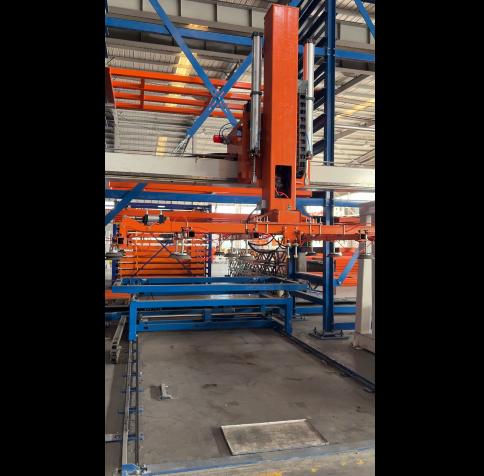
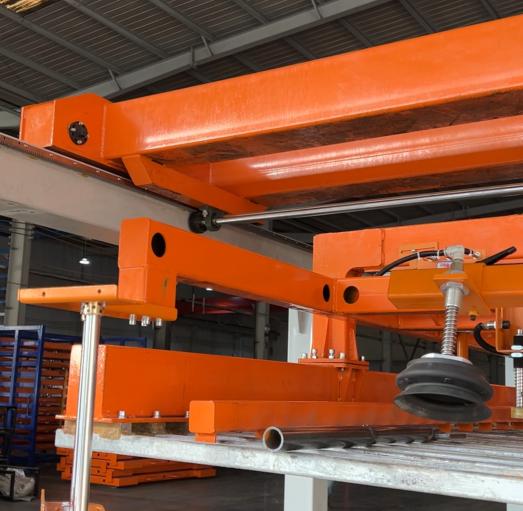
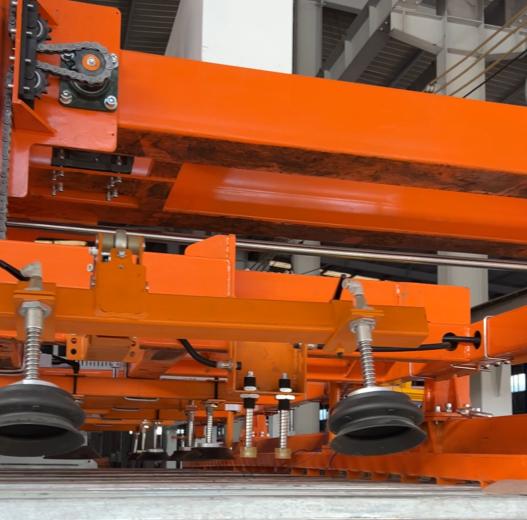
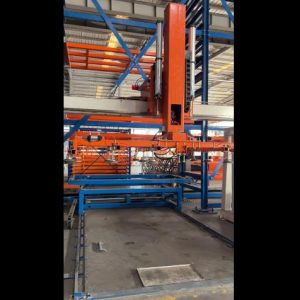
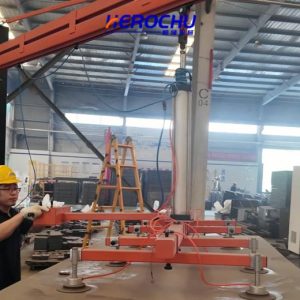
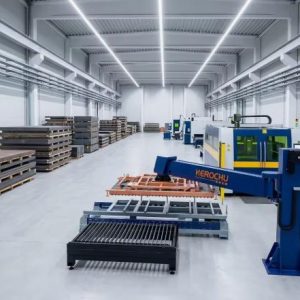
The most common starting point is the loader and unloader. These systems address the most visible and measurable inefficiency: the laser sits idle while material is handled manually. A Herochu loading system with vacuum suction and a tine-based unloader can be installed alongside an existing laser cutter, whether that machine is a recent model or a workhorse that has been in service for years.
The immediate benefit is reduced idle time. The laser cycles through jobs with minimal gaps. The operator is freed from the physical work of lifting and positioning sheets, which reduces fatigue and injury risk. For a shop running one or two shifts, this alone often justifies the investment.
But the loader and unloader do not solve every material flow problem. Raw sheets still need to be stored somewhere. Finished parts still need to be sorted and moved to the next operation. These are the problems that the next level of automation addresses.
Adding Storage: The Tower
Sheet metal storage is a hidden source of inefficiency in many shops. Sheets are stacked on the floor, leaned against walls, or stored on racks that require a forklift to access. Finding the right material for a job can take minutes that add up to hours over a week. Storing material improperly can damage edges and surfaces, leading to scrap.
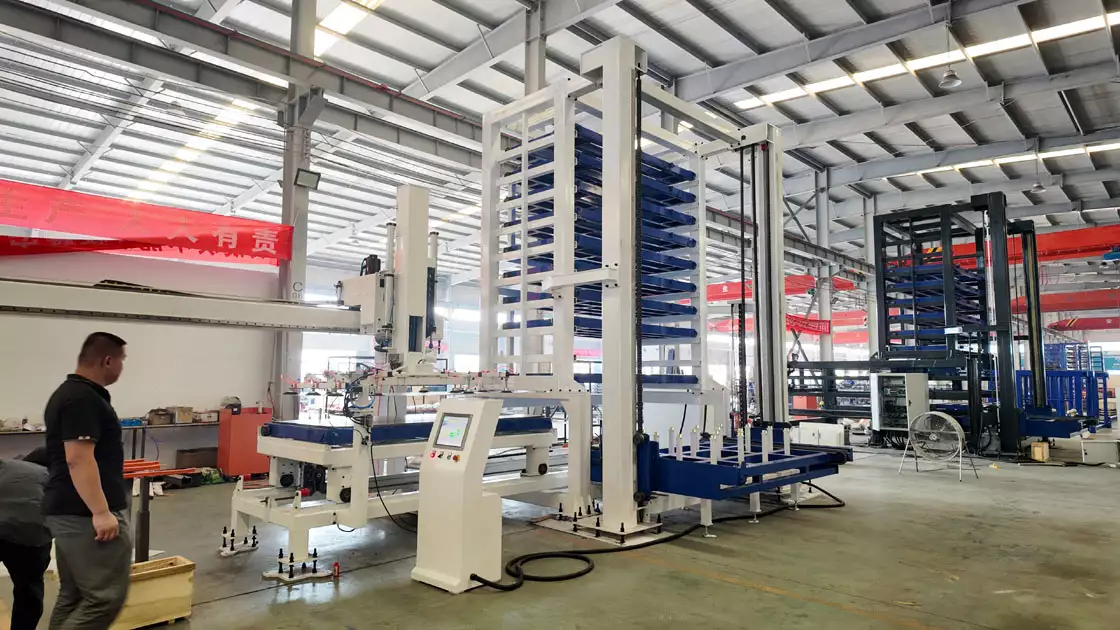
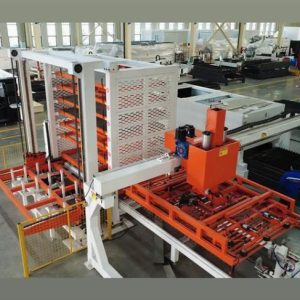
Herochu’s automated storage towers bring order to this chaos. Sheets are stored in defined locations, indexed by the control system, and retrieved automatically when needed. The tower integrates with the loading system so that the right sheet arrives at the laser at the right time without an operator searching through stacks. Storage density increases because the tower uses vertical space rather than floor area. And material protection improves because sheets are handled by machine rather than by forklift.
The tower is not a prerequisite for loading automation. A shop can run the loader from a manual stack and add storage later. But shops that combine loading with storage often see a larger return because the two systems eliminate different sources of idle time.
Sorting: The Final Piece
For shops cutting complex nests with many small parts, sorting is the remaining manual bottleneck. After cutting, someone must separate the finished parts from the skeleton and organize them for the next operation. This is tedious, error-prone work. Parts can be mixed up, damaged, or lost.
Herochu offers sorting integration that automates this step. The system identifies and separates finished parts from the skeleton, placing them in designated locations based on the job or downstream process. This capability is particularly valuable for shops running high-mix production, where each job may have dozens of distinct part numbers that must remain segregated.
Sorting is typically the last automation step because it is the most complex. It requires vision systems or programmed part locations, and it works best when the upstream loading and storage are already stable. A shop that adds sorting before stabilizing its loading process will struggle with the complexity. A shop that builds incrementally reaches sorting with a reliable foundation.
The Integration Thread
What connects these modules is the control system. Herochu’s automation products share a common software architecture that coordinates material flow across loading, storage, and unloading. The system knows what material is in storage, what job is scheduled next, and when the laser will be ready for the next sheet. This coordination is what transforms individual automation components into a production system.
For fabricators, this integration has a practical implication: the order of purchase matters less than the compatibility of the components. A shop can start with the loader and add the tower later, or start with storage and add loading afterward, as long as both are designed to work together. Herochu’s modular design ensures this compatibility, which protects the initial investment as the shop grows.
When to Stop Automating
Not every shop needs full automation. A job shop with low volume and high variety may find that loading automation alone provides the needed relief. A prototype shop may prefer to keep manual handling for its flexibility. The goal is not to automate everything. The goal is to automate the parts of the workflow that constrain throughput or create risk.
Herochu’s product range is designed around this principle. The entry-level systems are priced and sized for shops taking their first automation step. The higher-capacity systems serve shops that have outgrown entry-level and need more throughput or heavier material handling. And the storage and sorting modules are available when the shop is ready to address the next bottleneck in the flow.
A Practical Sequence
For a fabricator planning automation, a reasonable sequence looks like this. First, measure the actual idle time on the laser. If loading and unloading consume more than a small fraction of the shift, start there. Second, assess storage. If operators spend significant time finding or moving material, add a storage tower. Third, evaluate sorting. If part separation consumes labor hours or causes errors, consider automated sorting.
Each step builds on the previous one, and each step has a measurable return. The shop does not need to commit to the full sequence at once. It can implement the first step, measure the result, and decide whether the next step makes sense.
Herochu’s role in this process is to provide the equipment and the engineering support that makes each step work. The company does not sell a single monolithic system that must be purchased all at once. It sells modules that can be combined as the shop’s needs evolve. That flexibility is what makes automation accessible to fabricators who are not ready to rebuild their entire production floor.
The path to automation is a series of decisions, not a single leap. Herochu builds systems for each step along that path.
FAQ Section
Q: Can I add automated storage later after installing a loading system?
A: Yes. Herochu designs its loading systems and storage towers to work together, but they can be purchased separately. A shop can start with loading automation and add storage when material management becomes the next bottleneck. The control software supports both configurations.
Q: What is the difference between an entry-level and advanced automation setup?
A: Entry-level automation typically includes loading and unloading only. Advanced setups add automated storage towers, sorting systems, and integration with downstream processes like bending. Herochu’s modular design allows shops to start simple and expand as production volume grows.
Q: Does automated sorting require a different loading system?
A: No, sorting is an add-on capability. Herochu’s sorting systems integrate with the same material handling architecture as the loading and unloading modules. Shops can add sorting when part separation becomes a bottleneck without replacing the existing loader.
FAQ
Here are some frequently asked questions about our sheet metal racks and pipe storage solutions. We hope you find them helpful!
Q1: Can I request a custom size or color?
Absolutely. We offer complimentary design services and deliver efficient, tailored solutions to meet your specific requirements.
Q2: Are you a manufacturer or a distributor?
We are a direct manufacturer with over 15 years of industry experience and expertise.
Q3: Is there a minimum order quantity?
No. We welcome orders of any size, starting from a single unit.
Q4: How can I get detailed product information?
Click the “Get a Quote” button to receive product images, detailed specifications, and videos. Our team is always ready to assist.
Q5: How do I provide my storage rack requirements?
Simply share the type, dimensions, and quantity of materials you plan to store, along with any other specific needs. We will develop a professional storage solution for you. Alternatively, leave your contact details for a personalized consultation.
Q6: Do you offer automated loading systems or robotic arms?
Yes. We provide loading robotic arms and integrated loading/unloading systems tailored to your laser cutting machine’s table size and material handling method (e.g., board rack, exchange platform, or material warehouse). Contact us with your details for a customized proposal.
Q7: Do you provide on-site installation and debugging?
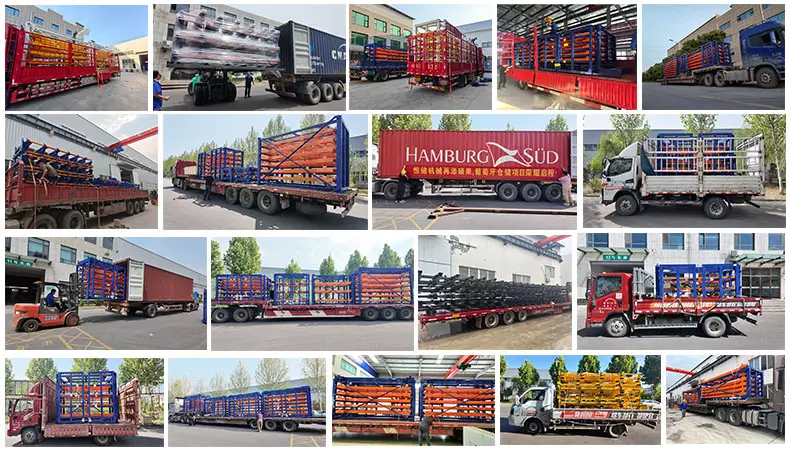
Yes. Our technicians can travel to your facility for installation and debugging, ensuring successful operation. We have served clients globally, including in the USA, South Korea, Russia, Qatar, Mexico, South Africa, Egypt, and Lebanon.
Q8: How do you ensure product quality?
Our quality assurance includes:
A team of over 40 technical engineers for professional debugging and support.
A dedicated quality control department compliant with ISO9001 standards.
CE certification for all exports.
Rigorous load testing before shipment to ensure structural safety and reliability.
Q9: Where is your factory located?
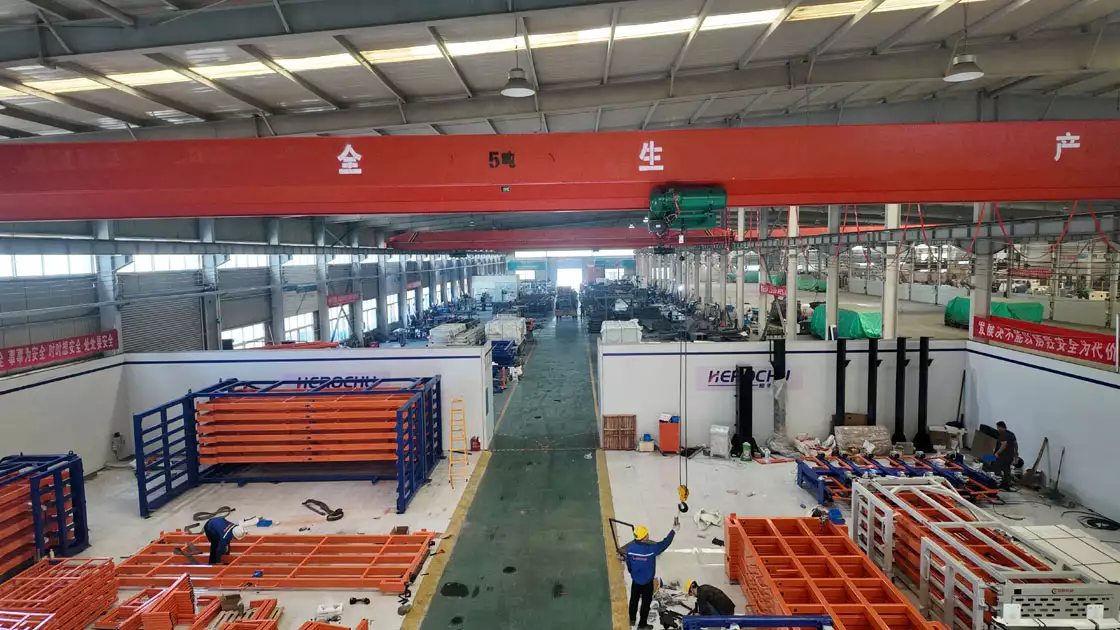
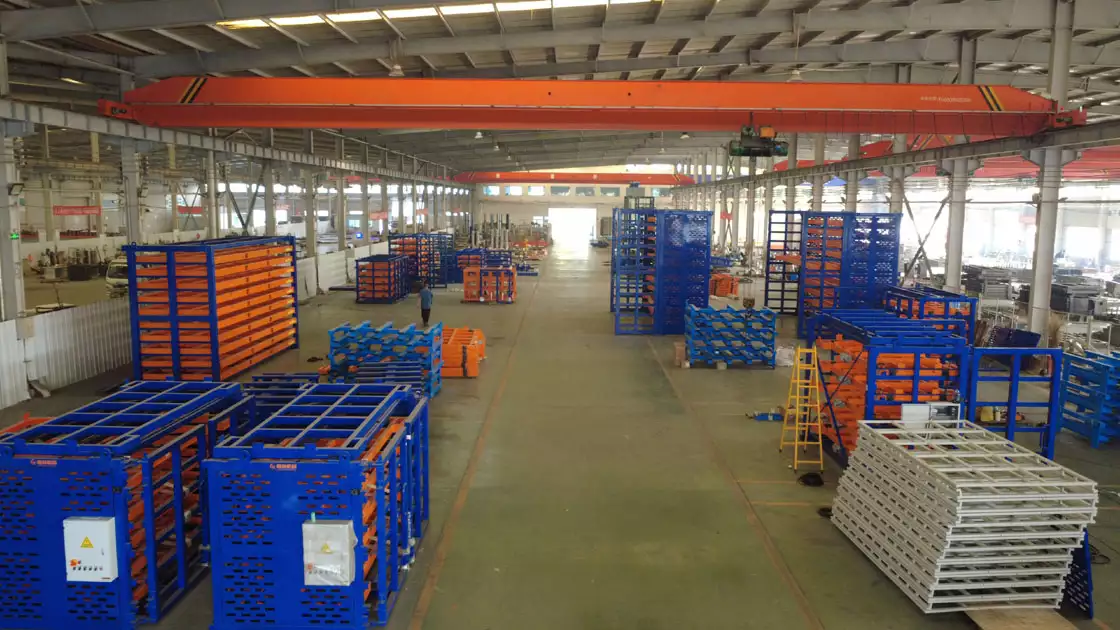
Our modern 10,000-square-meter manufacturing facility is located in Jiyang Industrial Park, Jinan, Shandong, China.
Q10: How can I evaluate your company’s capabilities?
We offer virtual video factory tours and warmly welcome on-site visits.
Q11: What does your company specialize in?
Jinan Constant Storage Machinery Manufacturing Co., Ltd. is a high-tech enterprise specializing in the R&D, production, sales, installation, and service of intelligent storage solutions. Our product range includes sheet material warehouses, drawer-style shelves, cantilever racks, servo manipulators, gantry loaders, and fully automated handling systems. Supported by a skilled technical team and advanced equipment, we are committed to delivering high-performance storage products and solutions to customers worldwide.
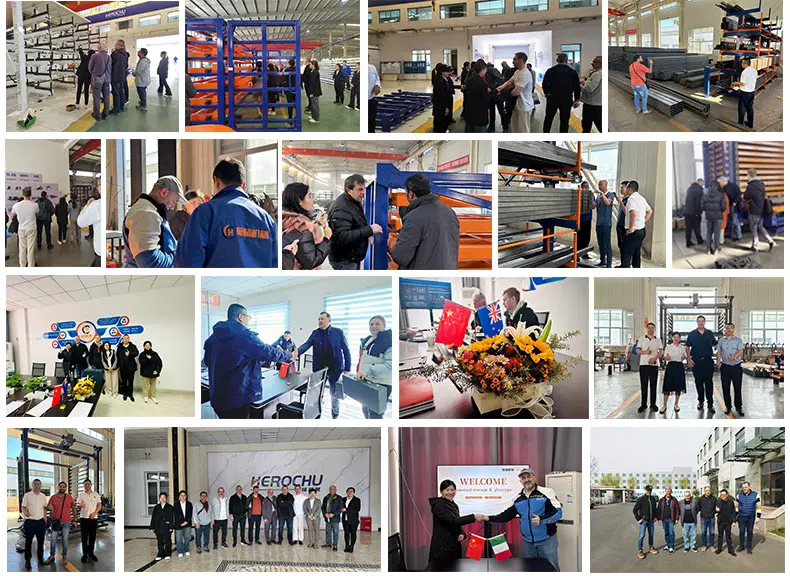
Customer visit
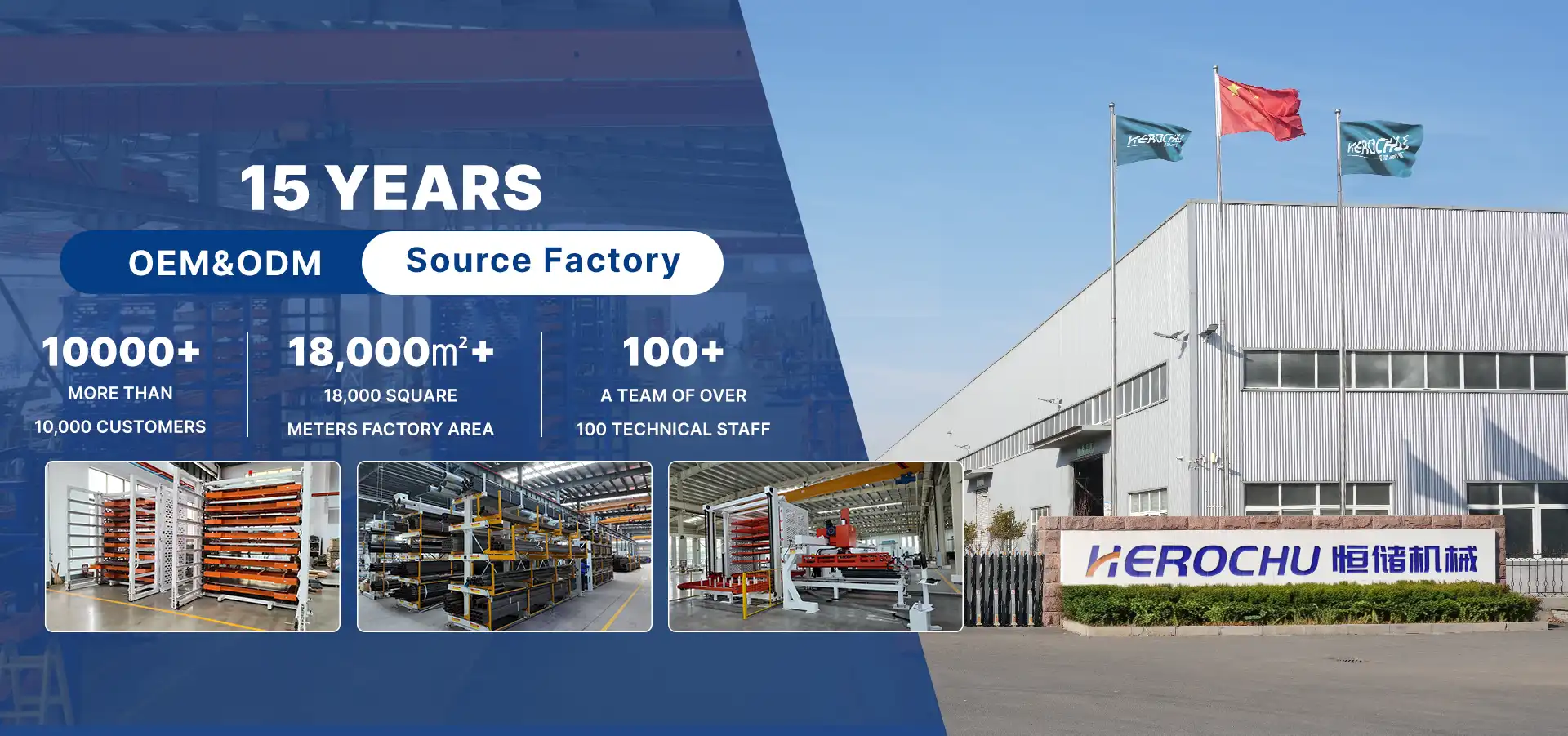
Herochu has always been adhering to the market-centric approach to meet customer requirements to the maximum extent, and the business philosophy of “creating brands with heart and gaining reputation with sincerity”. It provides customers with high-quality products and services with rigorous military quality, professionalism, and excellence, and has won unanimous praise in the Chinese aerospace, Chinese weapons, Chinese railways, automobile manufacturing, engineering machinery, non-ferrous metal titanium alloy and other industries.
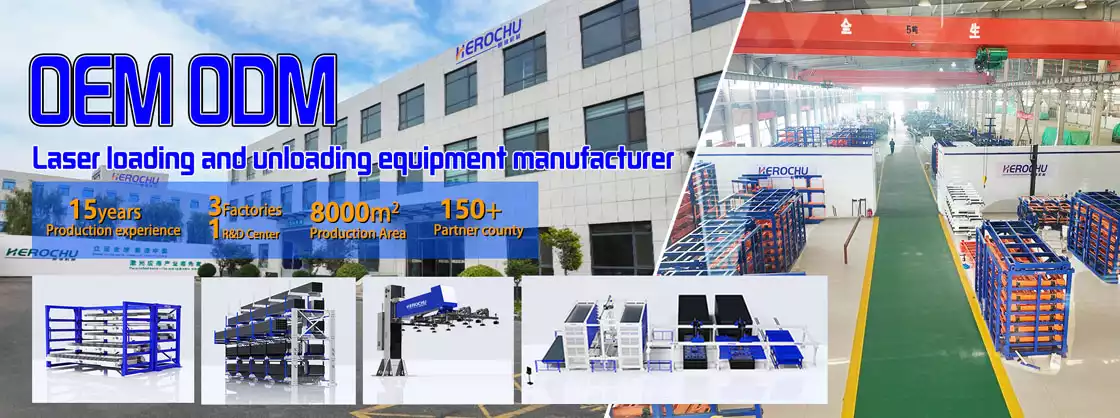
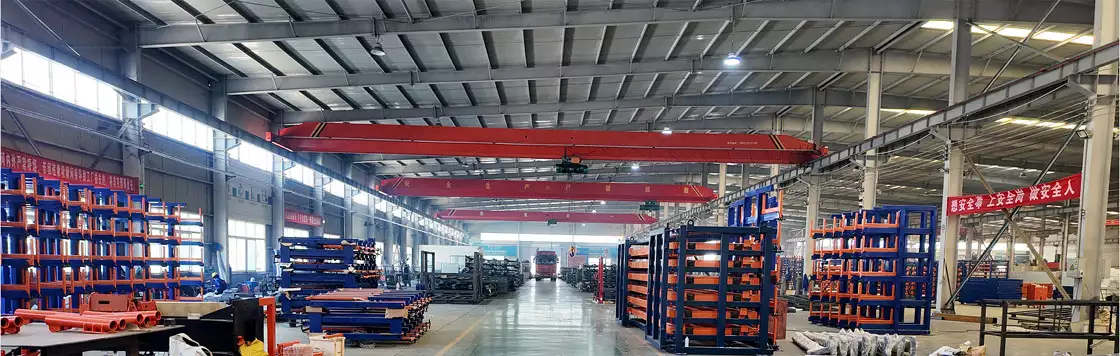
Factory

Hot Selling Machines
-
Automated Handling and Storage Solutions
Automated Material Handling System for Laser Materials
Read moreRated 0 out of 5 -
Laser Cutting Loading and Unloading System
Manual loading/unloading for sheet metal laser cutting machines
Read moreRated 0 out of 5 -
Laser Cutting Loading and Unloading System
Auto-Loading System for Laser Cutters
Read moreRated 0 out of 5 -
Gantry Loading and Unloading Manipulator
Automatic Loading and Unloading System for sheet metal
Read moreRated 0 out of 5 -
Steel Pipe Warehouse Storage Rack
Heavy duty pipe storage rack for 120 dia tubes & rod 50 to 120 dia
Read moreRated 0 out of 5 -
Heavy Duty Tube Storage Rack
Steel Tubes Cantilever Storage Rack for 6-Meter Profiles
Read moreRated 0 out of 5
Related products


Product Categories