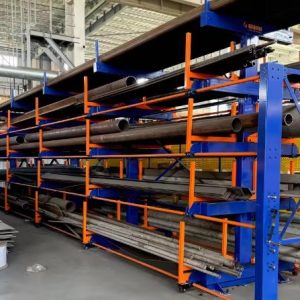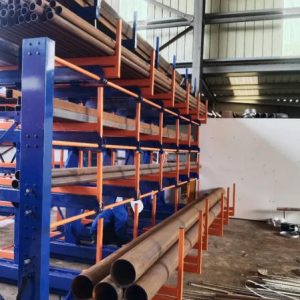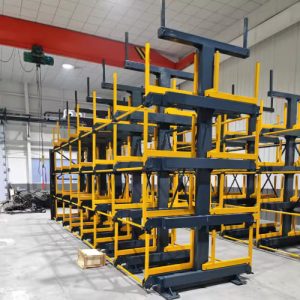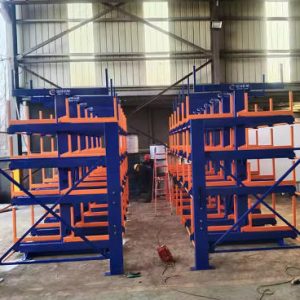
Q: Can the same system store both long mounting rails and shorter loose components?
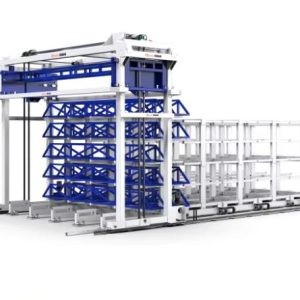
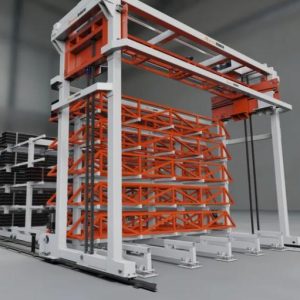
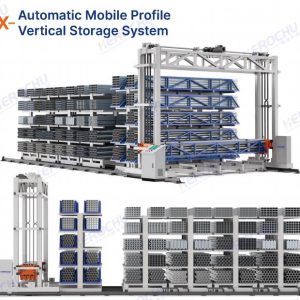
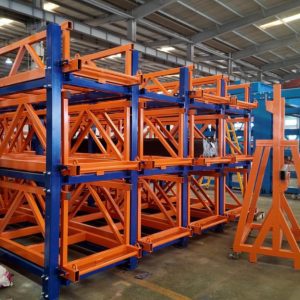
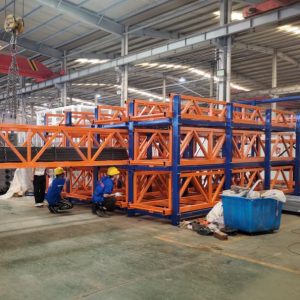
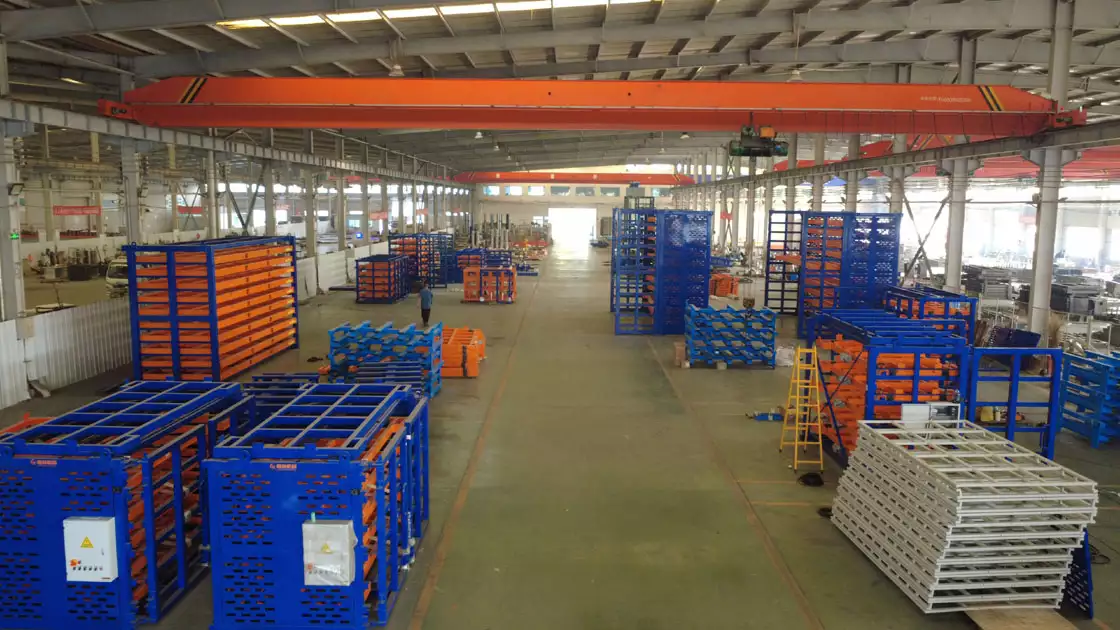
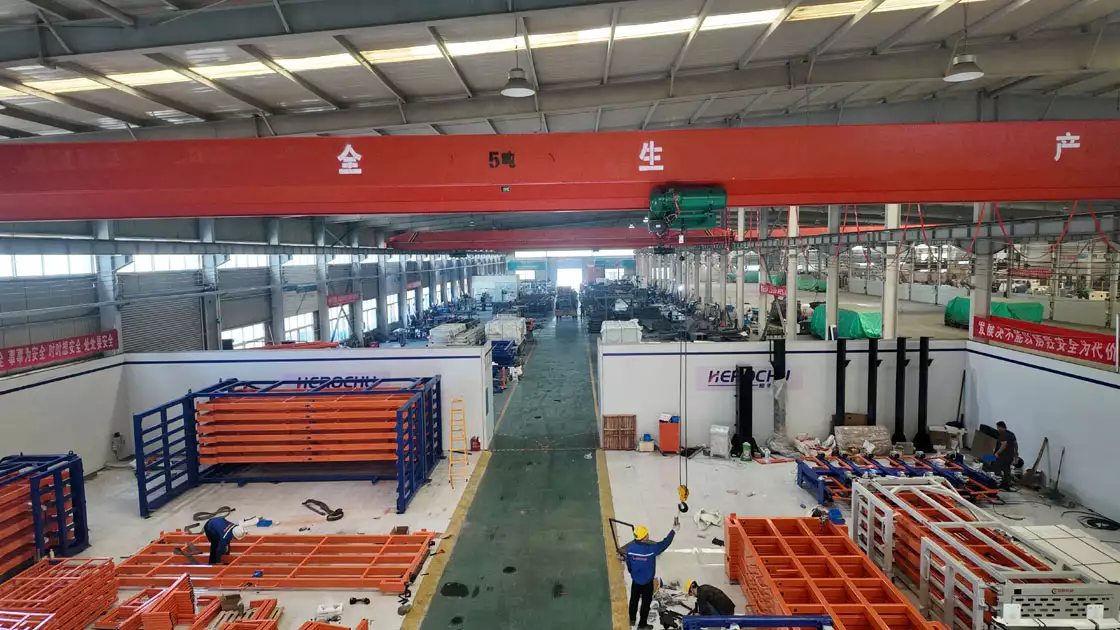
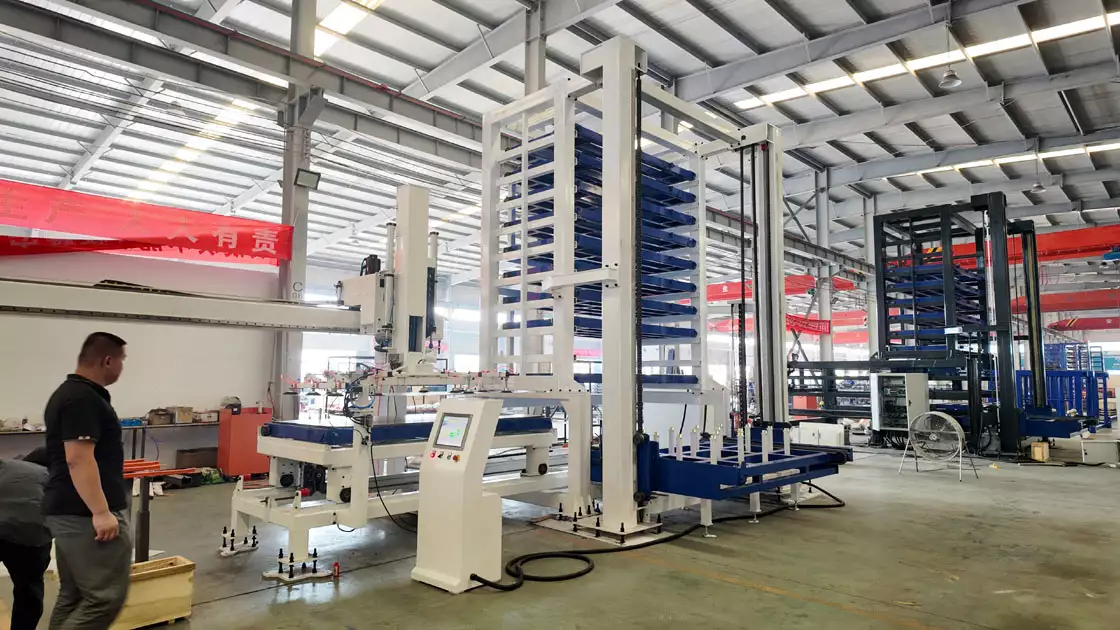
A: Yes, within the load and dimensional limits of the tray design. The tower architecture is not restricted to a single material length. Herochu customizes bin and tray configurations to the facility’s material mix, so long rails and shorter loose profiles can share the same automated storage footprint without compromising retrieval access.
Q: What about the finished modules—does long-profile ASRS handle those too?
A: The long-profile ASRS is designed primarily for the input stream: rails, channels, and structural profiles feeding assembly. Finished modules have different handling requirements, including fragile glass surfaces and strict stack limits. In a PV factory, the two streams are typically addressed with complementary storage architectures rather than forcing one system to handle both.
Q: What does “ISO 9001 and CE certified” actually cover on a custom ASRS?
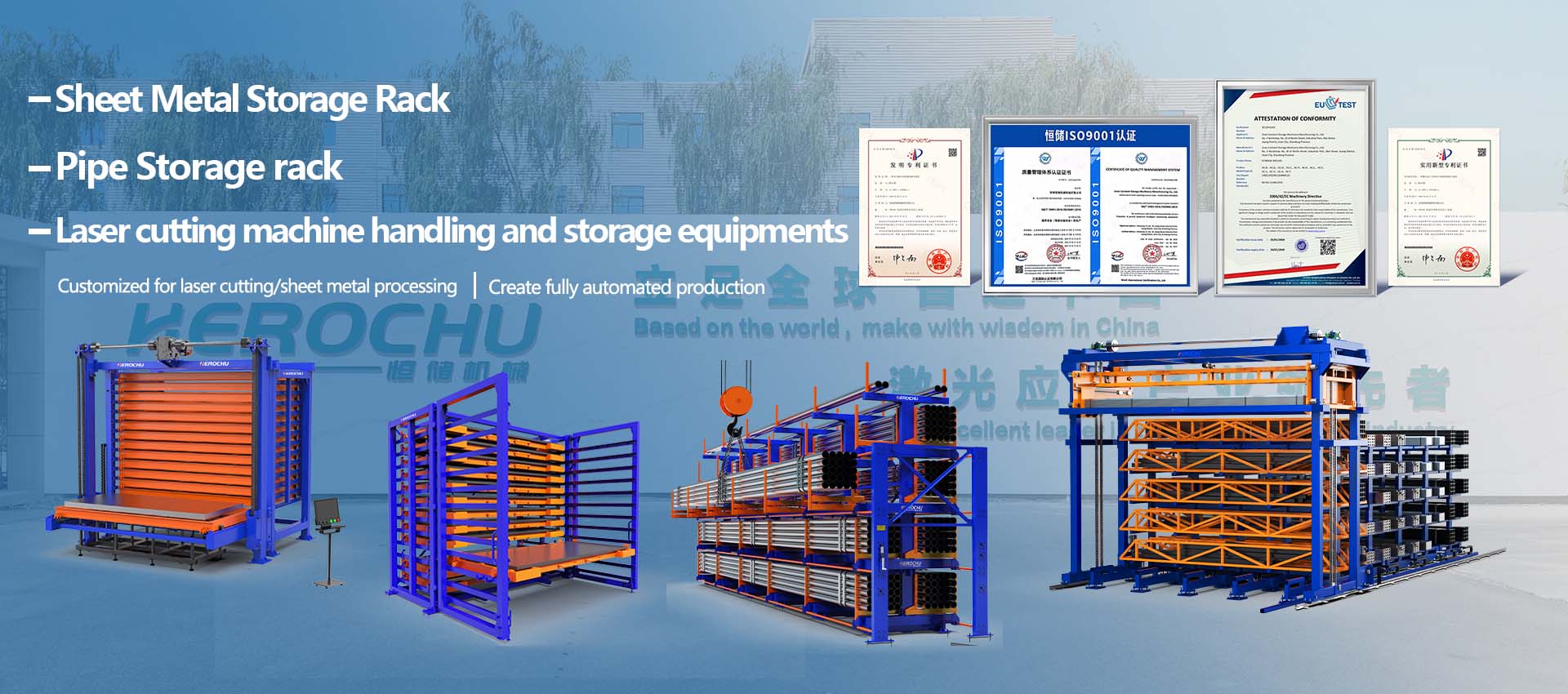
A: Certification applies to the manufacturing quality management system and the product’s conformity with applicable European health, safety, and environmental requirements. On a custom system, certification covers the engineered structure, the electrical and control components, and the safety devices—including anti-collision sensors and guarded access zones—rather than a fixed catalog design. Herochu’s systems are built to these certification standards as baseline specifications.
Q: How is safety handled when the system moves multi-ton bundles automatically?
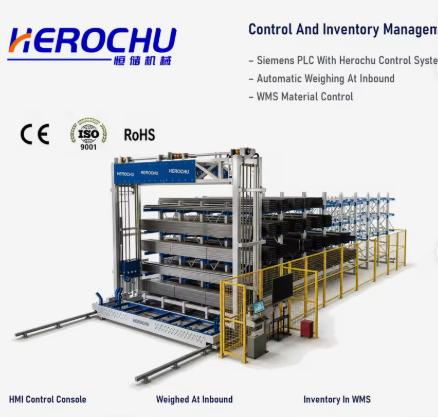
A: Through a combination of physical guarding, sensor-based anti-collision devices, and control logic that prevents the gantry from entering an occupied zone. The operator interface is outside the rack aisle, and the automated cycle is interlocked so that manual access during motion is not possible. The safety architecture is designed into the custom configuration rather than added as an afterthought.
Q: Can a custom ASRS be expanded later without replacing the whole system?
A: In most cases, yes. The modular tower architecture allows additional tower sections and layers to be added within the original engineering envelope, and the gantry travel and control system can be extended to cover the expanded rack array. The practical constraint is the building’s height and floor capacity, not the storage system’s modularity.