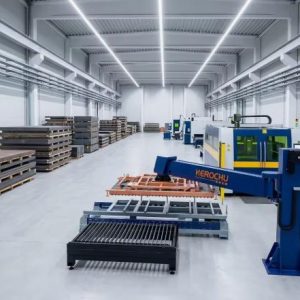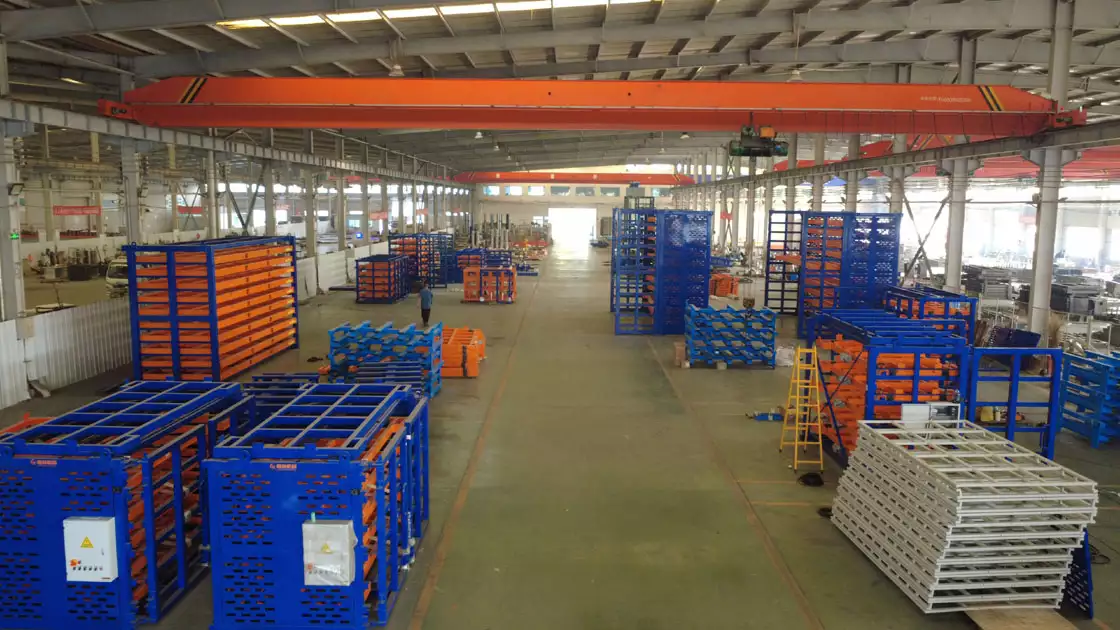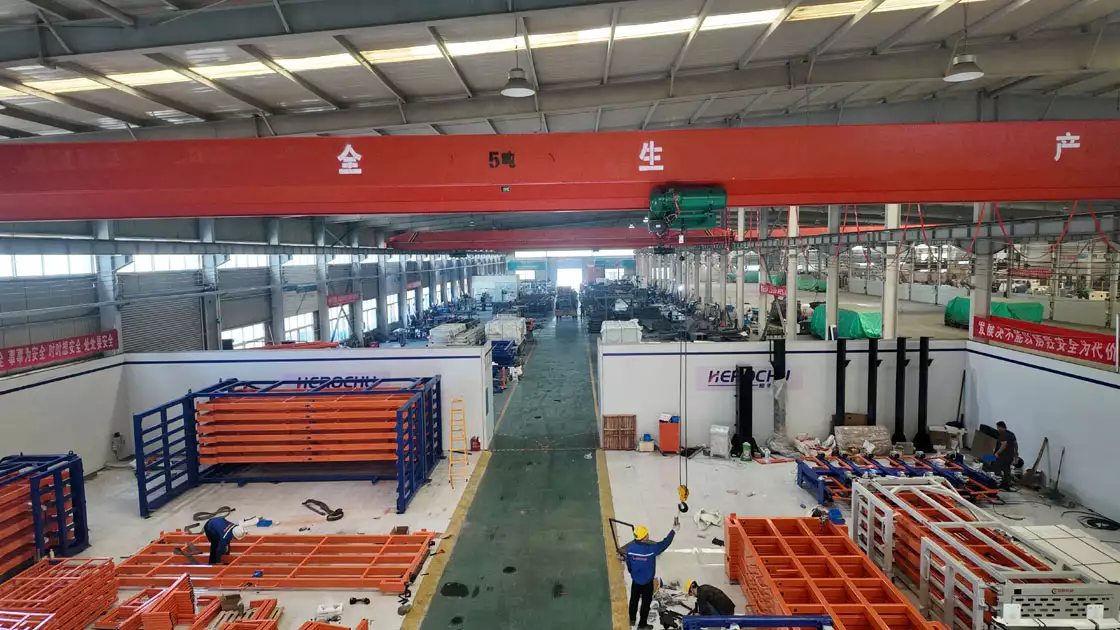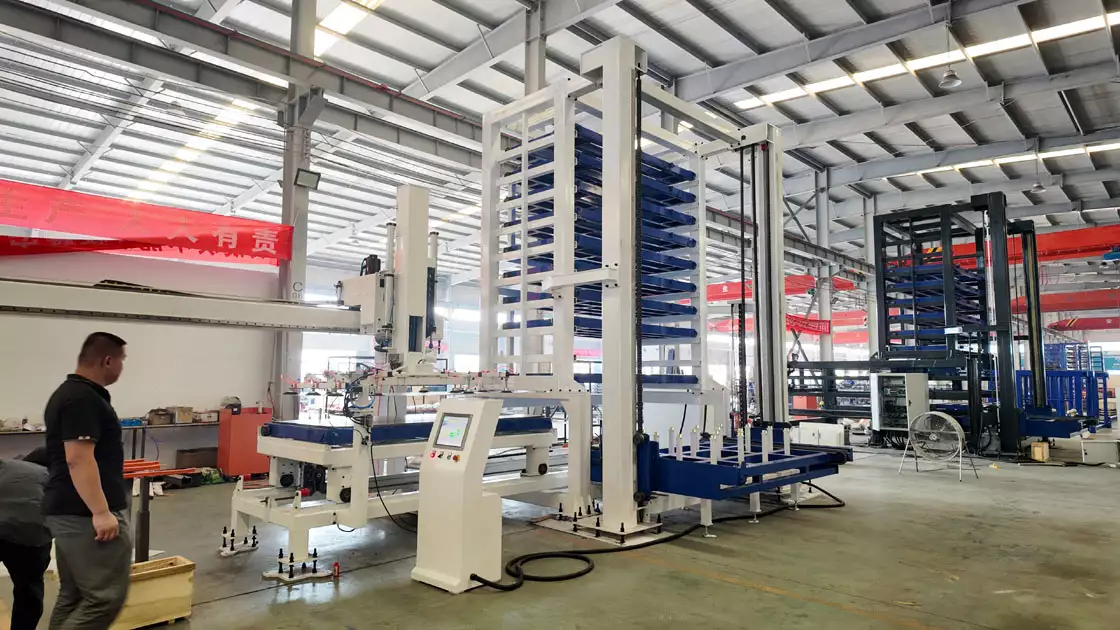
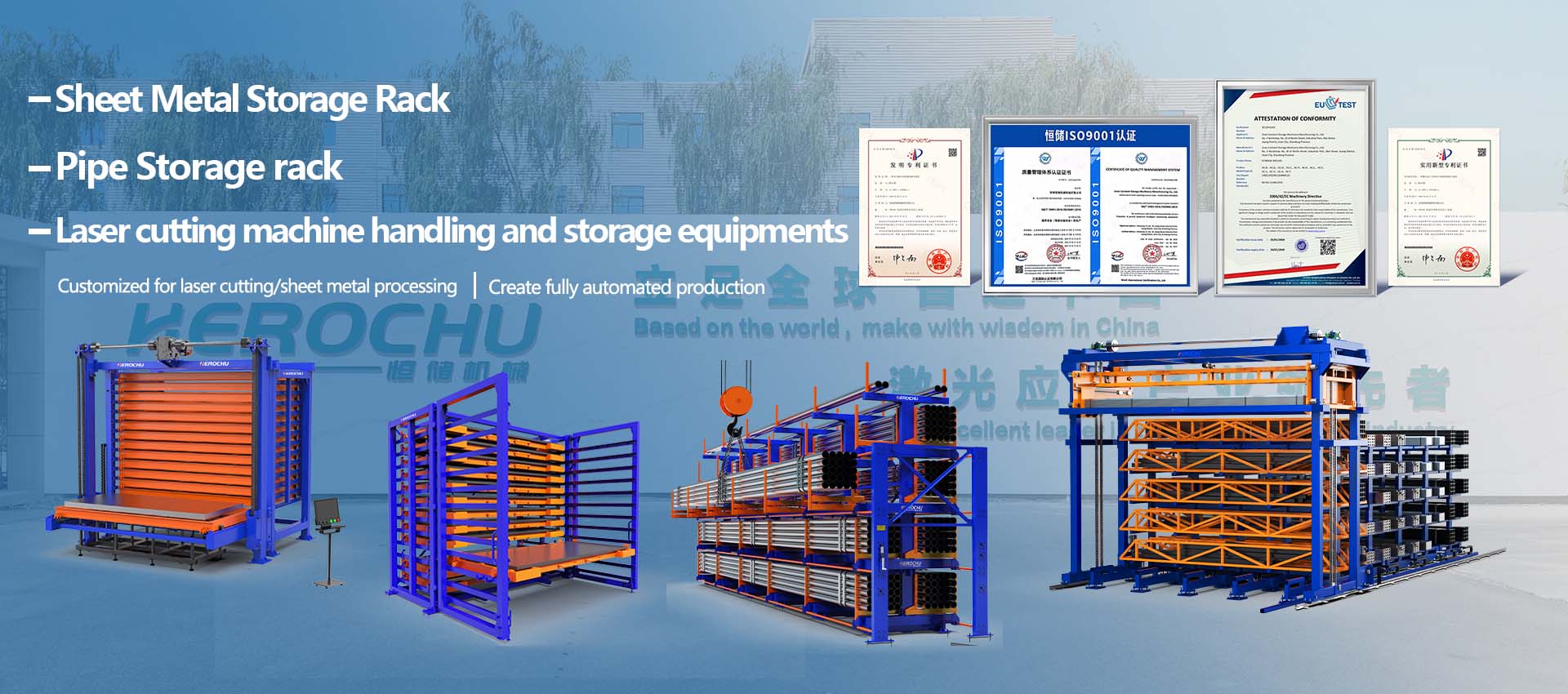
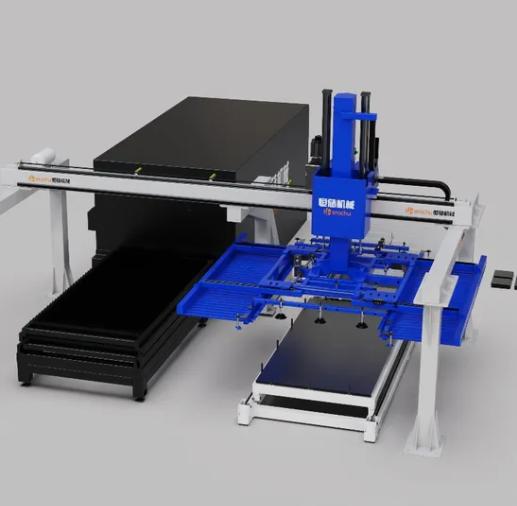
A laser cutting automation material handling system with loading and unloading links three functions: getting blanks onto the table, holding material between jobs, and clearing cut sheets and skeletons. Herochu builds them as modular layers — gantry loader/unloader, storage tower, sorting unit — so a shop can begin with handling and add storage when throughput requires it.
The three layers of a handling system
Most automation failure in sheet metal shops is not a machine failure. It is a flow failure: the laser finishes a sheet and waits, because the next pallet is two aisles away on a forklift. A laser cutting automation material handling system with loading/unloading is built to remove that wait, in three layers.
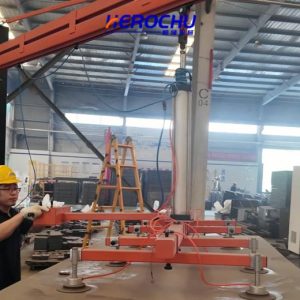
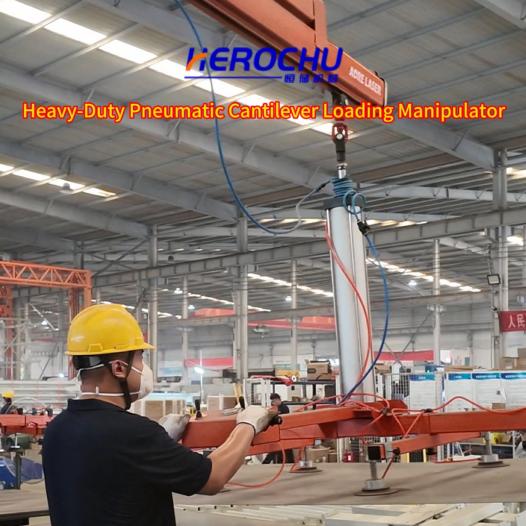
Transfer. A gantry with vacuum cups loads the blank; a tine fork unloads the finished sheet. This is the minimum viable automation — the laser never waits for someone to walk over with material.
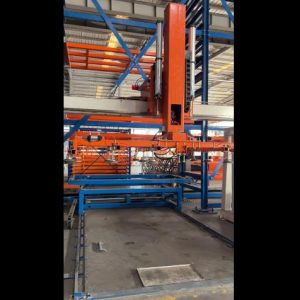
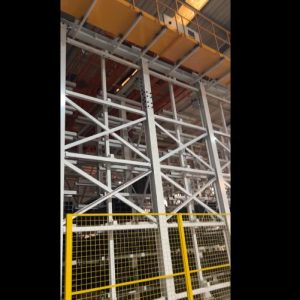
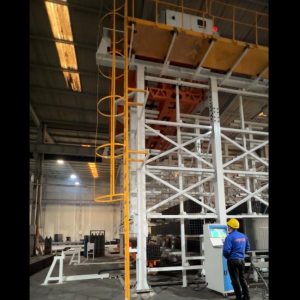
Buffer. A storage tower holds several pallets or cassettes, so the loader can refill itself with nobody present. This turns a handling system into unattended capacity.
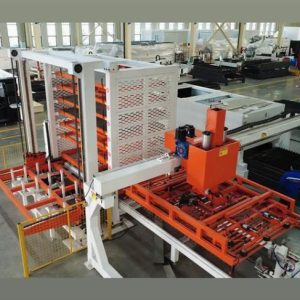
Output. A sorting or stacking unit removes parts and skeletons, so the table clears without manual intervention.
A shop can buy the transfer layer alone and see immediate gains. It cannot buy the output layer alone and expect anything, because parts still have to reach the table first. The order of adoption matters more than the total spend.
What the transfer layer does
Herochu’s HC-RL series is that layer. Two models cover the common formats:
| Model | Sheet size | Max. load | Lifting speed | Stroke | Repeatability | Air supply |
|---|---|---|---|---|---|---|
| HC-RL2513-300 | 2500 × 1300 mm | 300 kg | 5–10 m/min | 700 mm (custom) | ±2 mm | 0.6–0.7 MPa |
| HC-RL3015-500 | 3000 × 1500 mm | 500 kg | 5–10 m/min | 700 mm (custom) | ±2 mm | 0.6–0.7 MPa |
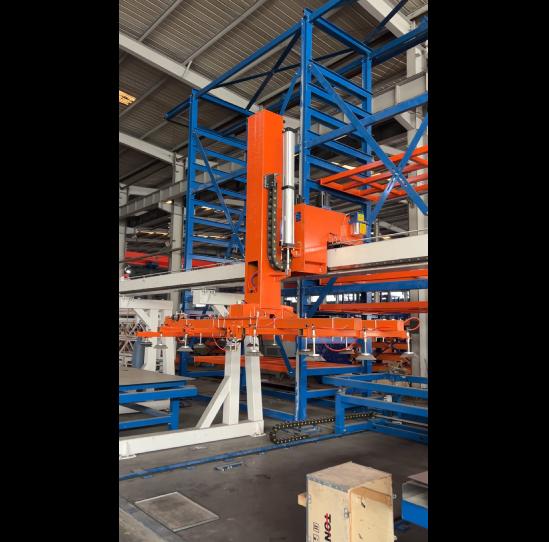
Loading runs on computer-controlled vacuum suction, which lets one frame handle different sheet sizes without mechanical changeover. Unloading runs on tines that slide under the cut sheet and lift it clear of the slats — the only dependable way to move a skeleton cut into a lattice.
The unit integrates with any laser cutting machine through a standard signal handshake, so it retrofits to a fiber laser already in service as readily as it ships with a new one.
The buffer layer decides your night shift
Unattended operation needs three things: material on the input side, somewhere for finished sheets to go, and a program that knows when to stop. The loader supplies the first only if it has a stack to draw from.
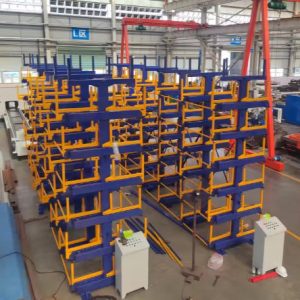
A storage tower holds cassettes vertically in a compact footprint and delivers the requested sheet type to the loader on command. The machine then runs a full shift without a forklift visit, and material flow becomes predictable — sheet arrives, is stored, is called by job, leaves as a cut sheet, with position known at every step. Where a tower cannot be justified, a two- or three-position pallet magazine delivers part of the benefit at a fraction of the footprint: the usual middle step between a bare loader and a full tower.
Sorting: the last manual step
Cutting is not the end of the process. Someone still lifts parts off the slats, separates them from the skeleton, and stacks them by job. On a 3 mm sheet with forty small parts, that is ten minutes the laser cannot do.
A tine-based unloader drops the whole sheet — parts and skeleton together — onto an output stack, which clears the table but leaves separation to a person. A dedicated sorting head lifts individual parts and places them in bins, removing separation as well. Large, few parts favor whole-sheet unloading; small, many parts favor a sorting head. Shops with both usually add sorting once part count per sheet passes roughly thirty.
Throughput arithmetic
One fiber laser cutting 1.5 mm mild steel at 120 sheets per shift, two shifts a day, loses about five minutes per sheet to loading, alignment, and clearing — 600 minutes, ten hours of machine time per shift producing nothing. A gantry loader/unloader returns most of it: at 70 percent recovery against a $60 machine hour rate, seven hours a day, $420 daily, roughly $92,000 a year before the scrap effect of consistent alignment.
A storage tower changes the calculation differently. It does not shorten the per-sheet cycle; it extends the hours the machine can run. Four unattended night hours recover a further $240 per day. Neither figure depends on cutting staff — both depend on the machine being the constraint rather than material flow.
Scaling without rebuilding
A layered design keeps working as it grows. The loader serving one laser today pairs with a tower tomorrow, and the tower’s delivery interface uses the same control architecture. Herochu’s range spans entry-level assisted loading, extended load/unload systems, automated sheet metal storage towers, and sorting systems, so an upgrade is a series of additions rather than a replacement.
Two planning notes make that path cheaper. Leave floor space behind the machine for a tower footprint even if you do not buy one now. Specify the loader’s interface to the full signal set — table clear, program end, sheet present, fault — so a future tower can use the same handshake.
FAQ
What is a laser cutting automation material handling system? The combination of equipment that moves sheet metal through a laser cell without manual lifting: a loader that places blanks on the table, an unloader that removes cut sheets, and usually a storage buffer that keeps material available between jobs.
Can loading and unloading be added to an existing laser cutter? Yes, provided table height, floor clearance, and controller interface are compatible. Herochu builds loaders for retrofit as well as new machines, and supplies the signal map so the customer’s electrician can complete the wiring.
How many sheets can run unattended? With a single pallet, one stack. With a pallet magazine, two or three. With a storage tower, enough cassettes for a full shift or more, which is usually the threshold for genuinely lights-out operation.
Does automation replace the operator? It replaces the lifting, not the job. The operator moves to setup, quality checks, program changes, and pallet exchange — tasks that are less injurious and that the machine cannot perform itself.
Key takeaways
- Handling systems have three layers: transfer, buffer, output.
- Buy the transfer layer first; it produces the fastest return.
- A storage tower extends run hours rather than shortening cycles.
- Whole-sheet unloading and part sorting solve different problems.
- Layered design means later additions extend the system instead of replacing it.