
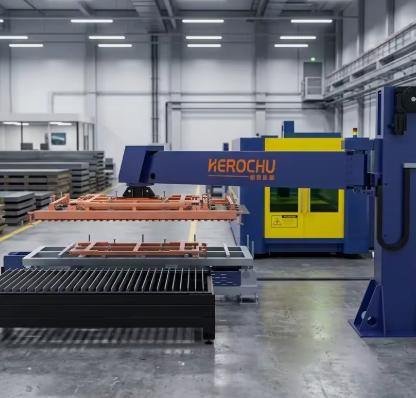
Auto-Loading System for Laser Cutters
Every fabricator knows the routine. A job finishes cutting. The operator walks to the machine, waits for the shuttle table to exchange, then physically drags or lifts the cut sheet and skeleton off the table. The raw sheet for the next job sits nearby, often leaning against a rack or resting on a forklift. The operator positions it, checks alignment, and starts the next cycle. This sequence repeats dozens of times per shift. It is so familiar that few shops question whether it is the best way to work.
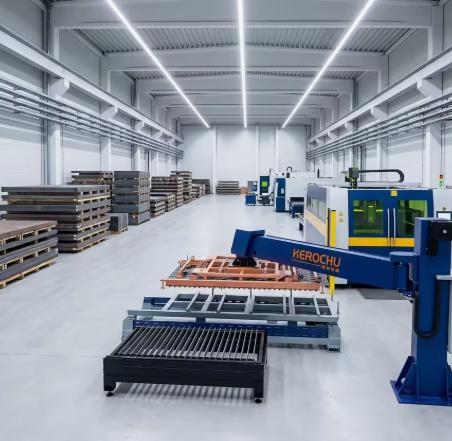
The comparison between manual loading and unloading for sheet metal laser cutting machines and an automated material handling system is not about convenience. It is about what each approach makes possible. Manual handling constrains production to the pace of a human body. Automated handling removes that constraint.
The Hidden Costs of Manual Handling
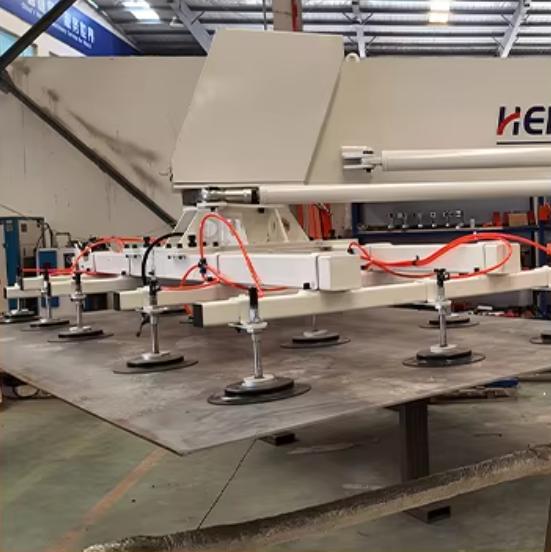
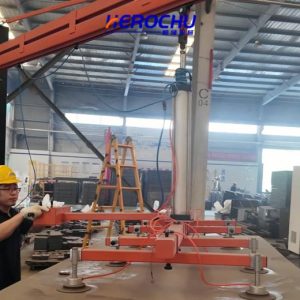
The direct labor cost of manual loading is easy to calculate: operator hours multiplied by wage rate. The indirect costs are larger and harder to see. Consider sheet damage. Every time an operator slides a sheet across a table or lifts it by hand, there is a risk of scratching the surface. For stainless steel or aluminum destined for visible applications, a scratch can mean scrapping the part before cutting even begins. Vacuum-based automated handling lifts sheets without sliding, eliminating this source of waste.
Consider double-picking. When sheets are stacked, oil film, humidity, or slight warping can cause two sheets to stick together. An operator lifting by hand may not notice until the second sheet interferes with the cutting head. Herochu’s automated system includes sheet separation logic that verifies a single sheet has been picked before loading. This protection is difficult to replicate manually, especially when operators are under time pressure.
Then there is the injury question. Sheet metal is heavy, sharp-edged, and awkward. Back strains, hand lacerations, and shoulder injuries are common in shops that handle material manually. Beyond the human cost, these injuries create direct expenses through workers’ compensation, lost productivity, and replacement training. An automated material handling system for laser materials removes the operator from the lifting path entirely.
Consistency: The Unmeasured Advantage
Manual work varies. A sheet loaded at 7 AM by a fresh operator may be positioned differently than the same sheet loaded at 3 PM by an operator nearing the end of a double shift. Small variations in placement can affect cut quality, especially on jobs with tight tolerances or narrow nesting margins. Automated loading eliminates this variation. Herochu’s system positions each sheet with a repeatability of ±2 mm, cycle after cycle. The cutting program receives the sheet in the same position every time, which means the cut results are more predictable and the scrap rate is lower.
This consistency matters most on high-value jobs. A nest of expensive stainless steel or thick aluminum leaves little room for error. When the sheet is positioned correctly every time, the operator can trust the cutting program rather than compensating for material placement variability.
What Unattended Operation Actually Requires
The phrase “unattended operation” gets used loosely in automation marketing. For most fabricators, the realistic goal is not a completely empty shop floor. It is the ability to run the laser through a break, a shift change, or an overnight period without needing someone to stand at the machine. Achieving that goal requires more than just a loading mechanism. It requires a system that can detect problems, stop safely, and resume without intervention for common issues.
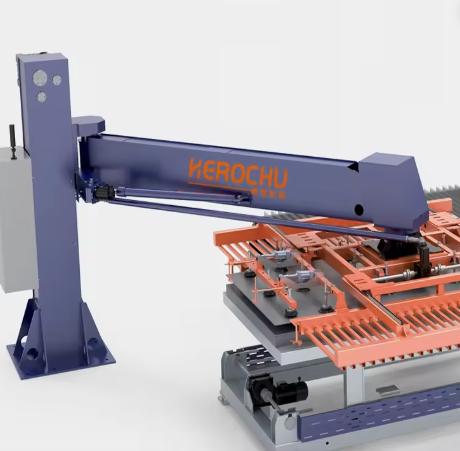
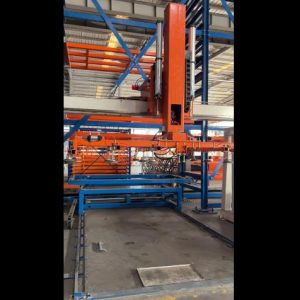
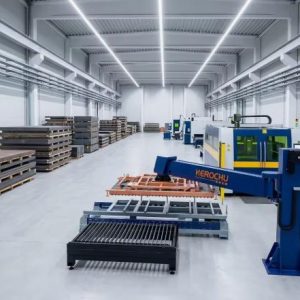
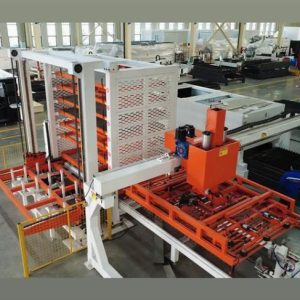
Herochu’s automated handling system addresses this through sensor integration. The vacuum cups verify grip before lifting. The tines confirm that unloading has completed before the table cycles. If a double-sheet is detected, the system can reject the pick and try again rather than forcing a fault condition. These details matter because unattended operation only works if the system can handle the small variations that a human operator would normally correct without thinking.
Where Manual Handling Still Makes Sense
Automation is not the right answer for every shop or every job. Very low-volume shops with infrequent cutting may not justify the investment. Shops that cut a wide variety of materials with frequent manual inspection needs may prefer to keep an operator at the machine. And some legacy laser cutters may have integration constraints that make automation impractical.
Herochu’s approach acknowledges this reality. The system is designed to run in automatic mode when conditions allow and to switch to manual mode when operator intervention is needed. The goal is not to force every shop into full automation. It is to give fabricators the option to remove manual handling when it makes sense and keep it when it does not.
The Transition Question
For shops that have never used automation, the idea can feel intimidating. Will the system be difficult to learn? Will it break down constantly? Will it require a dedicated technician? These concerns are legitimate, but they often reflect outdated assumptions about industrial automation. Modern systems like Herochu’s use teach-pendant interfaces and diagnostic displays that are accessible to existing machine operators. Maintenance requirements are modest: the vacuum cups need periodic inspection, the tines need alignment checks, and the control software needs routine updates. None of this requires an engineering degree.
The larger transition is mental. Shops that have always loaded by hand must learn to trust the system to do it correctly. That trust develops quickly when the system proves reliable and the scrap rate drops. For many fabricators, the question shifts from “Can we afford to automate?” to “Can we afford not to?”
FAQ Section
Q: What injuries can automated material handling prevent in laser cutting shops?
A: Manual sheet metal handling causes back strains, hand lacerations, and shoulder injuries from repeated lifting and dragging. Herochu’s automated material handling system uses vacuum suction and tines to move sheets without direct operator contact, removing the physical demands that lead to these injuries.
Q: How does automated loading improve cut consistency compared to manual loading?
A: Manual placement varies with operator fatigue and attention. Herochu’s automated system positions sheets with ±2 mm repeatability, ensuring the cutting program receives material in the same location every cycle. This consistency reduces scrap and improves part accuracy, especially on tight-tolerance jobs.
Q: Can I switch between automatic and manual loading on the same machine?
A: Yes. Herochu systems support both automatic and manual operating modes. Shops can run unattended for routine production and switch to manual mode for special jobs that require operator inspection or handling.
FAQ
Here are some frequently asked questions about our sheet metal racks and pipe storage solutions. We hope you find them helpful!
Q1: Can I request a custom size or color?
Absolutely. We offer complimentary design services and deliver efficient, tailored solutions to meet your specific requirements.
Q2: Are you a manufacturer or a distributor?
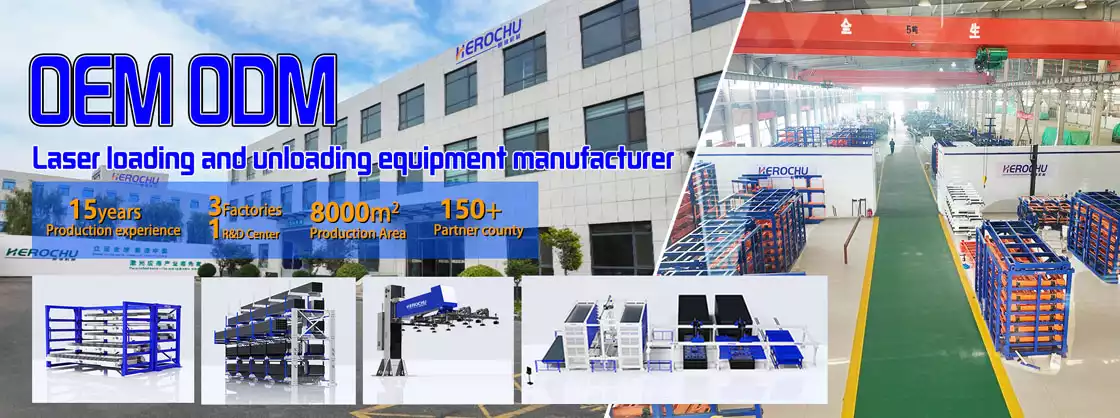
We are a direct manufacturer with over 15 years of industry experience and expertise.
Q3: Is there a minimum order quantity?
No. We welcome orders of any size, starting from a single unit.
Q4: How can I get detailed product information?
Click the “Get a Quote” button to receive product images, detailed specifications, and videos. Our team is always ready to assist.
Q5: How do I provide my storage rack requirements?
Simply share the type, dimensions, and quantity of materials you plan to store, along with any other specific needs. We will develop a professional storage solution for you. Alternatively, leave your contact details for a personalized consultation.
Q6: Do you offer automated loading systems or robotic arms?
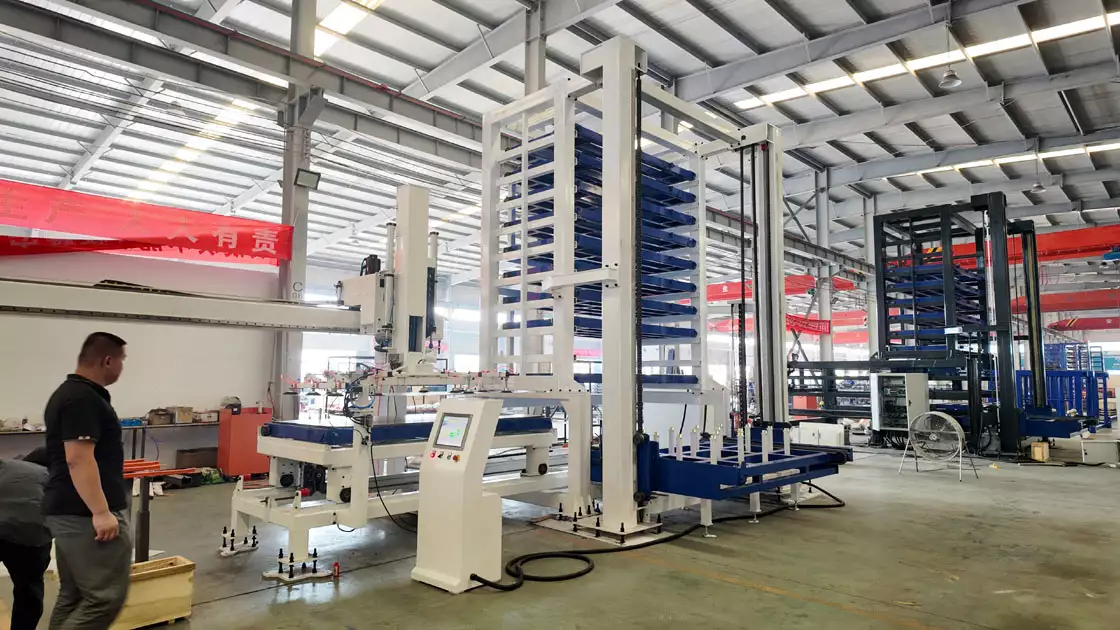
Yes. We provide loading robotic arms and integrated loading/unloading systems tailored to your laser cutting machine’s table size and material handling method (e.g., board rack, exchange platform, or material warehouse). Contact us with your details for a customized proposal.
Q7: Do you provide on-site installation and debugging?
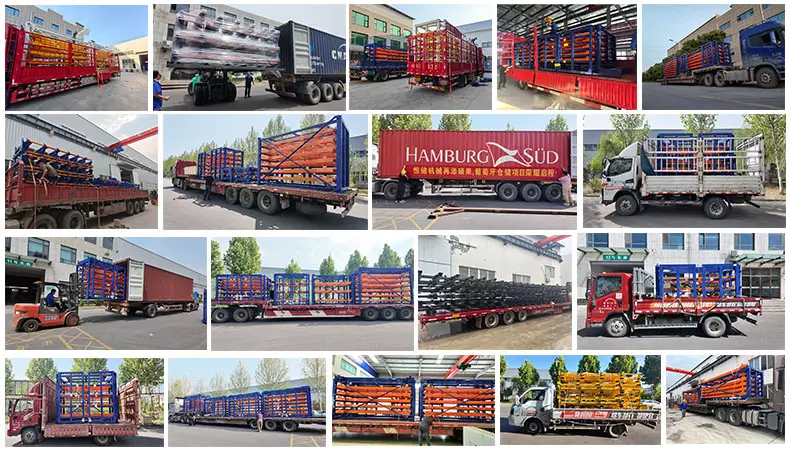
Yes. Our technicians can travel to your facility for installation and debugging, ensuring successful operation. We have served clients globally, including in the USA, South Korea, Russia, Qatar, Mexico, South Africa, Egypt, and Lebanon.
Q8: How do you ensure product quality?
Our quality assurance includes:
A team of over 40 technical engineers for professional debugging and support.
A dedicated quality control department compliant with ISO9001 standards.
CE certification for all exports.
Rigorous load testing before shipment to ensure structural safety and reliability.
Q9: Where is your factory located?
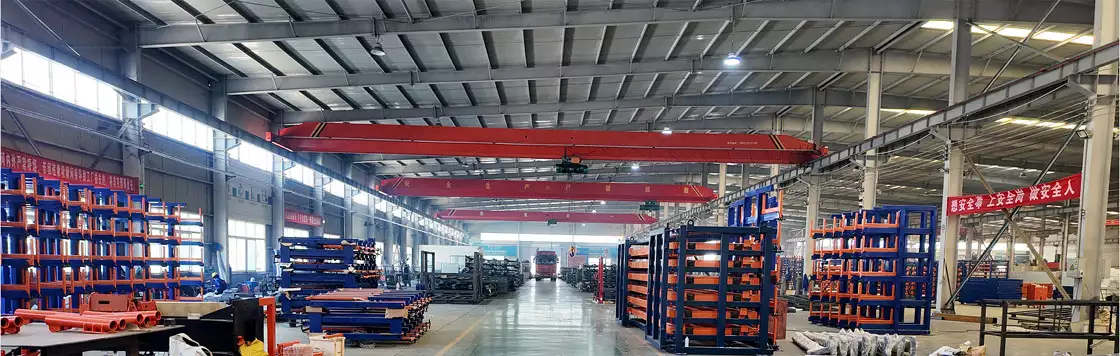
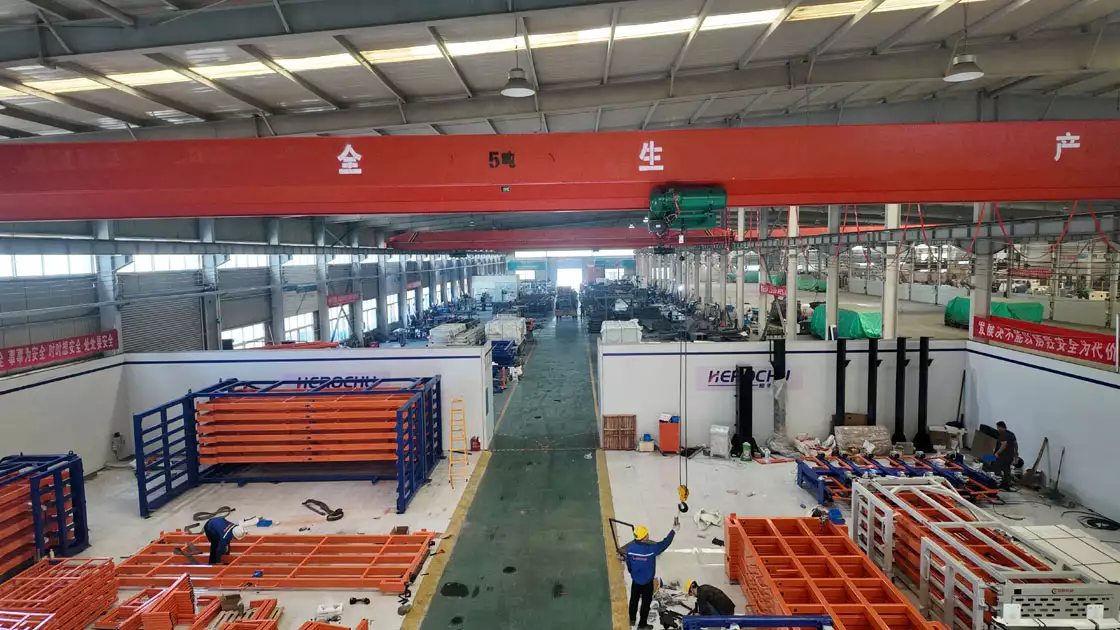
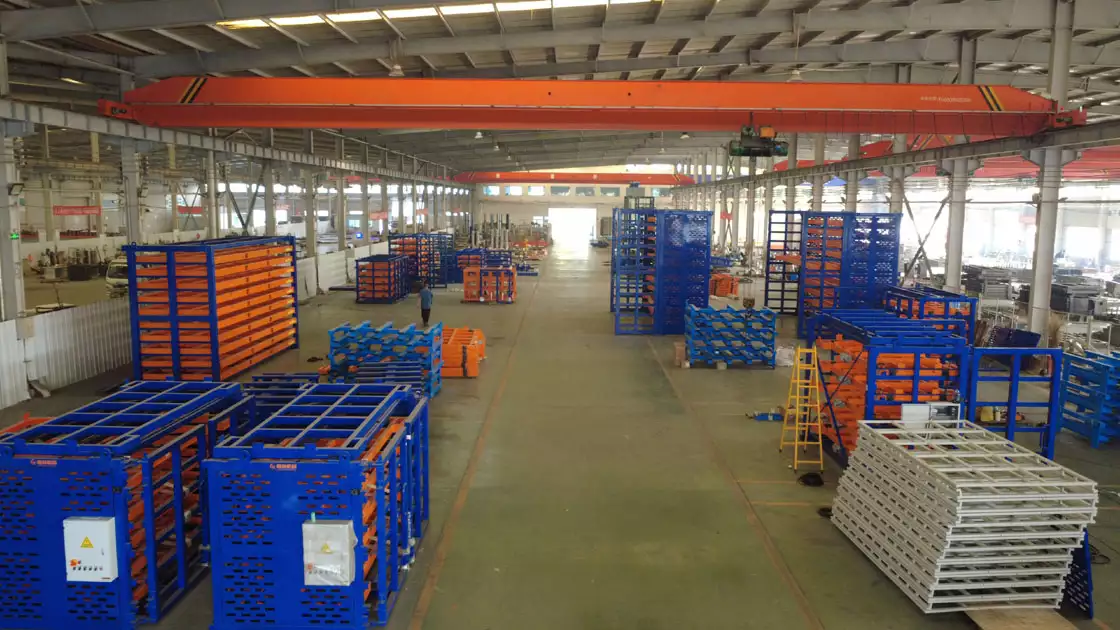
Our modern 10,000-square-meter manufacturing facility is located in Jiyang Industrial Park, Jinan, Shandong, China.
Q10: How can I evaluate your company’s capabilities?
We offer virtual video factory tours and warmly welcome on-site visits.
Q11: What does your company specialize in?
Jinan Constant Storage Machinery Manufacturing Co., Ltd. is a high-tech enterprise specializing in the R&D, production, sales, installation, and service of intelligent storage solutions. Our product range includes sheet material warehouses, drawer-style shelves, cantilever racks, servo manipulators, gantry loaders, and fully automated handling systems. Supported by a skilled technical team and advanced equipment, we are committed to delivering high-performance storage products and solutions to customers worldwide.
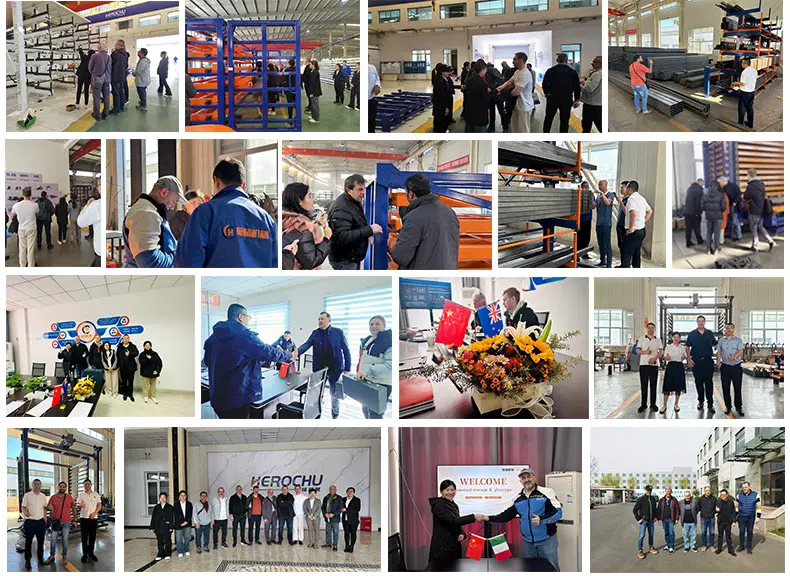
Customer visit
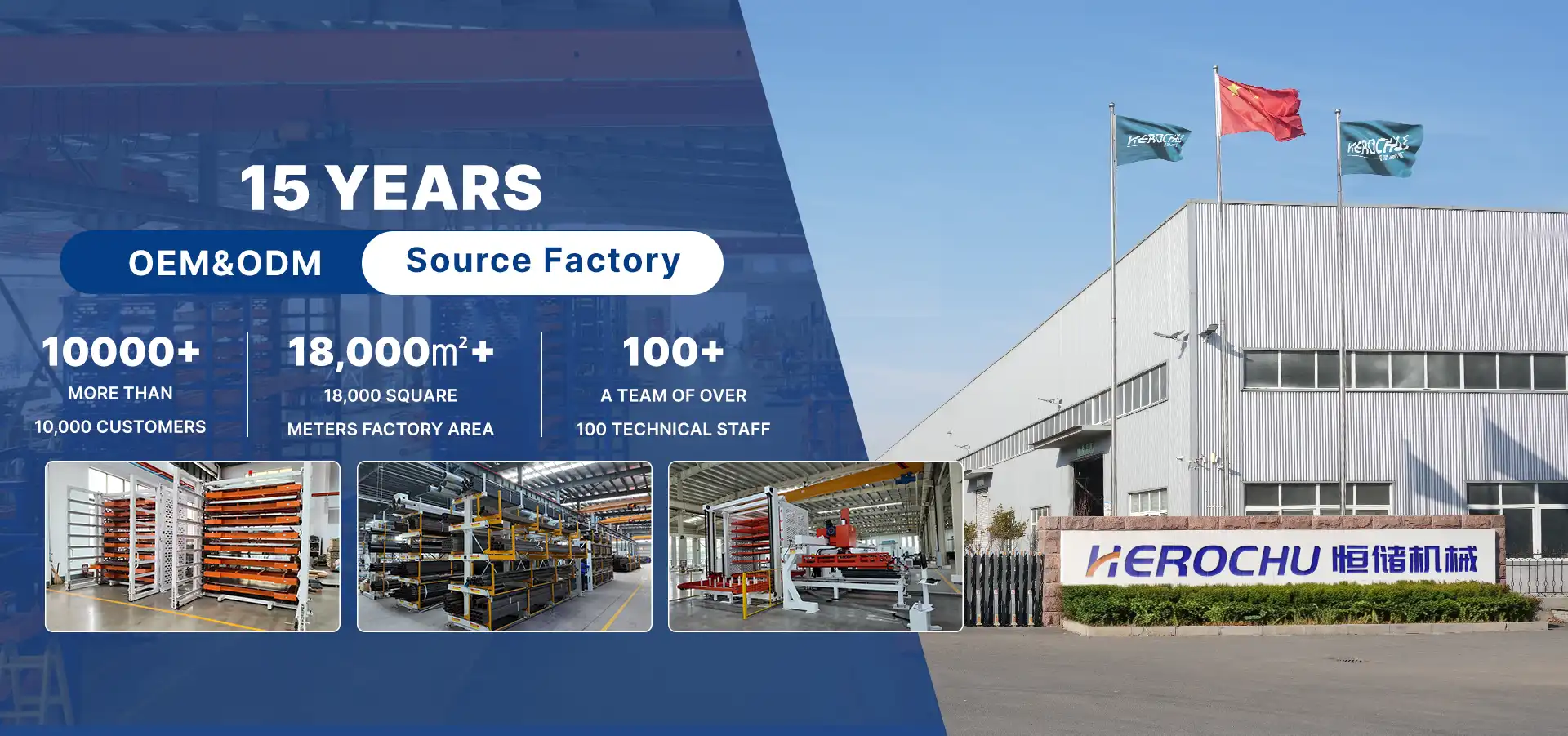
Herochu has always been adhering to the market-centric approach to meet customer requirements to the maximum extent, and the business philosophy of “creating brands with heart and gaining reputation with sincerity”. It provides customers with high-quality products and services with rigorous military quality, professionalism, and excellence, and has won unanimous praise in the Chinese aerospace, Chinese weapons, Chinese railways, automobile manufacturing, engineering machinery, non-ferrous metal titanium alloy and other industries.
Factory

Hot Selling Machines
-
Automated Handling and Storage Solutions
Automated Material Handling System for Laser Materials
Read moreRated 0 out of 5 -
Laser Cutting Loading and Unloading System
Manual loading/unloading for sheet metal laser cutting machines
Read moreRated 0 out of 5 -
Laser Cutting Loading and Unloading System
Auto-Loading System for Laser Cutters
Read moreRated 0 out of 5 -
Gantry Loading and Unloading Manipulator
Automatic Loading and Unloading System for sheet metal
Read moreRated 0 out of 5 -
Steel Pipe Warehouse Storage Rack
Heavy duty pipe storage rack for 120 dia tubes & rod 50 to 120 dia
Read moreRated 0 out of 5 -
Heavy Duty Tube Storage Rack
Steel Tubes Cantilever Storage Rack for 6-Meter Profiles
Read moreRated 0 out of 5
Related products


Product Categories