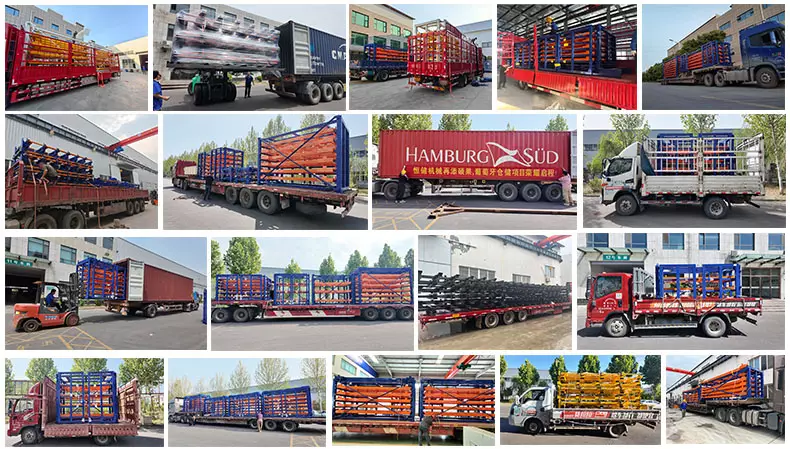
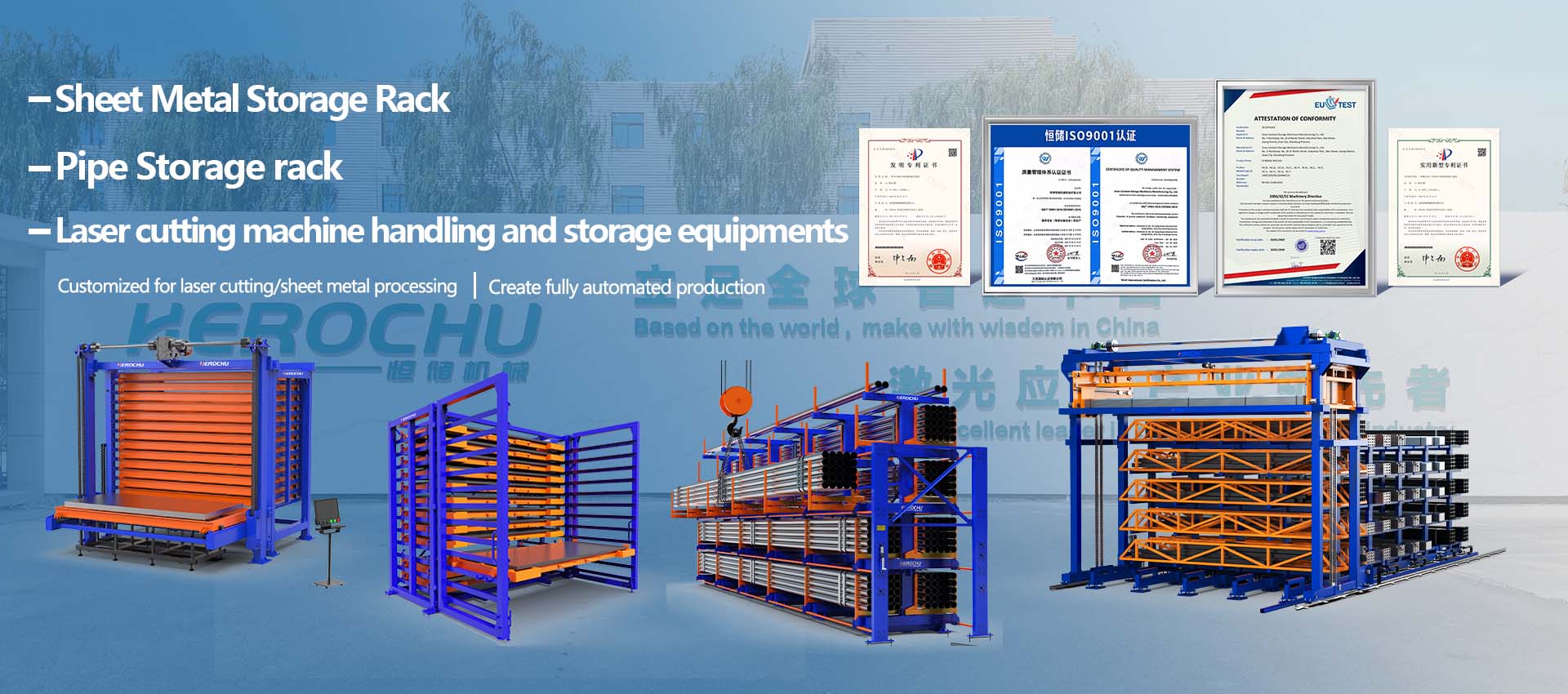
Most fabrication shops do not lose money because they lack storage space. They lose money because they do not know what is in the space they have. A plate sits in a stack for eight months. A job quotes it as available. The material is the wrong heat lot, or it has been consumed, or it is buried under three other plates. The job waits.
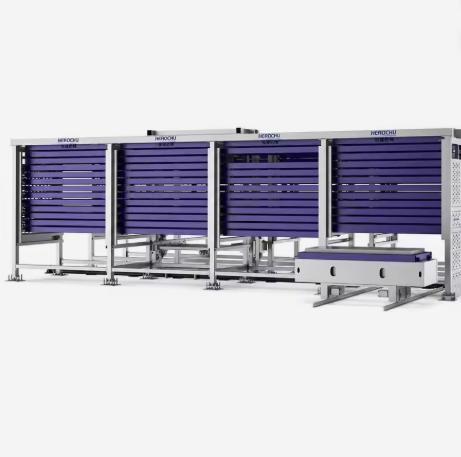
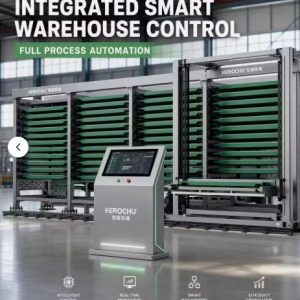
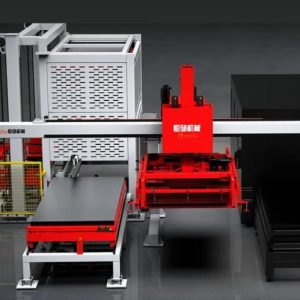
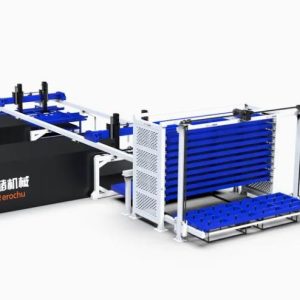
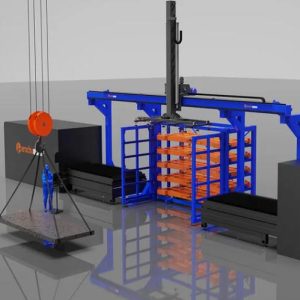
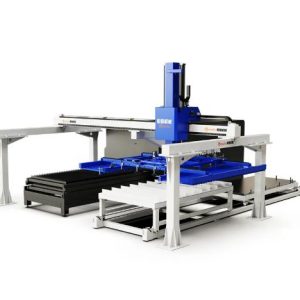
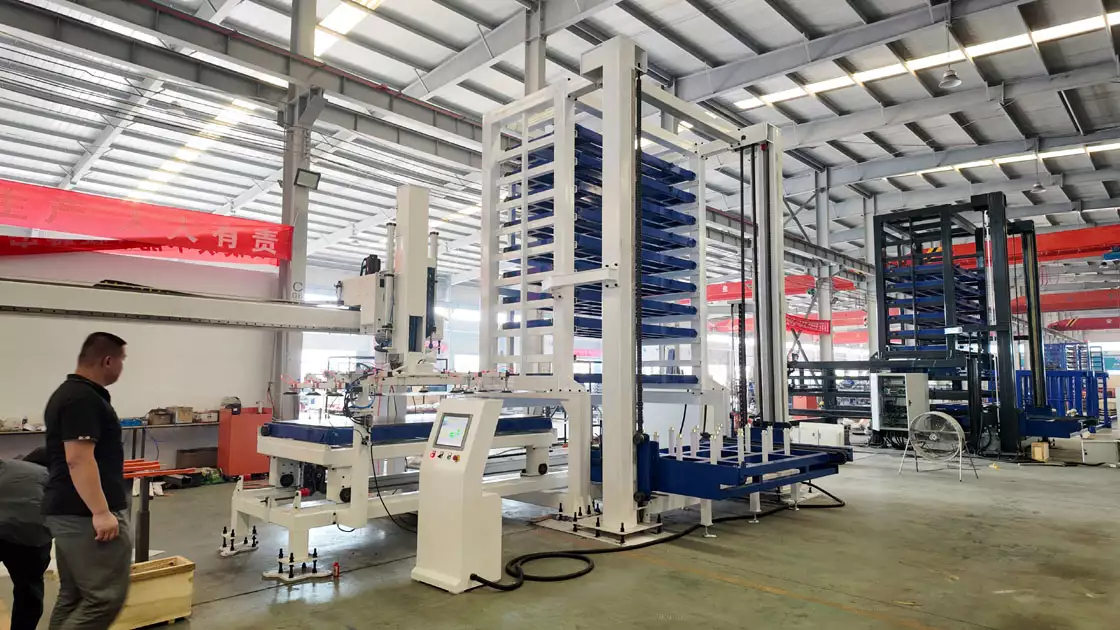
Herochu’s Automated Multi-Tower Storage Systems close that information gap. Every plate movement triggers an inventory update. The PLC records dimensions, weight, and quantity in real time. The touchscreen displays current stock without a manual count.
The more consequential capability is ERP integration. Herochu systems connect to factory ERP and MES software, turning storage from a passive rack into an active data source. When the tower retrieves a plate for a job, the system deducts it from inventory automatically. When new material arrives and is loaded into the tower, the system adds it. Stock reconciliation moves from a monthly event to a continuous process.
This changes how production planning works. A scheduler can check material availability before committing a job to the floor. The system can reserve specific plates for specific production orders, preventing two jobs from claiming the same material. If a job is delayed or canceled, the reservation releases and the plate becomes available again.
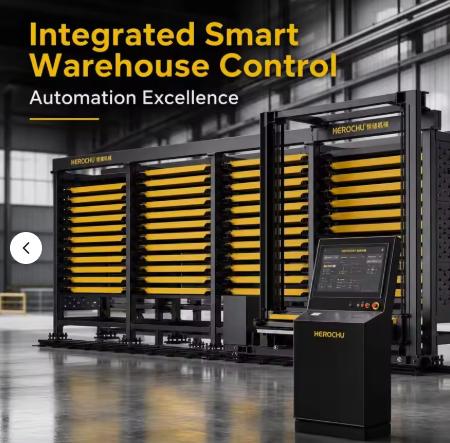
The integration also supports consumption reporting. Each retrieval is logged with a timestamp and the associated work order if the ERP provides that linkage. Over time, the data shows actual material usage per job, which informs quoting, purchasing, and waste analysis. A shop that knows its true consumption rate per part can price more accurately and carry less safety stock.
Herochu builds the control layer around a PLC with a touchscreen interface. Operators do not need ERP training to retrieve material. They select the plate they need. The system handles the transaction behind the scenes. The ERP sees the change. The inventory stays accurate. The operator stays focused on production.
For shops running lights-out or unattended shifts, the system can pre-stage materials for upcoming jobs. The tower retrieves the next three or four plates required by the production schedule and holds them at the output station or buffer position. When the machine operator arrives, the material is ready. No search, no wait, no manual retrieval.
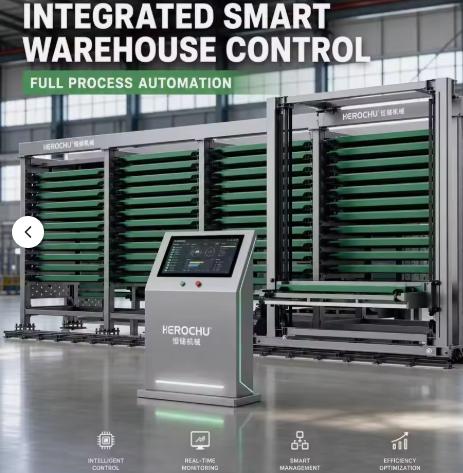
The automated multi-tower storage systems from Herochu also support material age tracking. The internal database records how long each plate has been in storage. A shop can set rules like “retrieve oldest 5052 aluminum first” to manage oxidation or preserve surface condition. For heat-lot-controlled work, the system tracks which plates belong to which lot, preventing accidental mixing.
Inventory visibility is not a feature that shops ask for explicitly. They ask for faster retrieval, less labor, and fewer production delays. Real-time inventory and ERP integration are how those outcomes are delivered. A tower that stores plate but cannot tell you what it holds is a better rack, not an automated warehouse. Herochu builds the warehouse.