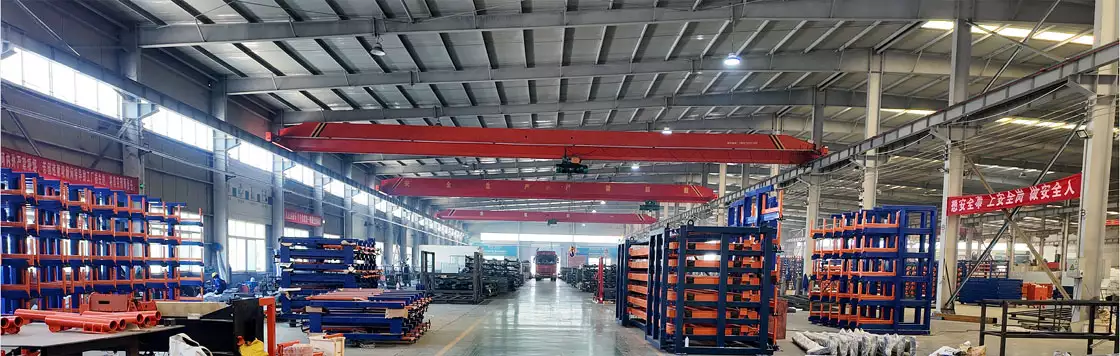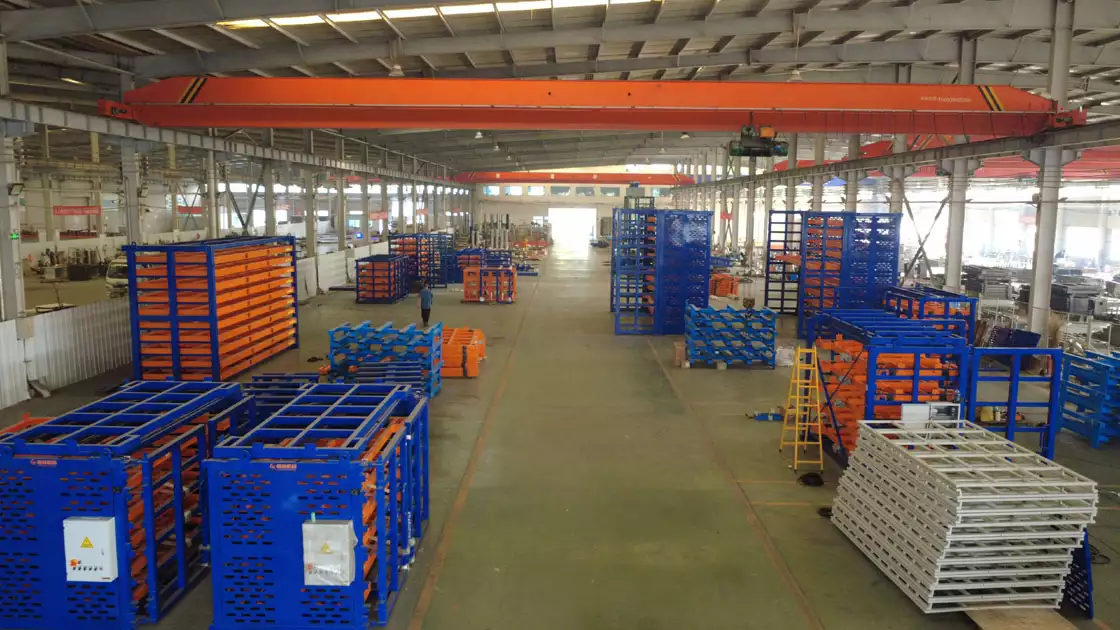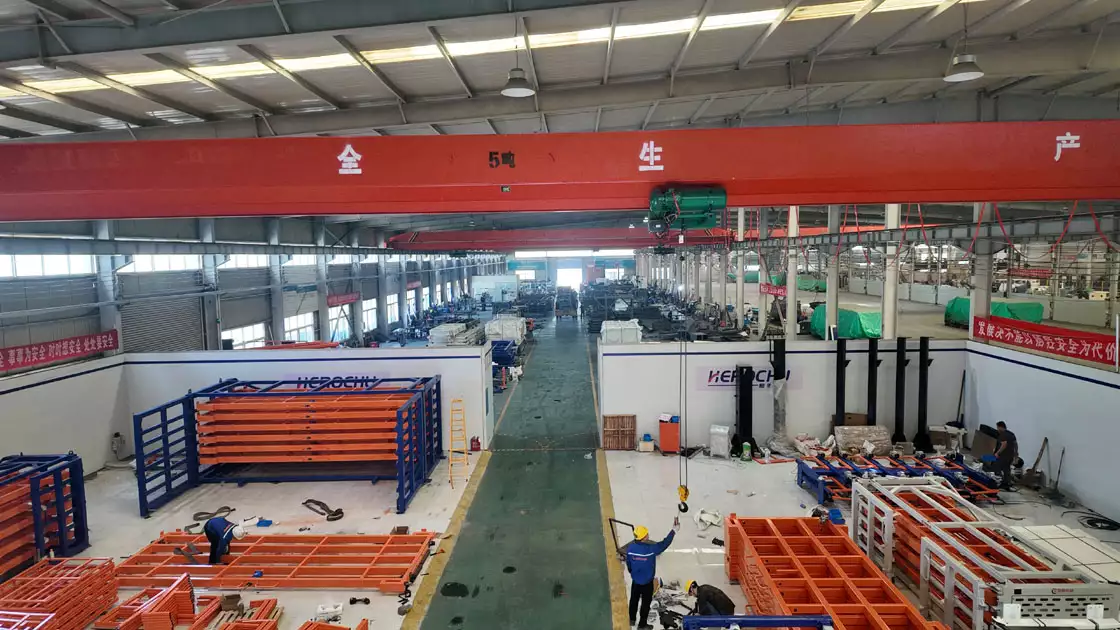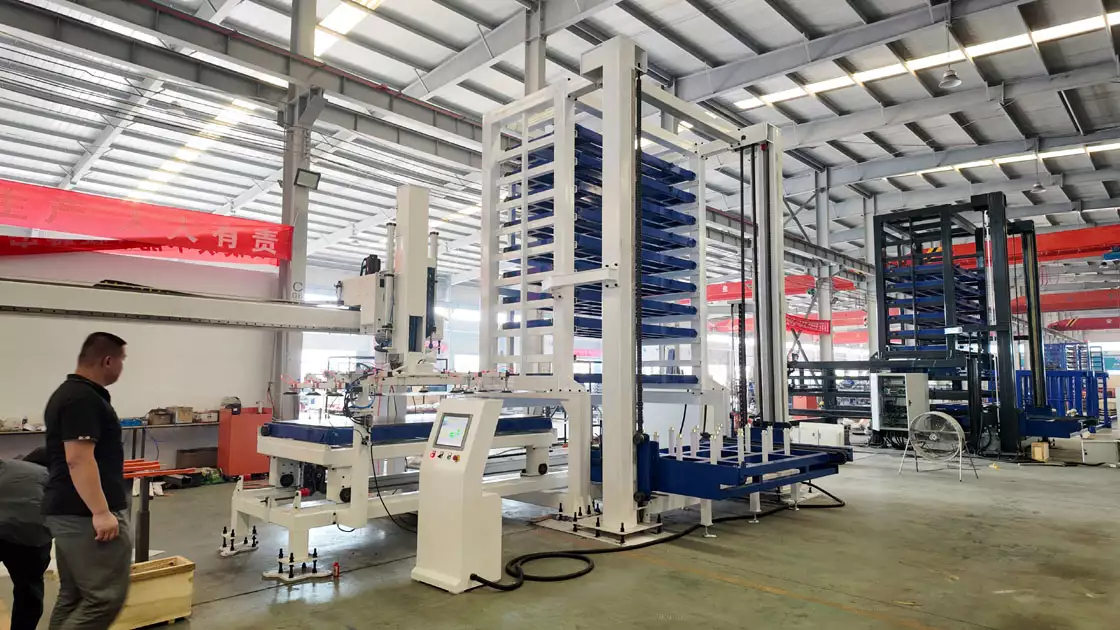
In the demanding landscape of industrial manufacturing, the quest for efficiency is a constant and driving force. Every process, from raw material intake to final product assembly, is scrutinized for opportunities to save time, reduce costs, and improve output. One area that has historically been a bottleneck for many operations is the storage and handling of sheet metal. The sheer weight, size, and delicacy of these materials have long posed a significant challenge. However, the advent of advanced Sheet Metal Racks has fundamentally altered this equation, offering what can only be described as the ultimate storage solution for both durability and efficiency. This article will explore how these specialized racks have become an indispensable asset for forward-thinking industries, transforming chaotic storage areas into models of organized productivity.
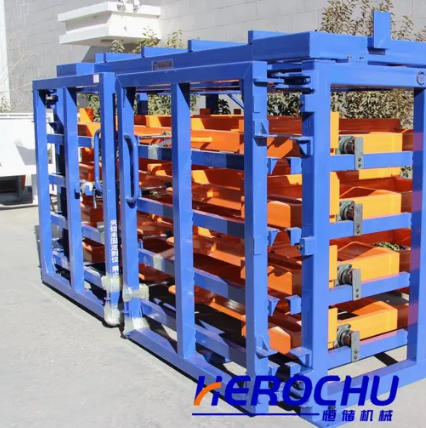
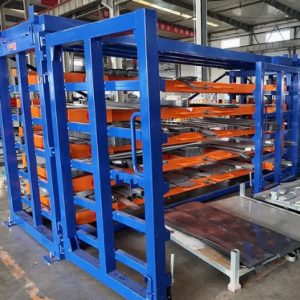
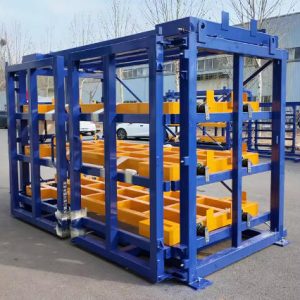
The concept of durability is central to the design and construction of modern sheet metal racks. These are not ordinary shelves; they are heavy-duty industrial machines built to endure the rigors of a busy workshop environment. The primary structure is typically fabricated from high-grade carbon steel, such as the Q235B standard, which is renowned for its excellent balance of strength, ductility, and weldability. The use of carbon dioxide shielding welding for all major connections ensures a deep, strong weld that can withstand the immense stresses of repeated loading and unloading cycles. This robust construction is not merely a feature; it is a necessity. A rack designed to hold multiple tons of steel plate must be engineered with a significant safety margin to prevent structural failure, protect personnel, and safeguard the valuable materials it holds. The result is a product with a long operational lifespan, capable of maintaining its integrity even in corrosive environments where exposure to oils, coolants, and ambient moisture is common.
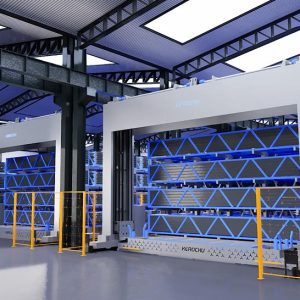
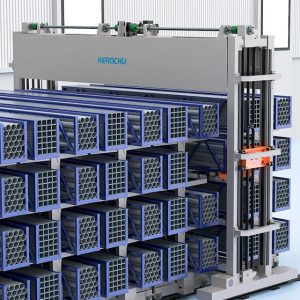
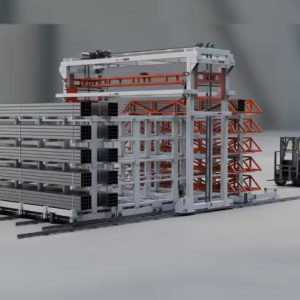
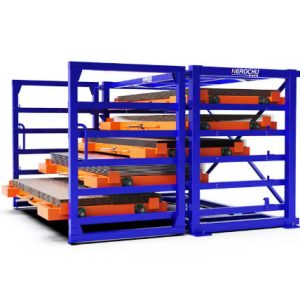
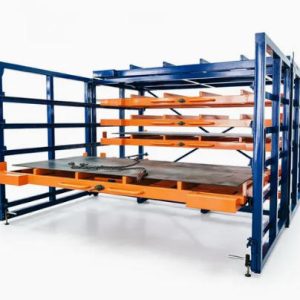
Efficiency, the other pillar of this solution, is achieved through a combination of intelligent design and user-centric functionality. The vertical, drawer-type layout is a masterclass in space optimization. By moving storage from a horizontal plane to a vertical axis, these racks allow facilities to fully utilize the three-dimensional volume of their workshops. This “cube storage” approach can dramatically increase storage capacity without expanding the facility’s footprint, effectively turning wasted air space into a valuable asset. The ability to store sheets of varying sizes—from standard 3000x1500mm panels to oversized 6000x2000mm sheets—in a compact, organized manner eliminates the sprawling, disorganized piles that are a hallmark of inefficient storage.
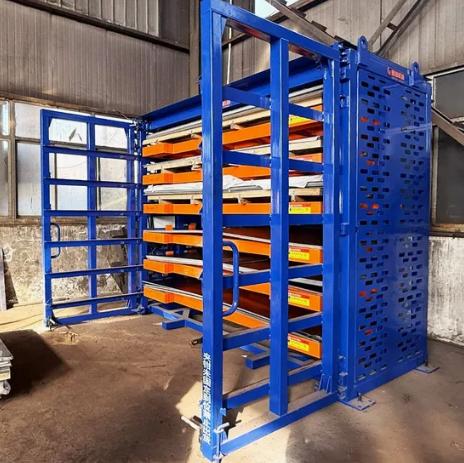
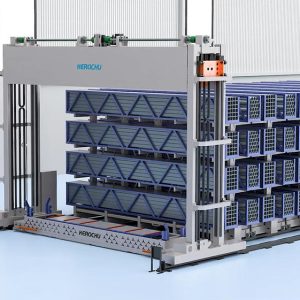
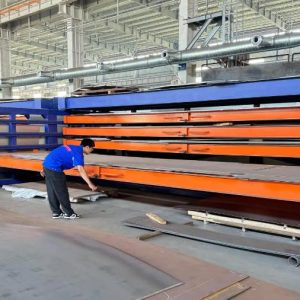
The operational efficiency gains are equally significant. The core mechanism of the rack, which allows drawers to be pulled out smoothly and effortlessly, is a key differentiator. Standard models employ a hand-crank system that uses mechanical advantage to make moving multi-ton loads a simple task for one person. For operations demanding even greater speed and integration, an automatic system can be implemented, where a button press initiates the retrieval of the required drawer. This simplicity of operation has a profound impact on workflow. It reduces the time spent searching for and retrieving materials from hours to mere minutes. It also minimizes the reliance on heavy machinery for every single retrieval, reducing wear and tear on forklifts and cranes and lowering overall energy consumption. The system is designed to be perfectly compatible with these tools for loading, ensuring a seamless interface between storage and production.
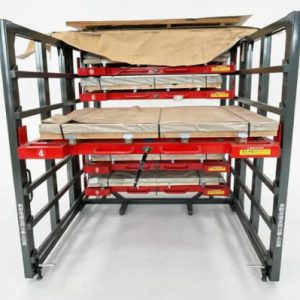
Furthermore, the efficiency of a sheet metal rack extends to inventory management and material quality control. The independent drawer design enforces a disciplined approach to stock rotation, making the First-In, First-Out (FIFO) method easy to implement. This prevents older stock from being buried and forgotten, a common issue that can lead to material degradation through rust or oxidation. By ensuring that materials are used in the order they are received, manufacturers can significantly reduce waste and the associated costs of replacing spoiled inventory. Additionally, by storing each panel flat and isolated on its own pallet, the rack eliminates the surface damage—scratches, dents, and friction marks—that often occurs during the handling of stacked sheets. This preservation of material quality means that sheets can go directly into the production process, such as laser cutting or stamping, without the need for time-consuming surface preparation or, in the worst cases, rejection.
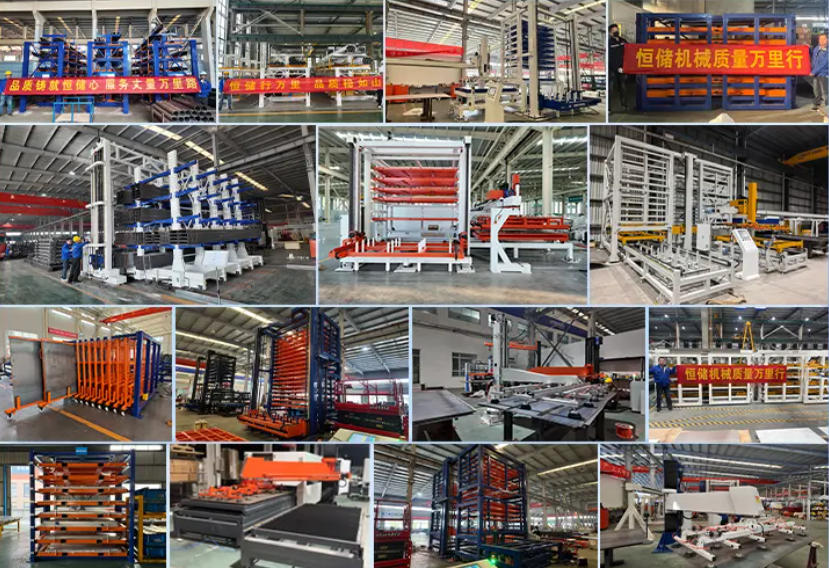
The customization options available for these racks further underscore their role as a tailored efficiency solution. Recognizing that no two workshops are identical, manufacturers offer a high degree of flexibility. The load-bearing capacity can be specified for each layer, ranging from 3 tons for lighter applications to a massive 20 tons for the heaviest plates. The number of drawers, the distance between layers, and the overall dimensions can all be adjusted to fit the specific constraints and requirements of the customer’s facility. This bespoke approach ensures that the storage solution is not just a generic product but an integrated component of the production ecosystem, designed to deliver maximum efficiency for that particular operation.
In summary, Sheet Metal Racks represent the convergence of durability and efficiency in industrial storage. Their heavy-duty construction ensures they can withstand the test of time and the demands of a harsh environment, while their intelligent, user-friendly design streamlines operations, optimizes space, and protects valuable materials. For any business serious about improving its bottom line and operational flow, investing in a high-quality sheet metal rack system is not just an option—it is a strategic imperative.