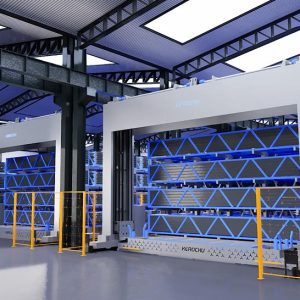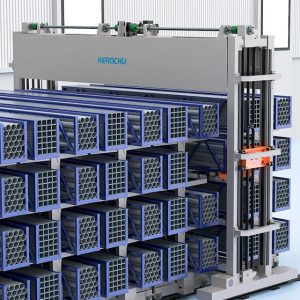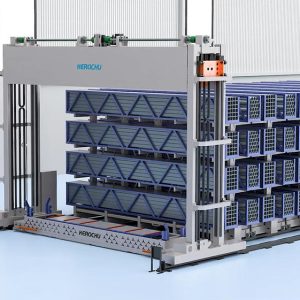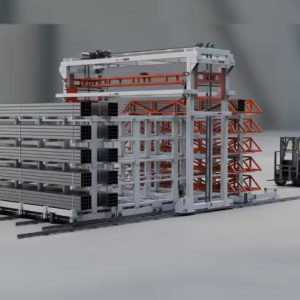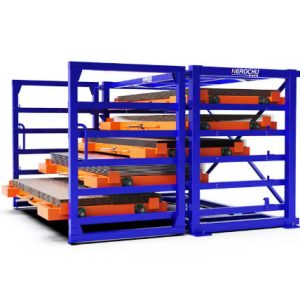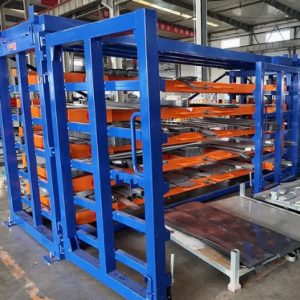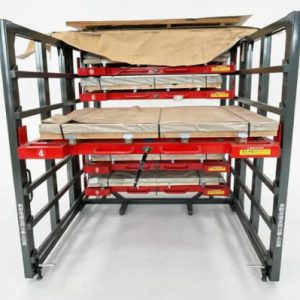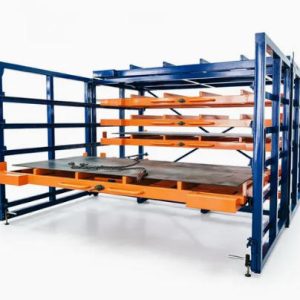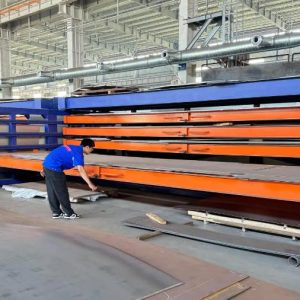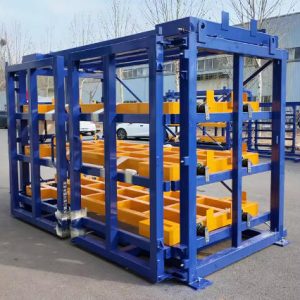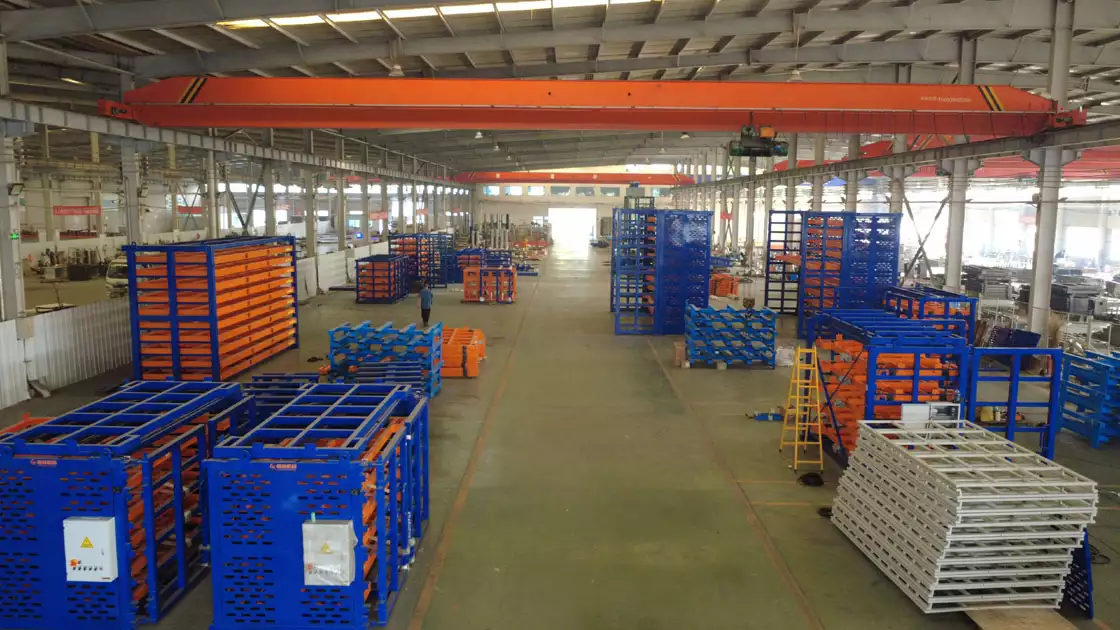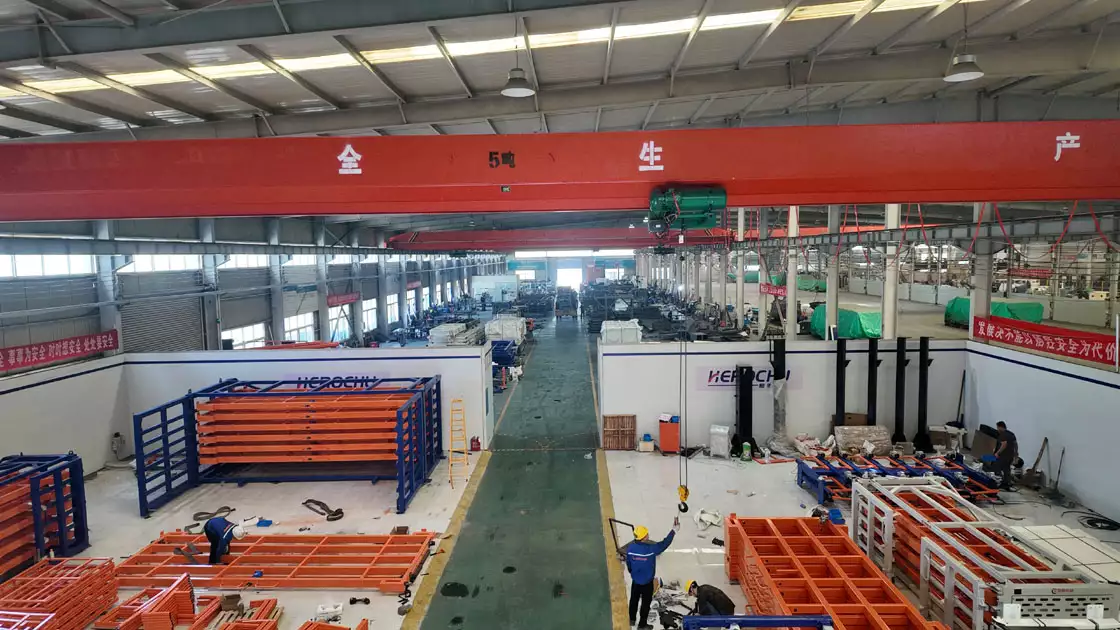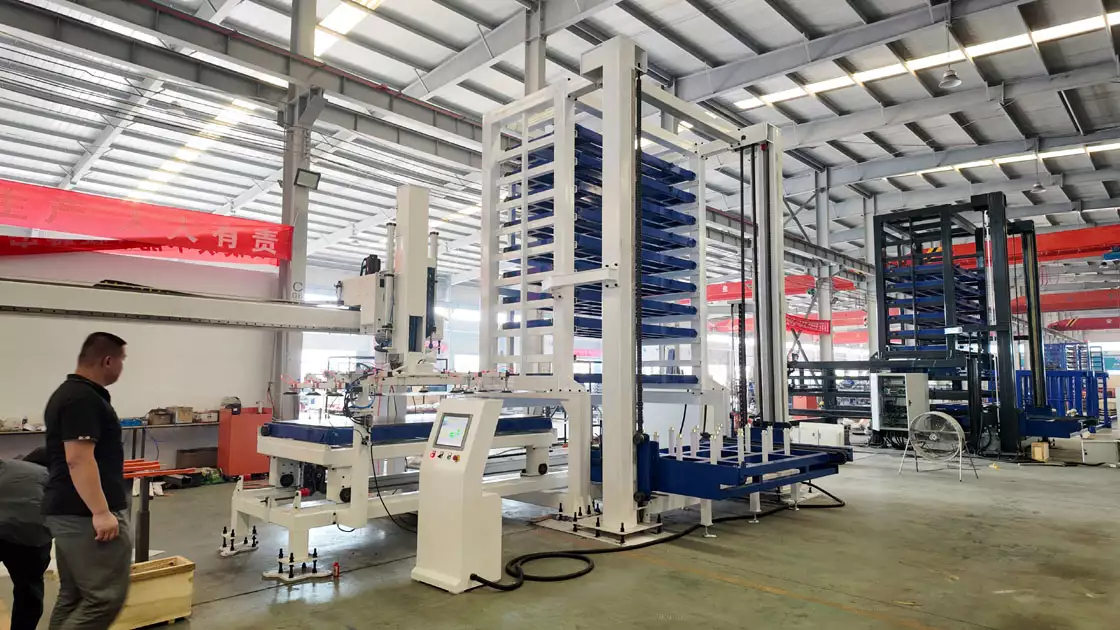
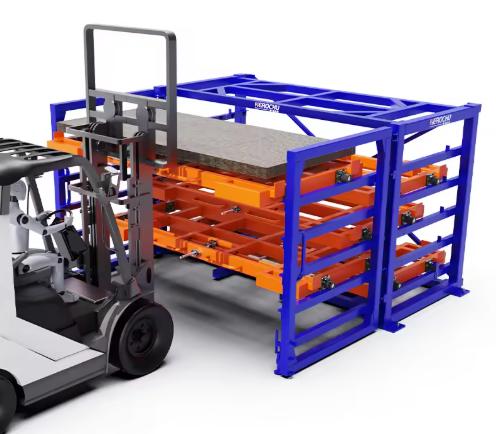
In heavy industries such as shipbuilding, bridge construction, and pressure vessel manufacturing, the materials are massive and the tolerances for error are zero. Standard off-the-shelf storage solutions are inadequate for the demands of handling thick, wide, and extraordinarily heavy steel plates. These environments require a storage partner that is built to specification, not just to a catalog. The Customized Heavy-Duty 5 Layer Steel Metal Storage Rack is the answer—a bespoke engineering solution designed to handle the specific weight, size, and operational challenges of heavy-gauge material storage.
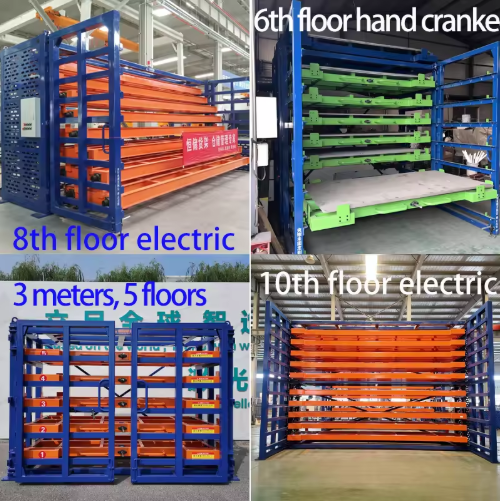
When we discuss customization in the context of 5-layer racks, we are moving beyond simple color choices. We are talking about structural engineering tailored to specific load requirements, from 3 tons per layer all the way up to a staggering 20 tons. This level of customization ensures that the rack is not merely a container, but an integral part of the material handling workflow, designed for maximum safety and efficiency from the ground up.
The Science of Load-Bearing Customization
The cornerstone of any Customized Heavy-Duty 5 Layer Steel Metal Storage Rack is its engineered load-bearing capacity. Unlike generic racks that have a single weight rating, these systems are designed with the specific weight of your heaviest plates in mind. The design process begins with a simple but critical question: What is the maximum weight each layer must withstand?
If your operation involves storing heavy armor plate or thick structural steel, the answer might be 20 tons. Achieving this capacity requires a significant increase in the gauge of the steel used for the frame, the depth of the support beams, and the thickness of the drawer slides. Engineers must calculate the deflection that will occur under full load. Too much flex, and the drawer might bind or the sheets could deform. Too little reinforcement, and the structure risks catastrophic failure. By customizing the load-bearing capacity from 3 to 20 tons, the rack is precisely engineered to match the demands of your inventory, with no wasted material or cost on over-engineering, and no risk of under-engineering.
Material Quality: The Q235B Standard
The raw material used to construct these racks is just as important as the design. High-quality carbon steel of grade Q235B is the industry standard for heavy structural applications. This designation indicates a specific yield strength and chemical composition that guarantees durability and weldability.
For a Customized Heavy-Duty 5 Layer Steel Metal Storage Rack, Q235B steel provides the necessary rigidity to support multi-ton loads without twisting or bending. Its properties are particularly suited for environments that may be corrosive, such as coastal shipyards or chemical processing plants. While the steel itself is robust, it is further protected by a multi-stage surface treatment and a powder-coated finish. This combination ensures that the rack resists rust and corrosion, maintaining its structural integrity and professional appearance for years of service. The use of certified, traceable steel is a mark of quality that separates professional-grade storage from light-duty alternatives.
Optimizing for Sheet Dimensions
Heavy plates come in large dimensions. Common sizes like 3000x1500mm, 4000x1500mm, and the massive 6000x2000mm plates present unique handling challenges. A custom rack is designed specifically to accommodate these dimensions, ensuring that the entire sheet is fully supported, preventing the ends from drooping and causing a permanent set or “oil-canning” effect.
When customizing a 5-layer rack, the depth of the drawer must match the depth of the sheet. If the sheet is 2000mm deep, the drawer should be slightly deeper to support it fully. Similarly, the width between uprights must accommodate the sheet width, typically 1500mm or more. This precise fit ensures that the sheet lies flat and stable within the drawer. It also maximizes the usable storage area; there is no wasted space at the back or sides of the drawer, and the sheet cannot slide around and become damaged during the extension and retraction of the drawer.
The Welding Difference: CO2 Shielding
In a rack designed to hold 20 tons per layer, every weld is a potential failure point. To ensure the highest level of integrity, manufacturers employ carbon dioxide shielded welding (MIG welding) for the frame assembly. This process uses a continuous wire electrode and a shielding gas to protect the molten weld pool from oxygen and nitrogen in the air.
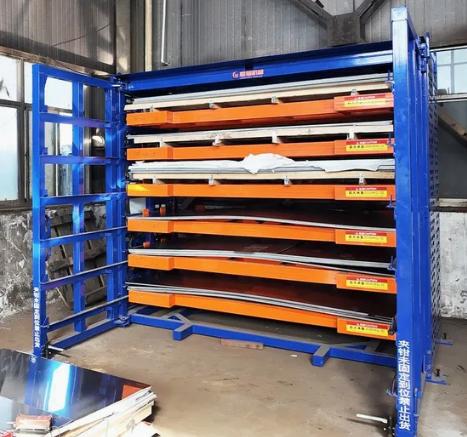
The result is a weld that is free of porosity and slag, with deep penetration and a strong, consistent bead. This is crucial for the high-stress joints where the horizontal supports meet the vertical columns. These welds must withstand the constant, static load of the stored steel as well as the dynamic forces of the drawers being pulled in and out. CO2 shielded welding provides the strength and reliability needed to ensure that the rack structure remains sound for its entire operational life, protecting both the inventory and the personnel working around it.
Humanized Design for Heavy Loads
Handling 5 tons of steel is never easy, but a well-designed rack can make it safer and more controlled. Customization extends to the human interface points of the rack. For extreme loads, auxiliary handling arms can be integrated into the design. These are supportive arms that swing out to cradle a sheet as it is being pulled from the drawer, preventing the thin, wide material from flopping or bending under its own weight.
These “humanized details” are critical for reducing operator strain and preventing accidents. By making the placement and removal of heavy sheets softer and more controlled, the rack becomes an active participant in the safe handling of materials. It transforms a task that might require two people and a crane into a manageable one-person operation, further enhancing the 300% efficiency gain promised by these advanced storage systems.
Conclusion
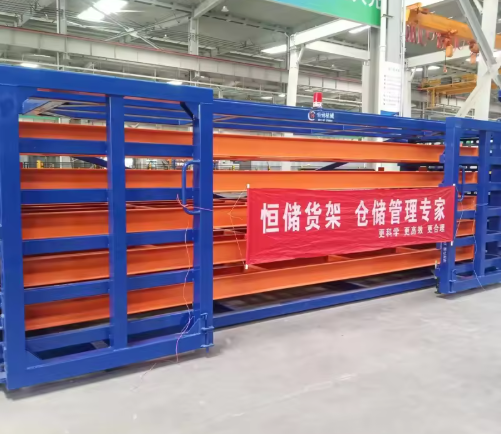
Investing in a Customized Heavy-Duty 5 Layer Steel Metal Storage Rack is a decision to treat your raw materials with the respect they deserve. It is a move away from makeshift storage and toward a professional, engineered approach that prioritizes safety, protects capital, and optimizes workflow. By tailoring every aspect of the rack—from the load capacity and dimensions to the color and accessories—you create a storage solution that is as unique as your operation, ensuring that even your heaviest plates are stored securely and accessed efficiently.