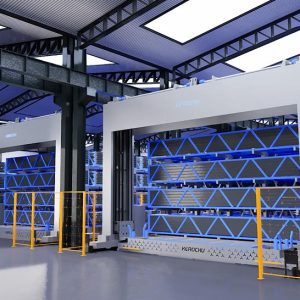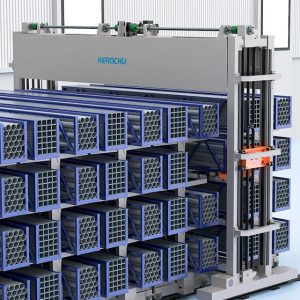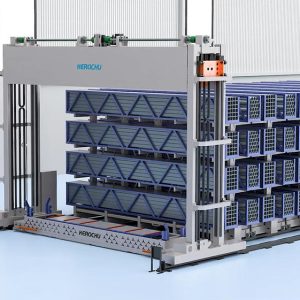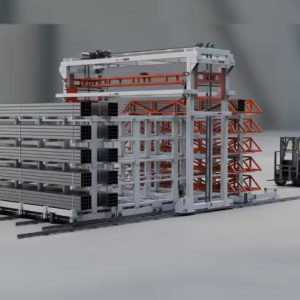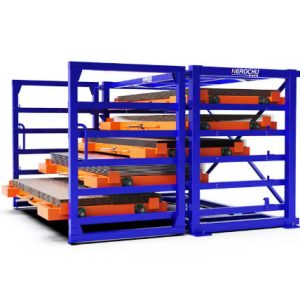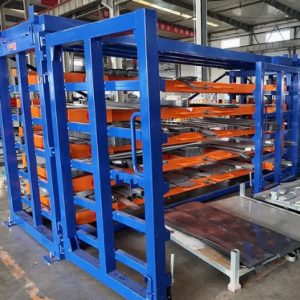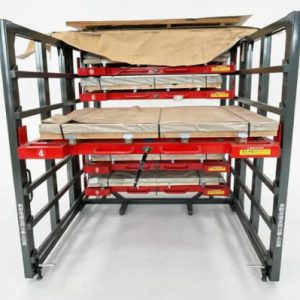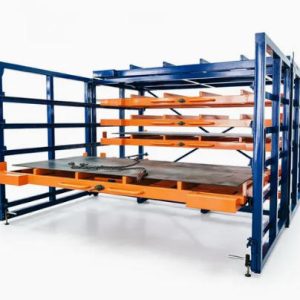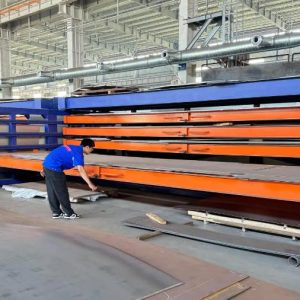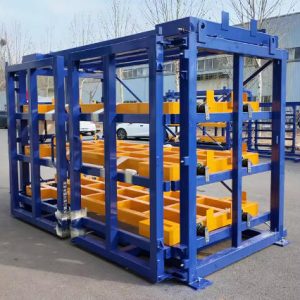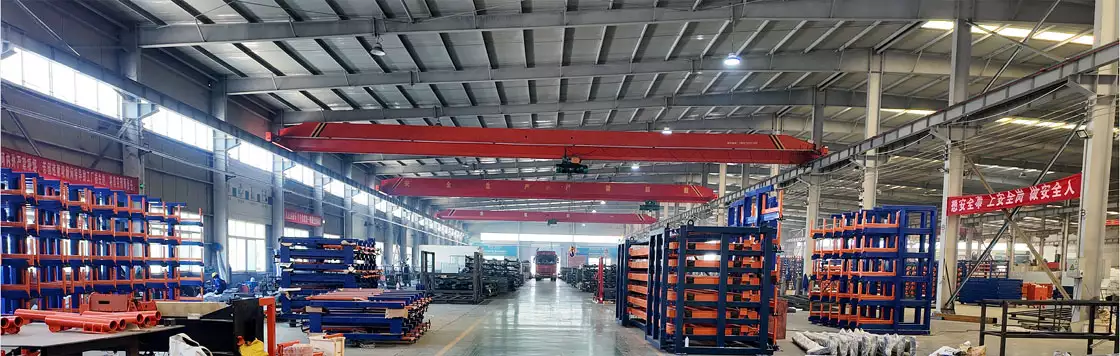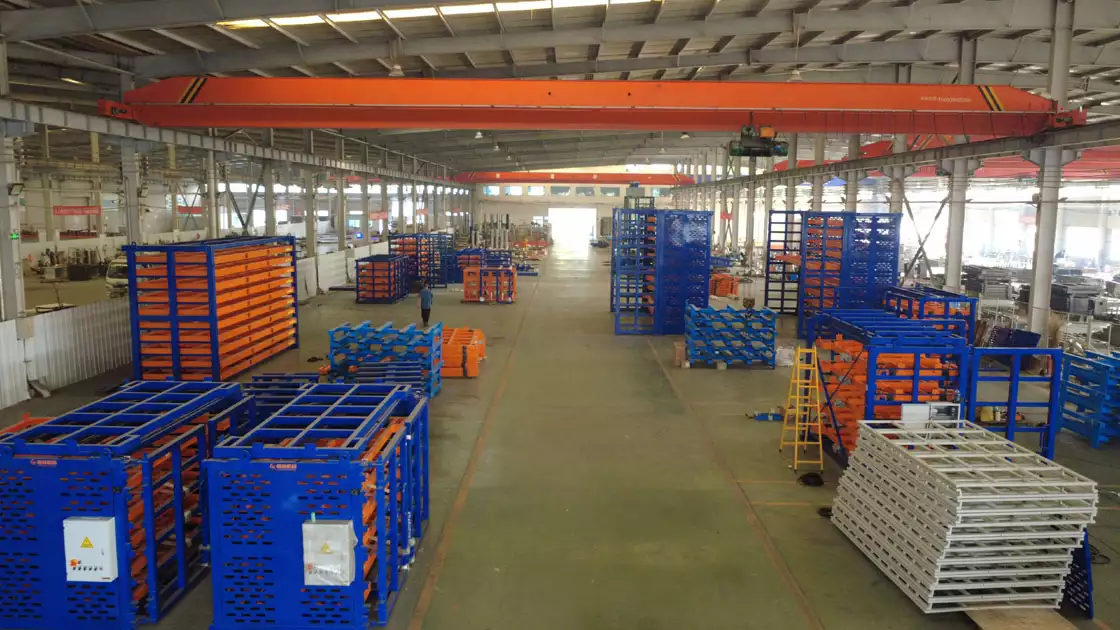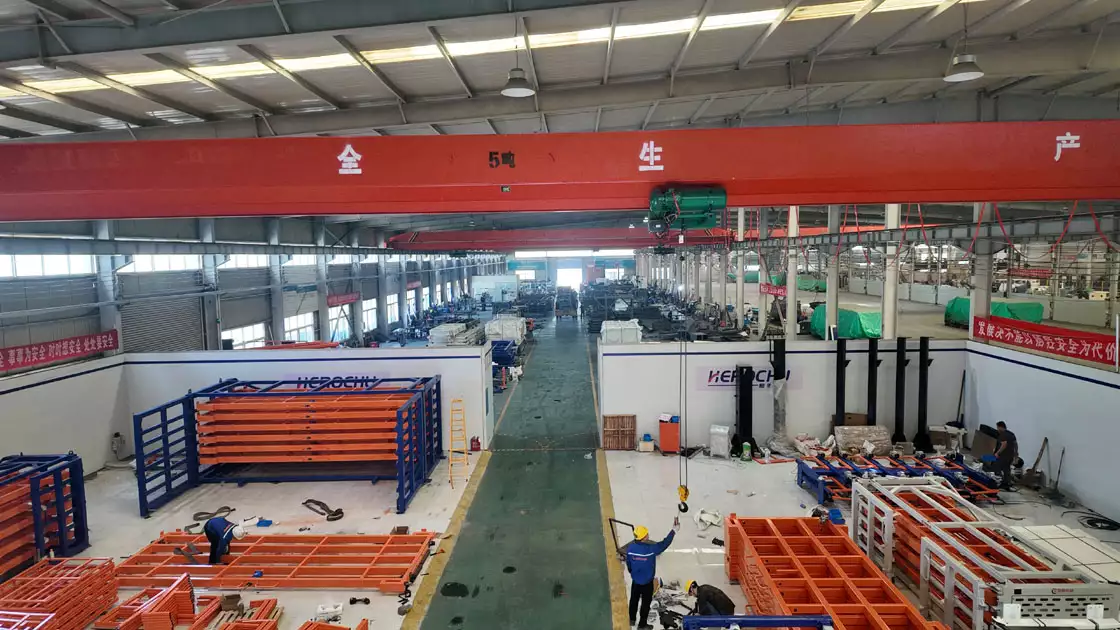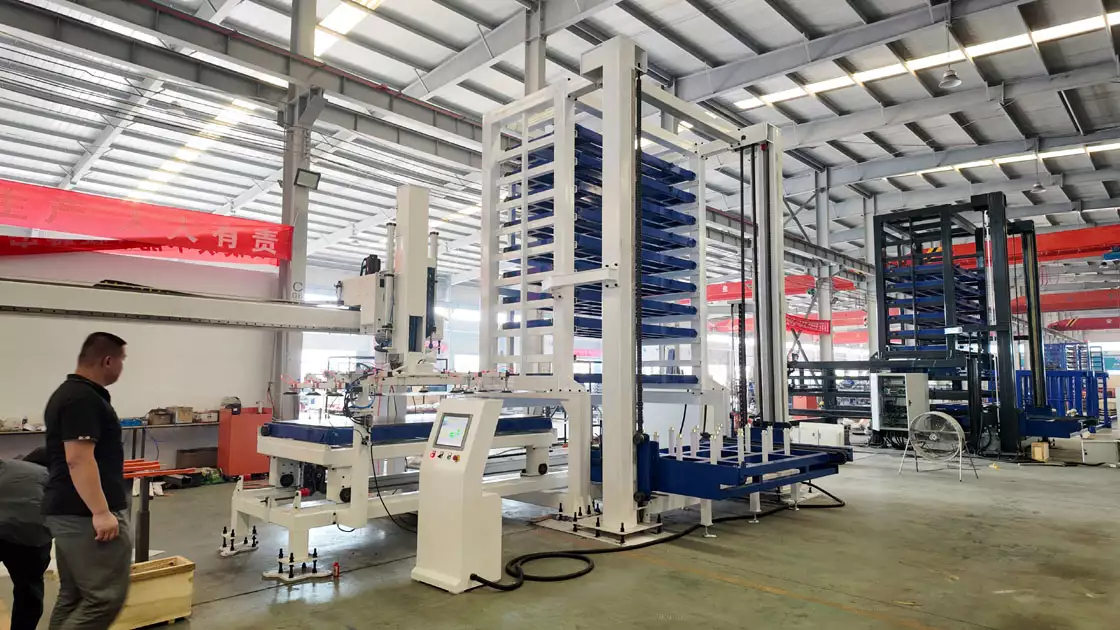
In the complex ecosystem of modern supply chains, warehousing serves as the critical nexus connecting production with distribution. The efficiency of this vital link depends heavily on storage infrastructure capable of handling diverse products while maximizing space utilization and ensuring rapid accessibility. Heavy Duty Industrial Metal Shelving has emerged as the cornerstone of effective warehouse operations, providing the strength, durability, and flexibility needed to support today’s demanding logistics environments.
The Critical Role of Industrial Shelving in Modern Warehousing
Warehouses have evolved far beyond simple storage spaces. They now function as dynamic distribution hubs where inventory turns rapidly, order accuracy matters immensely, and operational costs directly impact competitiveness. Within this context, storage equipment plays a pivotal role in determining overall facility performance. Poor shelving choices lead to wasted space, slow retrieval times, increased product damage, and heightened safety risks—problems that erode profit margins and damage customer relationships.
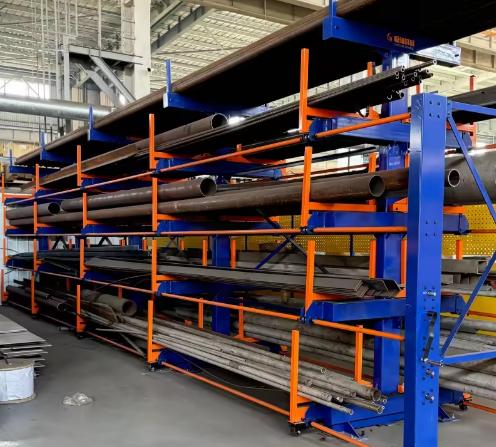
Heavy Duty Metal Racking systems address these challenges through engineered solutions designed specifically for industrial applications. Unlike light-duty commercial shelving intended for boxes and small items, industrial metal shelving handles substantial weights, accommodates irregular shapes, and withstands harsh operating conditions. This specialized equipment forms the physical foundation upon which efficient warehouse operations depend.
The shift toward heavy-duty systems reflects broader industry trends. Manufacturing consolidation has created larger batch sizes requiring robust storage. Just-in-time delivery expectations demand faster picking speeds. Labor shortages necessitate equipment that maximizes worker productivity. Sustainability goals push for space optimization that delays facility expansions. Modern Heavy Duty Shelves for Storage Industrial Storage responds to all these pressures simultaneously, delivering comprehensive solutions that traditional approaches cannot match.
Engineering Excellence: The Science Behind Heavy-Duty Performance
Exceptional performance in industrial shelving doesn’t happen by accident—it results from meticulous engineering grounded in advanced analytical methods. Leading manufacturers employ finite element stress analysis using sophisticated software platforms like Simsolid and Ansys to model every component’s behavior under various loading scenarios. These simulations predict how structures respond to static weights, dynamic forces from forklift impacts, and environmental stresses like temperature fluctuations.
This rigorous design process identifies potential failure points before production begins, enabling engineers to reinforce critical areas while optimizing material usage elsewhere. The result is equipment that exceeds safety requirements without unnecessary weight or cost penalties. Every beam, column, and connector undergoes virtual testing through thousands of operational cycles, ensuring reliable performance throughout decades of service.
Material selection plays equally crucial roles in system performance. Structural steel grades are chosen based on specific yield strengths needed for intended load capacities. High-tensile alloys provide exceptional strength-to-weight ratios, enabling lighter structures that don’t sacrifice performance. Protective coatings receive equal attention, with powder-coating formulations developed to resist chipping, scratching, and chemical exposure common in industrial settings.
Manufacturing processes maintain tight tolerances ensuring consistent quality across production runs. Automated welding systems create uniform joints with predictable strength characteristics. Precision punching and forming equipment produce components that fit together perfectly during assembly, eliminating field modifications that could compromise structural integrity. Quality control checkpoints throughout production verify dimensional accuracy and material properties, catching deviations before they reach customers.
Load Capacity: Meeting Extreme Industrial Demands
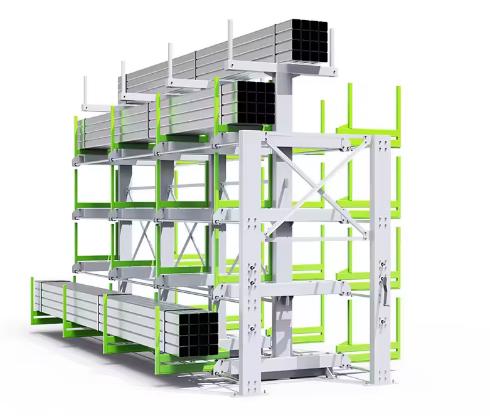
Industrial environments regularly handle weights that would overwhelm conventional storage systems. Heavy Duty Industrial Metal Shelving rises to these challenges with capacity ratings spanning from 1 to 10 tons per shelf level, customizable based on specific application requirements. These impressive figures accommodate everything from dense metal coils to bundled lumber packages without approaching safety limits.
Capacity customization allows facilities to match equipment specifications precisely to actual inventory characteristics. High-density storage zones might utilize maximum ratings for bulk materials, while fast-moving product areas employ moderate capacities optimized for frequent access. This targeted approach optimizes material costs while ensuring appropriate safety margins across all storage locations.
Dynamic load considerations extend beyond simple weight ratings. Equipment must withstand impact forces from forklifts accidentally bumping uprights, vibration from nearby machinery, and seismic events in earthquake-prone regions. Advanced engineering addresses these challenges through progressive collapse prevention designs that localize damage should individual components fail. Redundant load paths ensure remaining structures continue supporting inventory safely even after partial system compromise.
Testing protocols validate capacity claims through controlled experiments simulating real-world conditions. Static load tests apply graduated weights until reaching specified limits plus safety factors. Dynamic tests introduce impact forces and cyclic loading to verify performance under operational stresses. These rigorous validations provide customers confidence that rated capacities reflect genuine capabilities rather than optimistic marketing claims.