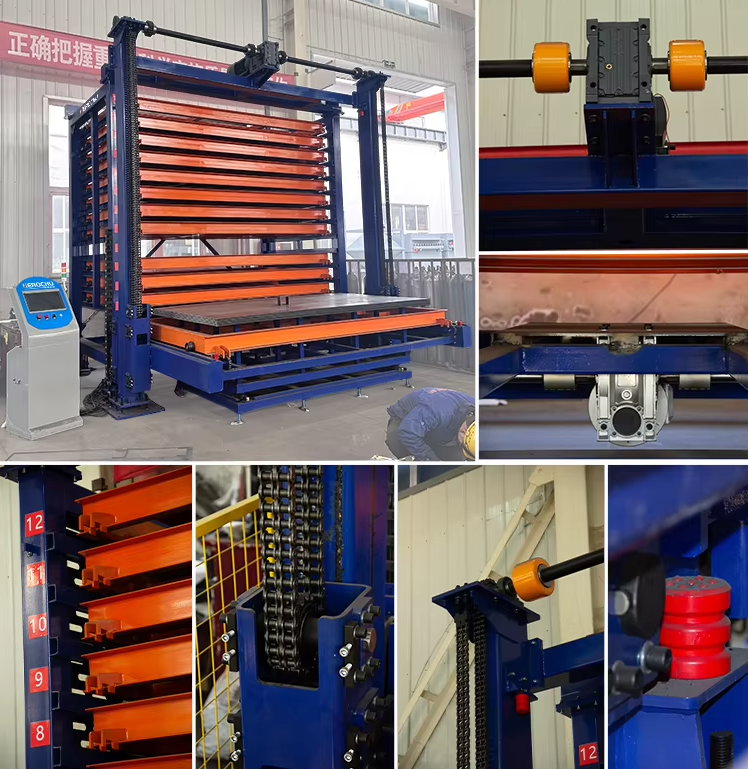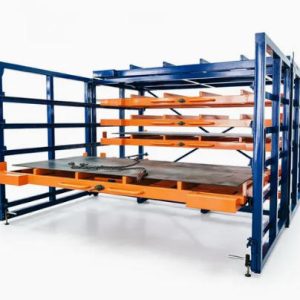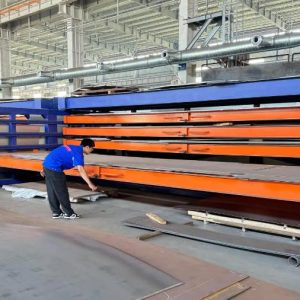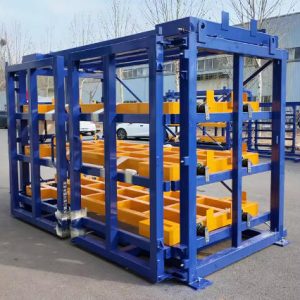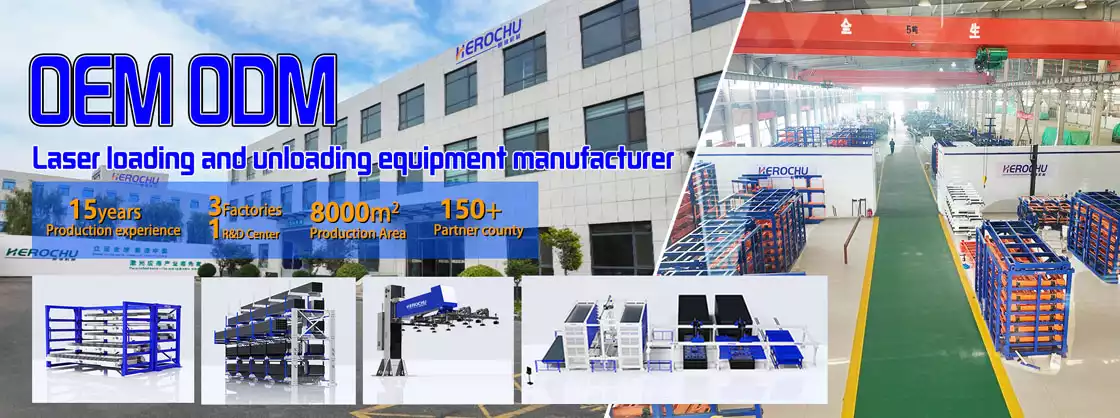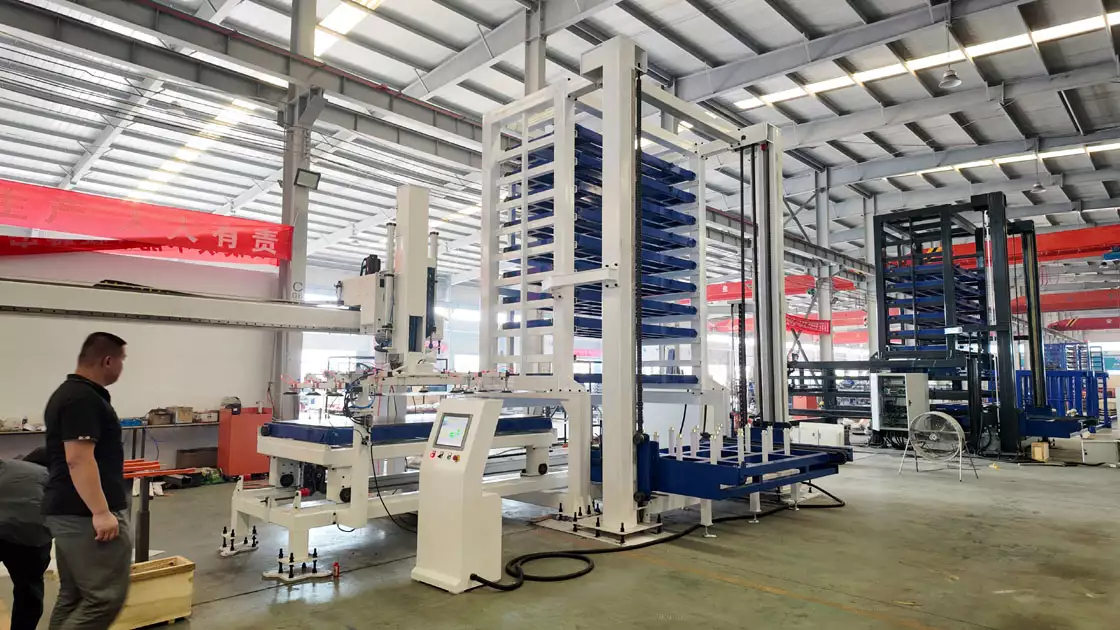
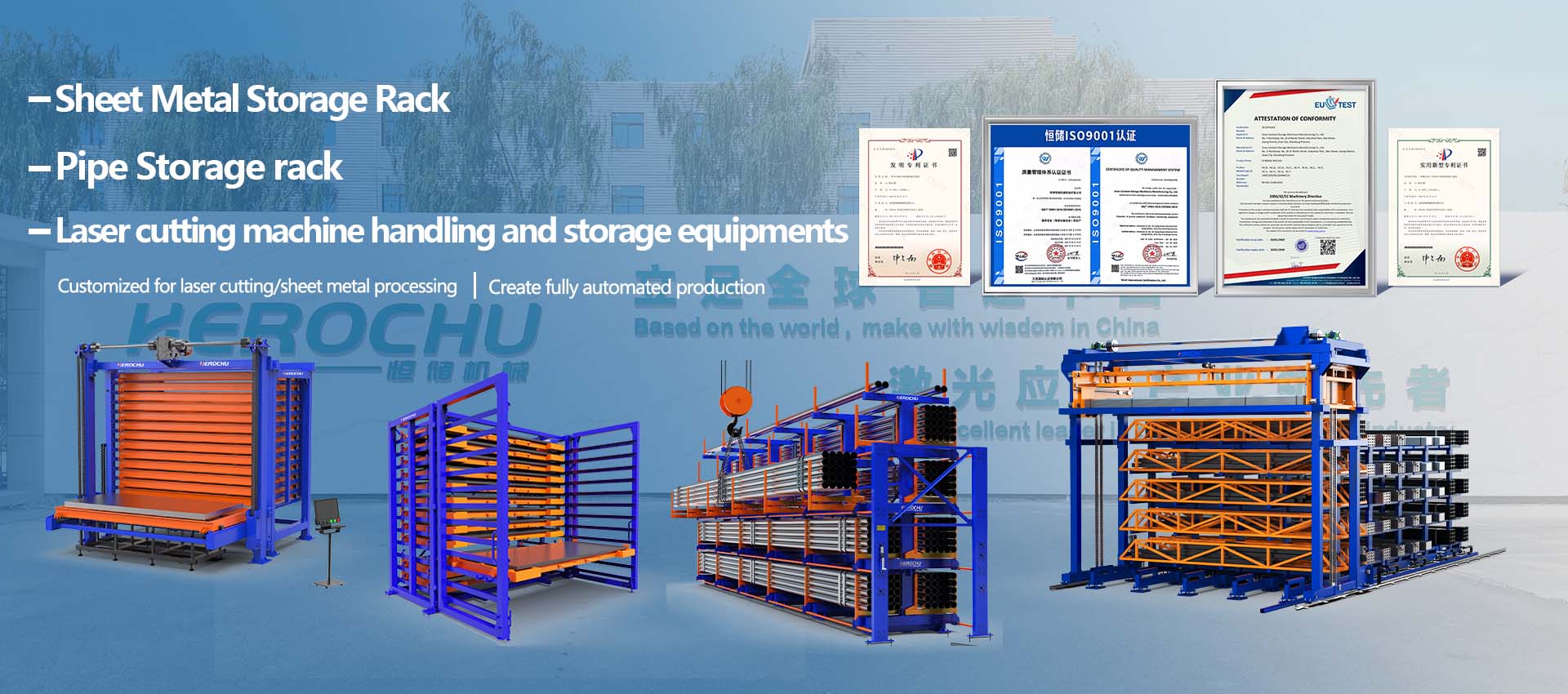
In the era of Industry 4.0, the isolation of machinery is a thing of the past. The modern factory is a connected ecosystem where data flows freely between machines, software, and personnel. For metal fabrication shops, the disconnect between inventory storage and production execution often leads to inefficiencies, delays, and inaccurate costing. Bridging this gap requires a sophisticated approach to Automated Storage and Retrieval for Laser Cutting, one that goes beyond simple mechanical storage to become an intelligent node in the factory’s digital network. The Automatic Twin-Tower Sheet Metal Storage System represents the pinnacle of this integration, offering seamless connectivity with ERP (Enterprise Resource Planning) and WMS (Warehouse Management System) platforms to drive real-time decision-making.
The heart of this integration lies in the system’s advanced control architecture. Governed by powerful PLCs and intuitive touch screen interfaces, the Intelligent Sheet Metal Rack Warehouse does more than just hold metal; it manages data. Every action, from the moment a plate enters the facility to the instant it is loaded onto a laser cutter, is recorded and analyzed. The feature of automatic weight detection is a prime example of this data-centric approach. Upon receipt, the system verifies the weight of the incoming material against the order specifications. This data is instantly synced with the ERP system, updating inventory values and triggering financial entries automatically. This eliminates manual data entry errors and ensures that the company’s financial records reflect the true state of its assets.
For facilities dealing with heavy and untypical goods storage, the ability to track specific attributes of each item is crucial. The system categorizes and visualizes inventory based on material type, thickness, dimensions, and even heat lot numbers. When a production order is released in the ERP system, the Automated Sheet Metal Rack Steel Plate Automatic Lifting Library receives the instruction immediately. It identifies the optimal plate for the job, considering factors like remnant utilization and material age, and retrieves it without human intervention. This level of automation ensures that the laser cutting machine is never idle waiting for material, maximizing the return on investment for expensive cutting equipment.
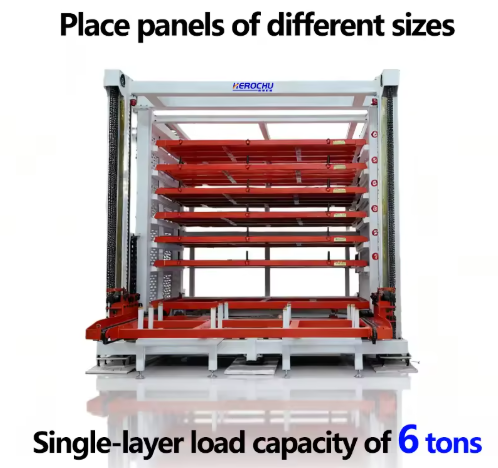
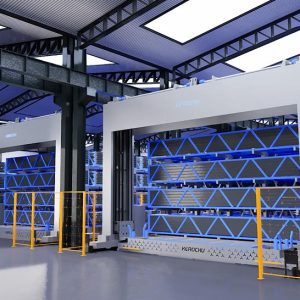
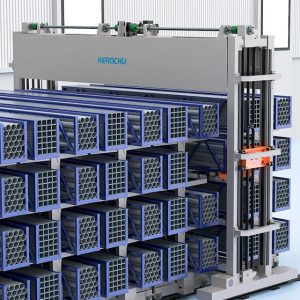
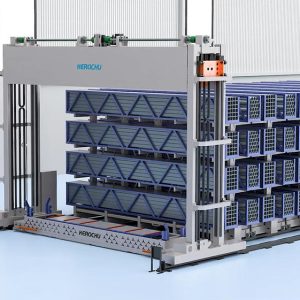
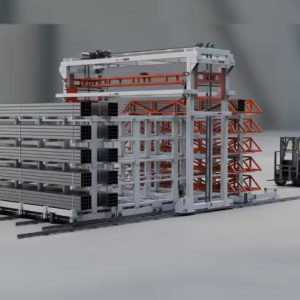
The Double Tower for sheet metal storage design further enhances this integration by facilitating a continuous flow of information and materials. With dual access points, the system can simultaneously accept new stock updates from the receiving department while feeding the production floor. This parallel operation is coordinated through the central software, which manages traffic and prioritizes tasks based on real-time production schedules. The system’s ability to handle long bars and oversized plates up to 12 meters means that even the most complex bills of materials can be fulfilled accurately and efficiently.
Connectivity extends beyond internal software. The Automated sheet metal storage systems are designed to interface with a wide array of warehouse equipment. Whether it’s directing a forklift to a specific drop-off point, coordinating with a stacker crane for high-level retrieval, or syncing with a fiber laser or water-jet cutter for direct loading, the system acts as the central conductor of the material handling orchestra. This interoperability reduces the friction between different stages of the production process, creating a lean and agile manufacturing environment.
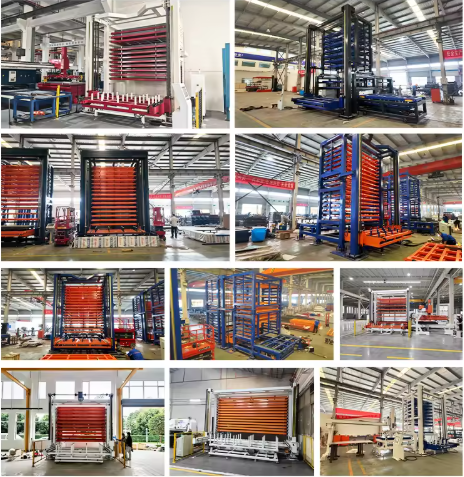
Real-time inventory control is perhaps the most significant benefit of this integration. Managers can access up-to-the-minute data on stock levels, location, and usage trends from anywhere in the facility—or even remotely. This visibility allows for proactive purchasing decisions, preventing stockouts that could halt production or overstocking that ties up capital. The classified visual management provided by the system ensures that every square inch of storage space is utilized effectively, and every piece of metal is accounted for.
The specifications of these systems, such as the customizable number of floors, load capacities of 3T or 5T, and speeds of 9m/min vertically and 12m/min horizontally, are all monitored and reported by the control software. This data can be used for predictive maintenance, identifying wear and tear on components like linear guide rails and chains before they fail. Such foresight prevents unexpected downtime and extends the lifespan of the equipment.
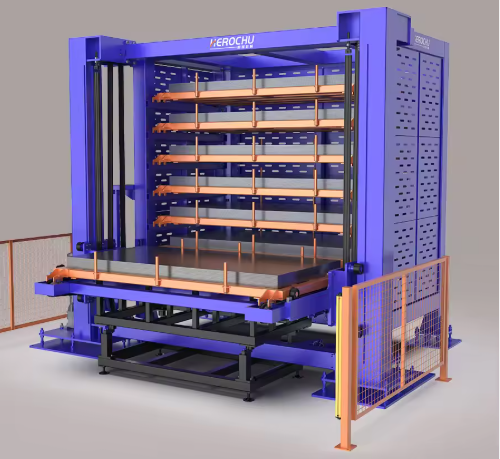
In conclusion, the future of metal fabrication lies in the seamless integration of hardware and software. The Automated Storage and Retrieval for Laser Cutting solutions offered by systems like the Herochu HC-A3015 provide the backbone for this digital transformation. By connecting automated sheet metal storage with ERP and WMS platforms, manufacturers gain unparalleled control over their operations. They can reduce costs, improve efficiency, ensure quality, and respond rapidly to market demands. As the industry continues to digitize, those who adopt these intelligent, connected storage solutions will find themselves leading the pack, while those who cling to manual, disconnected methods risk obsolescence. The time to integrate is now, securing a competitive edge through the power of data-driven automation.