Meta Description: Discover how long material storage racks transform industrial storage. Learn about space optimization, safety standards, and layout strategies for extended inventory.
Target Keyword: Long Material Storage Racks: Efficient Solutions for Industrial Use
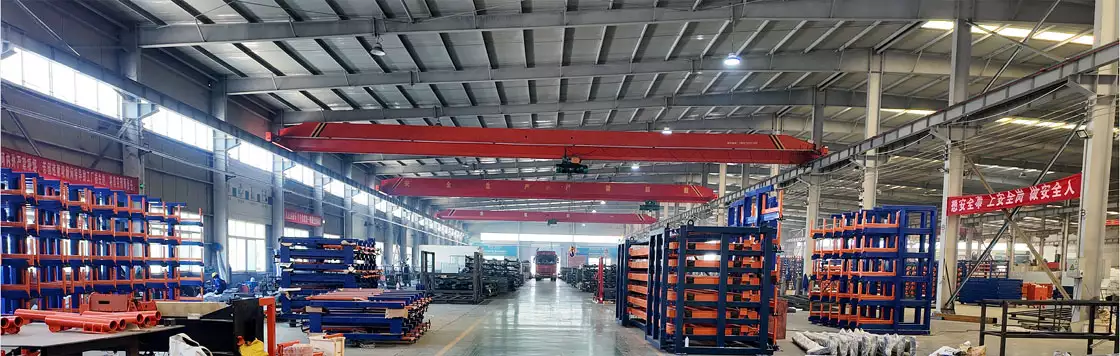
In the demanding environment of modern industrial facilities, the challenge of storing long, linear materials is a constant logistical puzzle. Steel bars, aluminum extrusions, timber planks, and plastic piping—the lifeblood of fabrication shops, service centers, and construction suppliers—are notoriously difficult to manage. Traditional pallet racking fails to accommodate their length, and floor stacking leads to disorganization, damage, and significant safety hazards. This is where long material storage racks: efficient solutions for industrial use prove their value, transforming chaotic storage areas into models of productivity and safety.
Engineering for the Unique Demands of Elongated Loads
Long material storage racks are not simply larger versions of standard racking. They are engineered systems designed to address the specific physics of elongated loads. The primary challenge is preventing deformation. An unsupported 20-foot steel rod will sag under its own weight, a condition known as “set” that can render the material useless. Similarly, stacks of pipes can crush those at the bottom.
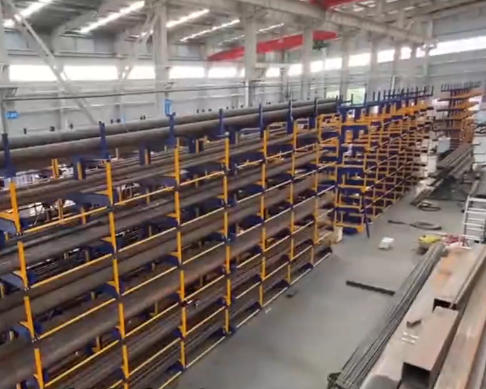
Purpose-built racks solve this by providing continuous or strategically placed support along the entire length of the material. This is achieved through extended horizontal arms, cradles, or beams that distribute the weight evenly. According to a 2025 study by the Material Handling Institute, facilities transitioning from floor storage to dedicated long material racks reported up to 35% more usable floor space. Even more critically, they saw a 50% reduction in handling injuries. This drop is directly attributable to eliminating the hazardous practice of workers maneuvering around unstable floor stacks or manually extracting materials from the bottom of a pile—a common precursor to strains, fractures, and struck-by incidents.
Anatomy of an Efficient Industrial Solution
The efficiency of these systems lies in their configurability. The term “industrial use” encompasses a vast range of weights, lengths, and access frequencies. Therefore, the most efficient solution is one that matches the specific operational profile.
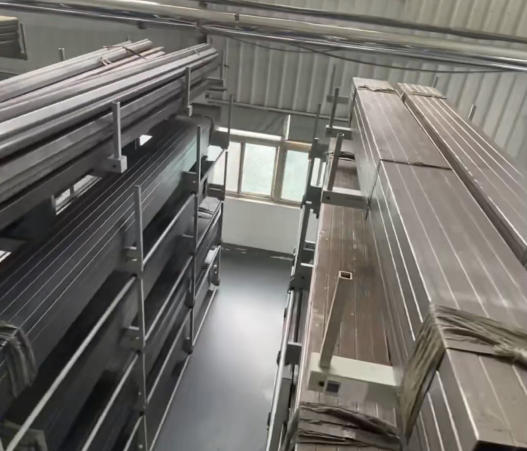
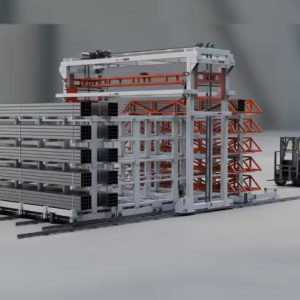
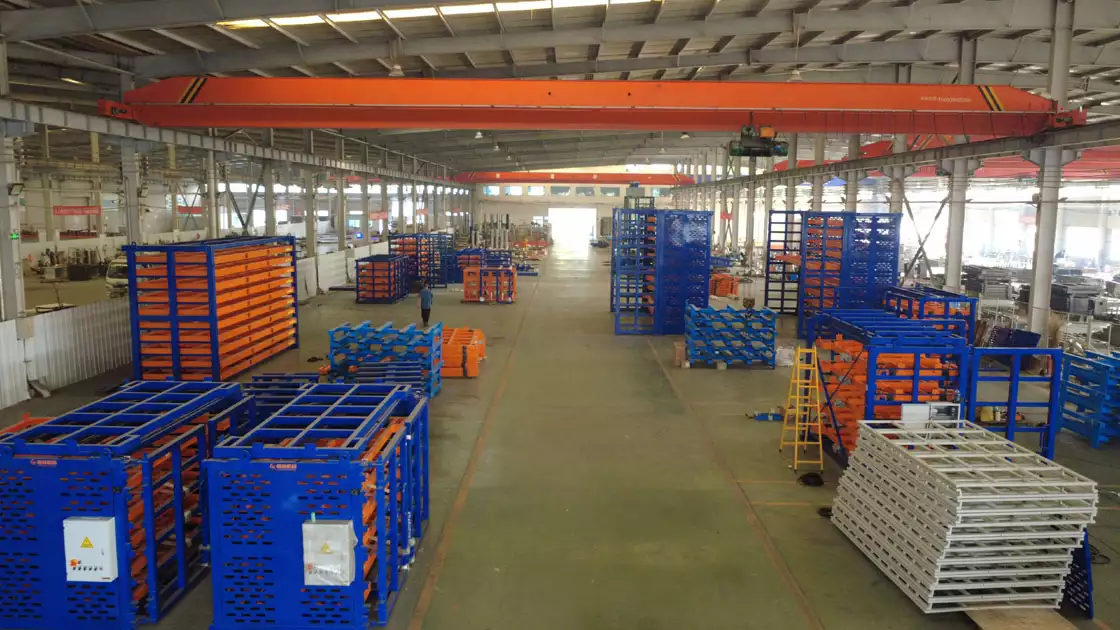
- Cantilever Racks for Unrestricted Length: For maximum flexibility, cantilever racks are the gold standard. They feature vertical columns with horizontal arms that can be adjusted vertically. This design has no front columns to obstruct loading, allowing a forklift or overhead crane to place a 40-foot beam directly onto the rack from the side. This is an efficient solution for facilities with highly variable inventory lengths.
- Cradle-Style Beam Racks for Round Stock: For businesses primarily handling pipes, tubes, and round bars, beam racks with U-shaped or V-shaped cradles are superior. These cradles nestle the round stock, preventing it from rolling off the rack during seismic events or accidental bumps, thereby enhancing both safety and material security.
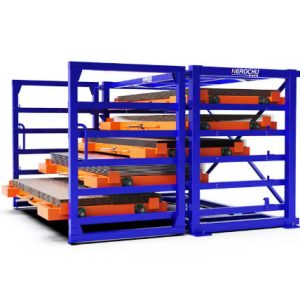
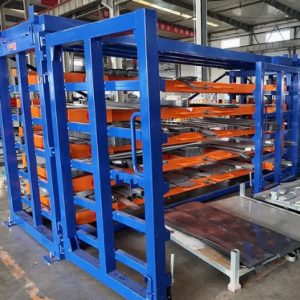
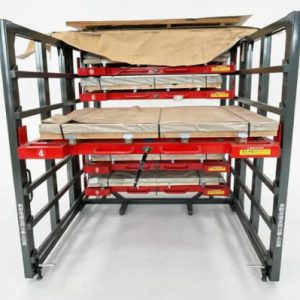
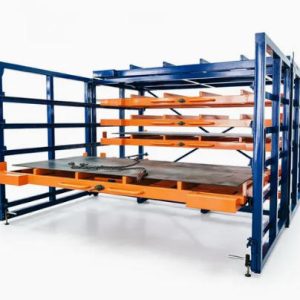
- Panel Racks for Sheet Goods: While not for solid bars, vertical panel racks are essential for storing sheet materials like plywood, drywall, or metal plates. They keep sheets upright and separated, preventing surface scratches and allowing for easy, single-sheet retrieval without destabilizing a heavy stack.
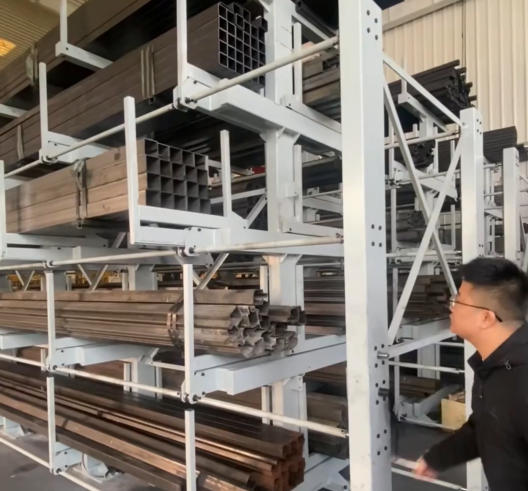
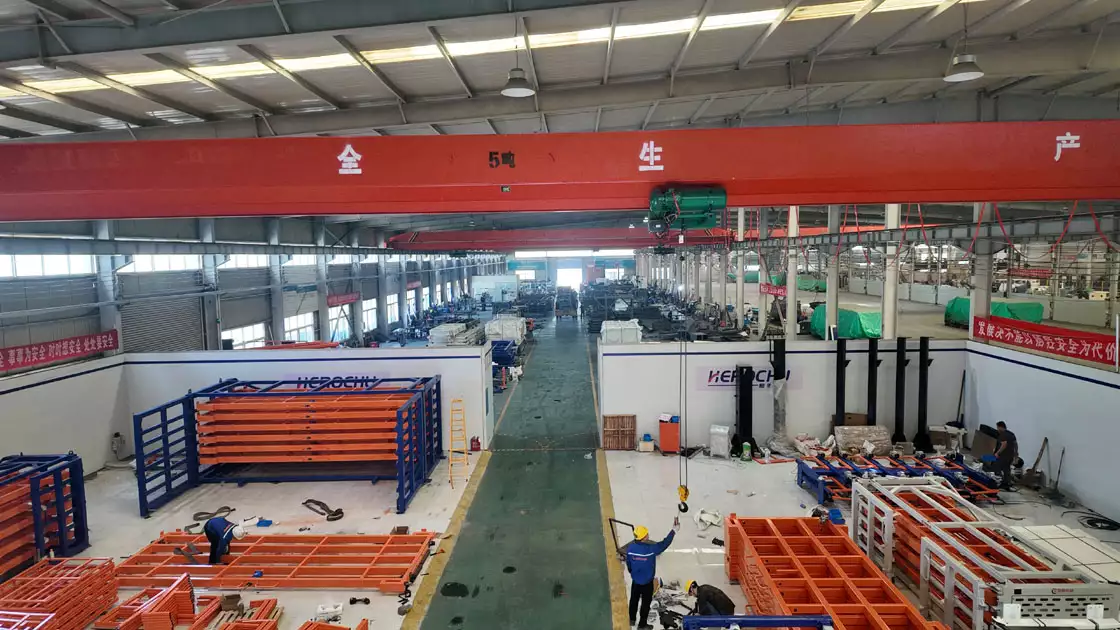
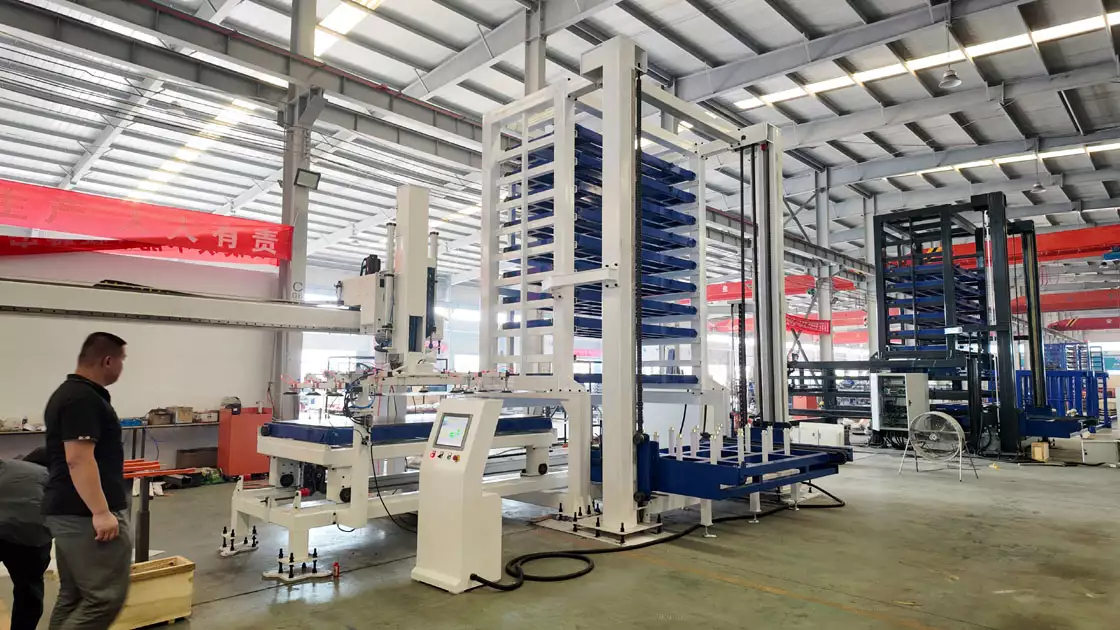
The true efficiency is realized when these configurations are combined with the right material handling equipment. A well-designed rack system works in concert with reach trucks, sideloaders, or bridge cranes to create a seamless workflow, drastically reducing the time spent searching for and retrieving materials.
Prioritizing Safety Through Compliance and Design
Safety is the cornerstone of any efficient industrial operation. When dealing with heavy, cumbersome loads, the margin for error is slim. Reputable manufacturers adhere to stringent standards such as ANSI/RMI MH16.1 (in North America) and FEM 10.2.02 (in Europe). These standards dictate everything from steel gauge and weld integrity to deflection limits and seismic stability.
Ignoring these standards can have catastrophic consequences. Overloading a cantilever rack is particularly dangerous. Because the arms act as levers, an overload can cause the arm to bend or the column to buckle without warning. An OSHA report from 2024 highlighted that improper rack loading was a contributing factor in 28% of warehouse incidents involving long stock.
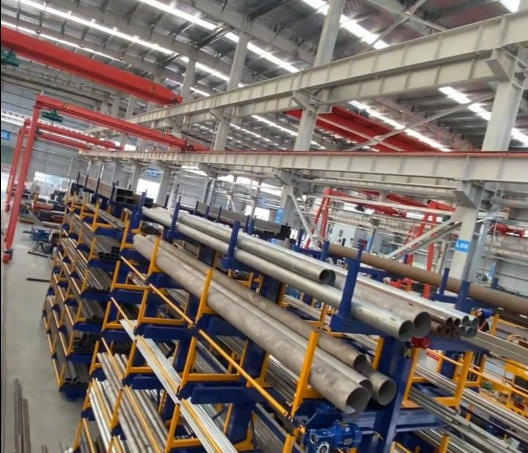
To mitigate these risks, efficient long material storage racks incorporate several safety features:
- Capacity Labeling: Racks must have clear, permanently affixed labels indicating maximum load per arm and per bay.
- Deflection Limits: The rack design must limit arm deflection (sagging) under load to prevent materials from sliding off.
- End Stops and Chain Guards: These physical barriers prevent forklifts from pushing materials off the back of the rack and stop items from being dislodged during retrieval.
- Certified Engineering: For custom or high-seismic applications, a professional engineer’s stamp on the rack design is non-negotiable for both safety and insurance compliance.
By integrating these robust safety features, long material storage racks do more than just hold items; they create a safer, more reliable, and ultimately more productive industrial workspace. Investing in these efficient solutions is an investment in operational continuity and worker well-being.