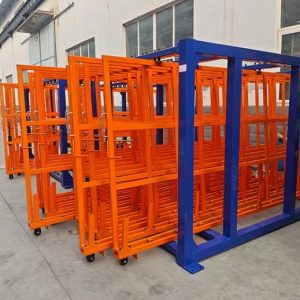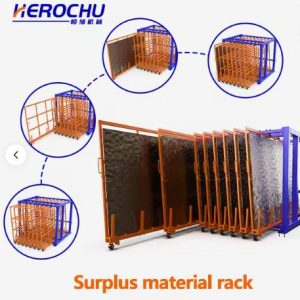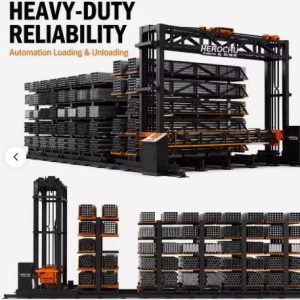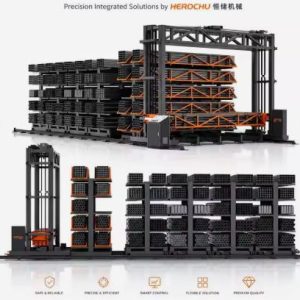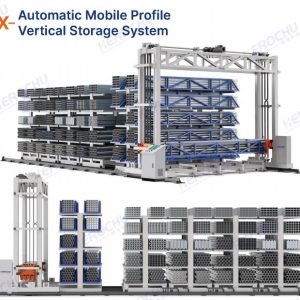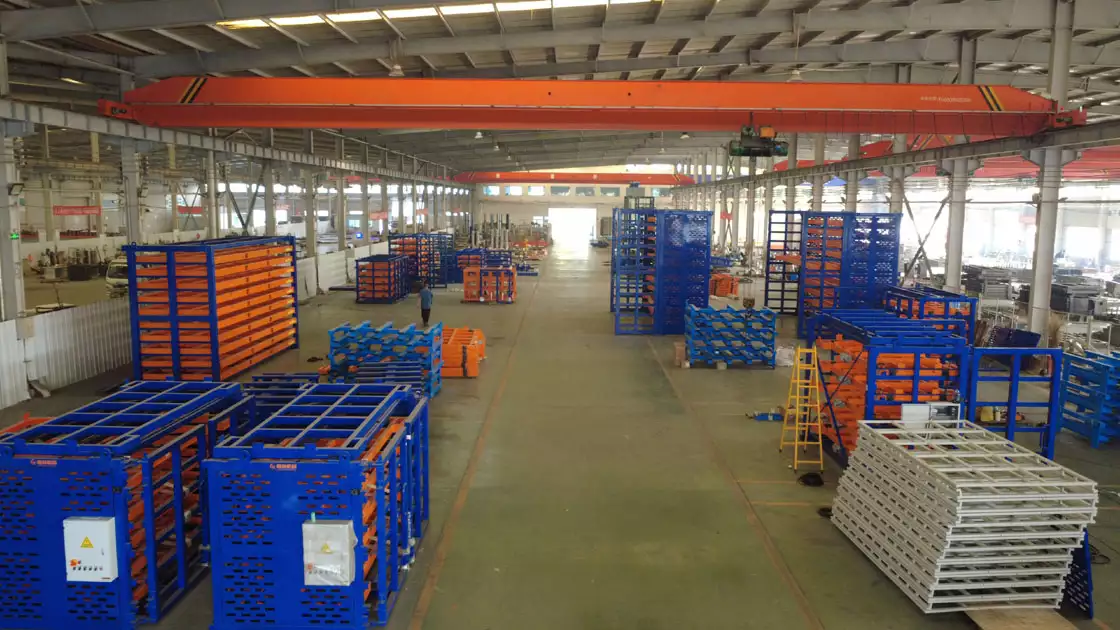
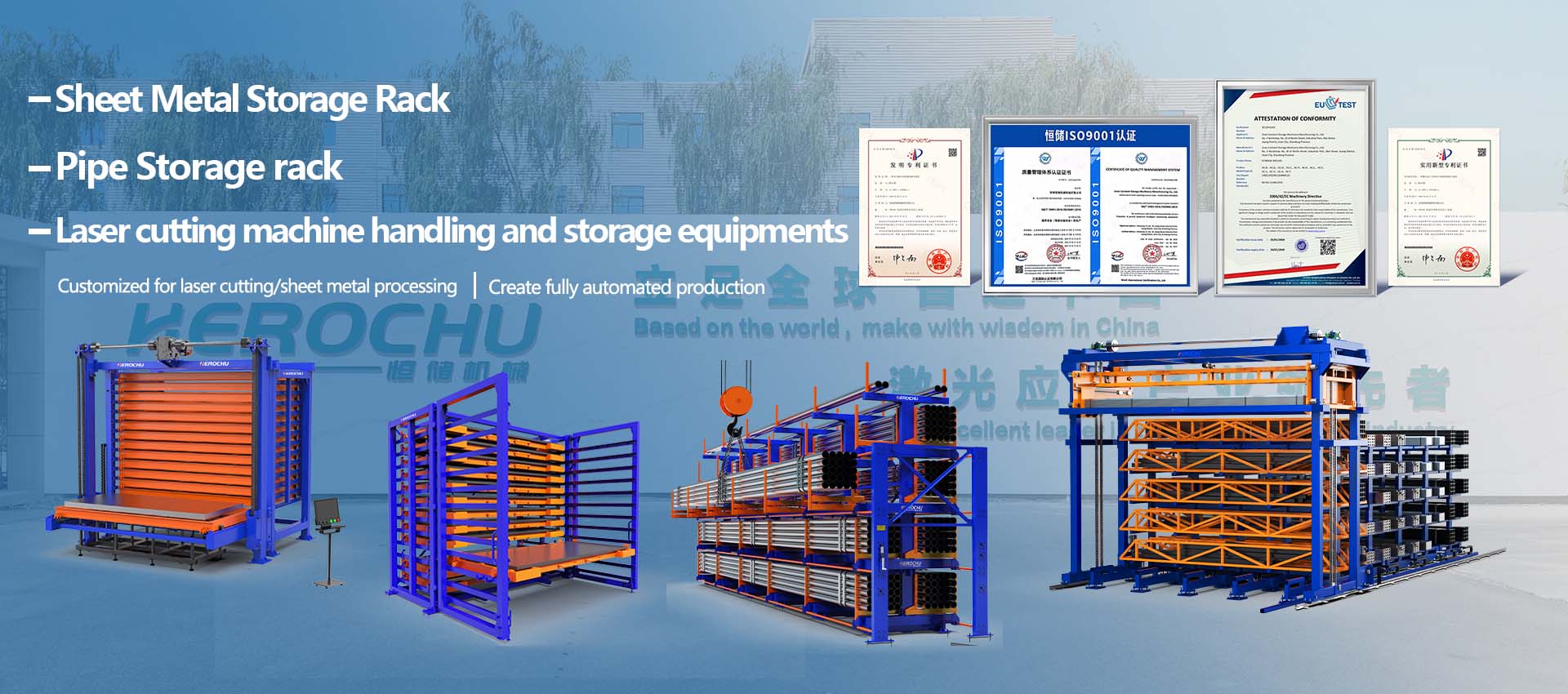
Laser cutting shops generate remnants at a rate that outpaces most manual sorting systems. Nesting software produces offcuts of irregular shapes and sizes with every sheet processed, and the economic viability of reusing those offcuts depends entirely on whether they can be found and retrieved faster than a new sheet can be pulled from stock. Herochu’s vertical sheet and plate remnant rack for laser cutting shops is engineered around this specific operational rhythm: fast sorting at the point of generation, fast retrieval at the point of use, and a physical organization that makes the reuse decision the default rather than the exception.
The workflow logic starts at the machine. When the laser finishes a nest and the operator unloads parts, the remaining skeleton and usable offcuts come off the table together. In a shop without a dedicated remnant system, those pieces go onto a pallet or into a corner, where they wait for a sorting decision that may never come. With a Herochu rack positioned beside the laser, the offcuts go directly into designated drawers. The tier structure can be assigned by material grade—mild steel on one level, stainless on another, aluminum on a third—or by thickness range, or by job origin. The physical location becomes the inventory record. No database entry is required because the drawer itself is the location marker.
Retrieval follows the same logic. When the next job requires a piece of 3 mm mild steel large enough for a bracket nest, the operator checks the corresponding drawer before walking to the full-sheet rack. The full-extension drawer presents the entire remnant face in one movement. If a suitable piece is visible, it goes onto the laser table. If not, the drawer closes and the operator pulls a new sheet. The time cost of checking has fallen from minutes of digging to seconds of visual inspection. When the cost of checking a remnant drops below the cost of cutting new material, reuse becomes the rational choice.
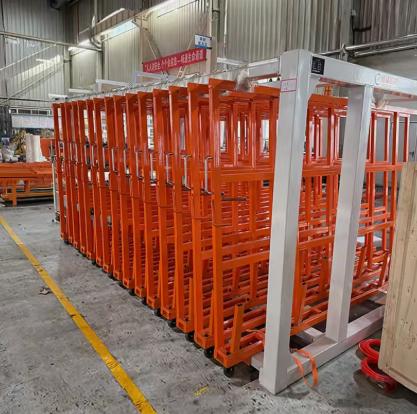
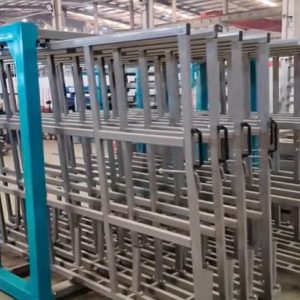
The technical specifications match the demands of laser cutting environments. Standard models include the HC-V2513-8 for 2500 × 1000 mm sheets and the HC-V3015-8 for 3000 × 1500 mm stock, both with eight customizable tiers and 1000 kg per-layer capacity. Tier counts can be specified upward to fifteen levels depending on ceiling height and remnant volume. Clear spacing between drawers adjusts at the specification stage, allowing shops that store thin-gauge offcuts to maximize tier density while shops handling thicker plate maintain adequate clearance. Mechanical assistance and 100 percent drawer extension mean a single operator can retrieve a loaded tier without a second person or a forklift.
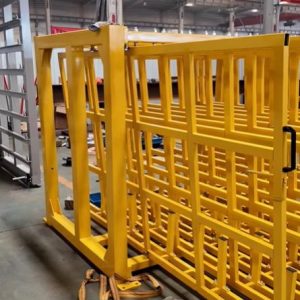
The frame is built for the conditions laser shops actually operate in. Powder-coated structural steel resists the fine dust and occasional spatter that characterize cutting environments. Sealed bearing assemblies tolerate the particulate load without requiring frequent maintenance. Non-skid drawer surfaces keep material stable during extension, and the auto-latch secures the drawer in the open position until deliberately released.
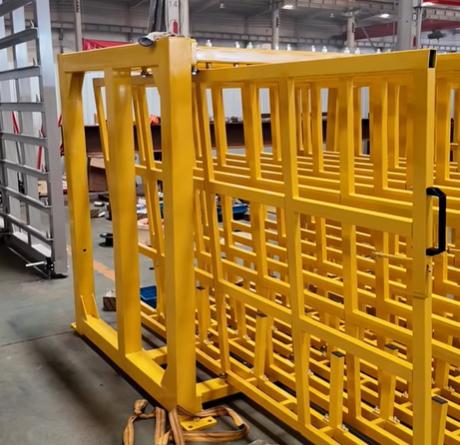
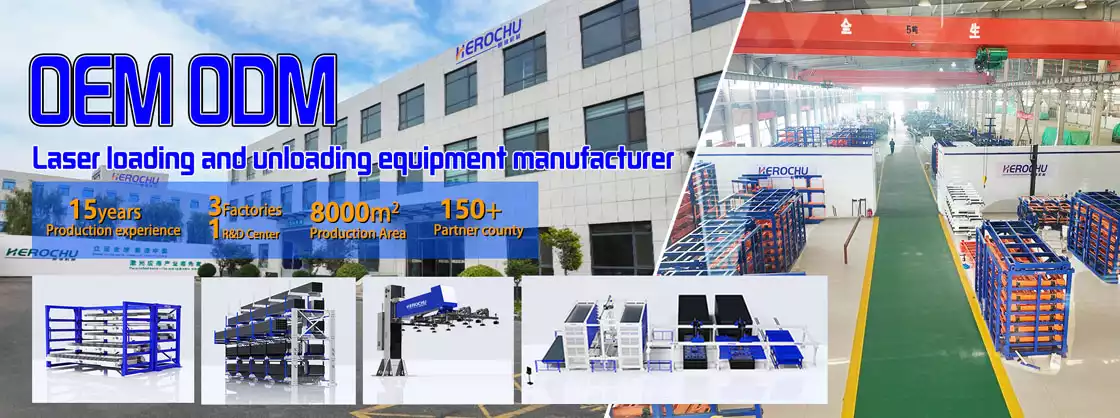
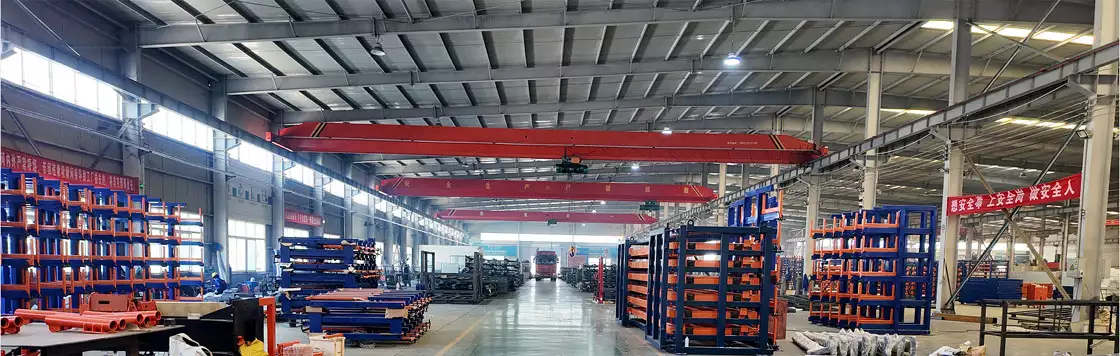
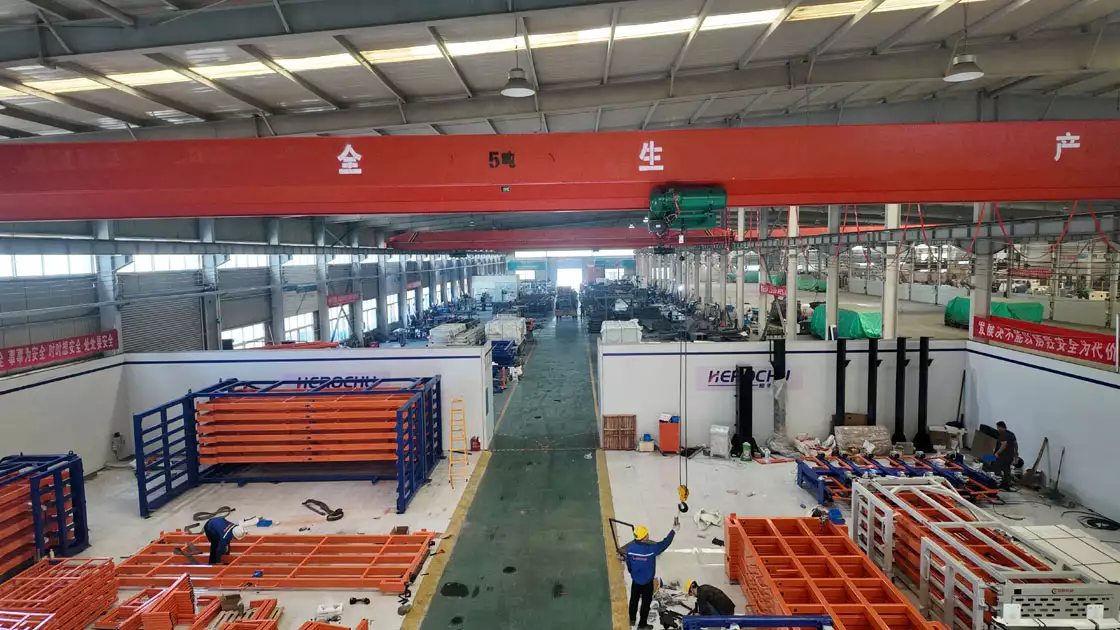
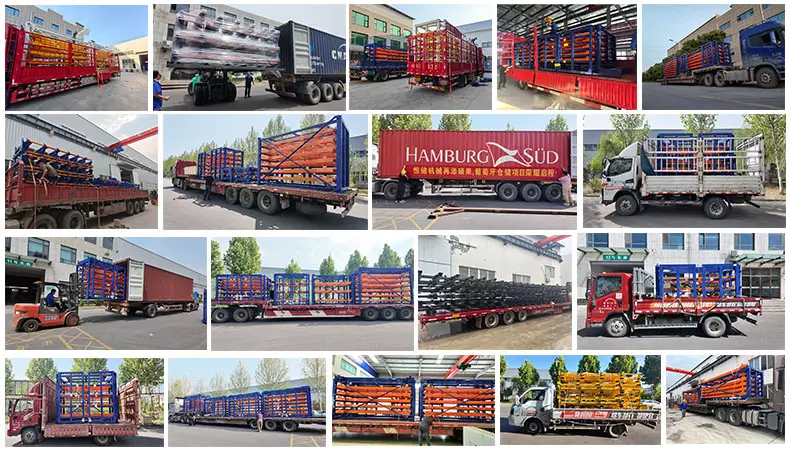
Herochu manufactures these racks in a CE-certified, ISO9001-compliant facility and performs pre-shipment load testing on every unit. For laser cutting shops, the vertical sheet plate remnant rack is not simply a storage accessory. It is the physical infrastructure that makes remnant reuse operationally practical, reducing new sheet purchases by converting what would otherwise be scrap into retrievable, usable stock.