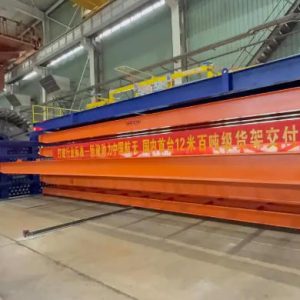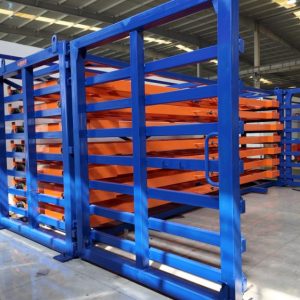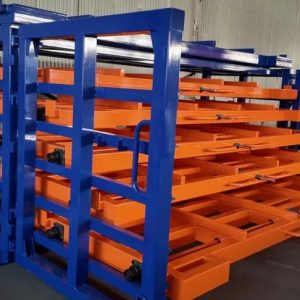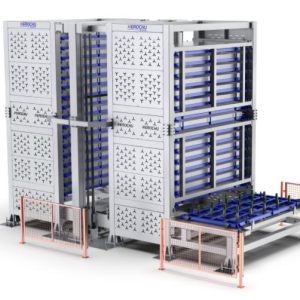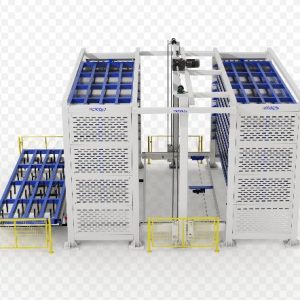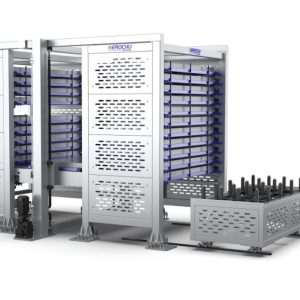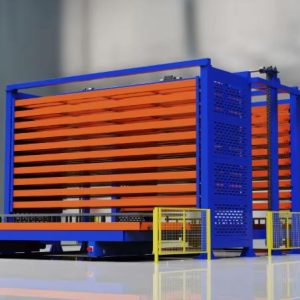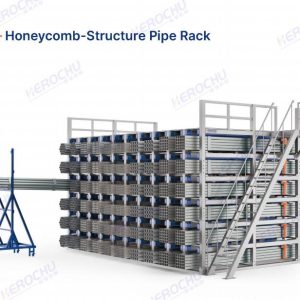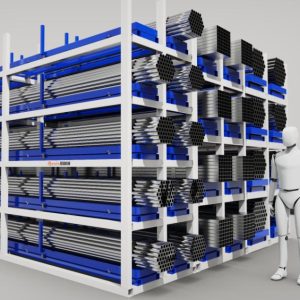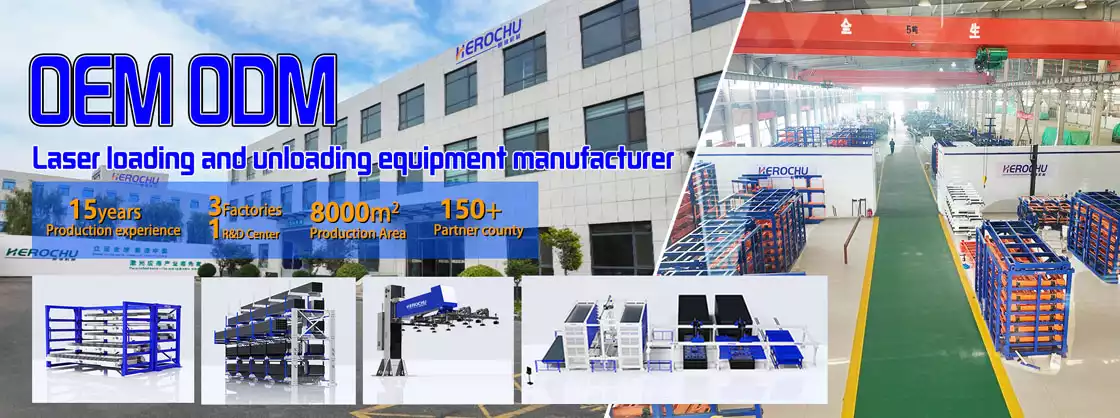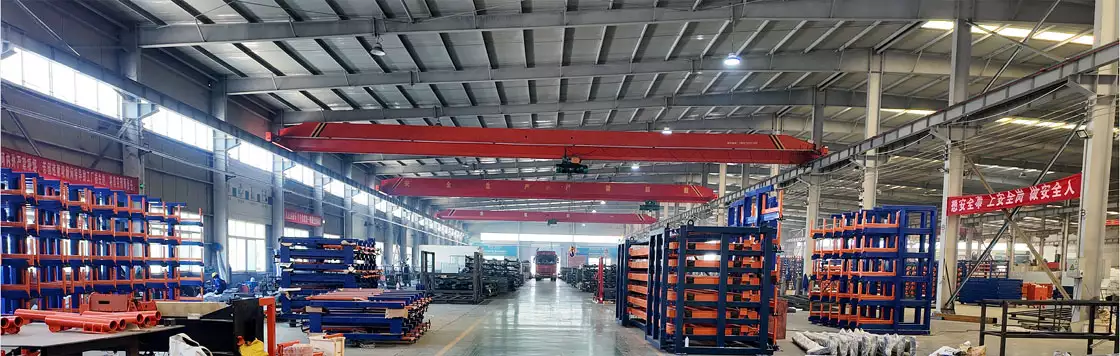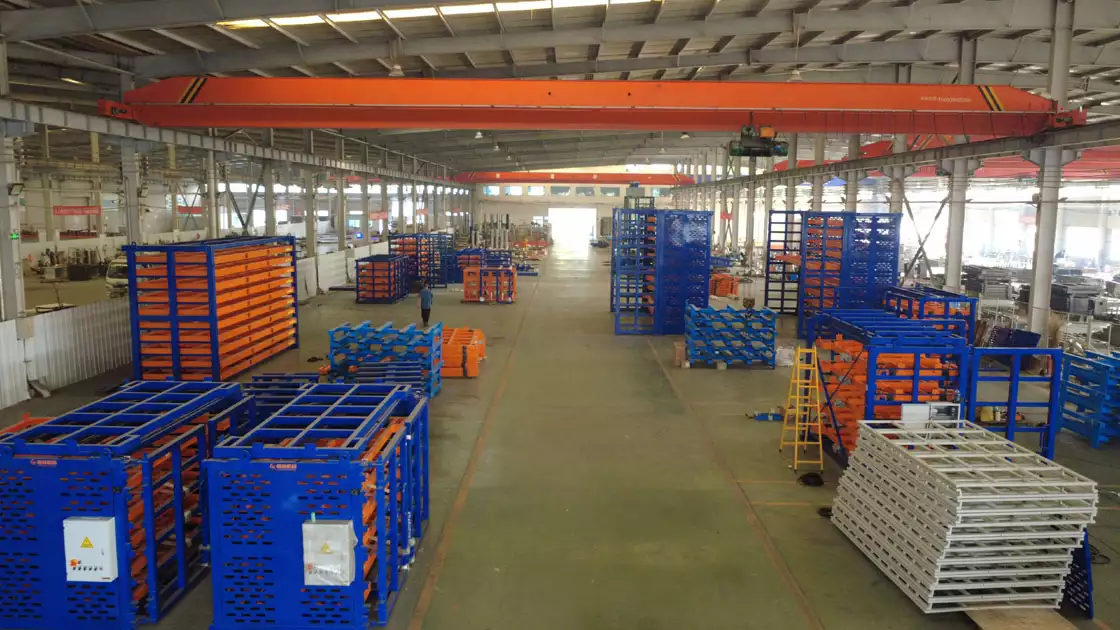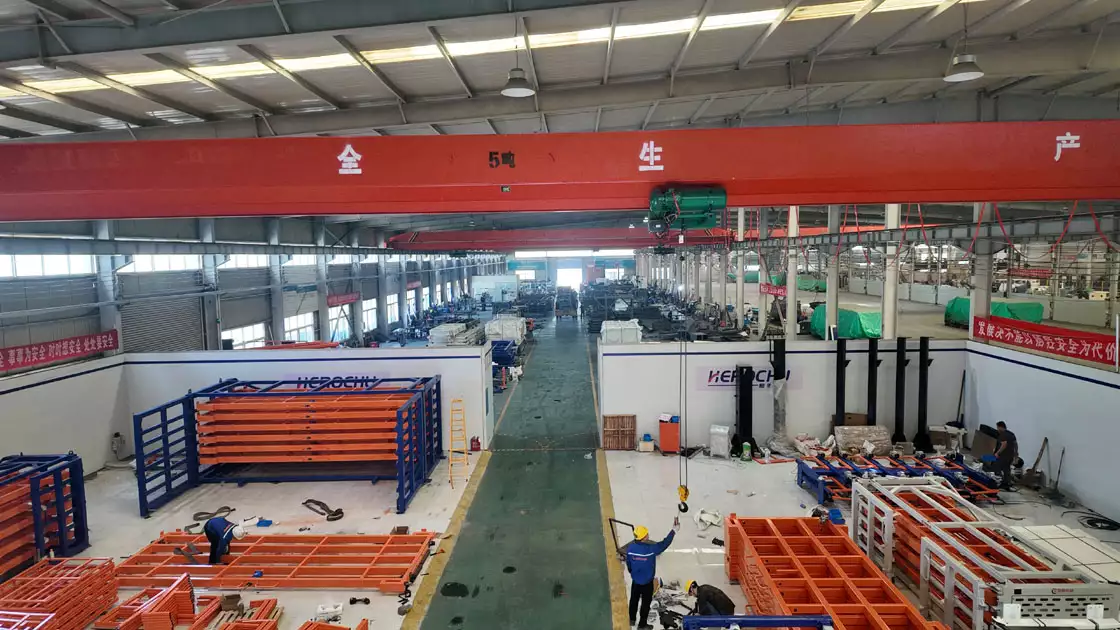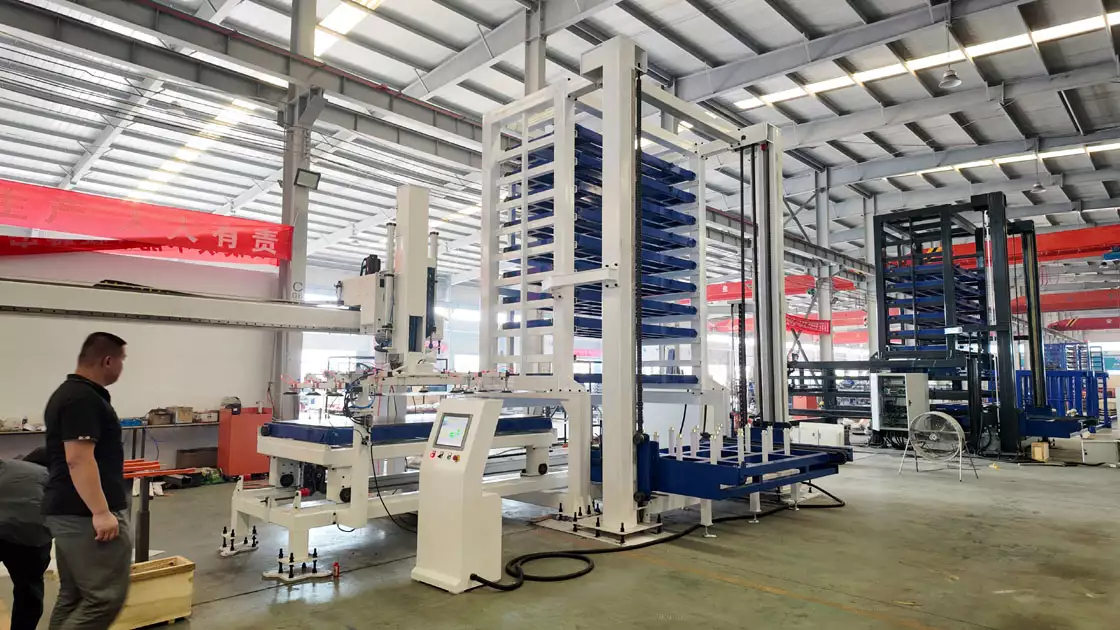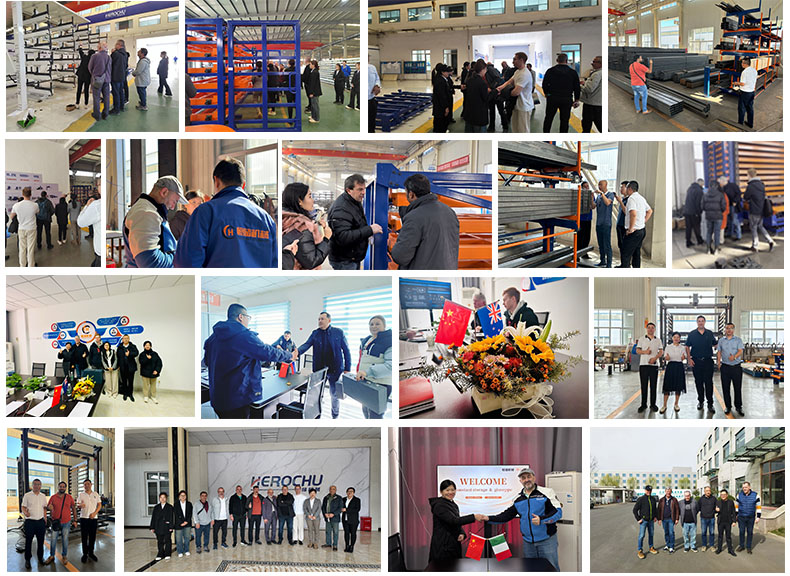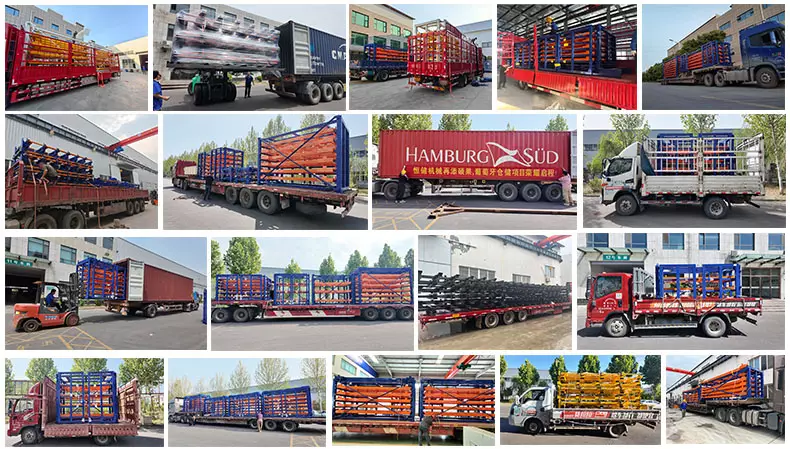
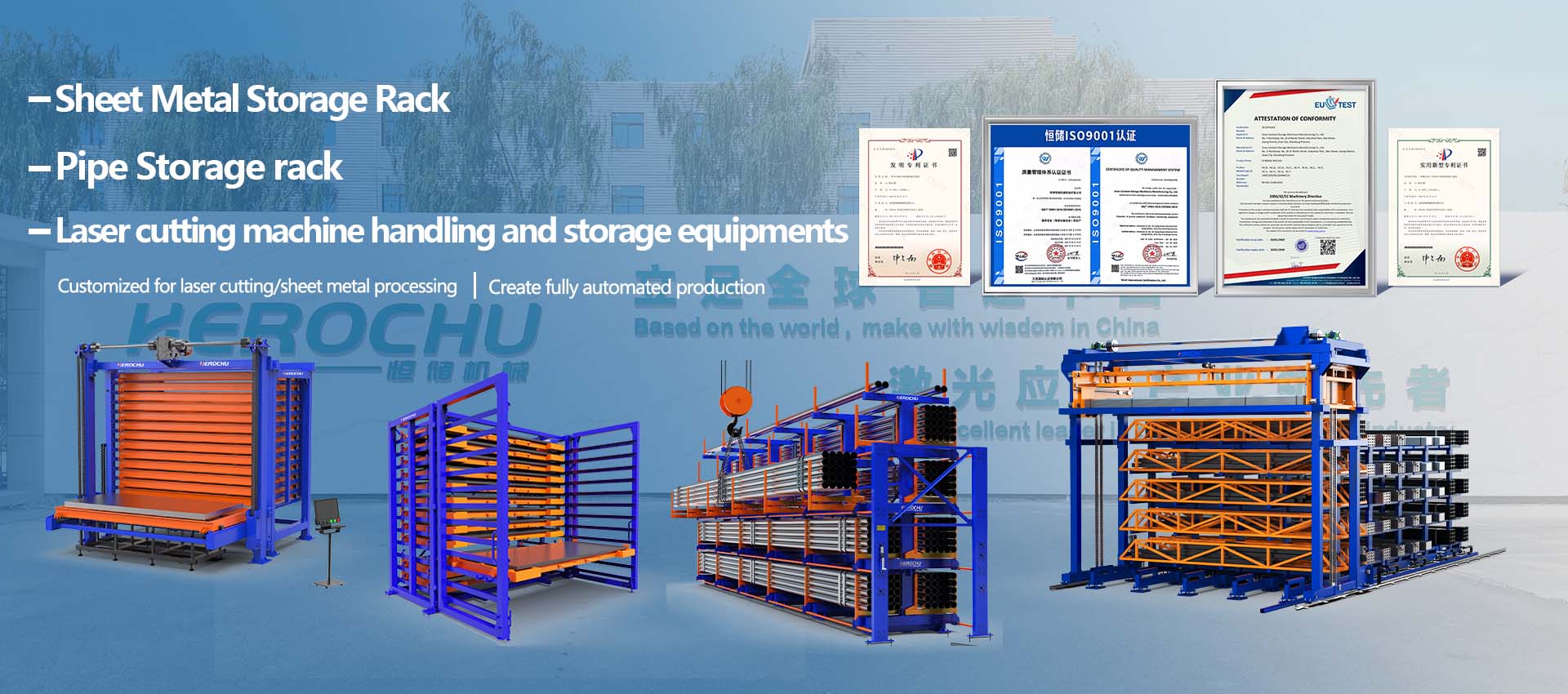
The Industrial Electric Plate Drawer Storage System represents the evolution of material storage from passive racking to active production support. Designed for manufacturing environments where sheet metal and plate materials must flow continuously from storage to processing, this system integrates motorized drawer technology with intelligent controls to create a storage solution that actively supports production throughput rather than merely containing inventory.
System Architecture and Core Components
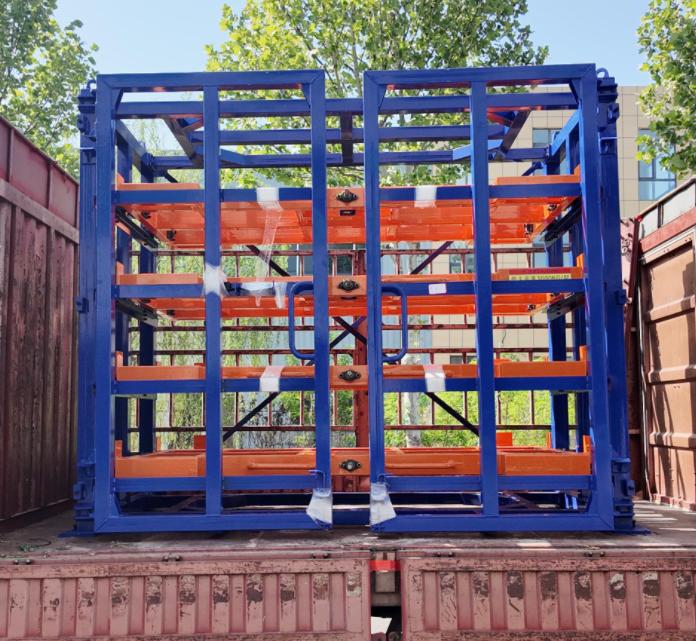
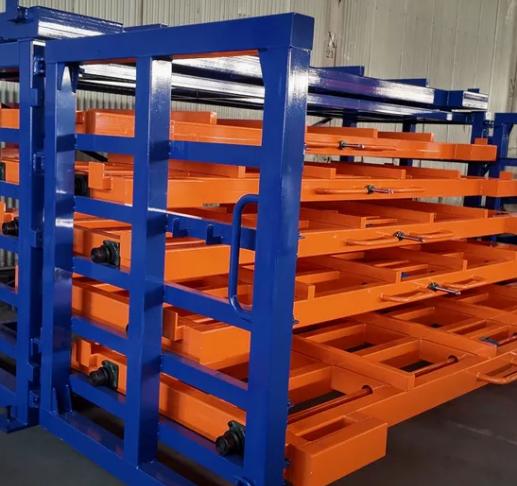
The Industrial Electric Plate Drawer Storage System is built around a modular architecture that allows configuration to match specific facility requirements. The structural frame utilizes Q235B high-strength steel with dual-beam crossbar design, providing the rigidity required for high-load applications. Each drawer operates as an independent storage module, allowing for selective access to any tier without disturbing others.
The drawer mechanism employs industrial-grade telescopic rails with sealed needle bearings on induction-hardened surfaces. This design delivers smooth, consistent operation even under maximum load conditions. The system is available in configurations supporting sheet dimensions from 2000×1500 mm up to 12000×2500 mm, accommodating the full range of plate sizes common in industrial fabrication.
Electric Drive and Control Systems
The electric drive system is the defining feature of the Industrial Electric Plate Drawer Storage System. Unlike manual or crank-operated alternatives, the motorized drive provides consistent, controlled drawer movement at the touch of a button. The drive mechanism typically employs a 0.75 kW stepper motor with Siemens G120 inverter, delivering drawer travel speeds from 2.28 to 5.27 m/min depending on the specific model.
Control options include wired pendants, wireless remote controls, and integration with facility-wide automation systems. The 24 V control circuit with Category-3 safety relays ensures operator protection while maintaining reliable operation. For facilities with higher automation requirements, the system can be configured with Siemens PLC control for programmed drawer positioning and integration with material handling equipment.
Storage Density and Space Utilization
The Industrial Electric Plate Drawer Storage System is designed to maximize storage density while maintaining full accessibility. By storing plates in a multi-tier drawer configuration, the system exploits vertical space that would otherwise be wasted. Storage density increases of up to 40% compared to traditional static racks are achievable.
The elimination of access aisles further enhances space utilization. Traditional storage systems require permanent aisles between rows for forklift access, consuming substantial floor area. The drawer-type configuration requires only the space immediately in front of the extended drawer, allowing more compact facility layouts.
Material Protection and Quality Control
The Industrial Electric Plate Drawer Storage System incorporates design features specifically intended to protect stored materials. The inclined plastic supports in each tray prevent sheets from slipping during extension and retraction while protecting surfaces from scratches. The smooth, controlled movement of the motorized drive eliminates the jerking and sudden stops that can cause material damage in manually operated systems.
Each drawer is proof-loaded to 1.5 times nominal capacity at the factory, ensuring structural integrity under real-world conditions. The system is manufactured under ISO 9001-certified quality management processes, with CE and UE certification providing additional assurance of safety and performance.
Integration with Production Workflows
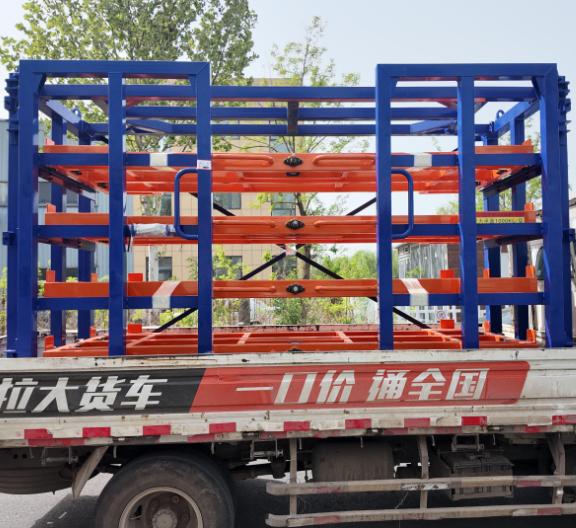
The Industrial Electric Plate Drawer Storage System is designed to function as an integral component of the production cell rather than a separate storage area. Compatibility with overhead cranes, forklifts, suction lifters, and magnetic handling systems allows seamless material transfer from storage to processing equipment.
The system supports multiple material handling methods, including shangliaoji (loading equipment), xidiaoji (suction lifting equipment), forklifts, and overhead cranes. This flexibility allows facilities to maintain their existing handling equipment while upgrading storage capabilities.
Customization and Configuration Flexibility
The Industrial Electric Plate Drawer Storage System offers extensive customization options to match specific operational requirements. Sheet dimensions can be specified to accommodate the exact plate sizes handled in your facility. Load capacity per layer is configurable from 1 ton to 20 tons. The number of layers can range from 5+1 to 10+1, with single-layer clear heights adjustable between 220 mm and 300 mm.
Extension methods include electric motorization, manual pulling, and automatic extension for fully automated operations. Even the finish color can be customized to match facility branding or existing equipment.
Economic Considerations
The Industrial Electric Plate Drawer Storage System delivers measurable economic benefits through multiple channels. Floor space recovery of 30-40% allows facilities to defer or eliminate costly expansions. Retrieval time reductions of 70% or more translate directly to labor savings and increased production capacity. Material damage rates decline substantially, reducing scrap and rework costs.
The system is engineered for a 25-year service life under daily shift operations, distributing the capital investment across decades of productivity improvement. With fully customized units starting at approximately $3,660 to $4,890, the payback period typically ranges from 11 to 14 months.
Conclusion
The Industrial Electric Plate Drawer Storage System from Herochu represents the integration of structural engineering, electrical automation, and operational intelligence. It transforms plate storage from a passive inventory function into an active contributor to production efficiency. For manufacturing facilities seeking to optimize material flow, improve safety, and maximize space utilization, this system delivers comprehensive, measurable results.