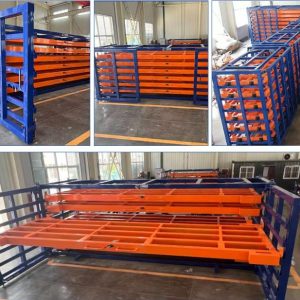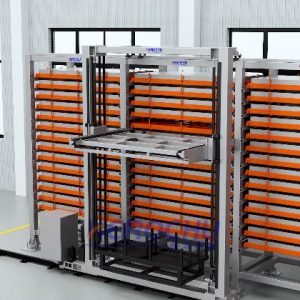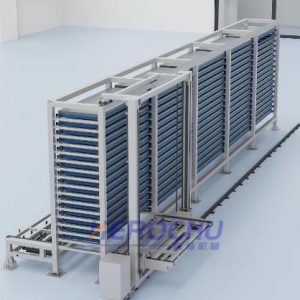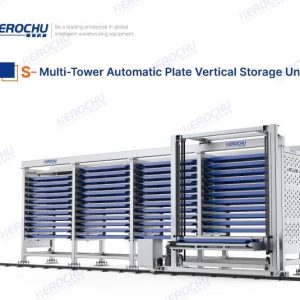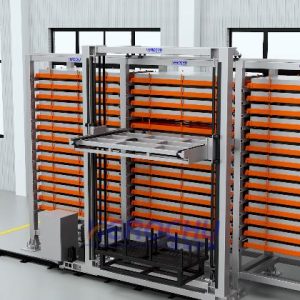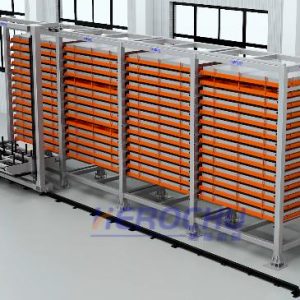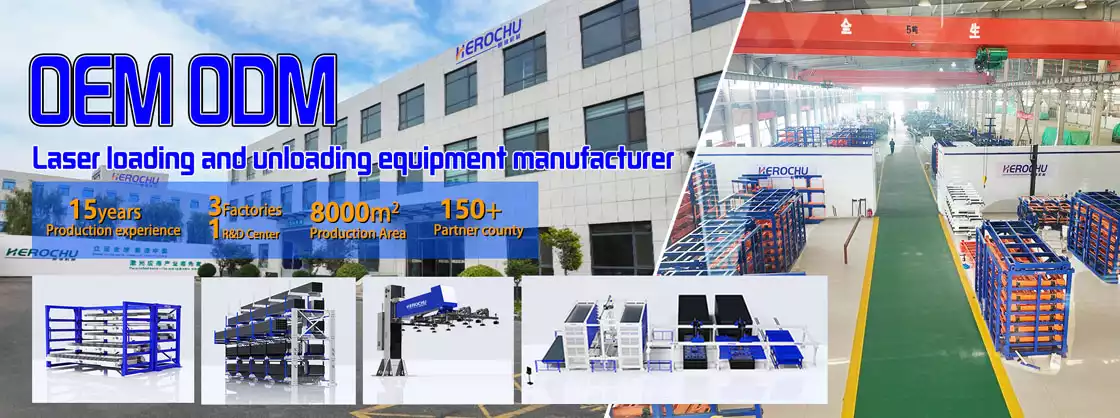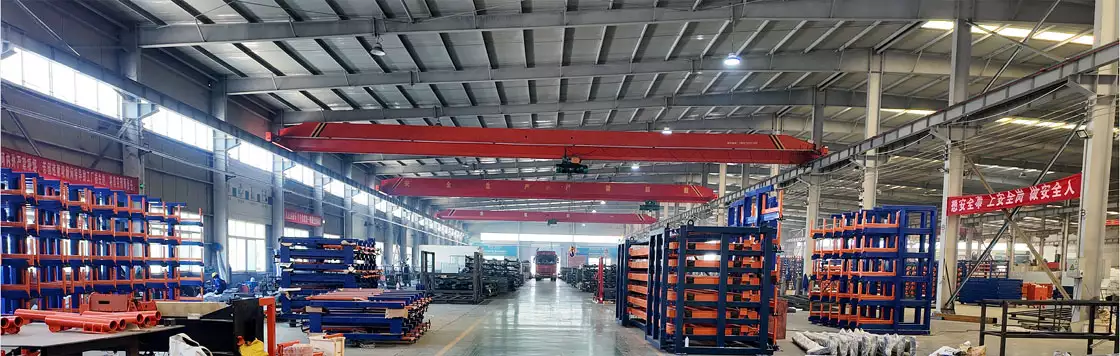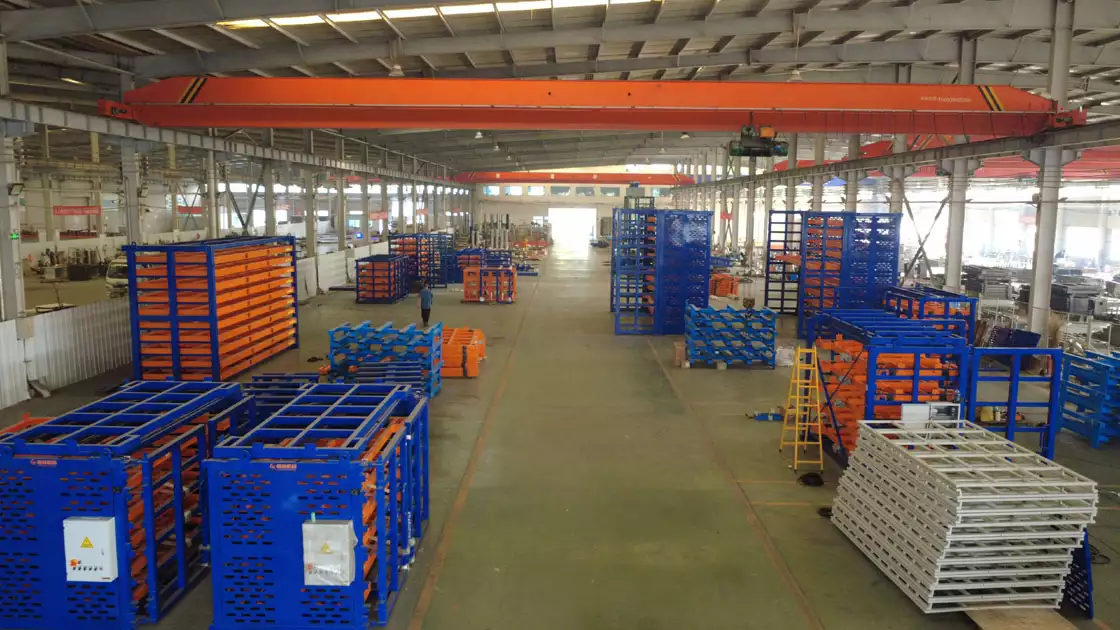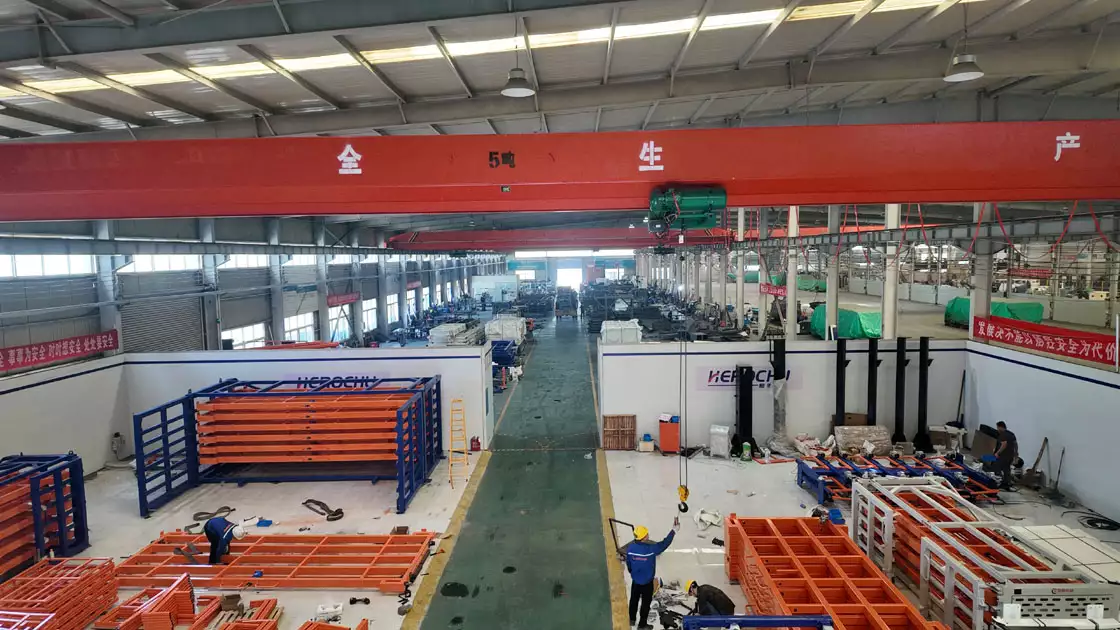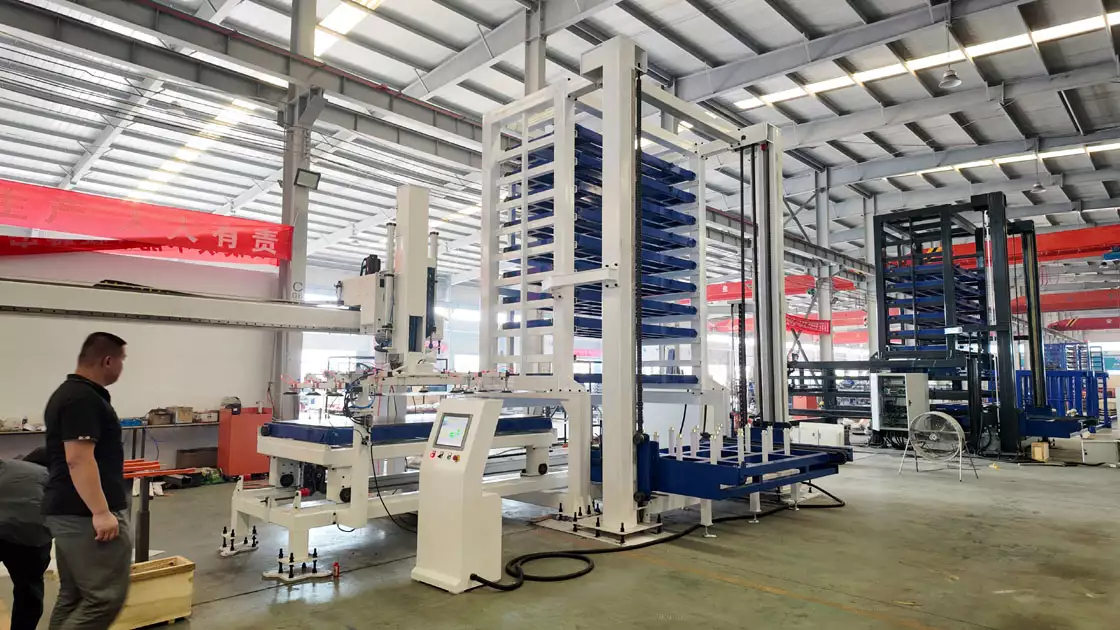
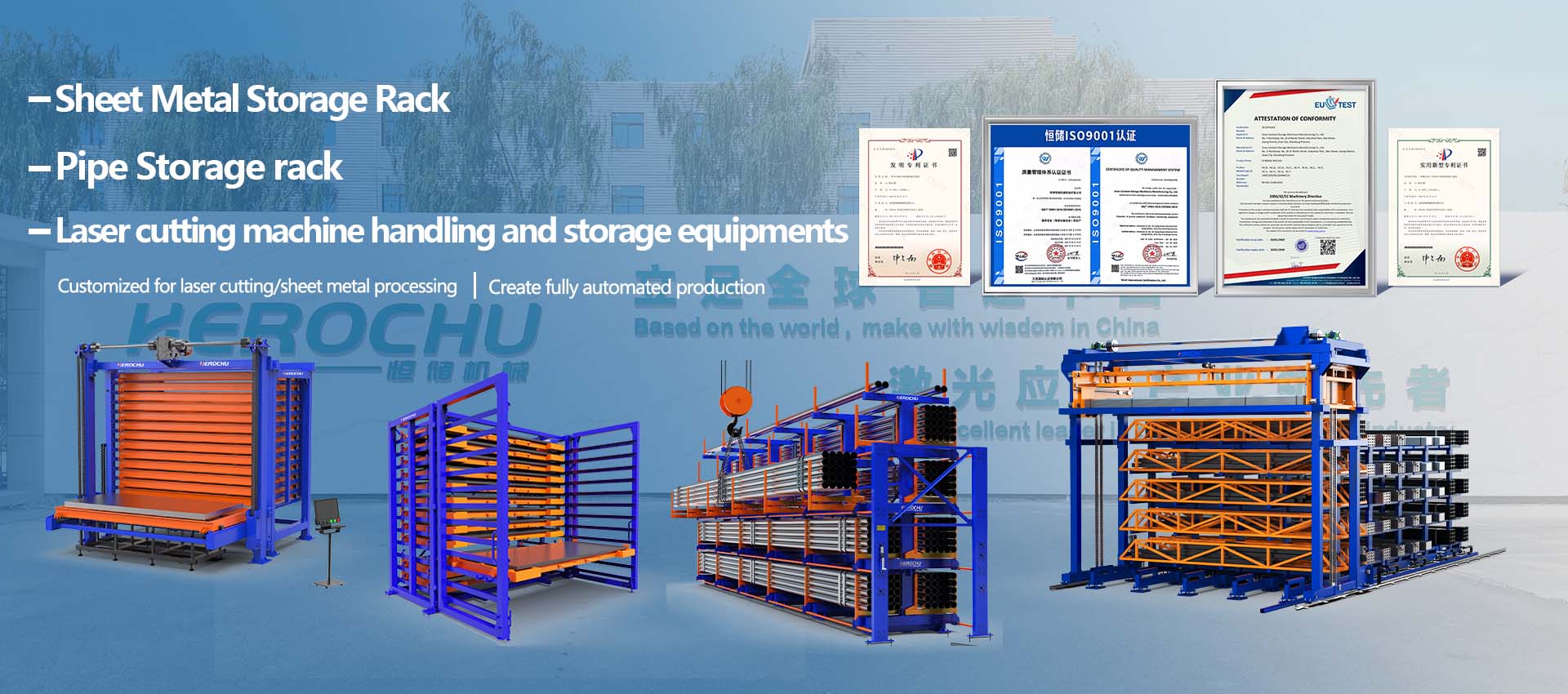
Steel plates are heavy, wide, and awkward to maneuver. Traditional cantilever racks or upright pallet racks require operators to slide plates out from the edge, often damaging edges or straining backs. A better solution exists: roll out racking for storing steel plates. This system uses glide-out shelves that extend fully beyond the rack footprint, allowing cranes, forklifts, or vacuum lifters to access plates from above without reaching into a deep bay. Herochu has engineered a line of roll-out racks that combine high load capacities with smooth, lockable drawer actions – transforming how fabrication shops handle plate inventory.
The Fundamental Difference: Roll-Out vs. Fixed Shelves
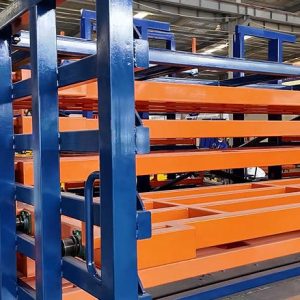
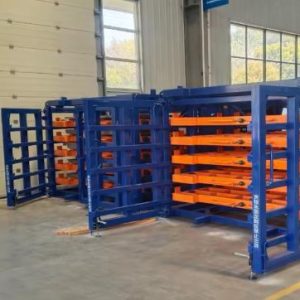
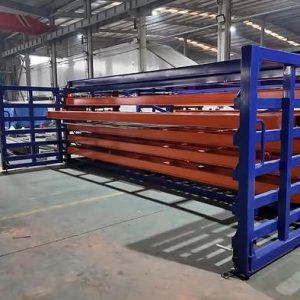
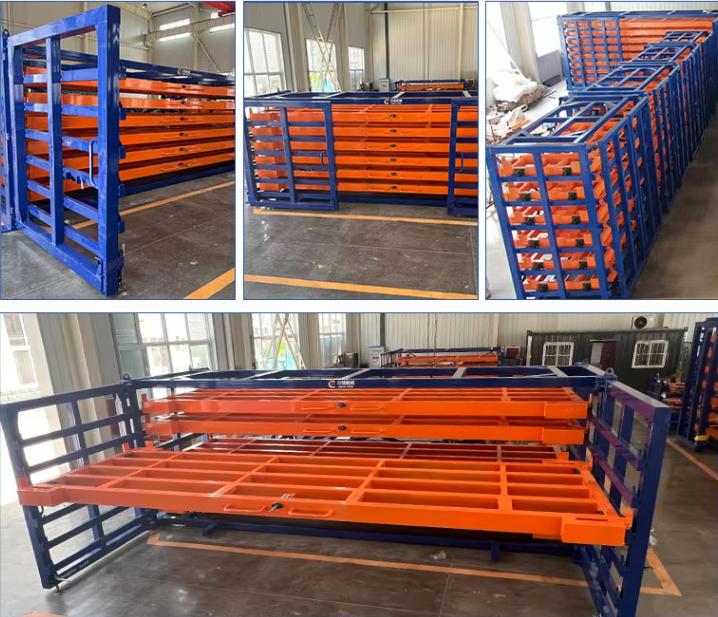
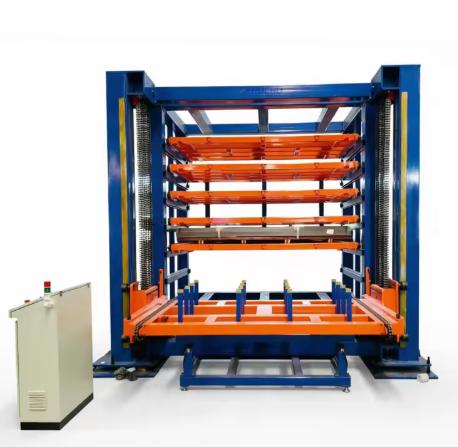
Fixed shelves force you to pull a steel plate forward until its center of gravity clears the shelf edge. For a 6,000 mm long plate weighing 1,500 kg, this is dangerous and impractical. Roll out racking for storing steel plates eliminates that problem. Each tray (or drawer) rolls out on heavy-duty rollers, bringing the entire stack of plates into an accessible position. The plates remain fully supported, so there is no risk of tipping. Herochu designs these roll-out units with T-handles for ergonomic pulling, and automatic locking mechanisms that engage when the tray is fully open or fully closed. No accidental roll-back, no pinch points.
Load Ratings and Construction
Herochu’s roll-out racking systems are built for real industrial loads. Each roll-out tray is rated for 5,500 lbs (approximately 2,500 kg) – sufficient for a stack of 12 mm thick steel plates. The tray itself is constructed from formed steel channels with welded cross supports. Rollers are sealed ball-bearing units rated for continuous heavy cycling. The outer frame uses the same Q235B high-strength steel as Herochu’s fixed racks, with columns that can reach up to eight levels high. For storing steel plates up to 6,000 mm in length, Herochu offers custom tray dimensions. The standard clear space between levels is adjustable, but most customers choose 150 mm to 250 mm to accommodate plate bundles plus lifting slings.
How the Roll-Out Mechanism Works
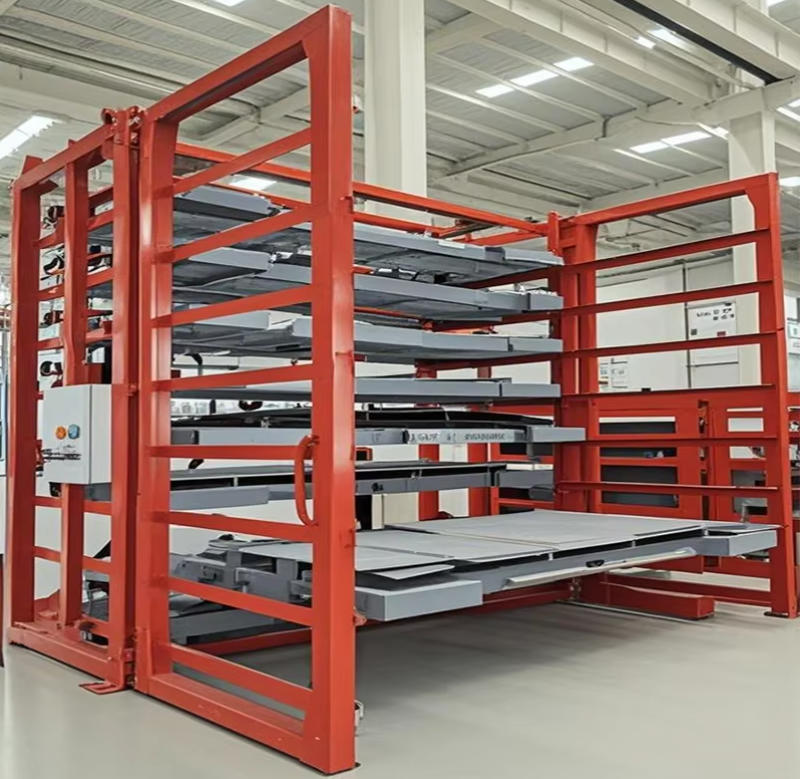
A roll out racking for storing steel plates from Herochu operates on a simple but robust principle. Each tray sits on four or six roller assemblies attached to the supporting beams. When an operator pulls the T-handle, the rollers travel along hardened steel tracks. The pulling force required is surprisingly low – even a fully loaded 2,500 kg tray can be extended by one person because the rollers reduce friction to less than 5% of the load weight. Once the tray reaches its full extension (typically 90% of the tray length), a spring-loaded pawl engages into a notch on the track. This automatic lock holds the tray open until the operator releases it by pulling the handle further and then pushing back. The same lock engages when the tray is fully closed, preventing unwanted roll-out during forklift operations nearby.
Compatibility with Lifting Equipment for Steel Plates
Steel plates stored in a roll-out rack are accessed from above – the ideal method. With the tray fully extended, an overhead crane with a magnetic lifter or vacuum lifter can descend directly onto the top plate. There is no obstruction from the rack frame because the tray positions the plates completely outside the column footprint. Forklifts can also be used: simply slide the forks under the stack on the tray, but note that the tray itself is designed to remain in place. Herochu recommends using a sheet lifter attachment for forklifts to avoid plate bending. For shops without overhead cranes, Herochu can equip the roll-out rack with a crank-out mechanism – a manual gear drive that extends the tray without pulling. This is especially useful for smaller shops where a single operator manages the entire material flow.
Safety Features That Protect Operators and Plates
Safety is the primary advantage of roll out racking for storing steel plates over floor stacking. Floor piles often have plates sticking out at odd angles, creating trip hazards. Buried plates require digging, which can cause plates to slide and crush hands. Herochu’s roll-out racks eliminate these risks. The automatic locking prevents unexpected movement. The T-handle is designed with a rubber grip and a hand guard that keeps fingers away from the tray edge. All edges of the tray are rounded and coated with the same powder finish as the frame. Optionally, Herochu can add anti-tip brackets that anchor the rack to the floor, although the wide base of the rack already provides stability even with one tray fully extended. For additional safety, pin tables can be installed on each tray. A pin table is a perforated plate with removable pins – you place the steel plate stack on the pins, then remove the pins one by one to separate individual plates. This is invaluable for shops that handle coated or polished plates where surface scratches are unacceptable.
Space Efficiency and Storage Density
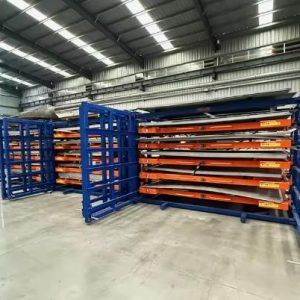
A typical floor stack of steel plates occupies a footprint slightly larger than the plate dimensions – say 4 m × 2 m for a stack of 4,000×2,000 mm plates. That stack can hold maybe 20 plates before the bottom plates risk deformation. A Herochu roll-out rack with four levels stores four separate stacks in exactly the same footprint. If you go to six levels, you store six stacks – that’s 300% more plates in the same square meters. But the real space saving comes from accessibility. With floor stacks, you need wide aisles to maneuver a forklift around each stack. With roll-out racking, you only need an aisle wide enough for the tray to extend – roughly the length of the plate itself. Herochu’s design requires a pull-out clearance equal to the tray length plus 500 mm for operator movement. That is much narrower than the turning radius of a forklift between floor stacks. In a 500-square-meter workshop, switching to roll-out racking for storing steel plates can free up 150 to 200 square meters for additional equipment.
Customization for Different Steel Plate Dimensions
Herochu does not believe in one-size-fits-all. The roll out racking for storing steel plates is fully customizable. You specify the plate length (up to 6,000 mm), width (up to 2,000 mm), and maximum bundle weight (up to 5,500 lbs per tray). Herochu then calculates the required roller spacing, track gauge, and column profile. The number of levels is determined by your ceiling height – Herochu has built eight-level roll-out racks in warehouses with 6-meter clear height. The clear space between levels can be set as low as 120 mm for thin plates or up to 400 mm for thick plates with lifting magnets attached. Optional dividers can be added on each tray to separate different alloys or heat numbers. For aluminum plates, which are lighter but softer, Herochu uses wider rollers to distribute pressure and prevent denting.
Operational Benefits: Less Labor, Faster Throughput
In a fabrication shop, time spent retrieving steel plates is non-productive. With floor storage, an operator might spend 15 minutes locating, moving, and lifting the correct plate. With Herochu’s roll-out racking for storing steel plates, the same task takes two minutes. Pull the correct tray, attach a vacuum lifter, lift the top plate, and carry it to the saw or laser table. No searching, no restacking, no edge damage. One customer reported reducing plate retrieval labor from 12 hours per week to 2.5 hours per week after installing Herochu roll-out racks. The automatic locking also means operators never have to hold the tray open while attaching lifting equipment – a significant ergonomic improvement.
Comparison with Vertical Upright Racks and Cantilever Systems
Vertical upright racks (like those used for lumber) can store steel plates on edge, but they require specialized clamps and are prone to plate warping over time. Cantilever systems offer good access but have a large footprint because arms extend outward. Roll out racking for storing steel plates combines the best of both: dense storage like cantilever and full accessibility like floor stacks. Additionally, roll-out racks protect plate surfaces because the plates never slide against each other during retrieval. Herochu’s powder-coated trays have a smooth, non-abrasive surface. For shops that store stainless steel or pre-painted aluminum, this surface protection is critical.
Technical Parameters for Herochu Roll-Out Racking
- Model base: Custom per order (no standard HC model numbers for roll-out – all built to spec)
- Maximum tray load: 2,500 kg (5,500 lbs)
- Maximum plate length: 6,000 mm
- Maximum plate width: 2,000 mm
- Roller type: Sealed ball bearing, hardened steel track
- Locking mechanism: Automatic spring-loaded pawl at open and closed positions
- Handle: T-handle with hand guard and rubber grip
- Frame material: Q235B high-strength steel, powder coated (8 standard colors)
- Optional accessories: Pin tables, dividers, crank-out mechanism, anti-tip anchors
- Number of levels: Up to 8 (depending on height)
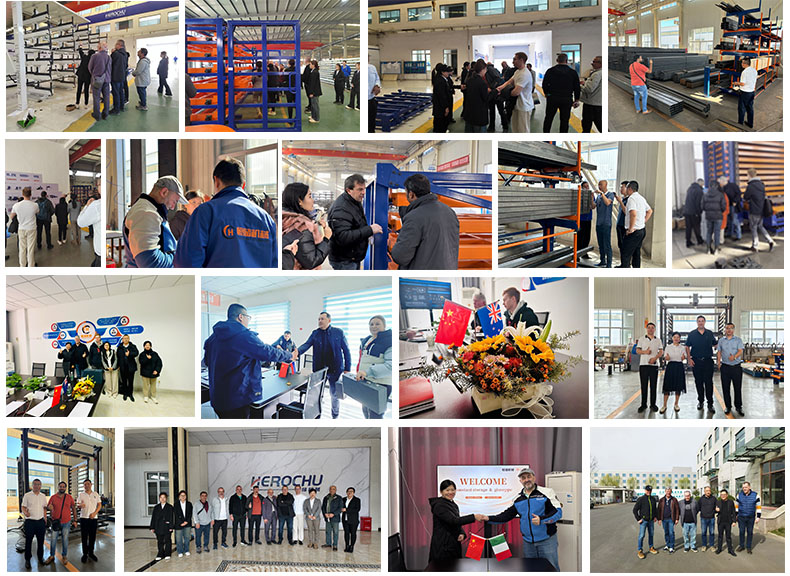
Herochu provides full assembly drawings, anchor bolts, and a one-year warranty on moving parts. For shops that want to modernize steel plate storage while improving safety and productivity, roll out racking for storing steel plates from Herochu is a proven solution. Contact Herochu for a free load calculation and layout proposal based on your plate inventory and ceiling height.