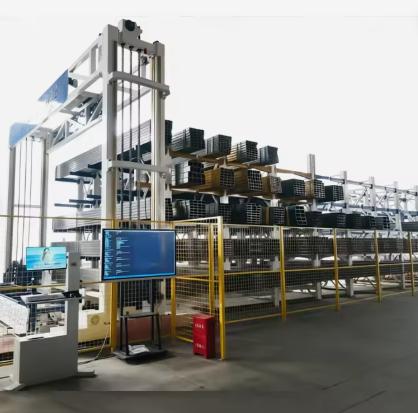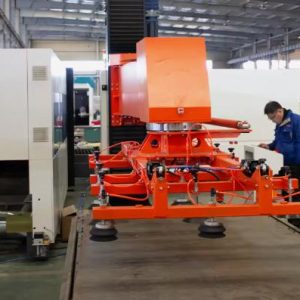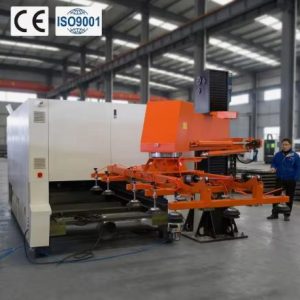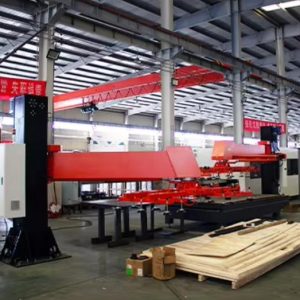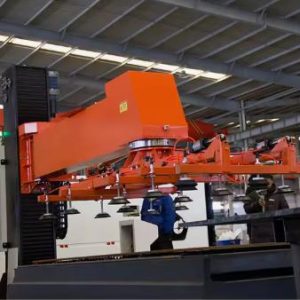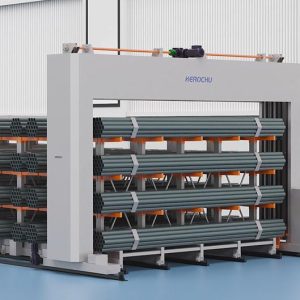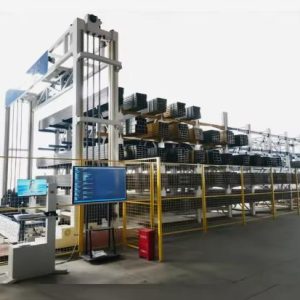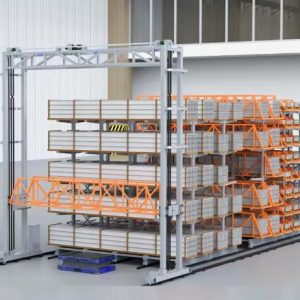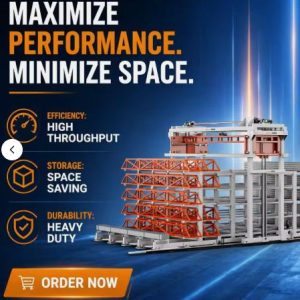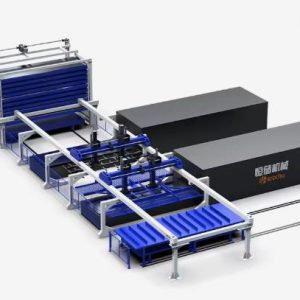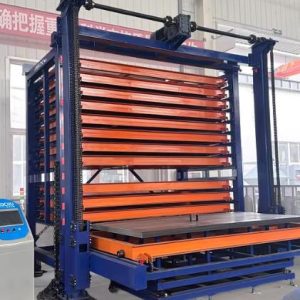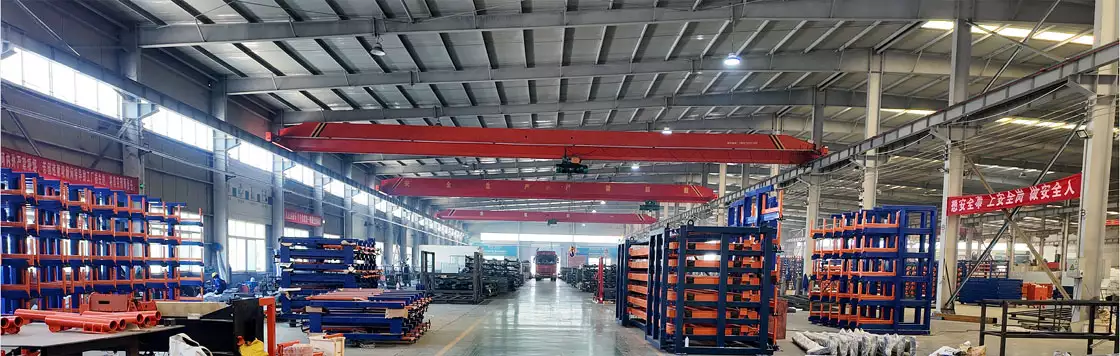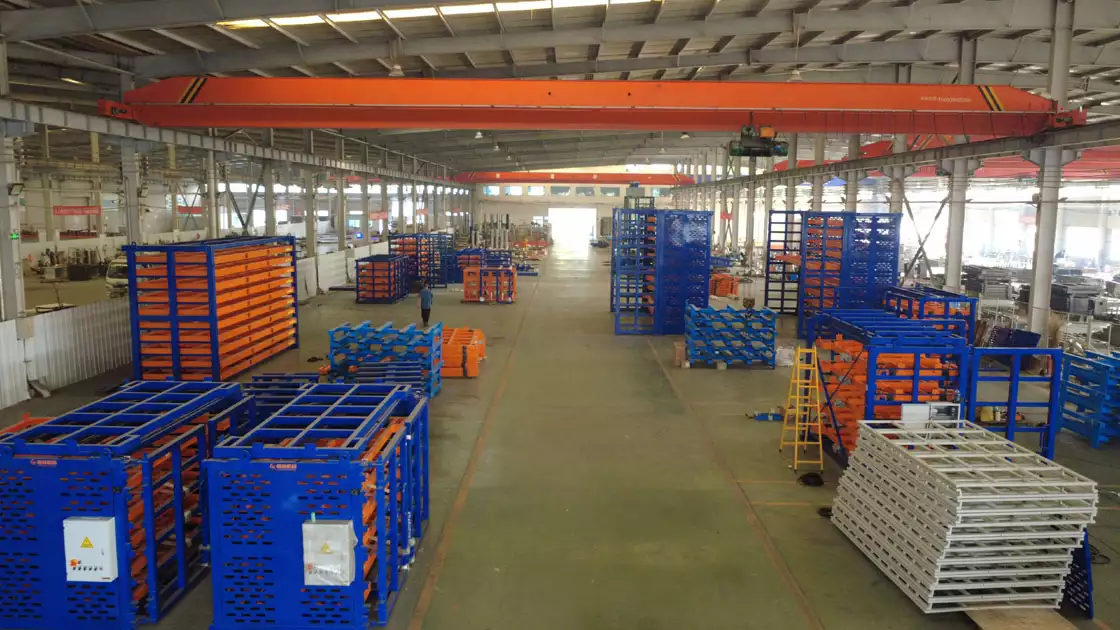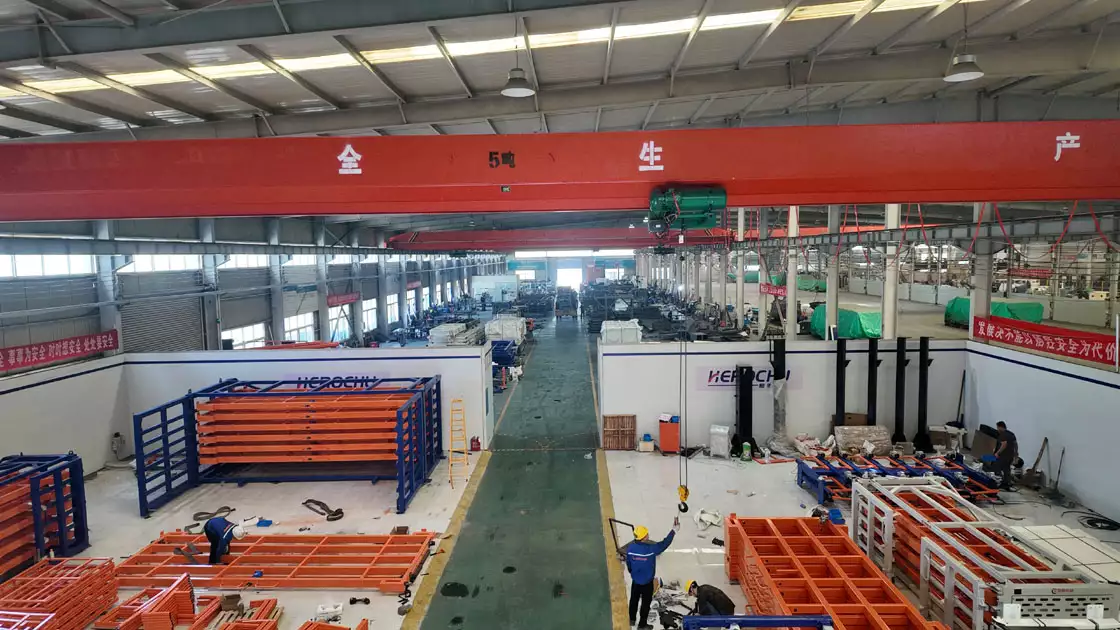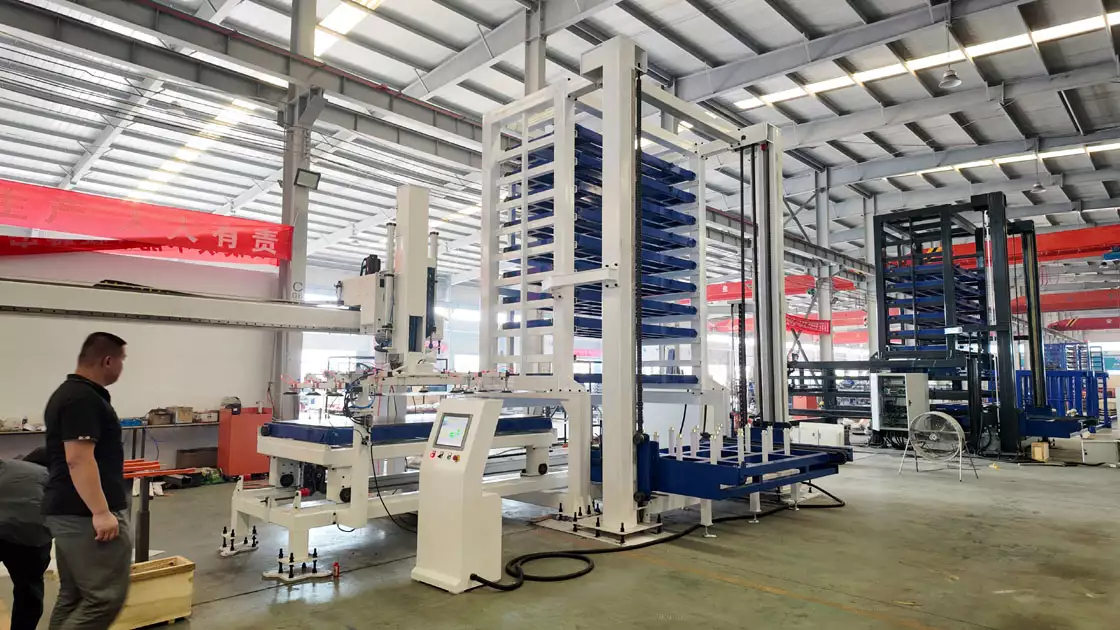
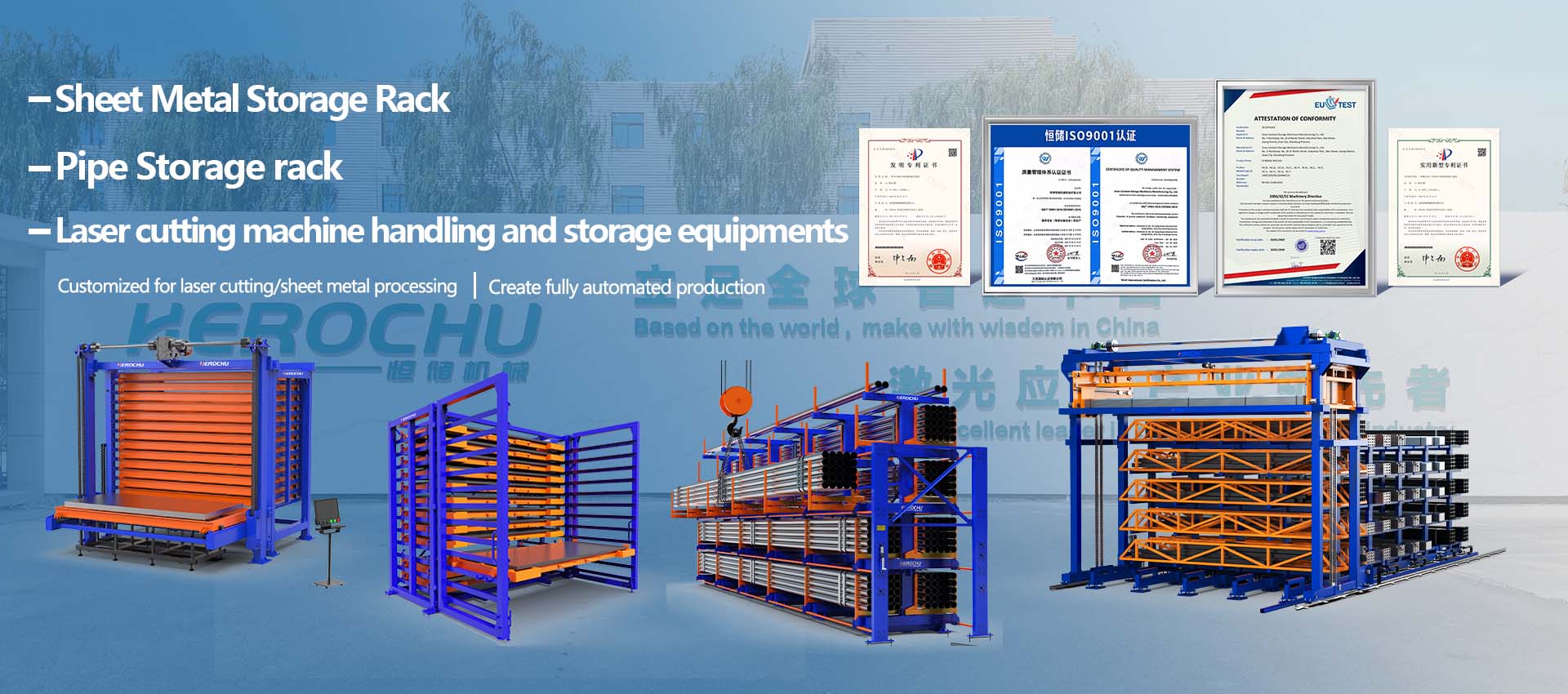
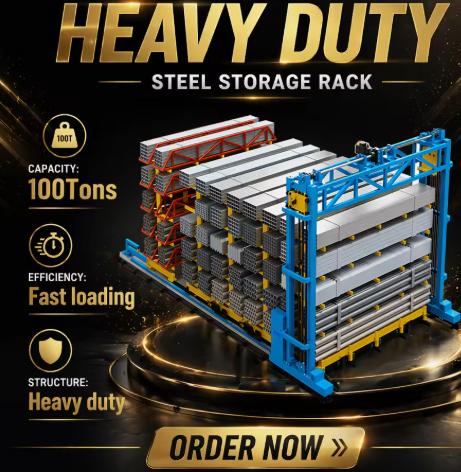
Fabrication shops that process structural steel, mechanical tube, and long profiles operate on thin margins where material handling inefficiency directly erodes profitability. Every minute a bundle of pipe sits unlocated in a disordered yard, every forklift trip across the facility to retrieve a single length, and every mis-pick that sends the wrong heat number to production adds cost that no amount of machine speed can recover. Herochu engineered the heavy-duty automated profile and pipe rack storage and retrieval system to eliminate these costs at their source — replacing manual yard logistics with a gantry-driven vertical ASRS that retrieves any stored bundle in under two minutes.
Where the Money Leaks
Conventional pipe yard operations carry hidden costs that do not appear on a single line item but compound across every shift. Consider a fabricator processing 200 tons of structural tube monthly. If each retrieval cycle — locating, rigging, and transporting a bundle — consumes 15 minutes of crane operator time, the monthly labor cost dedicated purely to material hunting runs into hundreds of hours. At loaded labor rates for skilled crane operators, that figure reaches meaningful dollars before accounting for the production downtime those 15-minute waits impose on downstream machines.
Physical inventory errors add another layer. A bundle logged as “2-inch Schedule 80 A53 Grade B, Heat 4721” may in reality be a different heat number because someone stacked it in the wrong bay six months ago. The fabricator discovers the error when the end customer’s material test report does not match the certification. Rework, replacement material, and schedule disruption follow.
Floor space inefficiency compounds both problems. Horizontal pipe storage consumes roughly ten times the square footage of the equivalent vertical arrangement. Facilities running out of room lease offsite storage or stack material in aisles and walkways — both expensive and unsafe.
The Herochu heavy-duty automated profile and pipe rack storage and retrieval system addresses all three cost drivers simultaneously through vertical rack density, gantry automation, and digital inventory tracking.
Retrieval Speed and its Production Impact
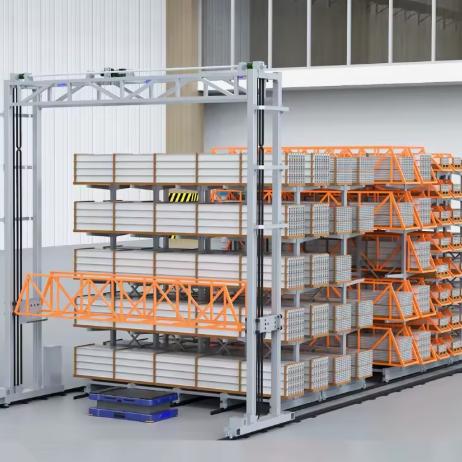
Cycle time for a standard retrieval — operator selects material at HMI, gantry travels to rack position, extracts bundle, delivers to pickup station — runs between 60 and 90 seconds for lower and mid-level shelves, extending to roughly 120 seconds for the uppermost levels. The gantry travels horizontally at 5 to 30 meters per minute and lifts at 5 to 15 meters per minute, with positioning repeatability held to ±2 mm through absolute encoder feedback.
This retrieval speed transforms production scheduling. Instead of pulling material hours ahead of need and staging it at machines — consuming floor space around every work cell — the operator retrieves material when the preceding job enters its final minutes. The bundle arrives as the machine becomes available. No staging, no double-handling, no material sitting in aisles.
For facilities running multiple shifts or pursuing lights-out manufacturing, the Herochu ASRS enables unattended material feeding. The production schedule queues retrievals in sequence. The gantry delivers each bundle to the pickup station where an automated transfer cart or conveyor moves it to the cutting cell. The cell processes the material, signals completion, and the next retrieval cycle begins without operator presence.
Inventory Accuracy Through Digital Tracking
The PLC-based inventory management module tracks every bundle from inbound receipt through partial consumption to complete depletion. When receiving material, the operator logs: material specification, heat or lot number, supplier, received dimensions, and quantity. The system assigns a storage location and records the digital address.
When retrieving for production, the operator selects material by any tracked parameter — grade, dimension, heat number, or remaining length. The system suggests the oldest matching inventory first (FIFO logic) unless the operator overrides to consume a remnant or prioritize a specific heat number for traceability requirements. After the production run, the operator logs the consumed quantity. The system deducts it from inventory and updates the remaining stock. For partial bundles returned to storage, the system records the new remaining quantity and the storage location.
This digital tracking eliminates physical inventory counts. The dashboard shows real-time stock levels by grade, dimension, and location. Procurement receives automatic low-stock alerts based on configurable reorder points. At month-end, the finance team pulls an inventory valuation report from the system rather than dispatching a counting crew to the yard.
Labor Safety and Regulatory Compliance
Material handling injuries rank among the most common and most severe in metal fabrication. OSHA data consistently places struck-by and caught-between incidents — both prevalent in pipe yard operations — among the “fatal four” construction and manufacturing hazards. Manual pipe handling exposes workers to crush injuries from shifting bundles, back strain from positioning rigging, and collision risk from forklifts operating in congested storage areas.
The Herochu heavy-duty automated profile and pipe rack storage and retrieval system isolates personnel from these hazards. Workers interact with the system at the control HMI station and the retrieval pickup point — both positioned outside the rack footprint and protected by light curtains that halt gantry motion if breached. No worker enters the storage aisle during normal operation. The gantry handles all material movement within the rack, and the pickup station presents bundles at a consistent height and orientation for forklift or crane pickup — eliminating the awkward lifts, off-center loads, and visibility obstructions common in manual yards.
For facilities subject to ISO 45001 or local occupational health and safety regulations, the documented reduction in manual material handling exposure supports compliance reporting and can influence workers’ compensation insurance premiums.
Space Recovery Economics
A typical Herochu ASRS installation for pipe and profile storage recovers 60 to 70 percent of the floor area previously dedicated to horizontal material storage. For a fabricator currently using 5,000 square feet for pipe racks and laydown yards, the ASRS reduces that footprint to approximately 1,500 square feet — freeing 3,500 square feet for revenue-generating use.
The value of recovered space depends on how the facility deploys it. Common options include: installing an additional laser cutting cell or CNC machining center, expanding assembly or welding operations, improving traffic aisles for safer forklift movement, or avoiding a planned building expansion. In many cases, the avoided cost of new construction alone justifies the ASRS investment.
Total Cost of Ownership
The system’s mechanical simplicity — a steel rack structure, a gantry crane on fixed rails, and industrial PLC controls — translates to predictable maintenance. The primary wear items are the gantry drive components (motors, gearboxes, bearings), the rail surfaces, and the lifting carriage mechanisms. All are standard industrial parts with established replacement intervals. Herochu provides a recommended preventive maintenance schedule covering daily visual inspections, weekly rail and encoder checks, monthly drive system lubrication, and annual full-system calibration.
Compared to the ongoing costs of a manual pipe yard — forklift maintenance and fuel, crane inspection and certification, injury claims, material damage from handling, and the labor hours consumed by searching and transporting — the ASRS typically achieves full investment recovery within 18 to 24 months. Facilities processing higher volumes or operating multiple shifts reach payback sooner.
For fabricators and service centers whose competitive position depends on turning raw material into finished product faster and at lower cost than their competitors, the Herochu heavy-duty automated profile and pipe rack storage and retrieval system converts a traditional cost center — material handling — into a controlled, measurable, and optimized process.