Meta Description: Compare vertical sheet metal storage racks vs. cantilever designs. Learn how raw materials storage racks with roll-out drawers maximize density and accessibility.
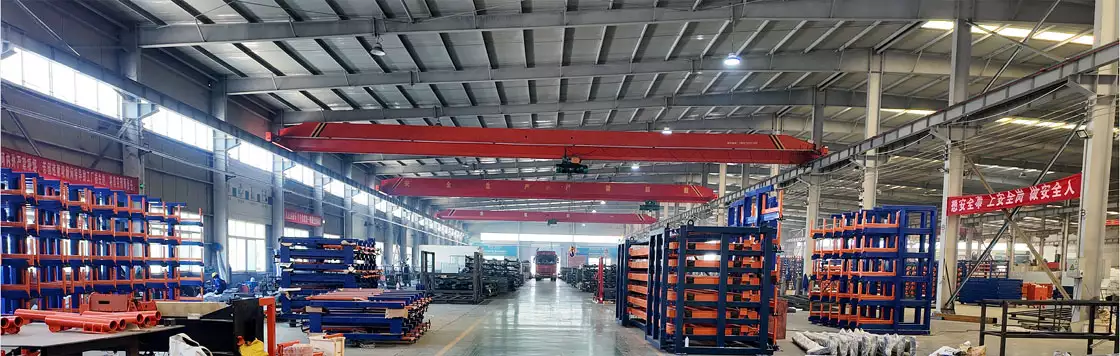
When planning a new warehouse or reorganizing a fabrication shop, the first instinct is often to look up. Vertical space is free real estate. However, the method by which you utilize that height makes all the difference in throughput. For decades, the go-to solution for sheet metal was the cantilever rack. But as operations demand leaner processes and faster retrieval times, the Vertical Sheet Metal Storage Rack has emerged as the superior alternative for organizing both raw stock and work-in-progress.
The Cantilever Compromise
Cantilever racks are ubiquitous, and for good reason: they handle long, heavy loads well. However, when it comes to sheet metal, they have inherent flaws. To access a sheet in the middle of a stack on a cantilever arm, you often have to disturb the sheets above it. This leads to “combing” through the stack, which causes edge damage and wasted time. Furthermore, cantilever systems require wide aisles for forklifts to maneuver, which eats up expensive square footage.
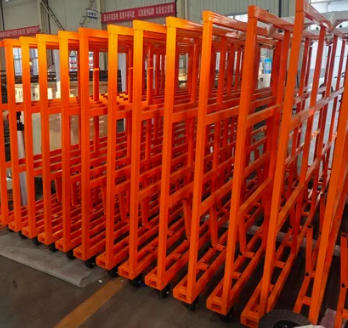
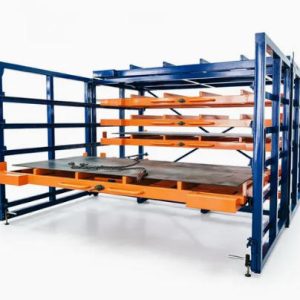
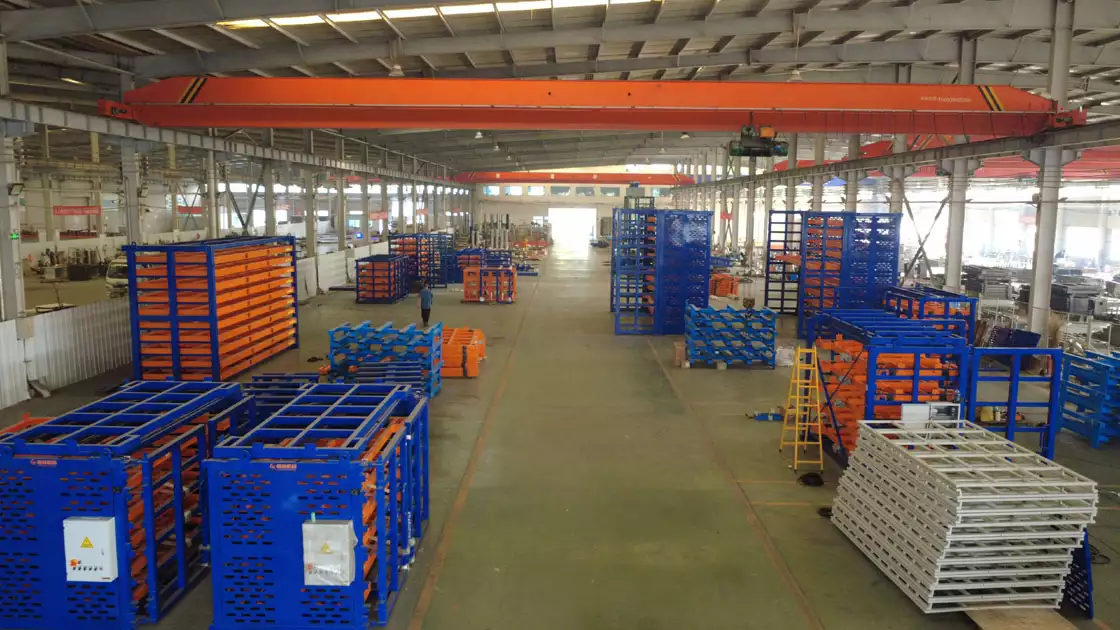
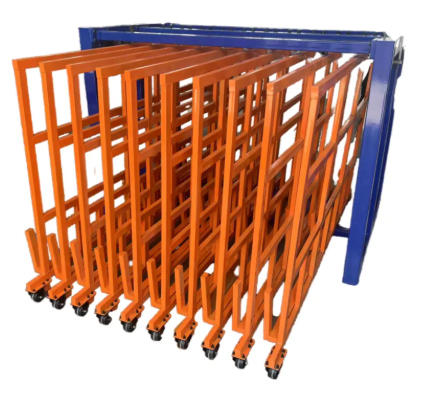
Enter the Vertical Sheet Metal Storage Rack. By reorienting the storage plane from horizontal to vertical, these systems offer a fundamental shift in accessibility. Sheets are stored on their edges, side-by-side, rather than stacked flat. This means that every single sheet is a “top” sheet.
The Roll-Out Advantage
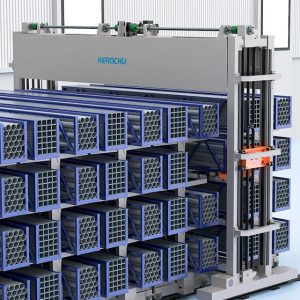
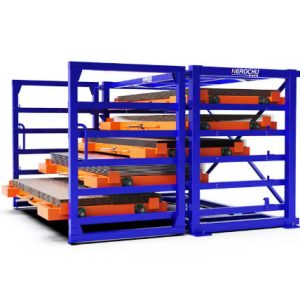
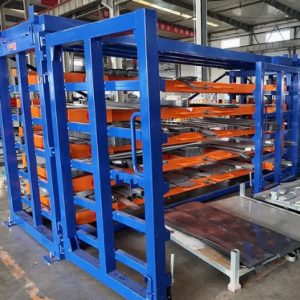
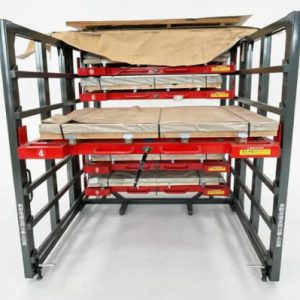
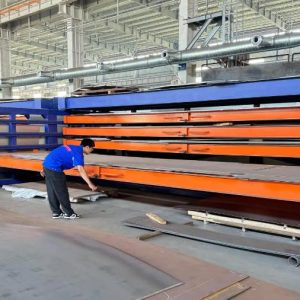
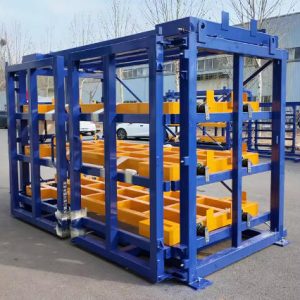
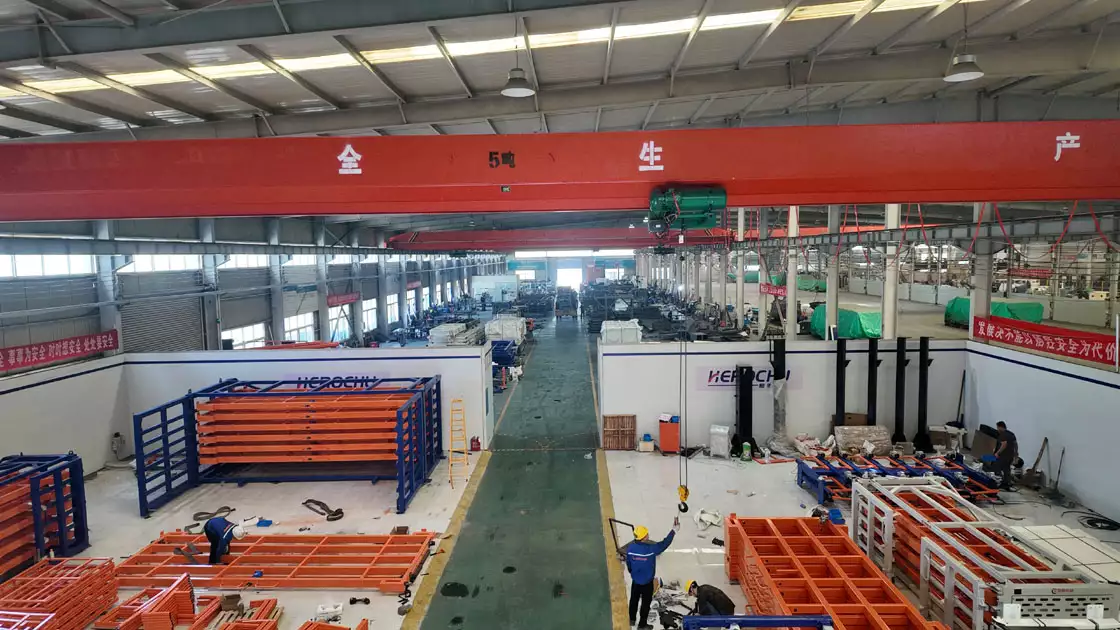
The defining feature of a modern Raw Materials Storage Rack for sheet metal is the roll-out drawer mechanism. Each drawer is a dedicated tray that holds a specific type or size of material. When an operator needs a sheet of 16-gauge cold rolled, they simply locate the labeled drawer, extend it, and lift the sheet directly out.
This design has profound implications for workflow. In a cantilever system, picking an item might involve strapping a bundle, lifting it with a crane, removing the needed sheet, and putting the rest back. In a vertical roll-out system, it’s as simple as opening a filing cabinet. For facilities that handle a high variety of materials in low to medium volumes—such as job shops or prototype centers—this speed of access is transformative.
Optimizing for Every Material
A common misconception is that vertical racks are only for small pieces. While they excel at organizing remnants, a heavy-duty Vertical Sheet Metal Storage Rack is perfectly capable of handling full-size parent sheets. Standard models accommodate sizes like 5×10 or 6×12, with thickness capacities up to several inches per drawer.
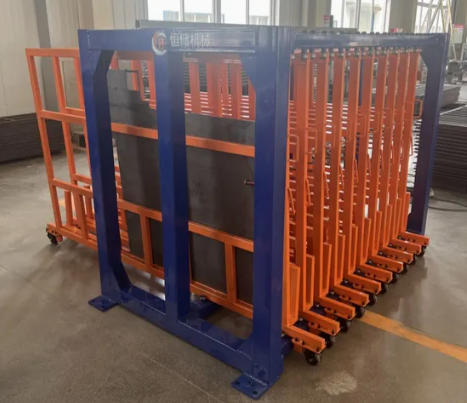
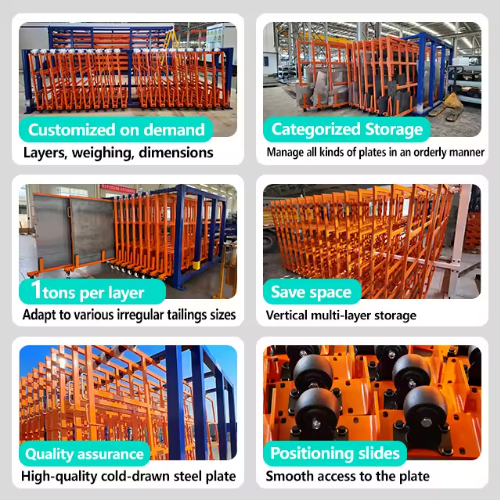
For warehouses dealing with a mix of inventory, the flexibility is unmatched. The bottom layers can be configured for the heaviest 1-inch thick plates, utilizing the full 3-ton capacity, while the upper drawers store lighter, thinner materials. This zoning capability ensures that the rack serves as a comprehensive Sheet Metal Material Storage Rack for the entire facility.
Reclaiming the Aisle
The footprint argument is where the vertical rack wins decisively. Because the sheets are vertical, the rack’s depth is determined by the sheet’s width, not its length. More importantly, since the drawers roll out, you don’t need a massive aisle for a forklift to turn. You only need enough space for the drawer to extend and for an operator or an overhead crane to access the material. This can reduce the required aisle width by 50% or more compared to standard pallet racking or cantilever systems used for plate storage.
Automated Retrieval Compatibility
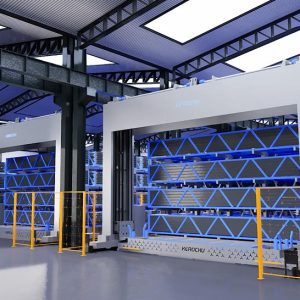
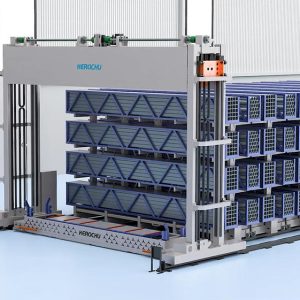
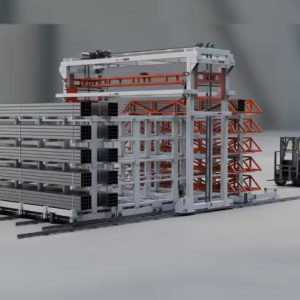
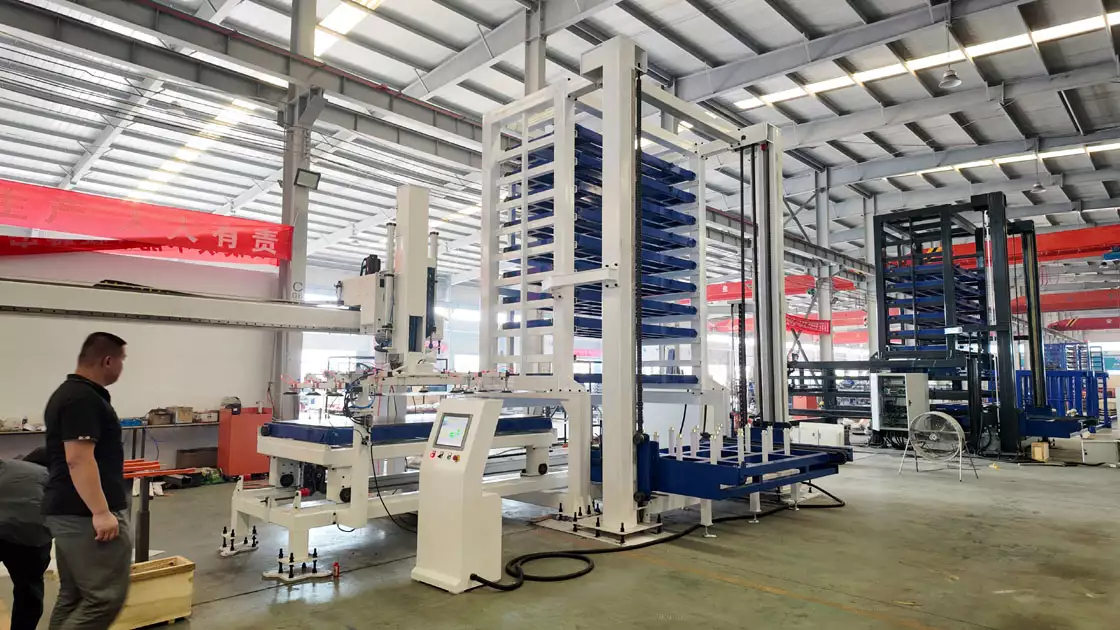
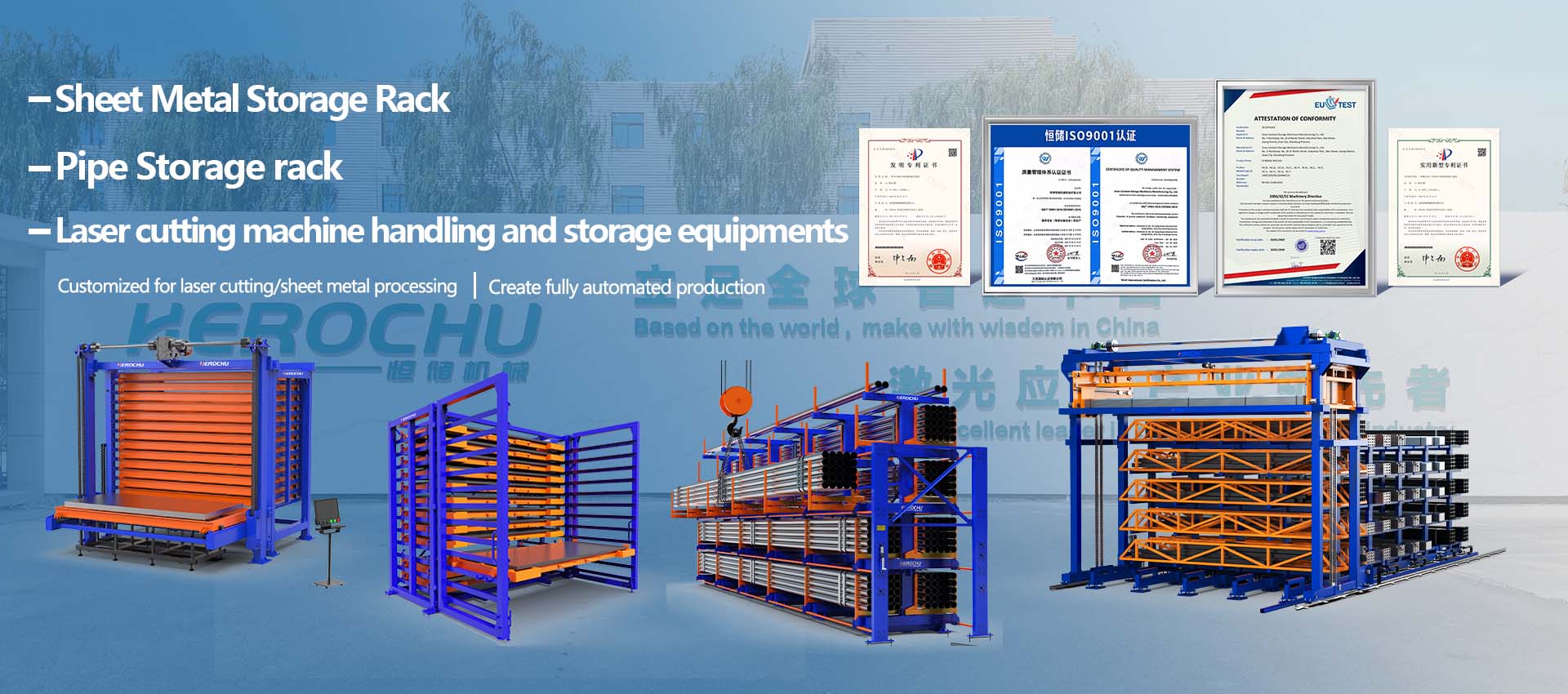
As shops move toward Industry 4.0, the vertical rack serves as a perfect bridge to automation. Because the stock is organized in discrete, predictable positions, integrating an automated retrieval system is more straightforward. Some advanced systems combine the vertical rack concept with servo motors, creating an Automated Retrieval unit where the operator punches in a size, and the correct drawer presents itself at the push of a button. This eliminates walk time and search time entirely.
Conclusion
While cantilever racks still have a place for storing structured shapes or tubes, the Drive-In Pallet Rack concept adapted for sheet metal is obsolete. The modern approach is the vertical sheet rack. It offers superior protection for the material, faster pick rates, and a significantly smaller floor plan. For any operation where time is money and space is at a premium, migrating to a vertical system is a logical step toward a more organized and profitable warehouse.