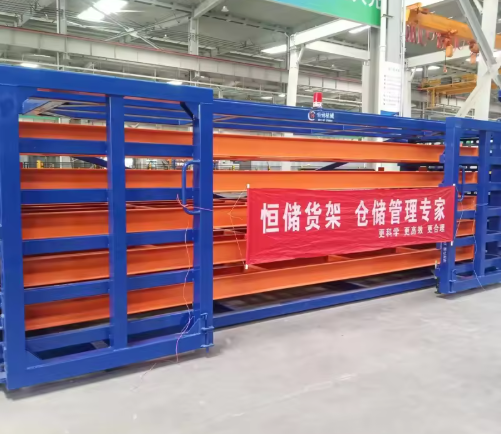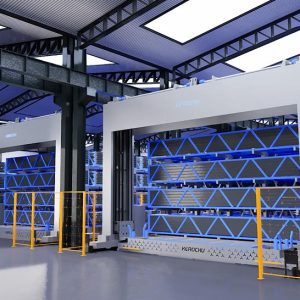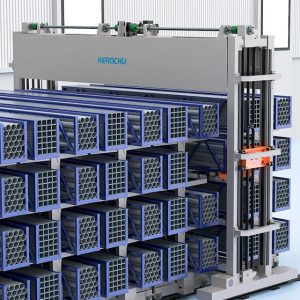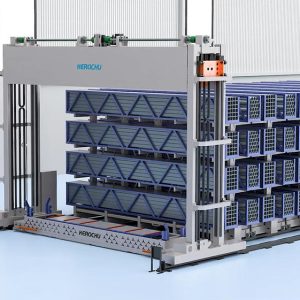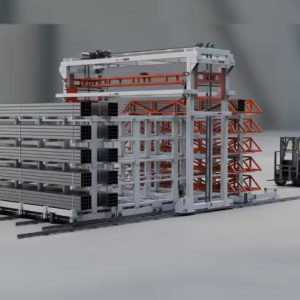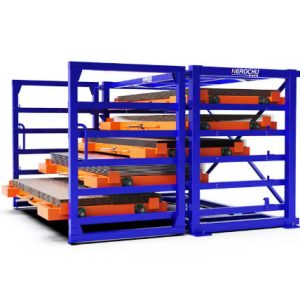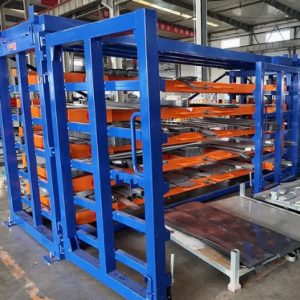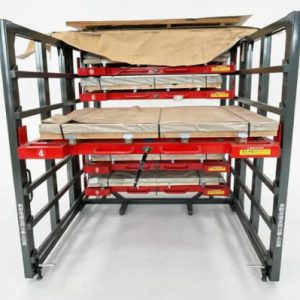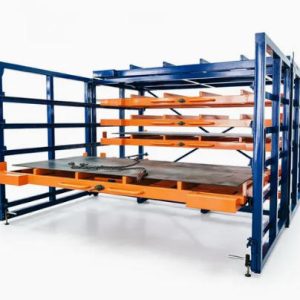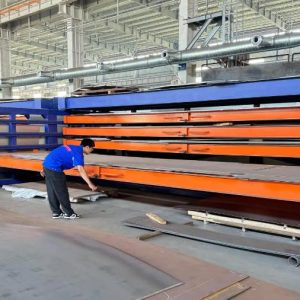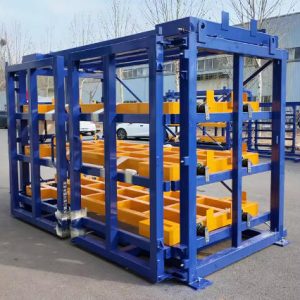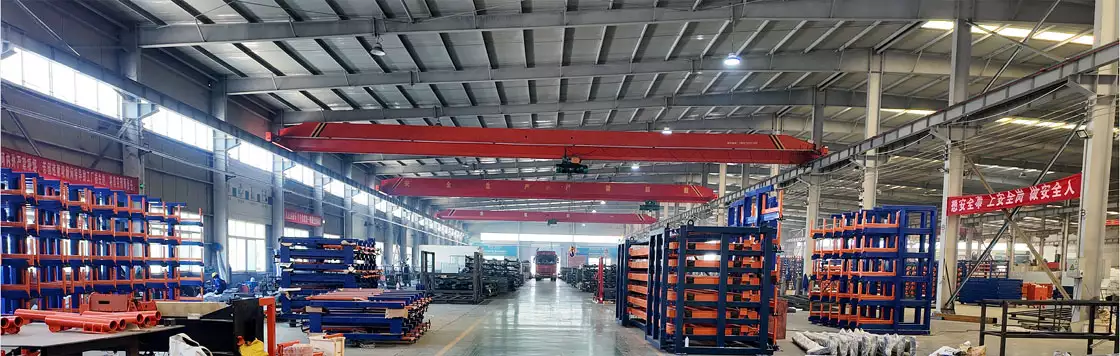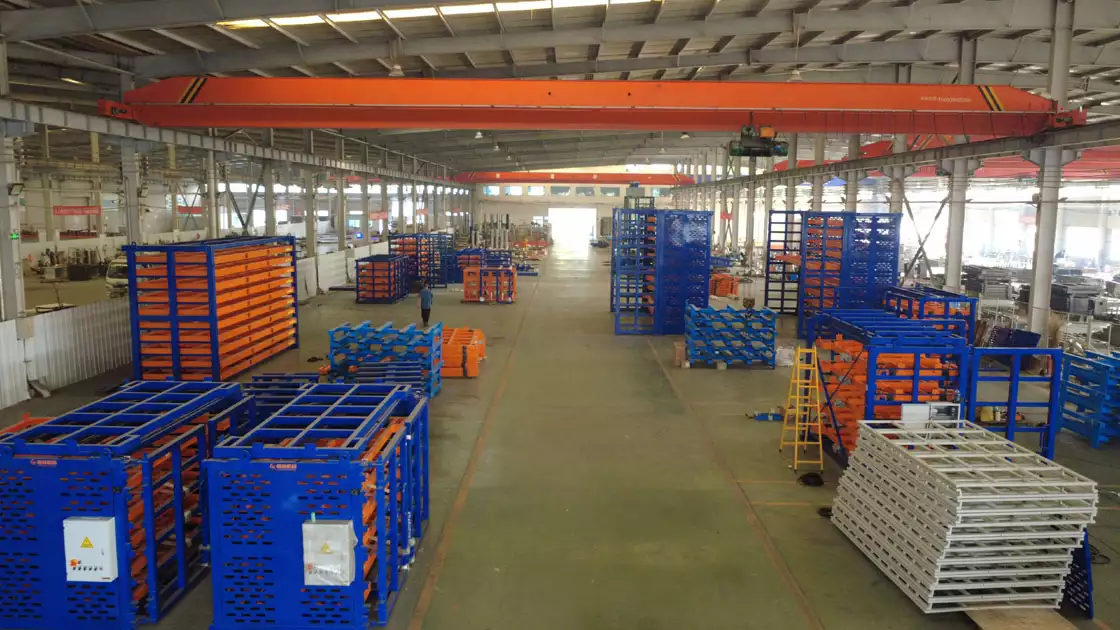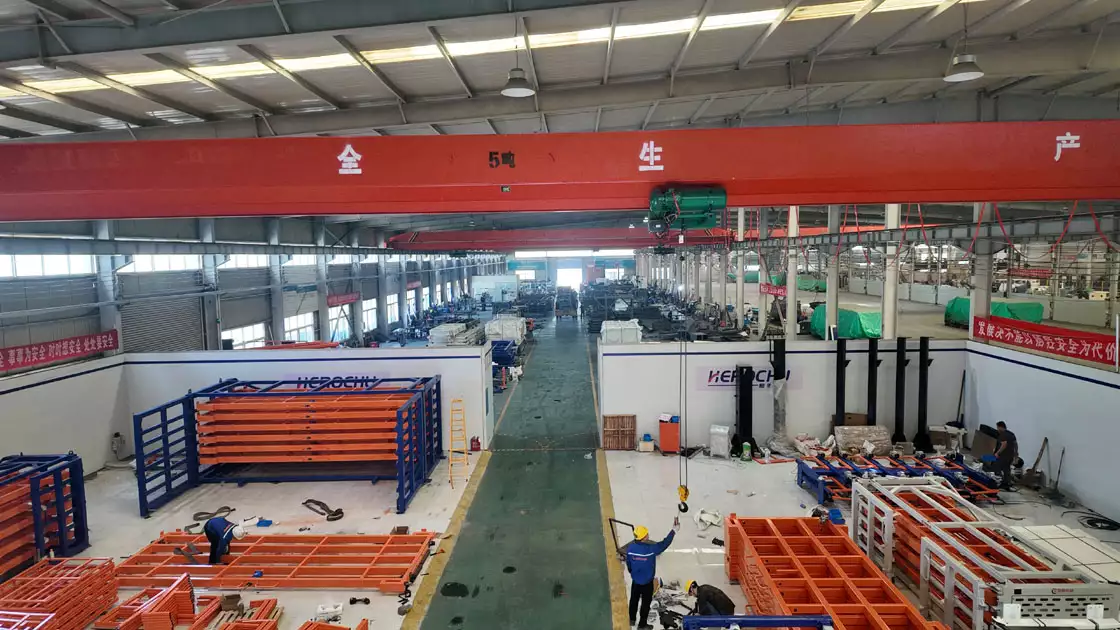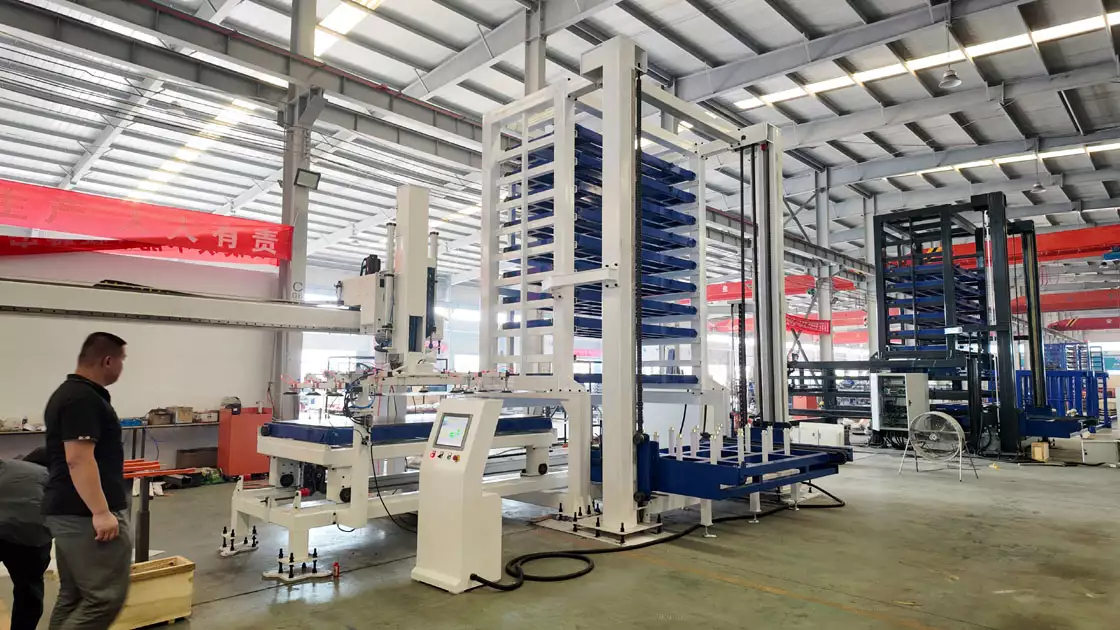
When you walk through a manufacturing plant or a large-scale warehouse, the storage systems you see are the backbone of the operation. While light-duty shelving has its place for small parts and boxes, the real workhorses of the industrial world are robust storage solutions. Specifically, a Heavy Duty Metal Shelving Rack is the only viable answer for organizing heavy spares, tooling, work-in-progress, and raw materials without compromising safety or floor space.
The Anatomy of Industrial Strength
What differentiates a “heavy-duty” rack from a residential or light commercial unit? It is the marriage of material science and structural engineering. These racks are designed to withstand the harsh realities of an industrial environment: vibration from nearby machinery, impact from forklifts, and the constant stress of supporting thousands of pounds.
The frames of these racks are typically made from cold-formed steel with a high tensile strength. The connection points—where beams meet the uprights—are the most critical areas. In heavy-duty systems, you will find heavy-gauge welded connectors or sturdy clip-in systems that lock securely into the frame slots, ensuring the joint is as strong as the beam itself .
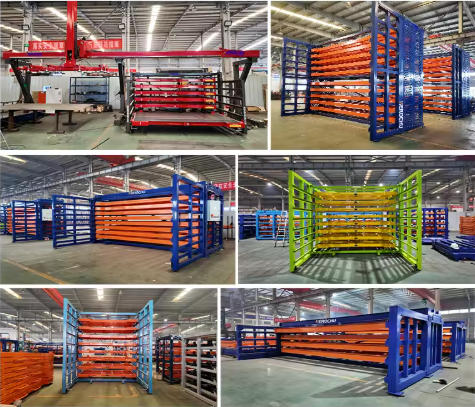
For storing large, bulky, or dense items, a Heavy Duty Metal Shelving Rack often utilizes a “beam and shelf” configuration. The beams carry the structural load, while the shelves (which can be made of chipboard, galvanized steel, or wire mesh) provide the flat surface. This modular approach allows for immense flexibility. A level designed to hold pallets of castings can be fitted with heavy-gauge wire mesh, while a level for smaller machine parts can use a solid chipboard shelf to prevent items from falling through .
Safety: The Non-Negotiable Feature
In an industrial setting, safety is paramount. A failure in a heavy-duty rack can lead to catastrophic damage, injury, or even loss of life. Therefore, modern heavy-duty racks are equipped with a host of safety features that are often overlooked on lighter systems.
- Safety Pins and Clips: Every beam connector should be secured with a safety pin or clip. These simple metal inserts prevent the beam from accidentally being dislodged from the upright if the rack is bumped by equipment .
- Load Signs: A compliant heavy-duty rack will feature a prominent “Safe Load Warning Notice” on the end frame. This sign clearly indicates the maximum load per level and for the entire bay, ensuring operators are constantly reminded of the system’s limits .
- Floor Fixing: Stability requires anchoring. Heavy-duty racks must be bolted to the concrete floor using high-strength anchor bolts. Adjustable base plates and shims allow for precise leveling, even on uneven floors, ensuring the rack stands perfectly plumb and square .
- Row Spacers and Ties: For very tall installations or double-deep configurations, row spacers (or portal ties) are used to connect rows back-to-back, providing lateral stability and preventing the rack from tipping side-to-side .
Maximizing Vertical Cube
One of the primary reasons warehouses invest in heavy-duty metal shelving is to utilize the “vertical cube” of the facility. Floor space is expensive, but the air above it is often free. Heavy-duty systems can be designed to reach impressive heights—sometimes up to 12 or even 20 meters—when used in conjunction with order picker machines or mezzanine walkways .
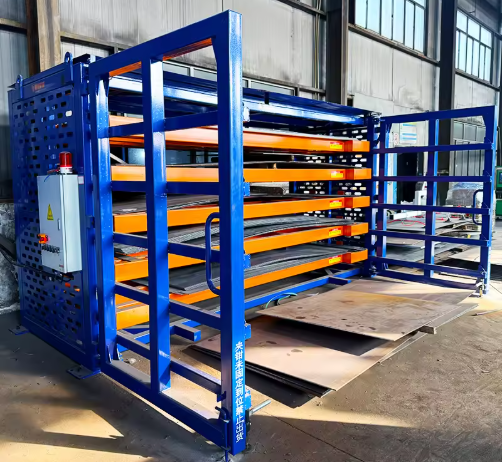
This vertical integration allows plants to consolidate their storage footprint. Instead of spreading heavy inventory across a wide area, it is stacked high in a concentrated zone, freeing up valuable square footage for production lines, assembly areas, or additional machinery.
Versatility Across Industries
The beauty of a well-designed heavy-duty metal shelving rack is its versatility. While we often think of them in metalworking plants, they are the solution for a huge range of applications. Automotive parts distributors use them for heavy brake rotors and drums. Distribution centers use them for bulky e-commerce items. Even archives use them to store densely packed, heavy boxes of documents .
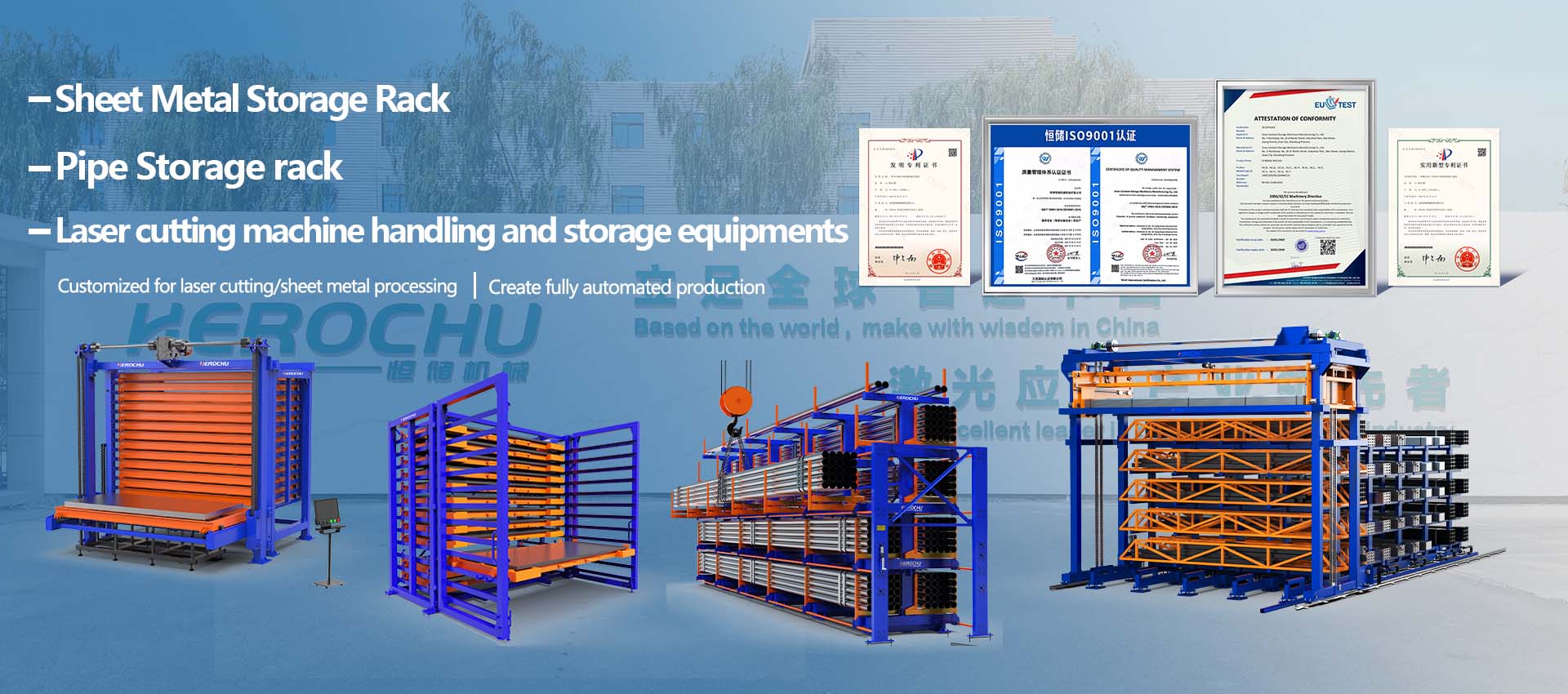
By choosing a system that is certified (like CE or ISO 9001) and built by a reputable manufacturer, you are investing in a tool that will serve your operation for decades . It is the structural foundation upon which efficient, safe, and productive industrial facilities are built.