When every square foot of your
fabrication floor carries a premium and every minute of machine downtime chips away at your margins, conventional pallet stacking and forklift-dependent
material handling stops making sense. Herochu’s 6-layer
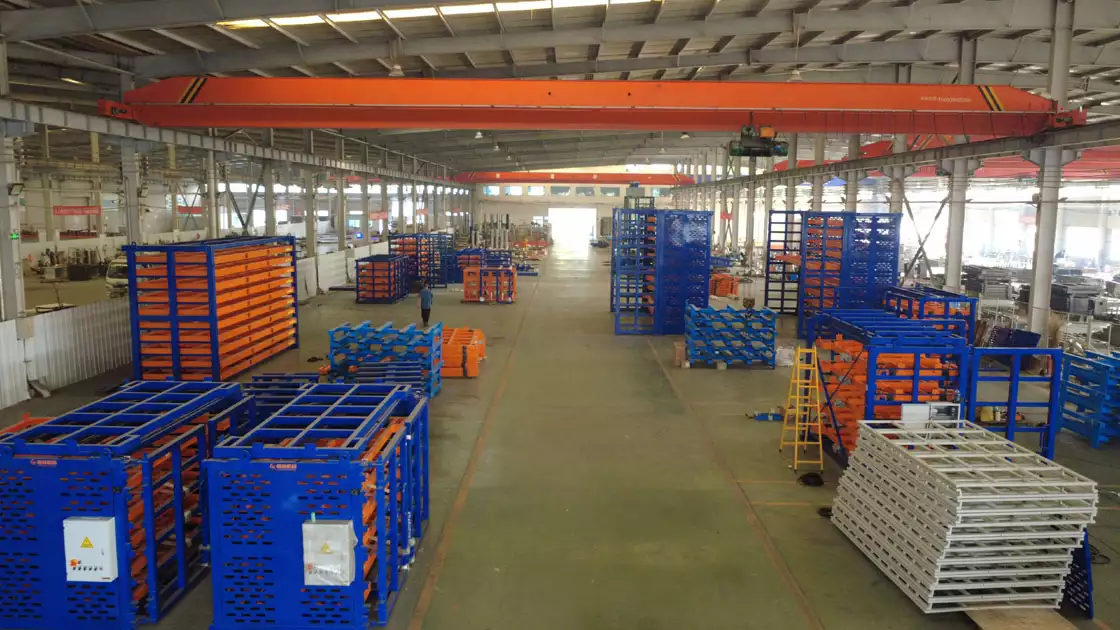
drawer-type sheet metal rack systems answer a specific challenge that modern metal fabricators face: how to
store multiple
tons of raw
sheet stock within arm’s reach of your
laser cutter, turret punch, or shear—without sacrificing
accessibility,
safety, or
vertical space
efficiency. Starting at $5,680 for standard configurations, these
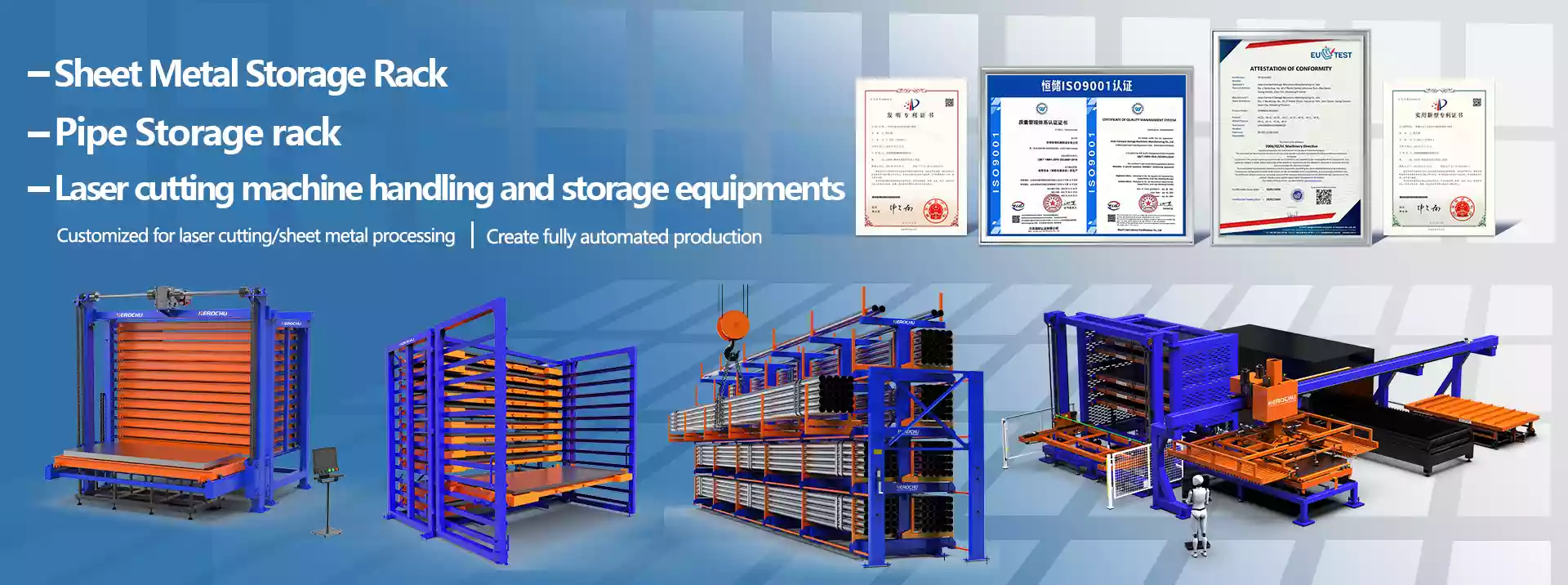
CE, UE, and ISO 9001-certified
steel storage solutions deliver a
robust 5,500-pound
load capacity per shelf while extending a full 100% on
precision roller bearings.
Engineered for the Realities of High-Volume Fabrication
Traditional
cantilever racks and floor stacking force operators into a costly dance of
forklifts, spotters, and wasted production hours. The Herochu
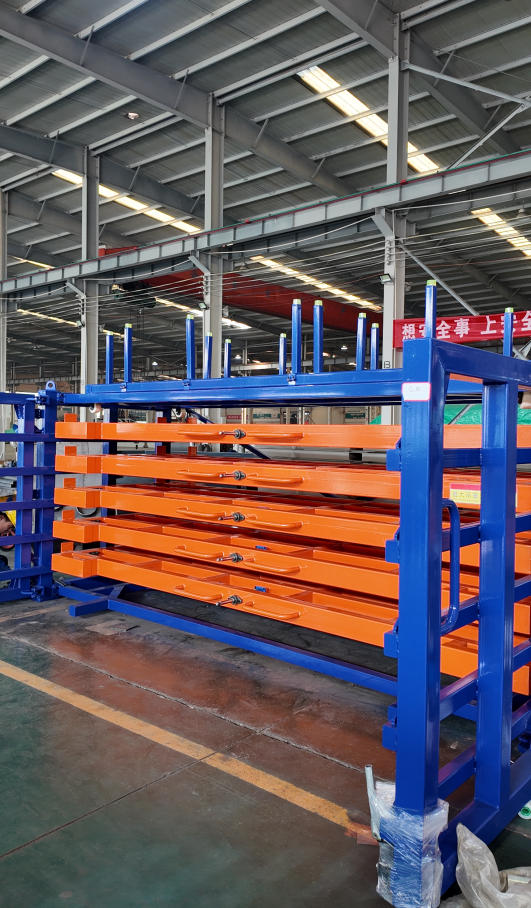
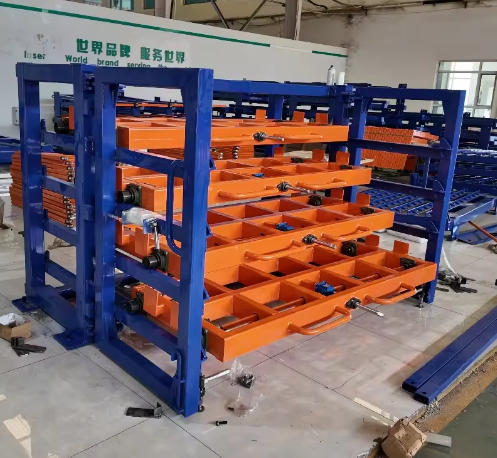
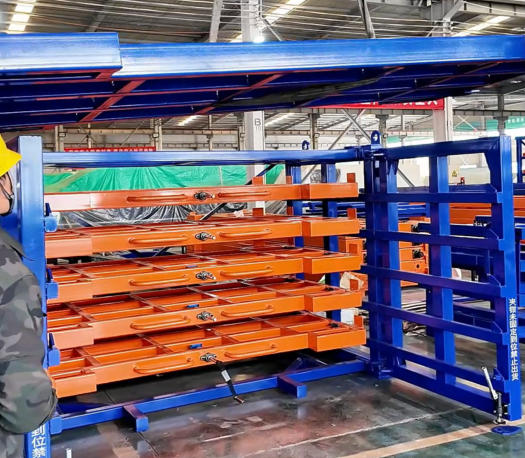
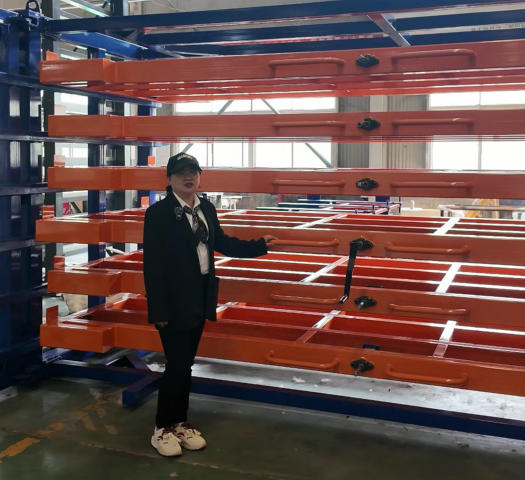
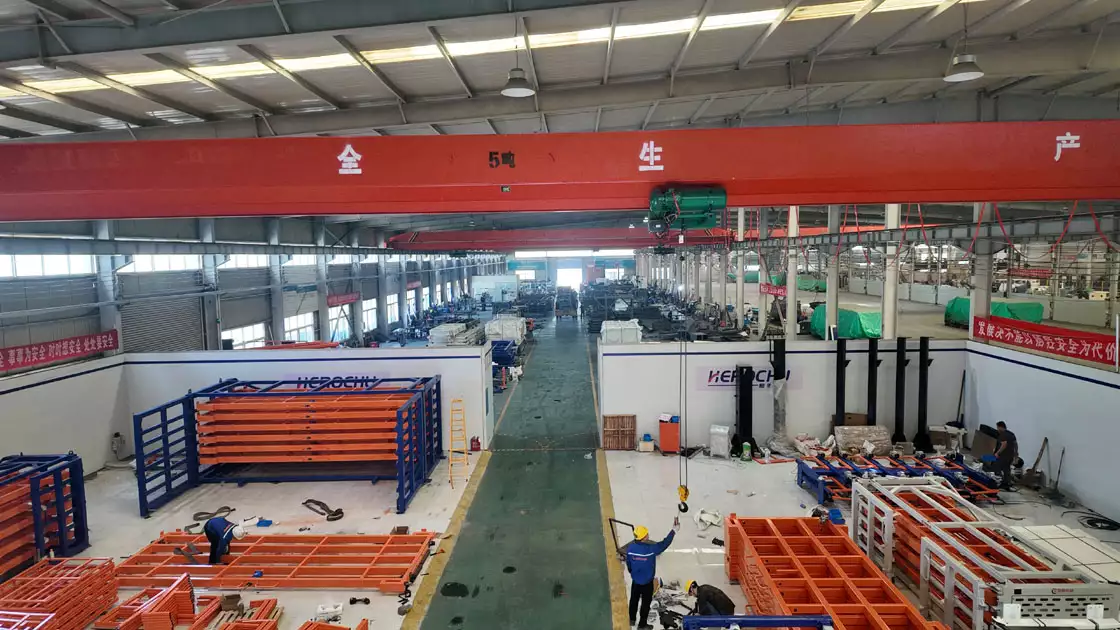
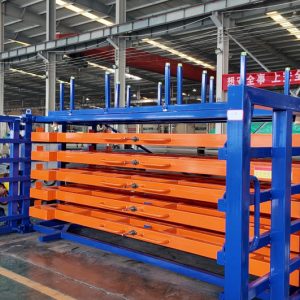
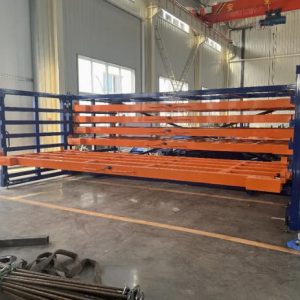
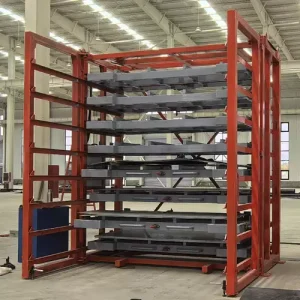
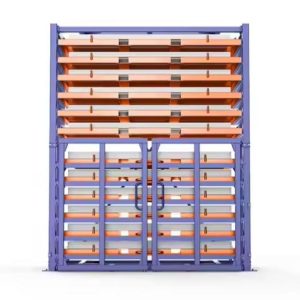
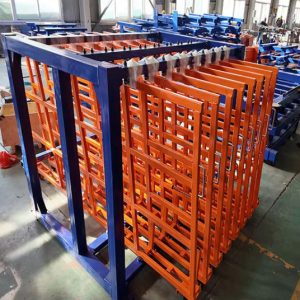
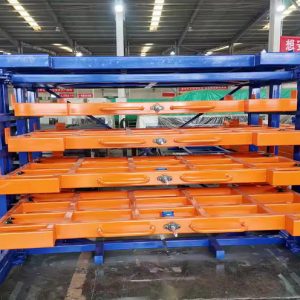
drawer rack reimagines this workflow entirely. Each all-welded steel drawer glides outward completely, exposing the entire sheet surface for immediate crane access or direct loading into adjacent
machinery. No more partial pulls. No more dangerous overreaching. No more scratching your head wondering which
material hides beneath three other stacks.
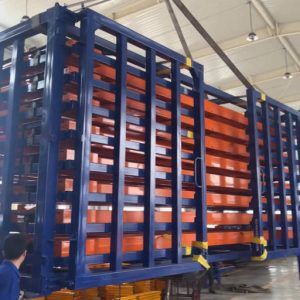
The standard 84-inch height (7 feet) strikes a deliberate balance—tall enough to capitalize on vertical cube space, yet
compact enough to avoid interfering with overhead crane operations or sprinkler systems in facilities with standard ceiling clearances. Units configured with 4 to 8
shelves offer partition layer heights ranging from 5 7/8 inches to 15 9/32 inches, accommodating everything from thin gauge
aluminum to thick
plate steel without forcing you into a one-size-fits-all
storage geometry.
What “Heavy Duty” Actually Means Here
Let’s cut through marketing fluff. When Herochu rates a drawer at 5,500 pounds, we’re talking about a distributed load
capacity achieved through 5mm+
structural steel framing and chassis components that won’t deflect under concentrated stress. The four roller bearing assemblies per drawer aren’t off-the-shelf furniture slides—they’re industrial-grade steel wheels running on hardened tracks, designed for cycle counts that exceed 10,000 full extensions before requiring service. The
integrated pull-out mechanism eliminates the synchronization issues that plague cable-drawn systems; each drawer operates independently with a positive-lock engagement that prevents drift under vibration.
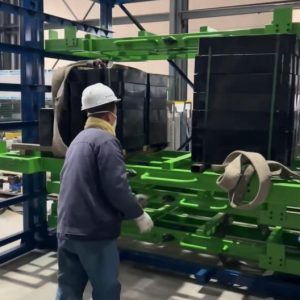
Optional steel decking reinforces the load-bearing surface, preventing thinner materials from sagging between support members. For shops running
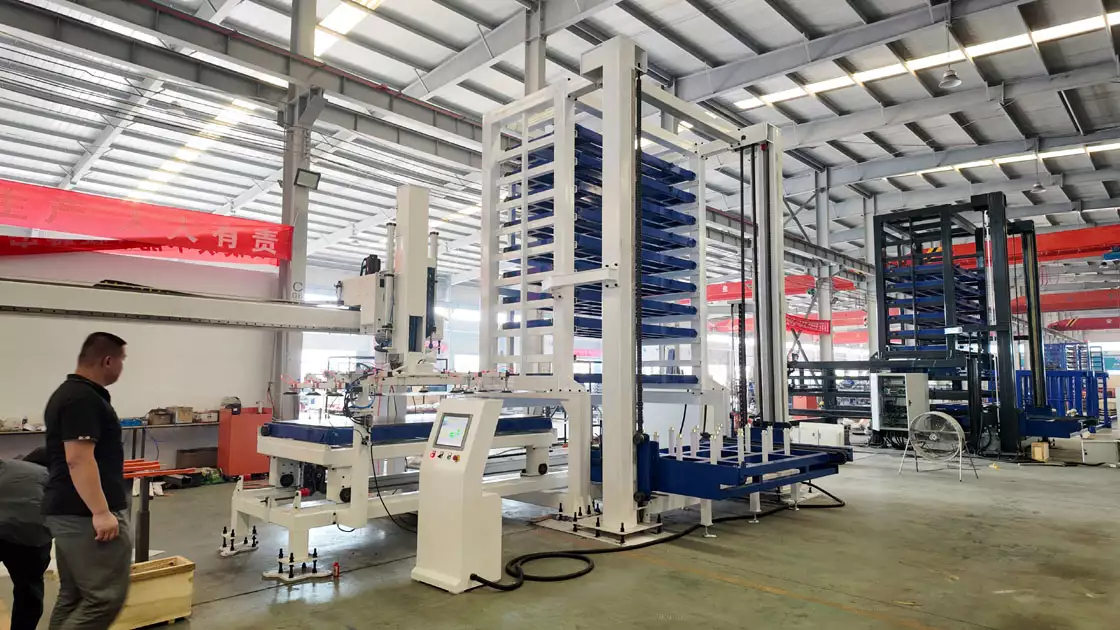
automated load/unload systems, this creates a consistently flat pickup plane for
suction cups or magnetic lifters.
Model Decoding: Finding Your Exact Fit
Herochu’s model nomenclature looks cryptic at first glance but communicates precise specifications once you understand the logic. Take the popular HC-B3015-63 as an example:
-
-
-
30: 3,000mm sheet length capacity
-
15: 1,500mm sheet width capacity
-
-
3: 3-ton load capacity per drawer
Applying this framework, the
HC-B4015-63 handles 4,000mm x 1,500mm
sheets across six tiers with 3-ton capacity. Step up to the
HC-B4020-65 and you get 4,000mm x 2,000mm capacity with 5-ton per drawer rating—a favorite among shipyards and
heavy equipment manufacturers. The
HC-B6020-66 pushes dimensions to 6,000mm x 2,000mm with a substantial 6-ton per tier capacity, purpose-built for architectural panel fabricators and large-scale HVAC contractors managing oversized blanks.
Each model maintains consistent external dimensions relative to sheet size, ensuring your
layout planning remains predictable. The HC-B3015-63, for instance, measures 4,505mm in length, 2,280mm in height, and 2,500mm in width when drawers are closed—dimensions that slip cleanly into standard bay configurations without bespoke facility modifications.
Customization That Starts From Standard
While four standard models cover roughly 80% of
fabrication shop requirements, Herochu’s engineering team treats customization as a core competency rather than an afterthought. Need only five active layers instead of six? The partition height available can be adjusted from 220mm upward to accommodate your specific material bundle thicknesses. Running an unusually thick material that requires 400mm clearance? The
modular upright system rebays without compromising structural integrity.
Color customization goes beyond aesthetics—match your corporate identity, designate material types by color-coding drawers, or implement safety zone visual
management. Powder coating isn’t merely decorative; the thermoset polymer finish provides genuine corrosion protection and anti-rust properties for shops operating in humid climates or near chemical
processing areas. ESD protection options safeguard sensitive electronics
manufacturing environments where static discharge could compromise finished components.
Quantified Benefits: Beyond the Bullet Points
Consider the ripple effects of placing a Herochu rack directly adjacent to your
fiber laser. A typical sheet changeover using a
forklift and operator might consume 8-12 minutes—unstaging material, maneuvering through aisles, positioning, and returning. With material pre-loaded in a drawer rack, that same changeover drops to under 2 minutes: extend the drawer, attach crane hooks, lift directly into the machine. Across 15 changeovers per shift, you’re reclaiming nearly two hours of productive machine time daily. That’s not theoretical; that’s a 16% capacity increase from a
single storage decision.
Man-hour reduction compounds quickly. Eliminating the dedicated forklift driver for material staging means that operator can be reassigned to value-added tasks—inspection, secondary finishing, or quality control. In a three-shift operation, that recovers 24 labor hours per day, equivalent to $600-$900 in daily payroll savings depending on your regional wage rates.
Floor space mathematics tell a similar story. A stacking area for 20 tons of mixed sheet stock might consume 400 square feet of floor space. The same material volume in a Herochu
vertical rack occupies 120 square feet—70% space recovery that can be repurposed for additional machinery or workflow expansion. When
industrial real estate costs $8-$15 per square foot annually, that spatial efficiency translates to $2,240-$4,200 in annual occupancy cost avoidance per rack.
Safety as a Design Parameter, Not a Sticker
Sheet metal handling injures more fabricators than most shop managers realize. The combination of sharp edges, significant mass, and awkward dimensions creates pinch points, slip hazards, and strain injuries. Herochu’s full-extension drawers eliminate the need for
manual wrestling—material sits at a controlled height, accessed positively with mechanical assistance. The integrated locking mechanism prevents accidental drawer movement during crane operations, while the low-profile base (355mm ground clearance on the bottom layer) keeps the center of mass manageable for initial loading.
Overhead crane loading becomes intuitive rather than precarious. With the drawer extended,
the crane operator maintains clear sightlines to all pick points without leaning over stacked material or navigating between rack bays. This visibility reduces dropped load incidents and the associated equipment damage and personnel risk.
The CE marking isn’t self-declared; it indicates conformity with EU Machinery Directive 2006/42/EC, covering essential health and safety requirements for mechanical equipment. The
ISO 9001 certification audits Herochu’s manufacturing processes, from steel procurement through final assembly, ensuring dimensional tolerances remain consistent batch-to-batch. For OEMs and Tier 1
suppliers, these certifications streamline your own
supplier qualification processes and satisfy quality management system requirements without redundant audits.
Installation Realities: Countertop Simplicity, Floor-Mount Security
Despite the “countertop installation” classification in technical datasheets, these aren’t benchtop units. The designation refers to the assembly methodology—units ship in pre-welded modules that bolt together with basic tools, avoiding complex field welding or specialized rigging. A two-person crew can typically install a standard six-layer unit in 4-6 hours using only a forklift for positioning and a torque wrench for structural bolts.
Floor anchoring remains critical. Each unit includes pre-drilled base
plates designed for 12mm expansion anchors into concrete. While the rack’s footprint distributes load effectively, seismic considerations and dynamic loads from crane operations necessitate positive floor attachment. Herochu provides engineered anchor patterns and load calculations for permitting authorities when required.
Application-Specific Configurations Emerging From the Field
Automotive stamping operations increasingly pair these racks with servo-electric press brakes, staging different grades of high-strength steel on separate tiers for just-in-time die changes.
Aerospace contractors leverage the ESD protection option to store clad aluminum and titanium sheets in climate-controlled segments of the shop, maintaining material certification traceability by dedicating drawers to specific heat lots.
In architectural metalworking, where copper and zinc
panels require scratch-free handling, fabricators specify ultra-smooth powder coat finishes and add felt-lined drawer surfaces. The full extension proves invaluable when inspecting full-length panels for finish consistency before installation.
Even waste management operations have adopted modified versions, storing heavy-gauge replacement screens and wear plates for shredders and sorting equipment within arm’s reach of maintenance bays—turning what used to be a 30-minute forklift retrieval into a five-minute drawer pull.
Maintenance: Designed for Uptime, Not Service Calls
The roller bearing system requires lubrication at 2,000-cycle intervals—roughly annual service in moderate-use environments. Access points are external and grease fittings are standard zerk type, meaning your maintenance team can service bearings without disassembling drawers or interrupting production. Should a bearing require replacement, the modular design allows individual wheel swaps using common hand tools, avoiding the need for
factory service calls.
Powder-coated surfaces clean with standard industrial degreasers, and the finish maintains integrity under most cutting fluid mists and hydraulic oil exposures. For caustic environments—near plating lines or chemical treatment baths—upgraded epoxy-polyester hybrid coatings provide additional chemical resistance.
Making the ROI Calculation Concrete
Let’s model a mid-size fabrication shop running a single 4kW fiber laser. Material changeovers average 10 minutes, occurring 12 times per shift across two shifts. Labor rate: $45/hour loaded. Machine burden rate: $120/hour.
Current state: (10 minutes × 12 changeovers × 2 shifts) ÷ 60 = 4 hours daily changeover time Daily cost: 4 hours × ($45 labor + $120 machine) = $660 Annual cost: $660 × 250 working days = $165,000
With Herochu drawer rack: Changeover drops to 2 minutes New daily time: (2 minutes × 12 × 2) ÷ 60 = 0.8 hours Daily cost: 0.8 × $165 = $132 Annual cost: $132 × 250 = $33,000
Net annual savings: $132,000
Even after accounting for rack depreciation, maintenance, and installation, the payback period typically falls under six months. This calculation ignores the additional value of reclaimed floor space, reduced injury risk, and improved material organization.
Logistics and Lead Times
Standard models ship from regional distribution centers within 2-3 weeks of order acknowledgment.
Custom configurations—non-standard heights, alternate drawer counts, specialized finishes—require 4-6 week lead times as engineering drawings must be validated and steel cutting scheduled. Herochu provides provisional approval drawings within 72 hours of custom request submission, allowing your team to confirm dimensions and interfaces while manufacturing proceeds in parallel.
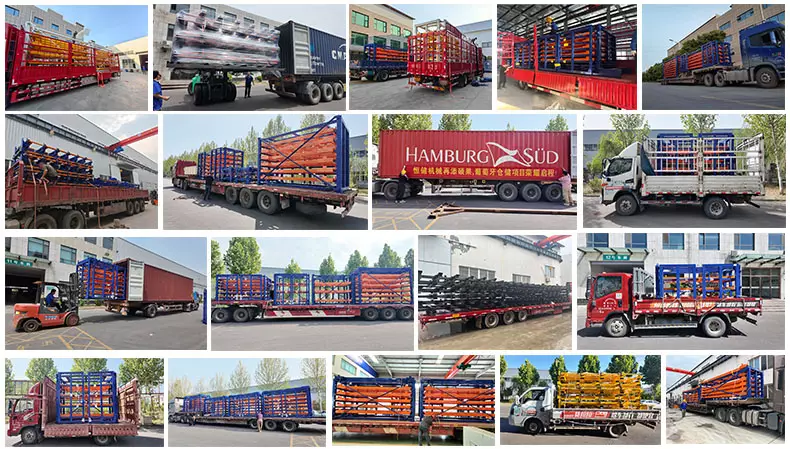
All units ship knocked-down on export-certified
pallets, with structural components protected by VCI film and hardware bagged and labeled per assembly sequence. A digital manual accessible via QR code on the main frame provides animated installation guides and maintenance video tutorials, reducing reliance on paper documentation that inevitably walks away from the shop floor.
Integration With Existing Material Handling Infrastructure
These racks don’t demand a complete workflow overhaul. The 2,280mm standard height positions the top deck at a comfortable 2,250mm—low enough that a bridge crane with 3-meter hook height can service all layers without reconfiguring runway elevations. For facilities using jib cranes or
gantry systems, the 2,500mm width provides adequate clearance for most standard hoist trolleys.
The 3515mm to 4015mm extension width when drawers are open (model-dependent) does require planning aisle space. However, because drawers extend perpendicular to the rack face rather than swinging like doors, you maintain straightforward egress paths that comply with OSHA aisle width requirements. No arc swing means no unexpected encroachment into adjacent workstations.
The Customization Conversation: What to Prepare
When requesting a custom configuration, come prepared with:
-
Maximum sheet dimensions (length × width × thickness)
-
Weight per sheet and typical bundle quantity
-
Desired number of material types/SKUs to store per rack
-
Crane hook height and capacity
-
Floor slab thickness and compressive strength
-
Environmental conditions (temperature range, humidity, chemical exposure)
-
Any cleanroom or ESD requirements
This data allows Herochu engineers to specify appropriate steel gauges, bearing capacities, and surface treatments without over-engineering (and over-pricing) the
solution.
Final Consideration: Scalability for Growth
Standard widths and modular assembly mean you can start with a single HC-B3015-63 unit today and add an HC-B4020-65 next quarter without visual or functional discontinuity. Shared anchor patterns and consistent deck heights allow units to be placed in series, creating
long banks of
material storage that operators can traverse efficiently. As your laser capacity grows from 3kW to 6kW to 12kW, your
storage system scales proportionally without forcing a rip-and-replace capital decision.
The Herochu 6-layer heavy duty drawer rack isn’t merely shelving—it’s a production acceleration tool disguised as
storage equipment. It earns its floor space not by holding material, but by fundamentally changing how quickly, safely, and intelligently your shop can respond to material demands at the point of use. For $5,680 starting price, you’re not buying steel; you’re buying back time, space, and margin.