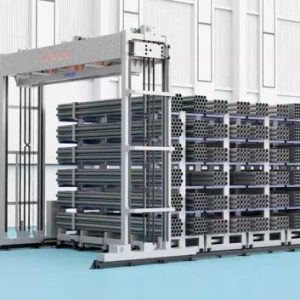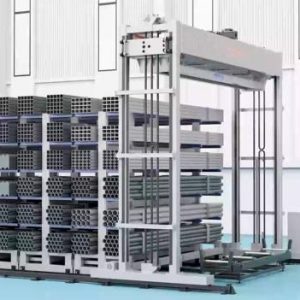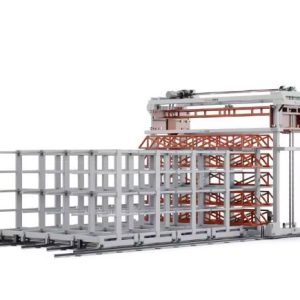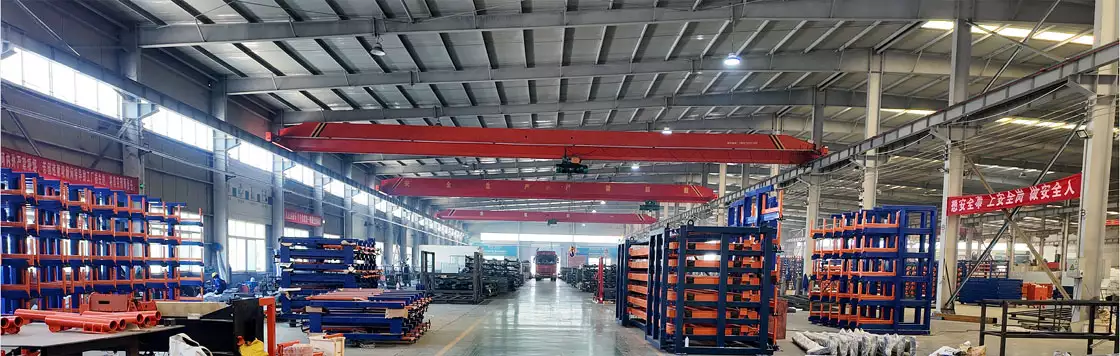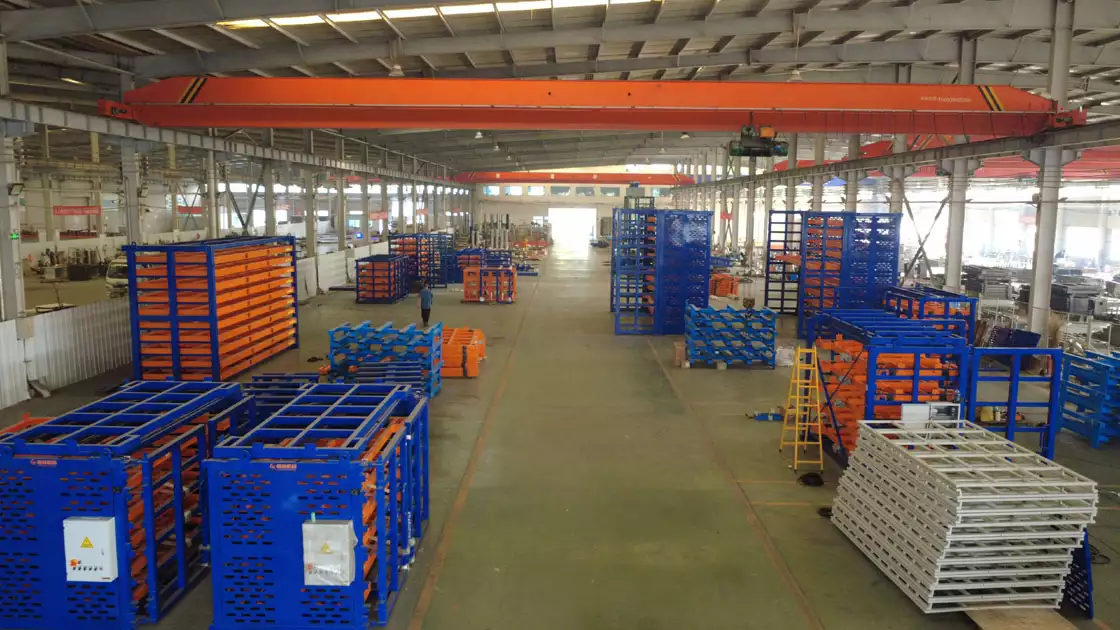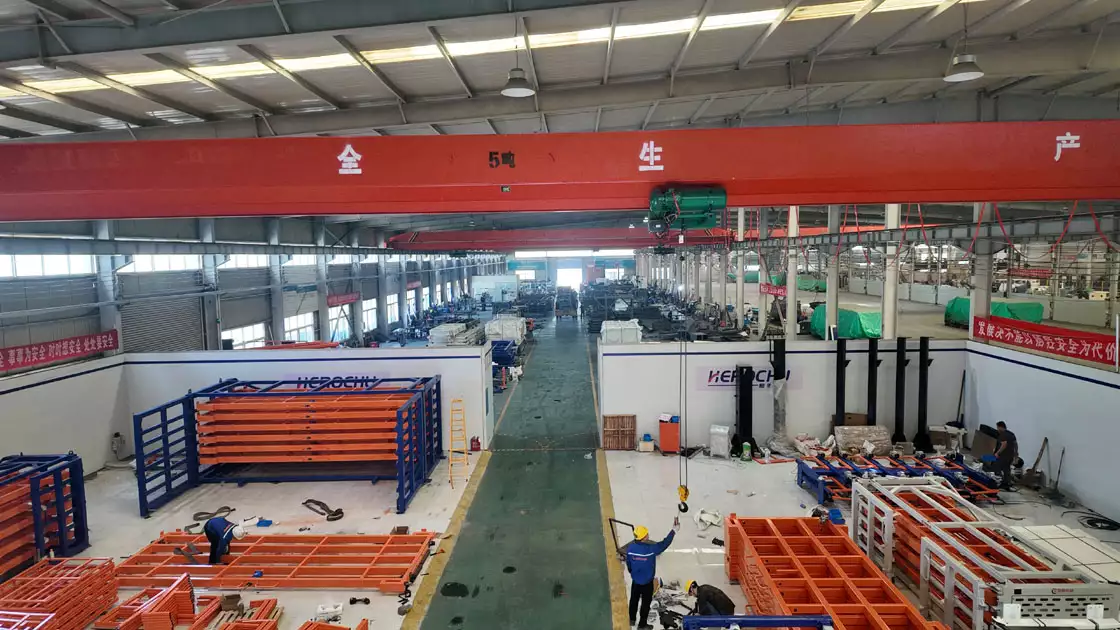
The logistics of heavy industry have long been plagued by the challenges of handling long, heavy, and often unwieldy materials. Steel pipes, structural beams, and aluminum profiles are the backbone of construction and manufacturing, yet their storage has traditionally been a bottleneck characterized by low density, slow retrieval, and high safety risks. The emergence of the Automatic Vertical Storage Rack System marks a paradigm shift in how these materials are managed. Coupled with Customized Pipes Stacking Racking technologies, these systems are enabling heavy industries to break free from the constraints of traditional warehousing. This final installment in our series examines the transformative power of vertical automation, exploring how these systems are setting new benchmarks for maximizing warehouse space utilization and loading efficiency in the heaviest sectors of the economy.
Breaking the Horizontal Barrier
For decades, the default method for storing pipes and profiles was the cantilever rack, arranged in long rows with wide aisles to accommodate fork-lifts. While functional, this approach is inherently inefficient. It consumes vast amounts of floor space, limits stacking height due to fork-lift reach restrictions, and relies heavily on operator skill for safe handling. The result is a warehouse that is sprawling, slow, and prone to accidents.
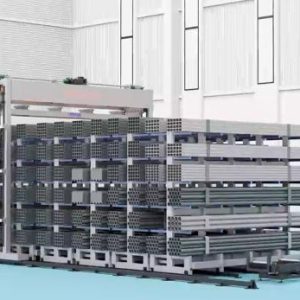
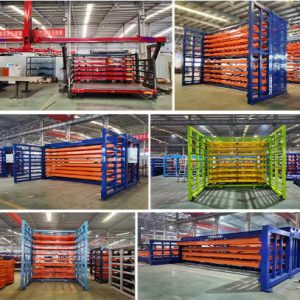
The Automatic Vertical Storage Rack System shatters this horizontal barrier by utilizing the full vertical cube of the facility. By stacking materials in towers that can reach 13 meters or more, these systems compress the storage footprint by up to 70%. This dramatic increase in density allows facilities to store significantly more inventory in the same building or to downsize their real estate holdings while maintaining capacity. For heavy industries where land costs are high and space is at a premium, this vertical compression is a game-changer. It transforms the warehouse from a sprawling yard into a compact, high-density fortress of inventory.
The Mechanics of Heavy-Duty Vertical Automation
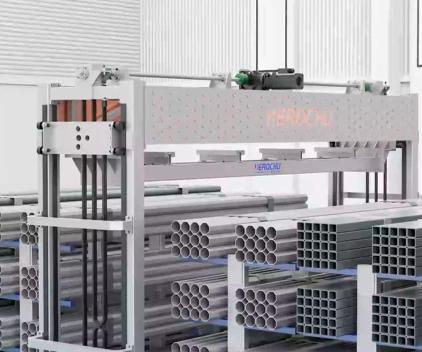
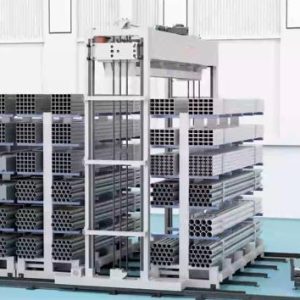
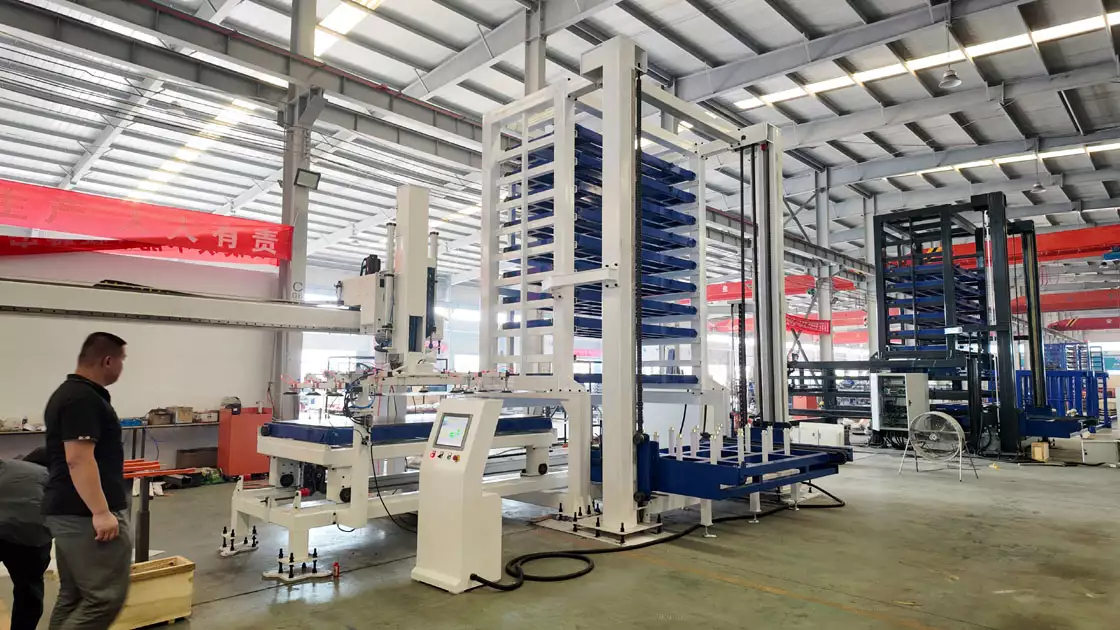
At the core of the Automatic Vertical Storage Rack System is a robust mechanical design capable of handling extreme weights. Unlike light-load automated systems used in e-commerce, these industrial giants are built to lift and move loads of 3 to 5 tons per layer with ease. The main structure is fabricated from high-strength steel, engineered to resist deflection and vibration under heavy loads. The loading and unloading gantry, the system’s primary actuator, travels on precision linear guide rails that ensure smooth, stable movement even when fully loaded.
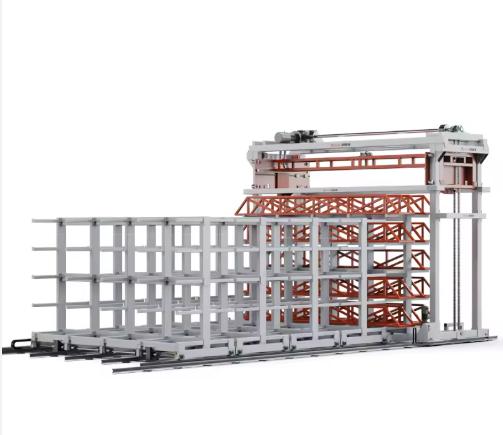
The transmission mode, typically a heavy-duty chain drive, provides the necessary torque for vertical lifting speeds of 9 meters per minute. This speed is carefully balanced to ensure that the momentum of heavy loads does not compromise stability. Horizontal movement at 12 meters per minute allows the gantry to quickly position itself at the correct bay, minimizing the time between requests. The synchronization of these movements is managed by advanced control systems that optimize the gantry’s path, reducing energy consumption and wear on mechanical components.
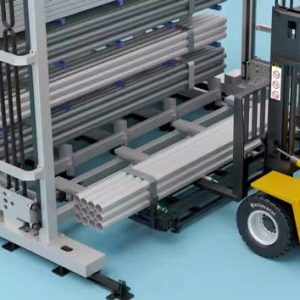
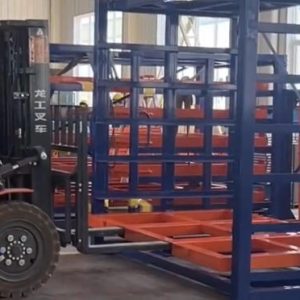
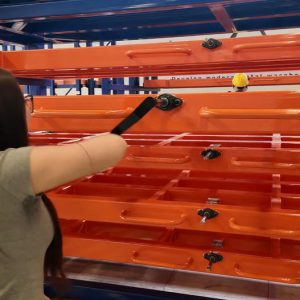
Customized Pipes Stacking Racking plays a crucial role in this ecosystem. The racks are not mere shelves; they are engineered supports designed to hold specific pipe diameters and bundle configurations. Specialized cradles and adjustable arms prevent pipes from rolling or crushing each other, a common issue in traditional stacking. These supports are integrated into the material frames, which lock securely into the rack structure, ensuring that the load remains stable during the dynamic movements of the gantry. This attention to detail ensures that the integrity of the stored material is maintained from入库 (inbound) to出库 (outbound).
Enhancing Loading Efficiency in Heavy Industry
Loading efficiency in heavy industry is not just about speed; it is about the seamless flow of massive quantities of material into and out of storage. Manual handling of heavy pipes is slow and physically demanding, often requiring multiple workers and heavy machinery for a single transaction. The Intelligent mobile profile automated storage and retrieval system automates this entire process, turning what used to be a 15-minute operation into a matter of seconds.
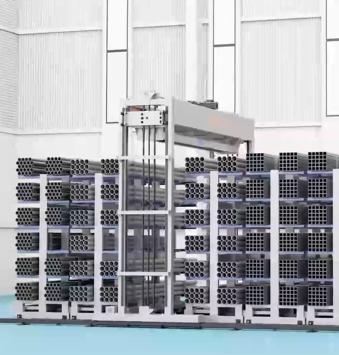
The system’s ability to operate continuously without fatigue means that throughput is consistent and predictable. During peak production times, the automated gantry can run 24/7, keeping the production line fed with materials without interruption. The precision of the automated system also reduces the time spent aligning and adjusting loads, a common delay in manual operations. Furthermore, the integration of the system with Warehouse Management Software (WMS) allows for real-time inventory visibility and automated order sequencing, ensuring that the right materials are delivered to the right place at the right time.
Safety is a significant component of efficiency. Accidents in heavy material handling can shut down operations for days, causing massive losses. By removing humans from the direct handling of heavy loads, the Automatic Vertical Storage Rack System drastically reduces the risk of injury. The enclosed nature of the automated system, combined with safety sensors and interlocks, creates a secure environment where operations can proceed at high speed without compromising worker safety.
Versatility Across Industries
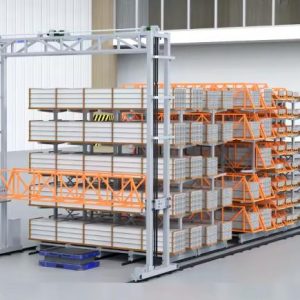
The applications of Customized Automatic Storage Rack Unit Industrial Profile Steel Warehouse System extend across a wide range of heavy industries. In the oil and gas sector, these systems store vast quantities of drill pipes and casing tubes, organizing them by grade and size for rapid deployment. In construction, they manage structural steel beams and columns, ensuring that the right pieces are available for prefabrication. In the automotive and aerospace industries, they store aluminum extrusions and specialty alloys, protecting sensitive finishes while maintaining high accessibility.
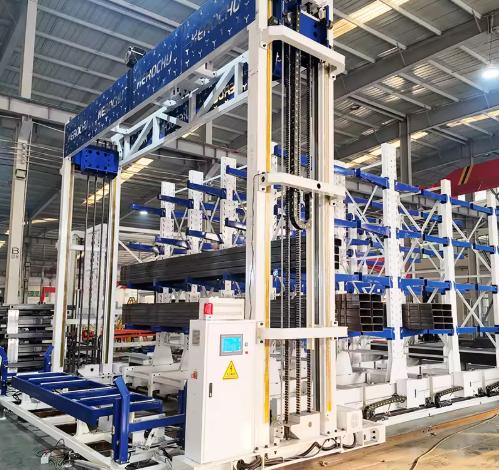
The versatility of these systems lies in their customizability. Whether the requirement is for storing extra-long pipes that span multiple bays or heavy bundles that require reinforced supports, the system can be tailored to meet the specific needs of the industry. The Industrial Profile Warehouse with ISO9001/CE Certification ensures that these tailored solutions meet the highest standards of quality and safety, making them suitable for the most regulated and demanding environments.
Future Outlook: The Smart Warehouse
Looking ahead, the Automatic Vertical Storage Rack System is poised to become even more intelligent. Integration with AI and machine learning will enable predictive maintenance, where the system can anticipate mechanical issues before they cause downtime. Advanced analytics will optimize storage patterns in real-time, adapting to changing demand fluctuations. The convergence of robotics, IoT, and big data will transform these storage systems into cognitive hubs that drive the entire supply chain.
Conclusion: Elevating Heavy Industry Logistics
The transition to an Automatic Vertical Storage Rack System represents a bold step forward for heavy industry logistics. By combining high-density vertical storage with robust automation and customized engineering, these systems offer a solution to the age-old problems of space scarcity and inefficiency. They empower companies to maximize warehouse space utilization and loading efficiency while enhancing safety and reducing operational costs. As the demands of the global market continue to grow, the ability to store and retrieve heavy materials with speed and precision will be a defining factor in industrial success. The era of automatic vertical storage is here, and it is transforming the landscape of heavy industry one profile at a time.