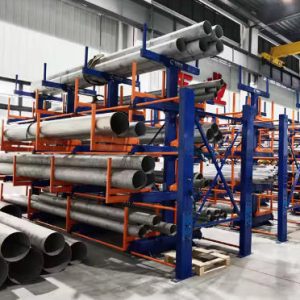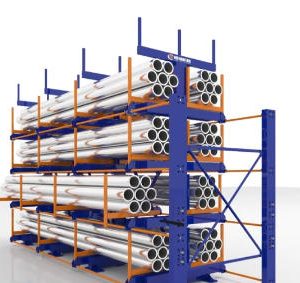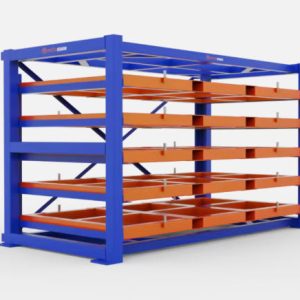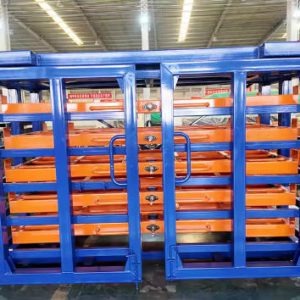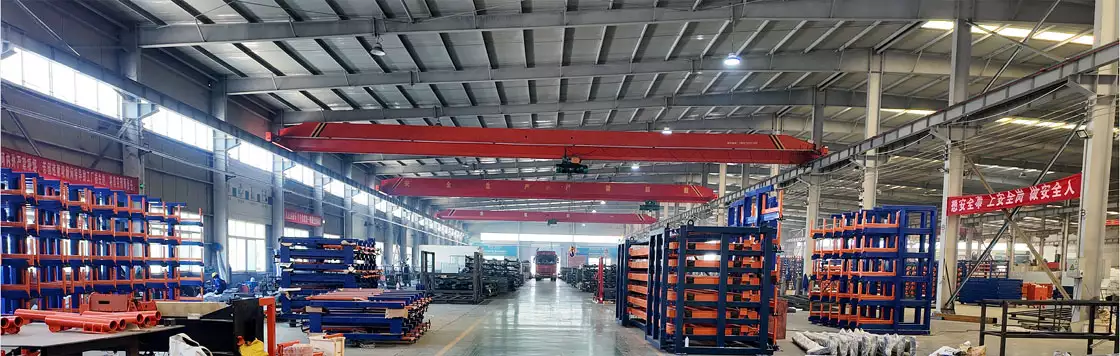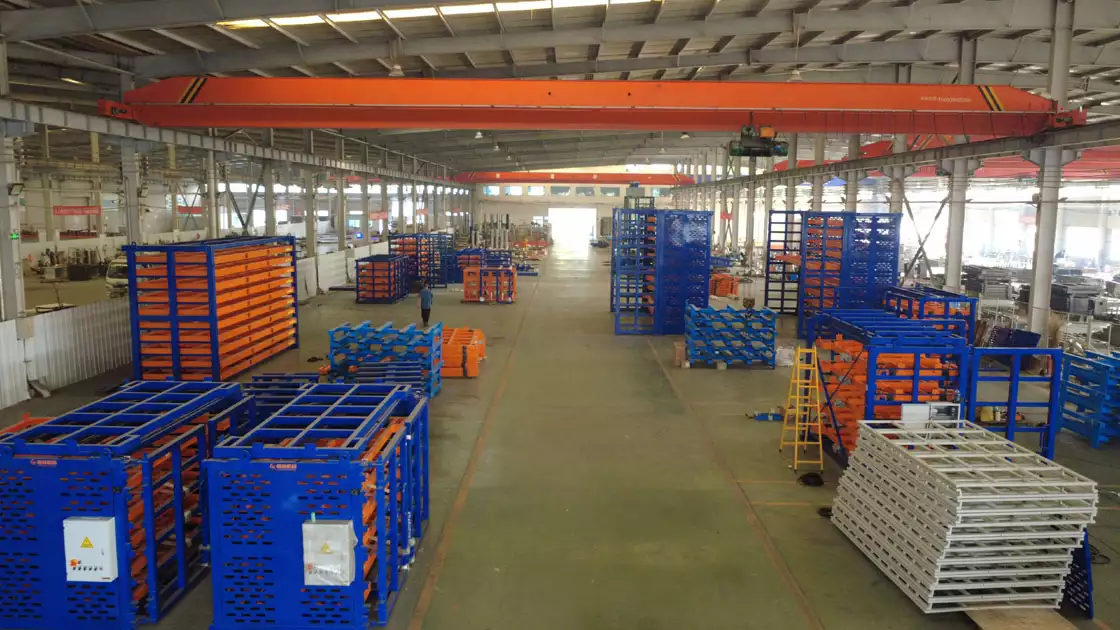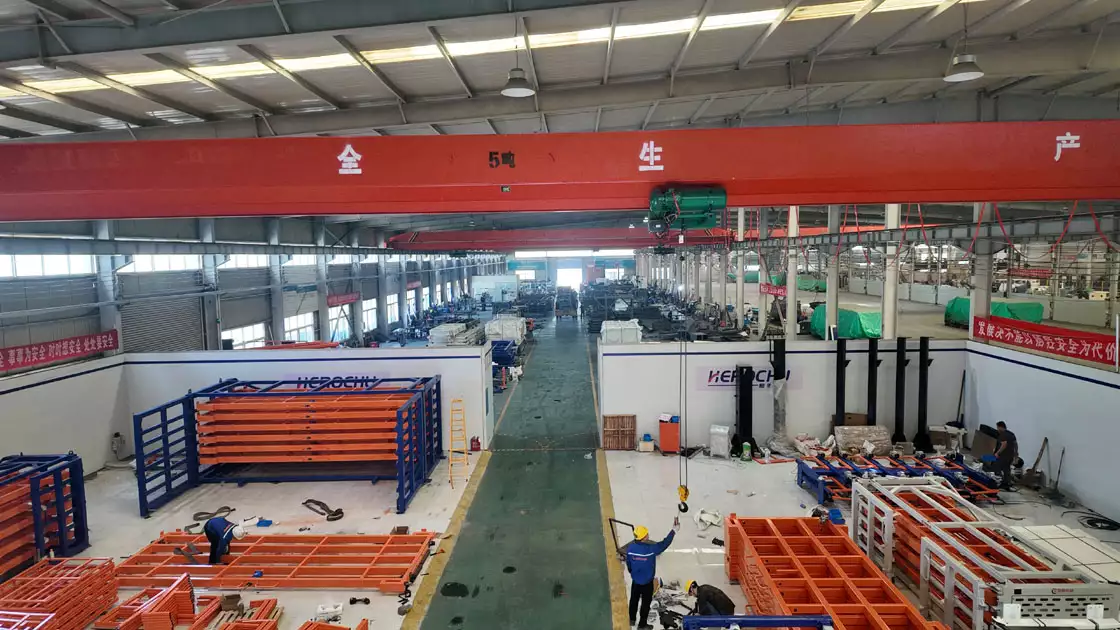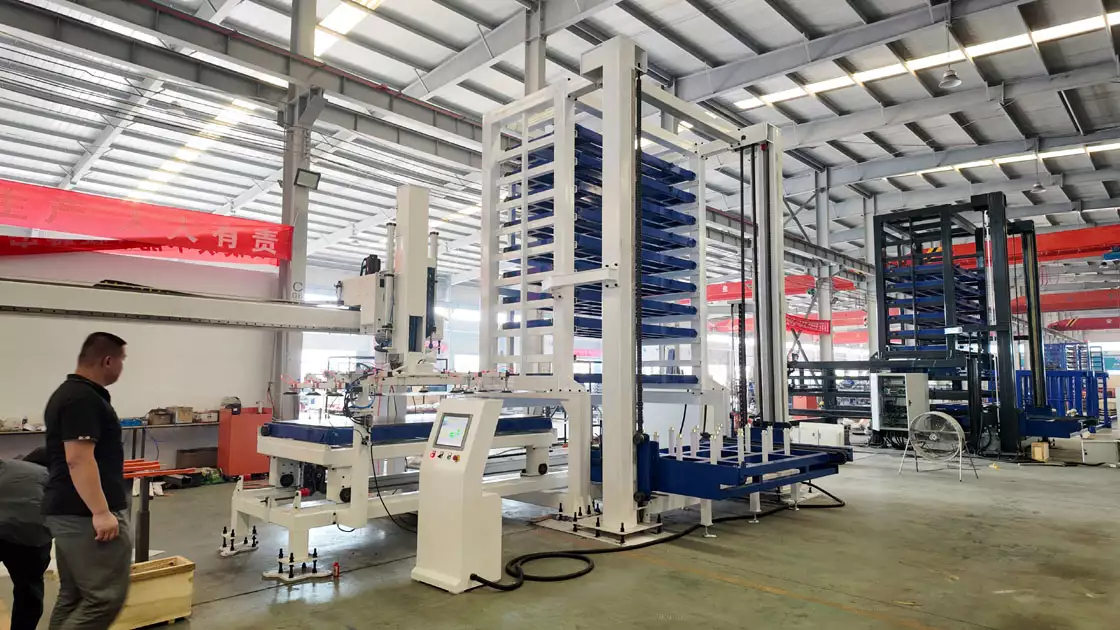
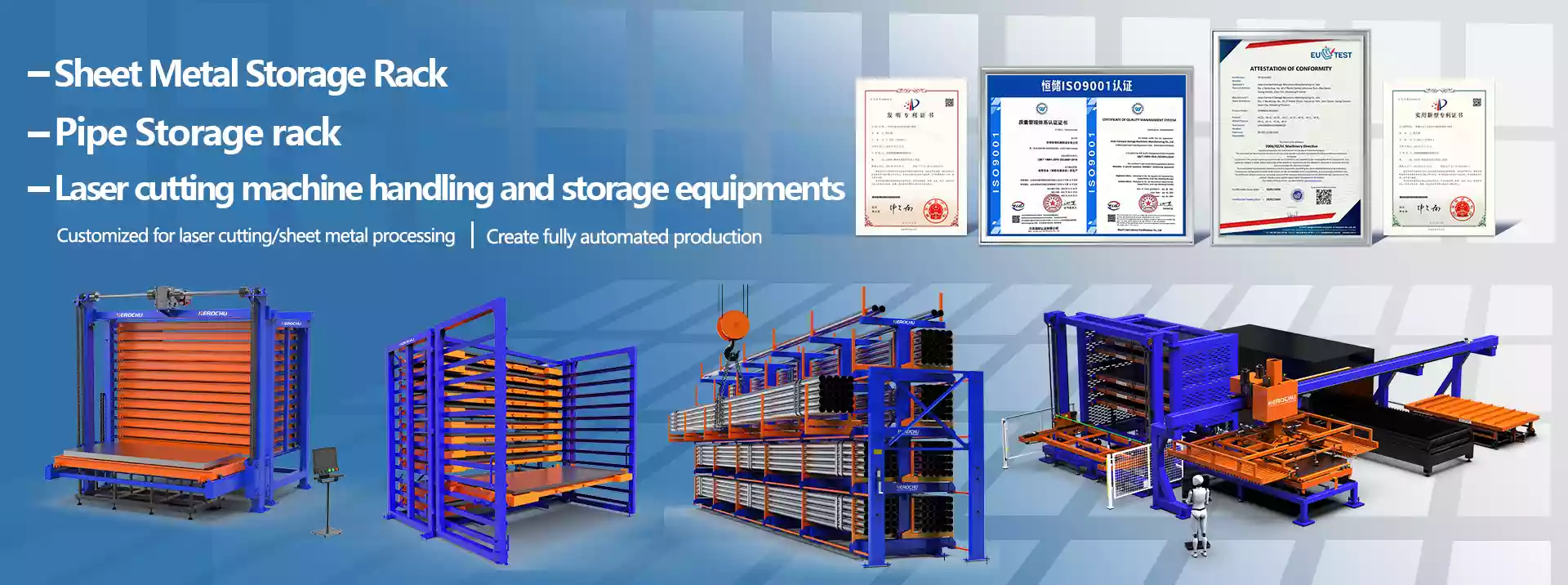
Selecting a sheet metal racking system is a significant decision that impacts your daily operations for years to come. The best systems are not one-size-fits-all; they are tailored ecosystems designed around your specific materials, workflows, and space constraints. This article provides a deep dive into the myriad configuration options and advanced features available, empowering you to design the perfect sheet metal shelf warehouse for your unique requirements. The core principle is simple: the system is completely configurable, allowing you to mix shelves of different sizes and weights side-by-side, optimizing both space and your financial investment.
The Foundation: Understanding Shelf and Drawer Types
The functionality of your entire sheet metal storage system hinges on the types of shelves and drawers you select. Each type is designed for a specific way of working:
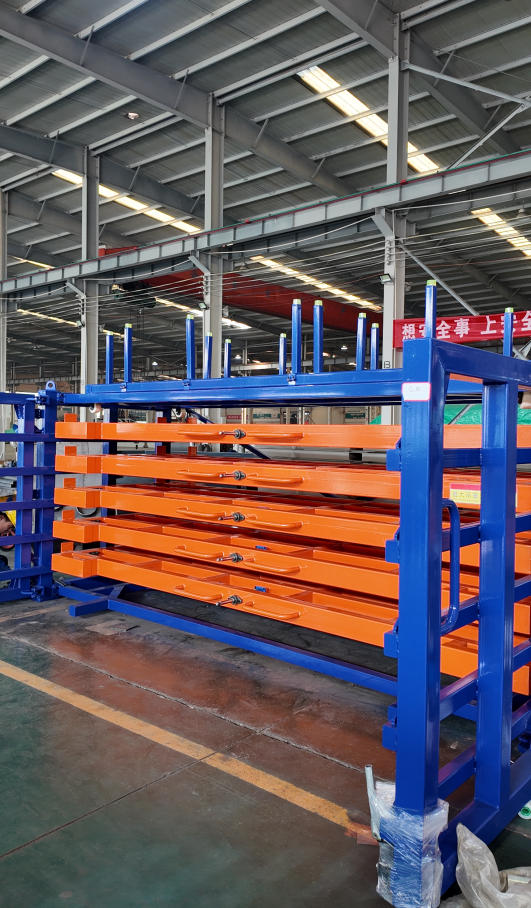
- Sliding Shelves: The ergonomic workhorse. These shelves slide out smoothly, often equipped with an extraction point to position the operator correctly. They can be manual or motorized and are ideal for frequent access to heavy sheets.
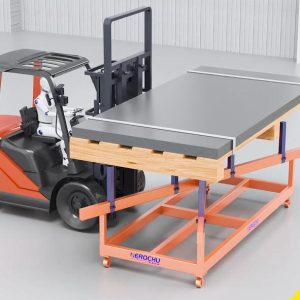
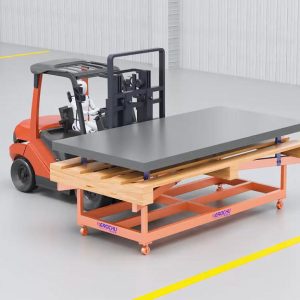
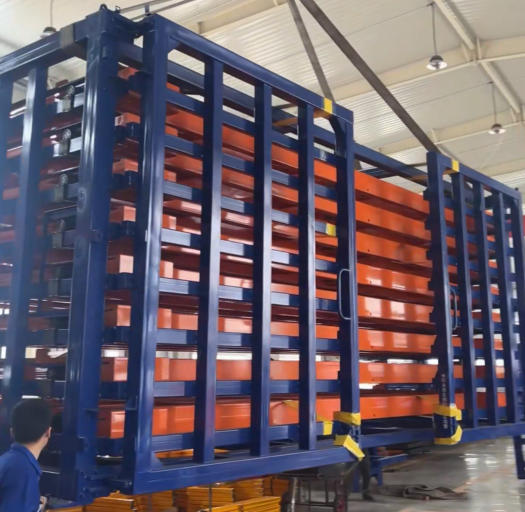
- Removable Shelves: The powerhouse for forklift sheet metal racks. These shelves are designed to be completely removed from the structure by a forklift, enabling high-density storage blocks and direct delivery to production lines.
- Interchangeable Shelves/Drawers: The epitome of flexibility. These units can be used at any level of the system, allowing you to create a dynamic storage environment that can be reconfigured as your inventory and project needs change. This modularity is a key feature of a modern sheet shelves system.
Critical Safety and Operational Features
When dealing with heavy and valuable materials like sheet metal, safety and control are non-negotiable. Modern systems incorporate several key features to ensure this:
- Safety Locks: These are essential locking elements that prevent the tray from sliding out due to unwanted movements, such as accidental bumps or seismic shifts. They securely lock the material in place, protecting both your inventory and your personnel.
- With or Without Pallet Flexibility: A well-designed system offers the possibility of storing material with or without its factory pallet. This adaptability is crucial as it allows you to align the storage method with your internal logistics, whether you receive materials on pallets or prefer a pallet-less system for easier access and cleaner operations.
Building a Customized System: Mixing and Matching
The true power of a configurable sheet metal racking system lies in its ability to be a heterogeneous mix of components. Imagine a single structure where:
- The bottom two levels are sliding shelves for daily-use materials, configured for 1500kg each.
- The next three levels are removable shelves for bulk stainless steel, rated at 3000kg each for forklift access.
- The top level is a fixed shelf for storing rarely-used tooling or finished pieces.
This level of customization ensures that every inch of your storage solution is working effectively for you, eliminating wasted space and creating a highly efficient sheet metal shelf warehouse.
Motorization and Specialized Options
To further enhance efficiency, consider these advanced options:
- Motorization by Levels: Automate the heaviest or most frequently accessed shelves. This turns a physically demanding task into a simple button-push operation, reducing worker fatigue and cycle times.
- Folding Doors: As mentioned in our new model, folding doors are a revolutionary space-saving feature. They ensure the storage system has a minimal footprint when not in use, a critical advantage in a crowded fabrication shop sheet metal storage rack area.
- Upper Warehouse and Base Shelves: Utilize the full height of your facility with an upper warehouse section. Similarly, base shelves can be configured to store different materials or tools, keeping everything organized and within reach.
Conclusion: Your System, Your Rules
Designing your ideal sheet metal storage system is a collaborative process of matching advanced engineering with your practical needs. By understanding the core components—sliding, removable, and interchangeable shelves—and the critical safety and configuration options like safety locks and pallet flexibility, you can create a storage solution that is not just a container, but a dynamic, integral part of your production workflow. Don’t just buy a rack; engineer a solution. Explore the possibilities and build the sheet metal racking system that will drive your efficiency for the next decade.