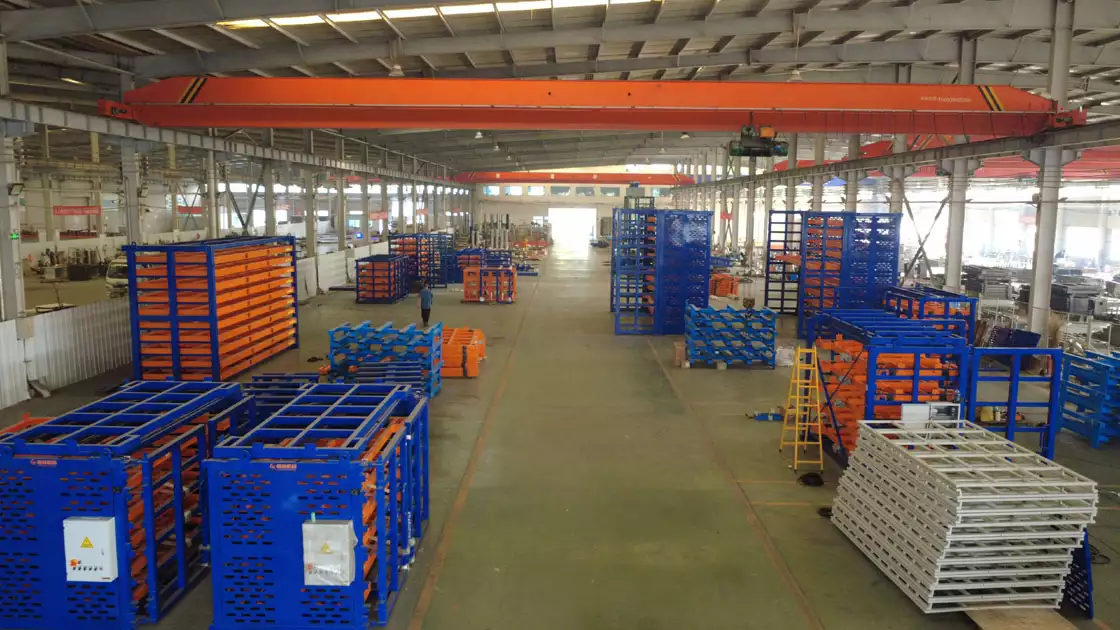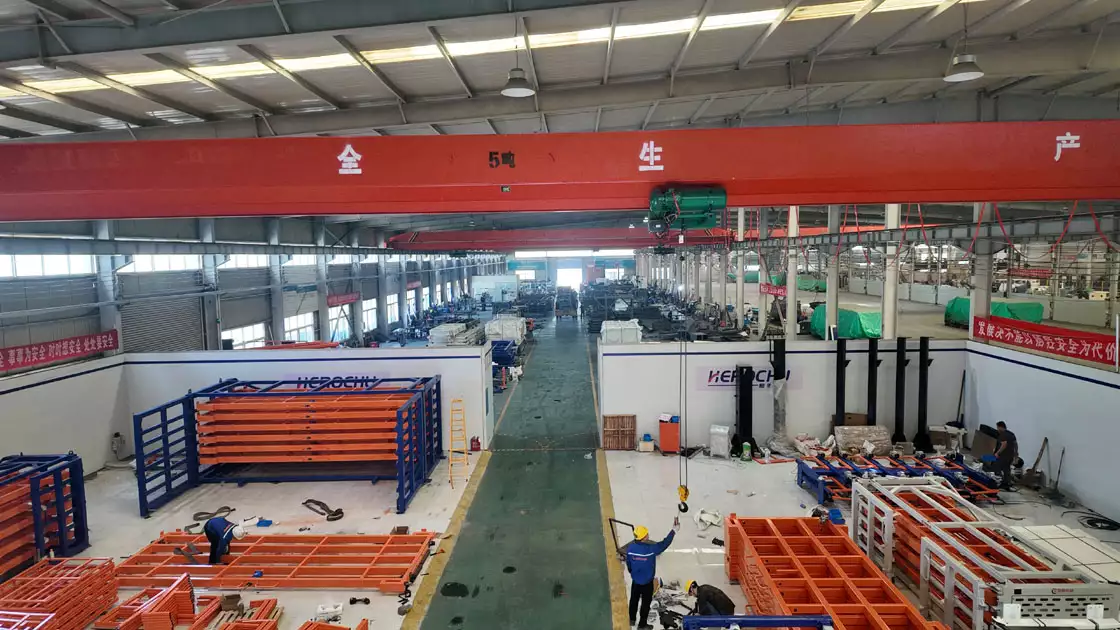
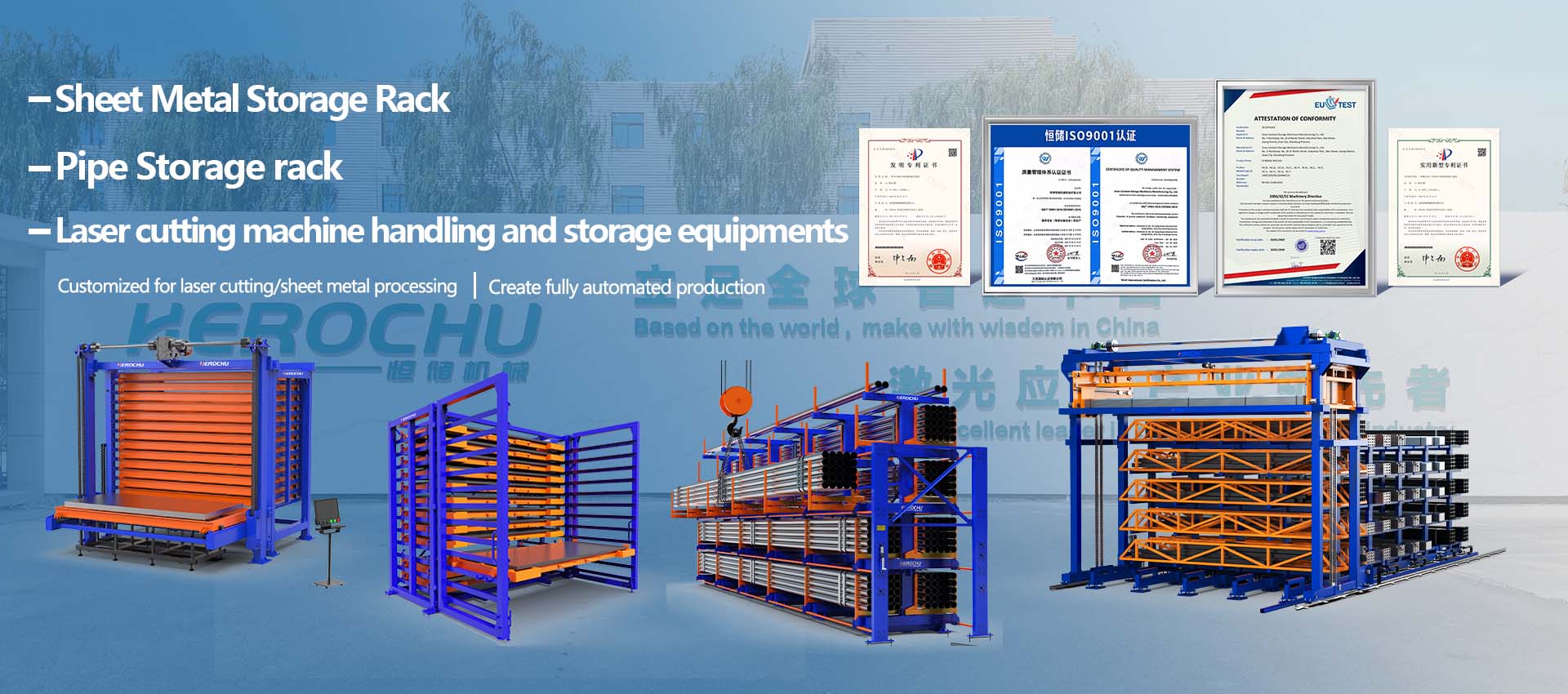
The transition from manual material storage to fully automated logistics is often hampered by three perceived barriers: complexity, cost, and safety concerns. Herochu has systematically dismantled each of these barriers with its Fully automatic sheet material storage warehouse—a vertically integrated system that combines heavy load bearing engineering, intuitive PLC touch screen control, and multi-level safety features into a single modular platform. This article provides a comprehensive technical overview of the system’s architecture, operational sequences, and performance metrics.
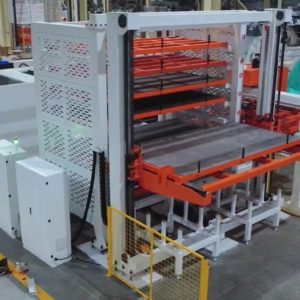
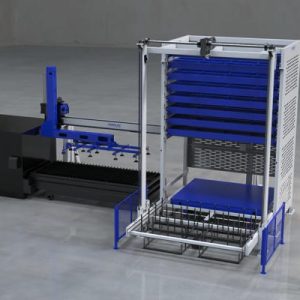
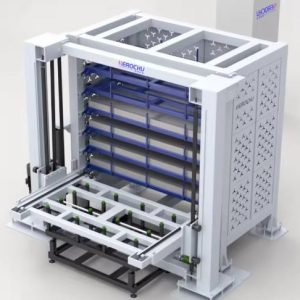
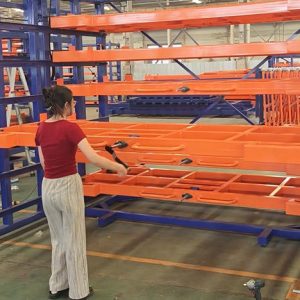
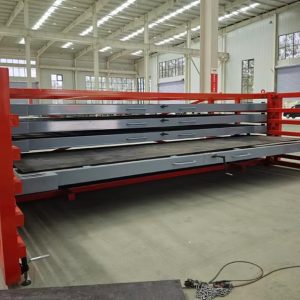
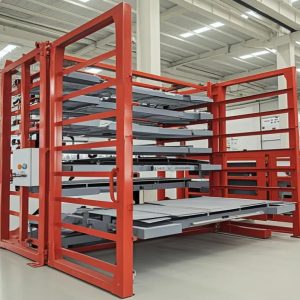
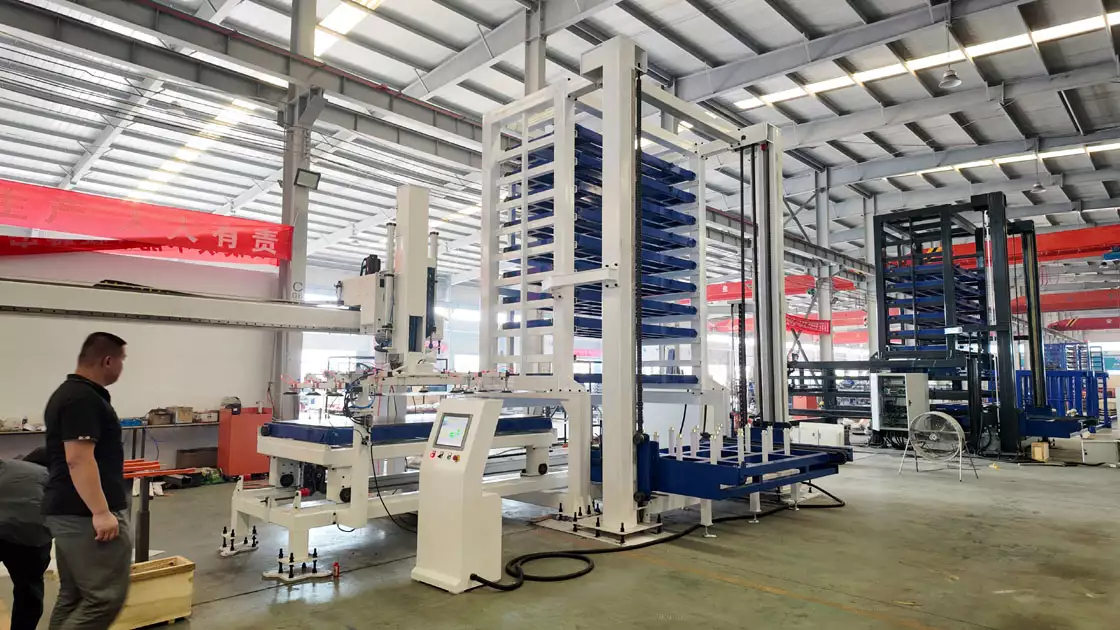
At its core, the Herochu fully automatic sheet material storage warehouse is a vertical lift module (VLM) optimized for sheet metal and plate storage. Unlike horizontal carousels or shuttle systems, the VLM configuration uses a central hoist to retrieve trays from storage levels on both the front and rear sides of the tower. The available specifications—3015, 4015, 4020, 6015, 6020, and 6025 mm—correspond to the maximum sheet dimensions the system can accept. Each specification is matched with a tower width and depth that optimizes the ratio of stored sheets to floor area. For example, the 6025 model stores sheets up to 6000 mm × 2500 mm, which is the standard size for shipbuilding plates and heavy equipment skins.
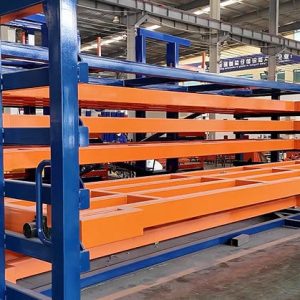
The number of floors ranges from 8 to 13, with each level capable of holding 3 tons or 5 tons. This means a fully loaded Herochu tower in the 6025-13 configuration can store up to 65 tons of steel within a footprint of approximately 25 square meters. To achieve this density, the system uses linear guide rails made of hardened steel, ground to a tolerance of 0.02 mm per meter. The guide rails are mounted vertically inside the tower structure and are supported by cross-braces every 800 mm to prevent deflection under load. The hoist carriage travels on these rails using recirculating ball bearings that are sealed against dust and metal fines—a common contaminant in sheet metal workshops.
Mode of movement: Linear guide rail + chain is the specification that defines the hoist’s motion profile. The chain drive is a double-strand roller chain, size 16B according to ISO standards, with a safety factor of 8:1 relative to the maximum 5-ton load. Chains are preferable to cables or belts in this application because they do not stretch over time, they provide positive engagement without slippage, and their elongation can be measured as a diagnostic indicator of wear. Herochu recommends a chain inspection every 10,000 operating hours, with replacement typically required at 30,000 hours under normal duty cycles.
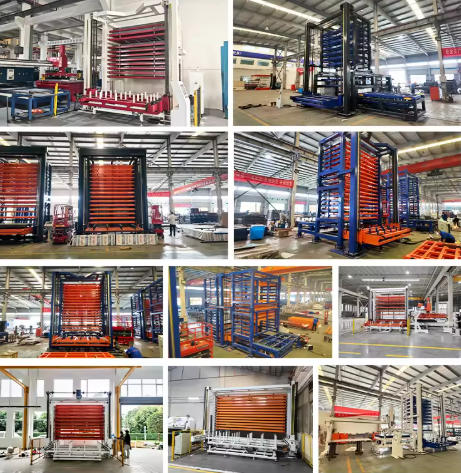
Transmission mode: Chain drive is paired with an AC servo motor and planetary gearbox. The servo motor provides closed-loop speed and position control, enabling the hoist to decelerate smoothly as it approaches the target level. This soft landing feature prevents impact damage to both the stored sheets and the storage tray. The planetary gearbox offers a 40:1 reduction ratio, converting the motor’s 3000 RPM into 75 RPM at the drive sprocket. This combination achieves the specified Vertical lifting Speed: 9m/min under full load, with a positioning accuracy of ±1 mm at any level.
Inlet and outlet Speed: 12m/min refers to the horizontal transfer speed of the extendable forks that move sheets between the hoist carriage and the storage levels. These forks are made of high-strength steel and are equipped with wear strips that can be replaced without disassembling the carriage. The fork mechanism includes a presence sensor to confirm that a sheet has been fully deposited or retrieved before allowing the hoist to move. If a sheet is misaligned, the system aborts the operation, sounds an alarm, and displays the error on the touch screen.
The control architecture is built around a Siemens or Allen-Bradley PLC, depending on regional customer preferences. The PLC manages all motion control, safety monitoring, and inventory tracking. It communicates with the Touch screen control panel—a 15-inch industrial-grade display with a hardened glass surface rated for glove use. The user interface is organized into four primary screens: a warehouse map showing occupied and empty levels, a production queue for staging retrieval requests, an inventory management screen for adding or editing material records, and a diagnostics screen for maintenance alerts and error logs.
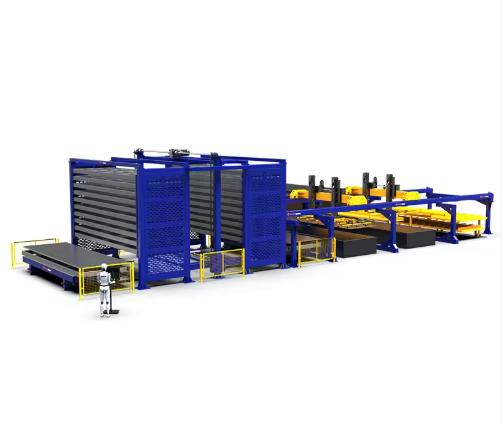
Automatic weight detection is integrated into the entry station. Four strain gauge load cells, each rated for 2 tons, support a section of roller conveyor. When an operator places a sheet or bundle onto the entry station, the PLC records the weight within 0.5 seconds. This weight data is used for two purposes: first, to verify that the material does not exceed the 5-ton per level limit; second, to cross-reference against the expected weight based on the sheet’s dimensions and material density. A deviation exceeding 5% triggers a warning, prompting the operator to verify the material type before storage.
Automatic storage begins once the operator confirms the material data on the touch screen. The PLC selects an optimal storage level using an algorithm that considers: current load per level, frequency of retrieval for that material type, and the material’s weight (heavier items stored lower). The hoist then moves to the entry station, the extendable forks engage the sheet from below, and the hoist transports it to the selected level. The entire storage cycle—from operator confirmation to sheet on shelf—takes between 45 and 90 seconds, depending on the target level’s height.
Automatic delivery reverses the process. Operators enter a retrieval request by selecting a material from the inventory list or by scanning a job order barcode. The PLC commands the hoist to the storage level, the forks retrieve the sheet, and the hoist delivers it to the exit station. If the exit station is occupied, the system queues the request and automatically delivers when the station clears. For high-throughput workshops, Herochu offers a dual-station option with independent entry and exit conveyors.
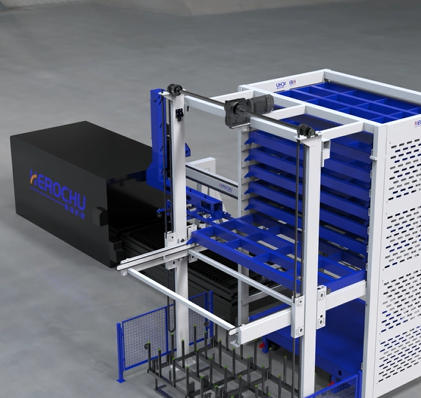
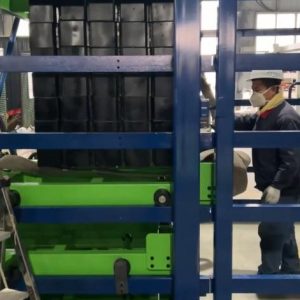
Safe and efficient, heavy load bearing is not just a marketing phrase but a design verification standard. Each Herochu system undergoes a factory load test at 125% of rated capacity before shipment. The safety system includes light curtains at the entry/exit stations, interlocked access doors on all service panels, and emergency stop buttons at both ends of the tower. A software-based anti-collision system prevents the hoist from moving if any door is open. Additionally, the lower levels are equipped with presence sensors that detect if an operator has entered the tower during maintenance; if triggered, the system locks out all motion.
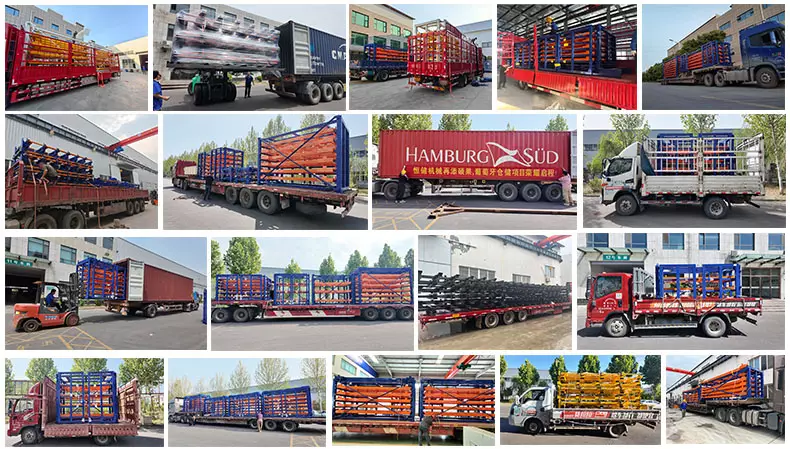
The two loading modes: forklift and overhead crane provide installation flexibility. For new facilities with dedicated material handling equipment, the forklift loading method is faster. For retrofit projects where floor space is constrained, the overhead crane method allows loading from above without requiring a turning radius for a forklift. Herochu provides detailed layout drawings for both configurations, including required clearances and safety zones.
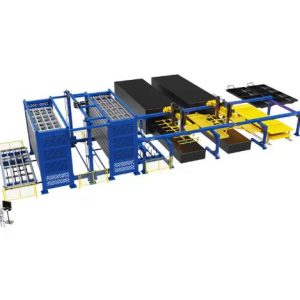
Plate Support optional selection includes several choices. The standard option is fixed steel supports with a 50 mm pitch, suitable for most sheet metal. The roller support option integrates powered rollers that can feed sheets directly into a laser cutter’s automatic loading cell. The UHMW-lined option prevents scratching on polished or coated sheets. For profile storage, the adjustable cradle support is available, featuring movable V-rollers that accommodate different beam and tube sizes.
Connectivity is a major focus of the Herochu fully automatic system. The PLC supports OPC UA, Modbus TCP, and Ethernet/IP protocols, enabling data exchange with ERP systems for inventory valuation and production scheduling. The system can also receive real-time material requests from downstream equipment, creating a truly demand-pull logistics chain. For workshops operating 24/7, the expandable ERP/MES interfaces support fully automated operation without any human intervention during night shifts or weekends.
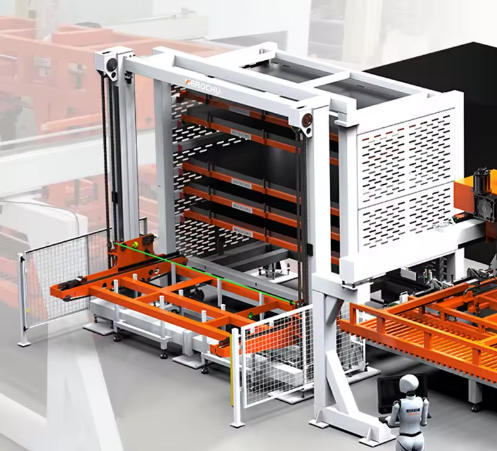
In conclusion, the Herochu fully automatic sheet material storage warehouse is a complete logistics solution that addresses the core pain points of sheet metal fabrication: floor space waste, manual handling inefficiencies, and inventory inaccuracy. By integrating automatic weight detection, automatic storage, and automatic delivery into a heavy load bearing vertical tower with PLC touch screen control, Herochu enables workshops to achieve material logistics parity with their CNC processing capabilities. The dual loading modes and optional plate supports ensure compatibility with existing equipment, while the modular design permits future expansion. For any fabrication manager seeking to eliminate the bottleneck of material storage and retrieval, the Herochu system offers a proven, safe, and highly efficient answer.