The evolution of industrial storage has moved beyond simple shelving. Today’s competitive manufacturing landscape demands solutions that merge material preservation, spatial intelligence, and human safety into one cohesive system. Leading this transformation is the Sliding Drawer Rack for Heavy Plates and Molds—a category-defining product that addresses long-standing pain points in metalworking, die-making, and heavy fabrication industries.
Historically, storing large steel plates or precision molds meant choosing between two flawed options: floor stacking (which damages surfaces and wastes space) or vertical leaning racks (which risk toppling and limit access). Both methods violate core principles of lean manufacturing and occupational safety. The sliding drawer rack eliminates these trade-offs entirely.
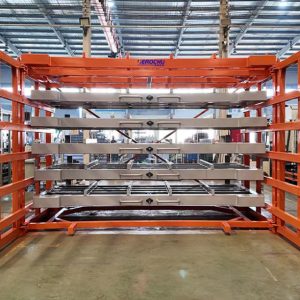
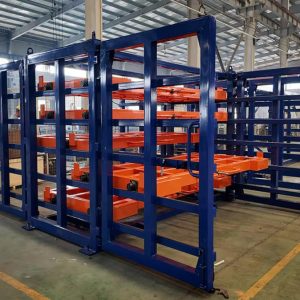
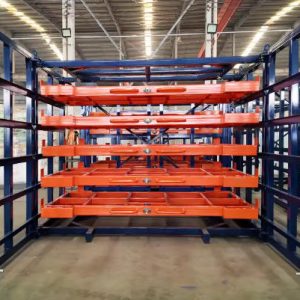
Each drawer functions as an independent storage cell. Plates are placed flat and unobstructed, eliminating point loads that cause dimpling or warping. Molds—often with delicate edges or machined surfaces—are cradled securely, preventing chipping during handling. This level of protection translates directly into higher yield rates and fewer rejected parts due to substrate flaws.
The mechanical design prioritizes reliability. High-capacity linear bearings ensure smooth motion even after thousands of cycles. Drawers lock securely in the closed position to prevent accidental opening during seismic events or forklift proximity. For electric models, soft-start/soft-stop motor control prevents jarring movements that could shift unsecured loads.
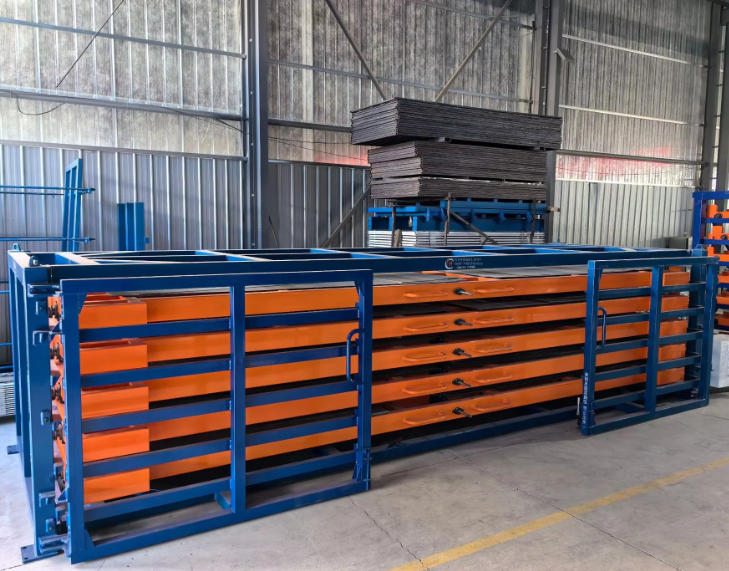
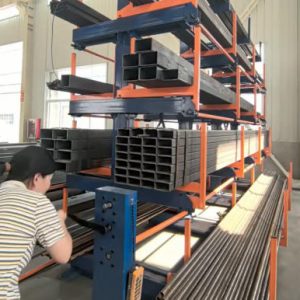
From an operational standpoint, the system enables single-operator workflows. Using a crane or vacuum lifter, a worker can retrieve a specific plate without disturbing adjacent inventory. This precision reduces handling errors and accelerates job setup—critical in make-to-order environments where changeover speed determines customer satisfaction.
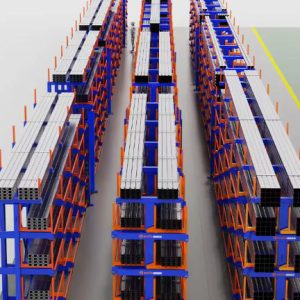
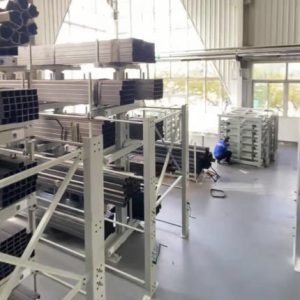
Space utilization follows the same logic. Instead of dedicating entire bays to horizontal stacking, factories can install compact, multi-tiered drawer racks along walls or in mezzanine zones. This vertical strategy aligns with Industry 4.0’s emphasis on smart space allocation, where every cubic meter must justify its existence.
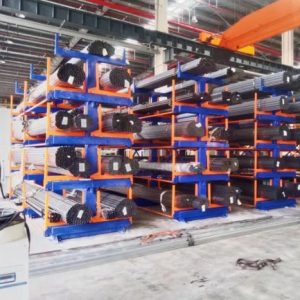
Inventory discipline improves naturally. With clear visual access to all stored items and logical sequencing (e.g., by material grade, thickness, or arrival date), enforcing FIFO becomes second nature. This prevents older stock from oxidizing in forgotten corners—a common issue with bulk stacking.
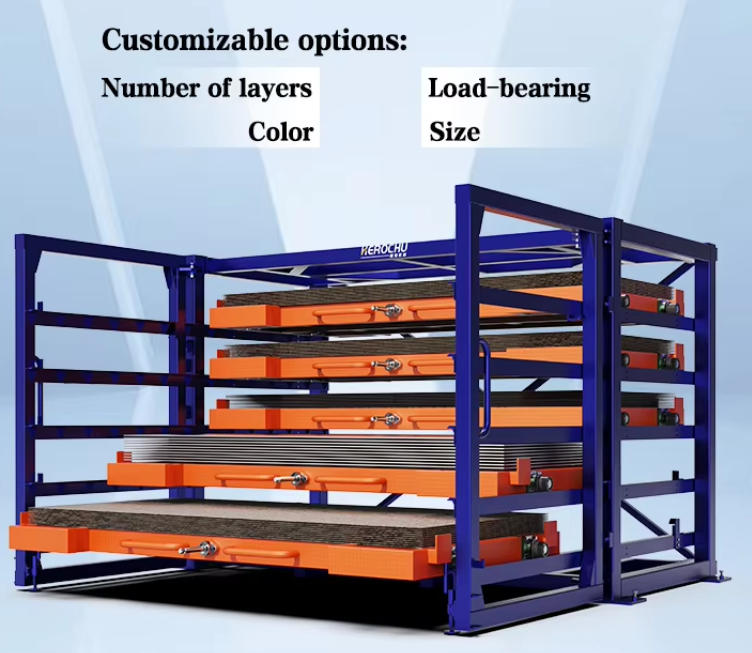
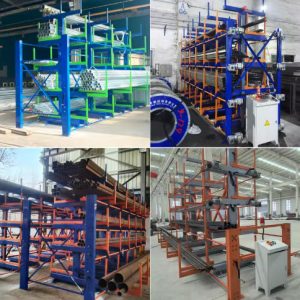
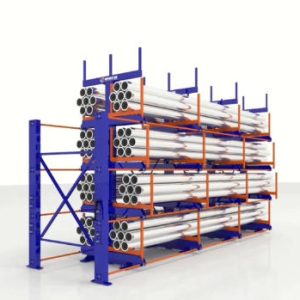
Customization is seamless. Need to store 4m-long titanium sheets? Or irregularly shaped injection molds? The modular frame allows on-demand adjustments in bay width, drawer depth, and inter-layer height. Load ratings are calculated per application, ensuring structural integrity without over-engineering.
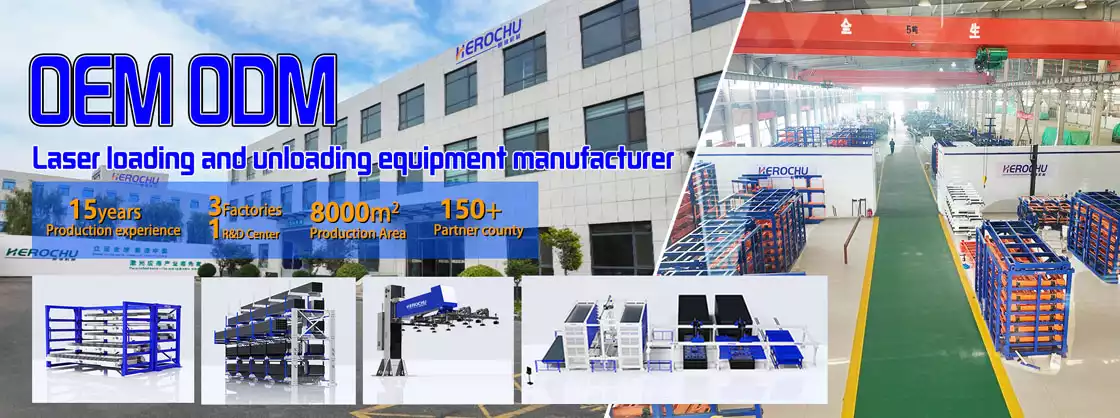
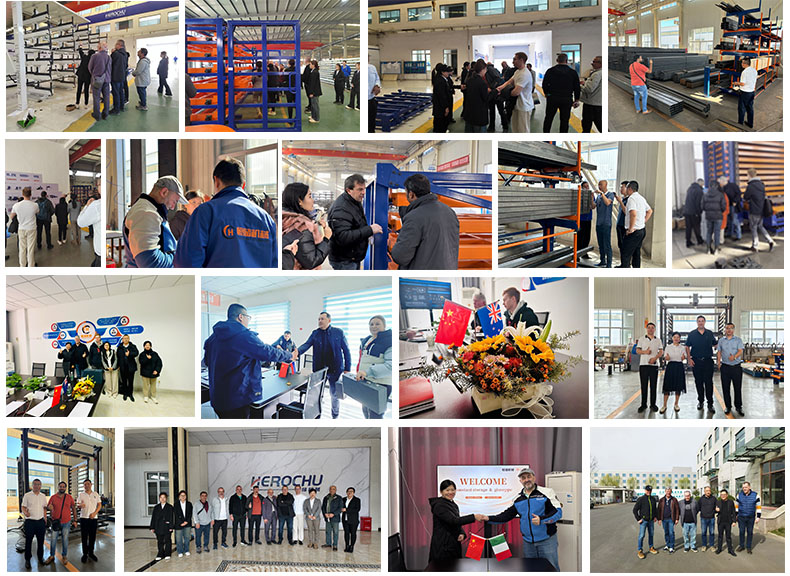
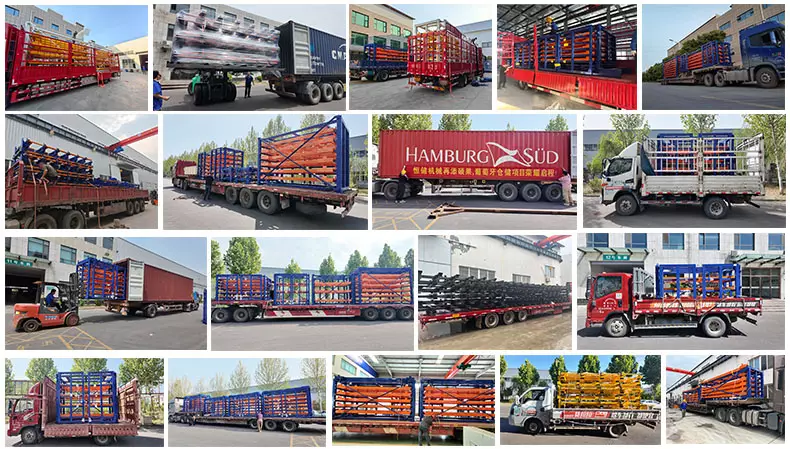
Backed by a manufacturer with 15+ years of export experience, buyers gain more than a product—they gain a partner. From initial consultation to post-installation support, our team provides turnkey solutions including foundation drawings, electrical schematics (for electric models), and compliance documentation for OSHA or CE standards.
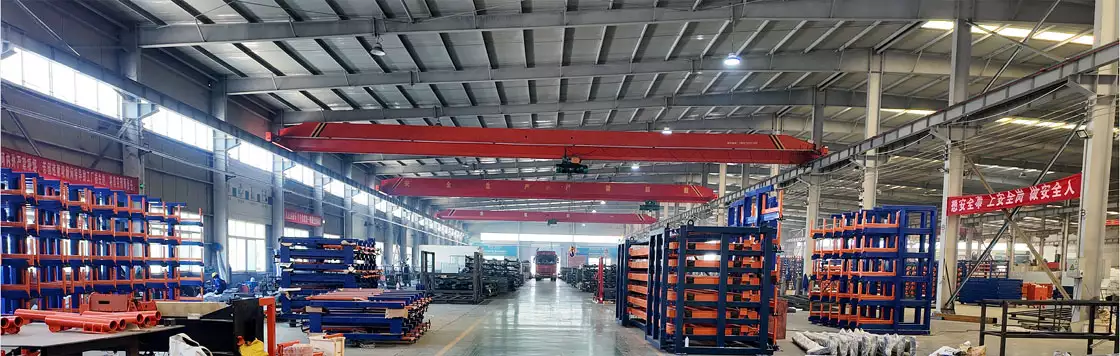
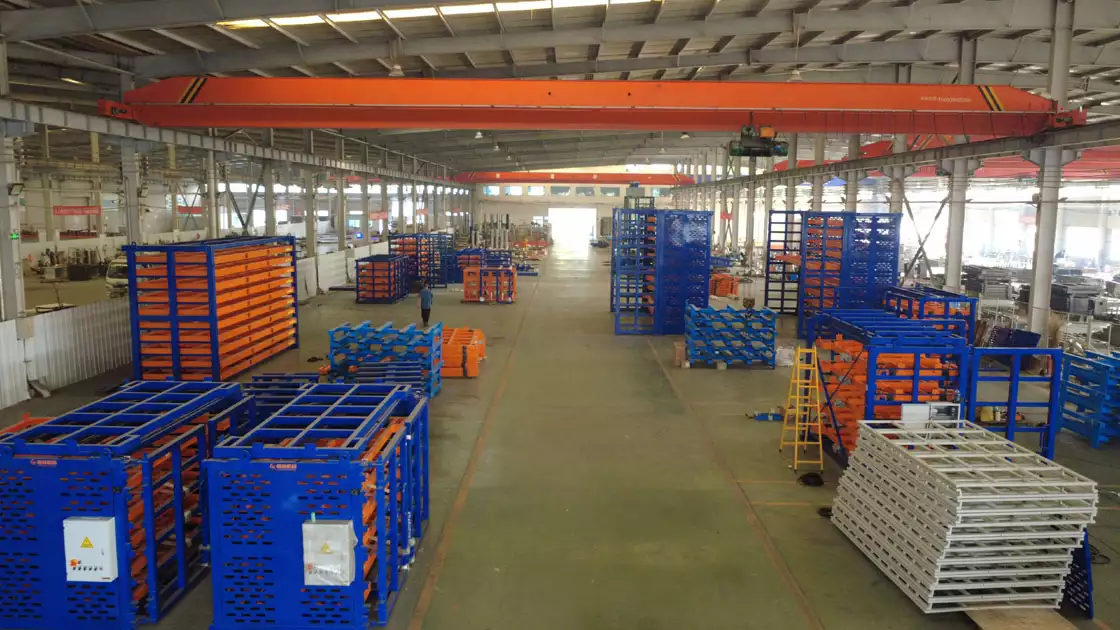
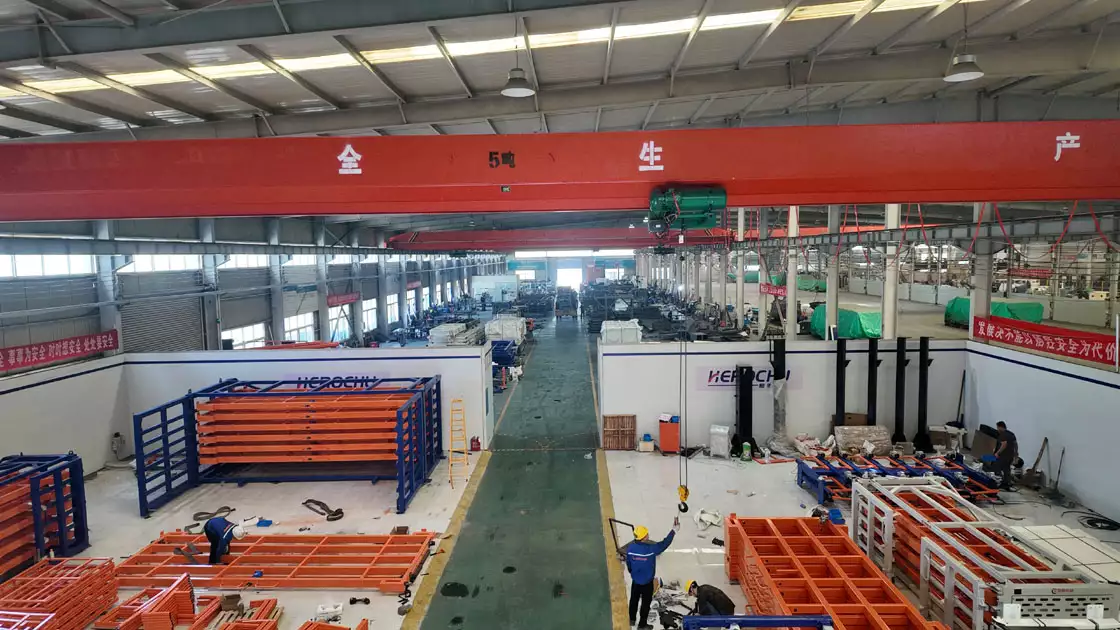
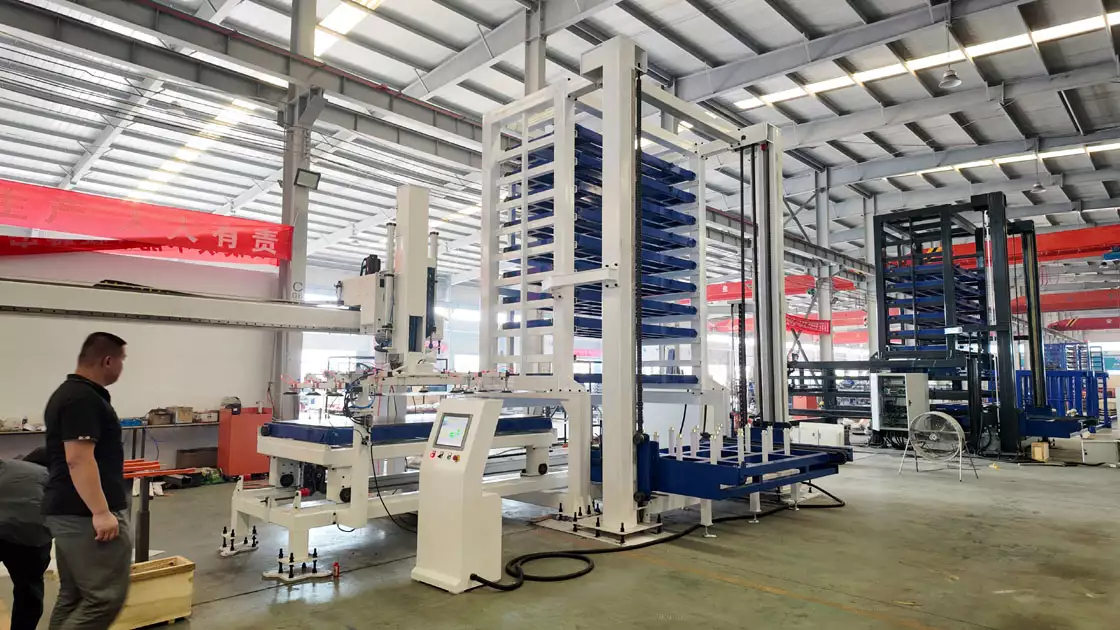
Located in Jiyang Industrial Park, our factory employs advanced CNC punching, laser cutting, and automated welding lines to ensure consistent quality. Every rack undergoes a 120% overload test before packaging.
In conclusion, the Sliding Drawer Rack for Heavy Plates and Molds represents the convergence of practicality, innovation, and industrial rigor. For companies serious about quality, efficiency, and safety, it’s not just an upgrade—it’s a necessity.