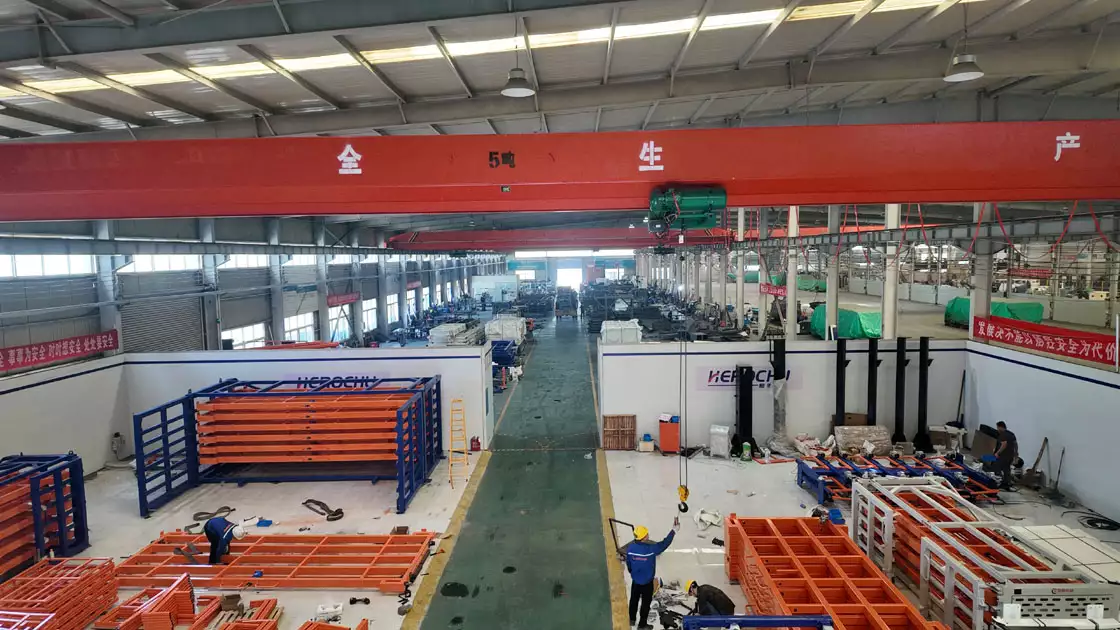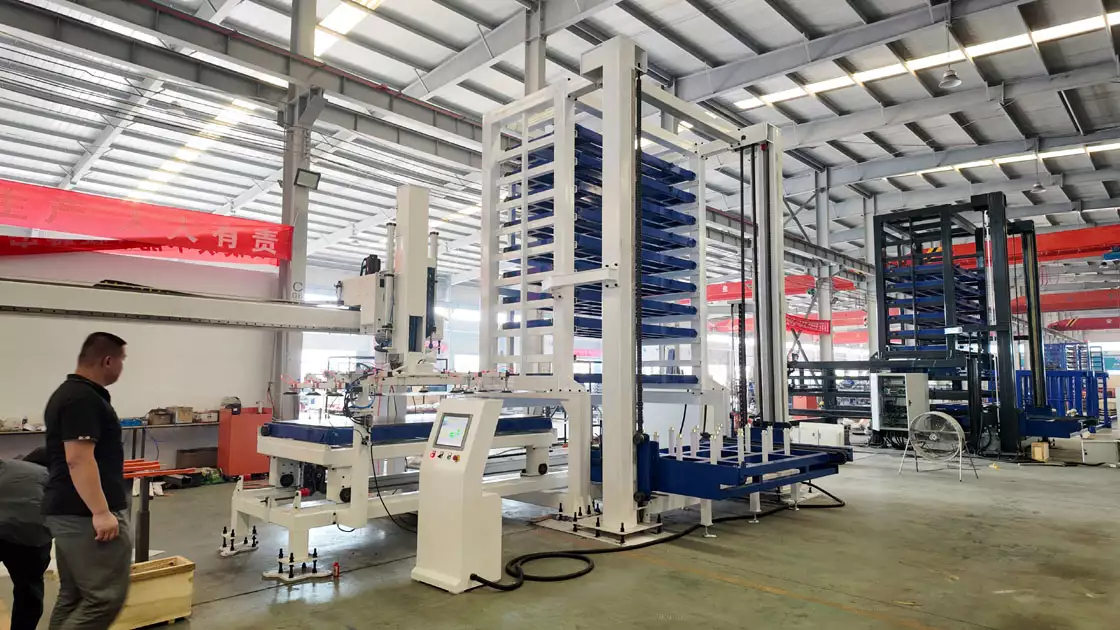
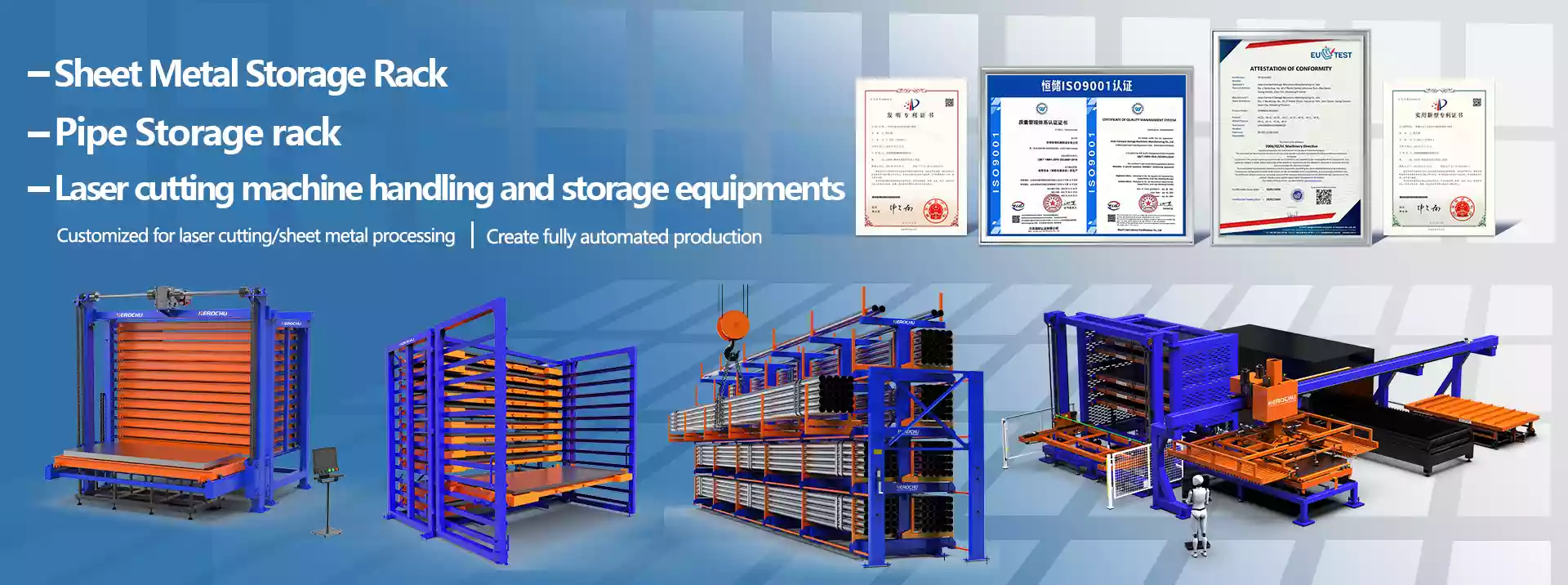
In today’s fast-paced industrial landscape, optimizing warehouse operations isn’t just about storing more—it’s about storing smarter. One of the most transformative innovations in this domain is the Rail-type Long Material Storage Rack, a specialized variant of the telescopic cantilever system engineered for high-density, organized storage of elongated goods. From steel beams to PVC pipes, this rack type addresses the core challenges of traditional long-material handling: inefficiency, damage risk, and spatial waste.
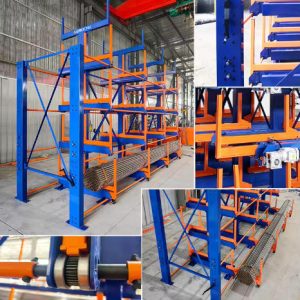
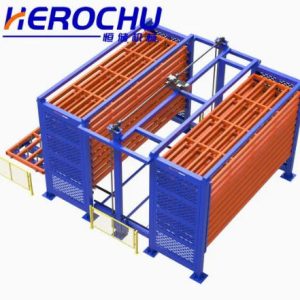
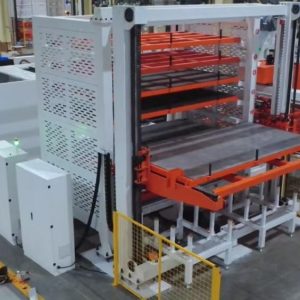
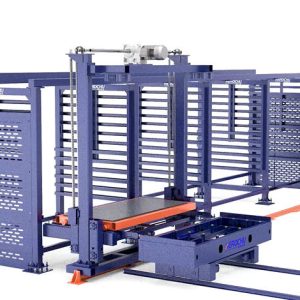
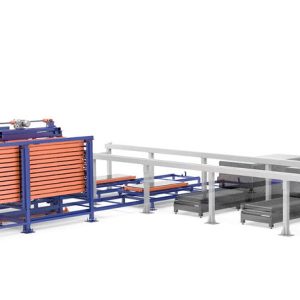
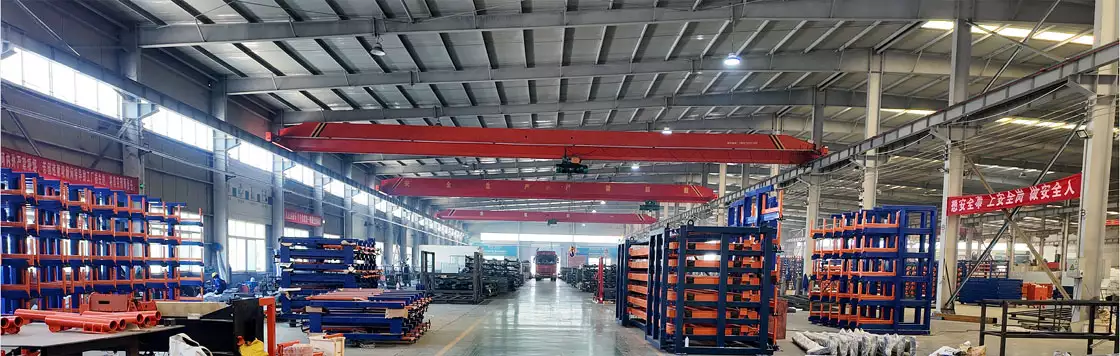
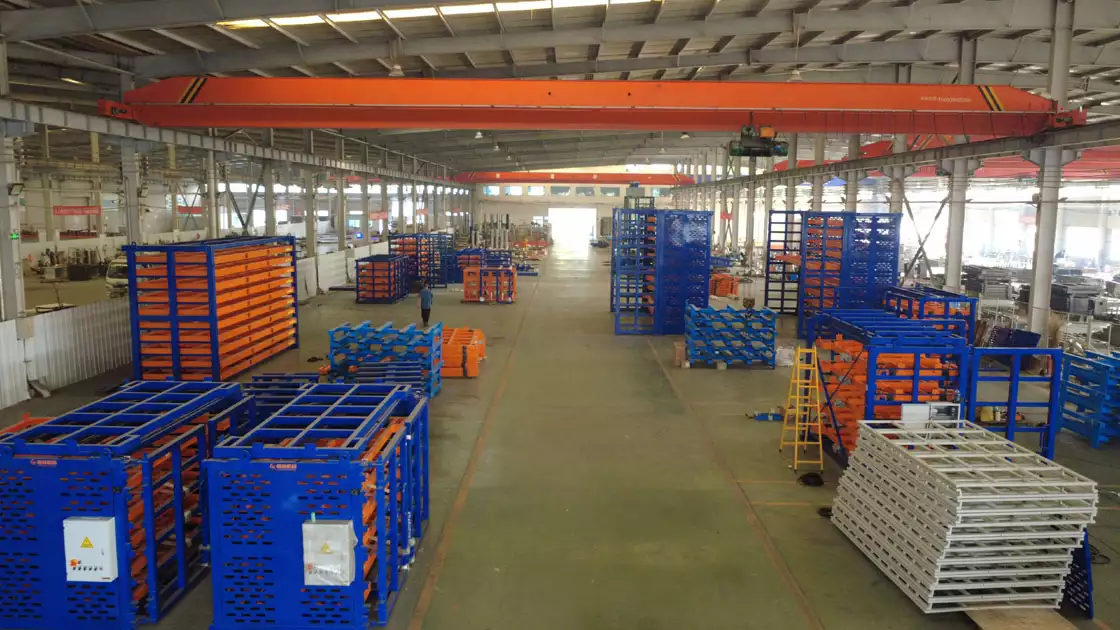
Unlike conventional static shelving, the Rail-type Long Material Storage Rack integrates mobility and modularity. Its structure is built from multiple column sets interconnected by stabilizing rods, forming a rigid yet flexible framework. Attached to each column are fixed and movable arms—some manually operated, others powered by electric actuators. The “rail-type” designation refers to the guided linear motion of the arms, which slide smoothly along precision tracks during extension and retraction.
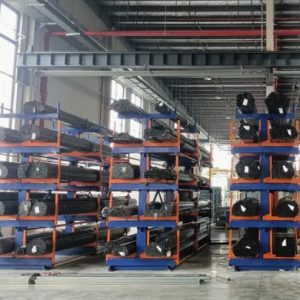
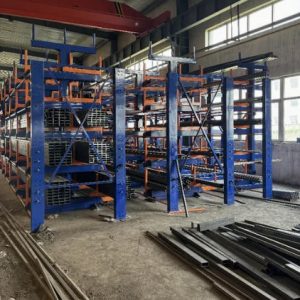
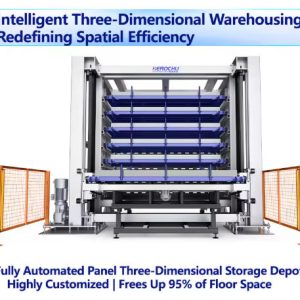
This system excels in three-dimensional storage. By stacking materials vertically across multiple tiers—sometimes up to 6 or 8 levels high—it converts unused overhead space into productive storage volume. A single bay can hold hundreds of meters of pipe or profile without occupying additional floor area. For companies operating in urban or high-rent districts, this vertical expansion is a game-changer, effectively doubling or tripling storage capacity within the same footprint.
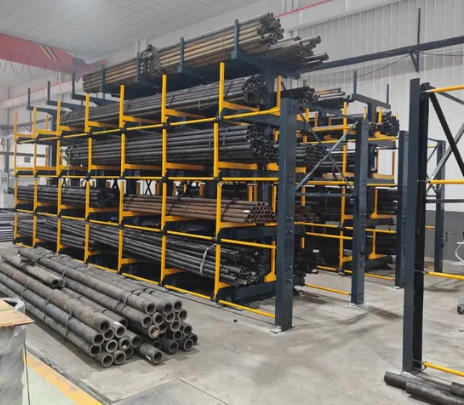
But space savings are only part of the story. The true value lies in independent storage and access by layers. Each tier functions as a self-contained compartment, allowing different material types—say, 2-inch galvanized pipes on level one and 4-meter aluminum bars on level three—to be stored separately yet accessed individually. No more digging through piles or unstacking entire rows to reach a single item. This granular organization streamlines picking processes, reduces labor hours, and minimizes the risk of misplacement.
Furthermore, the Rail-type Long Material Storage Rack supports visual management at scale. Every compartment can be color-coded or labeled with QR codes, barcodes, or RFID tags. Warehouse management systems (WMS) can then track inventory in real time, enabling just-in-time retrieval and automated stock updates. This transparency is especially critical in industries like aerospace or construction, where material traceability impacts compliance and quality control.
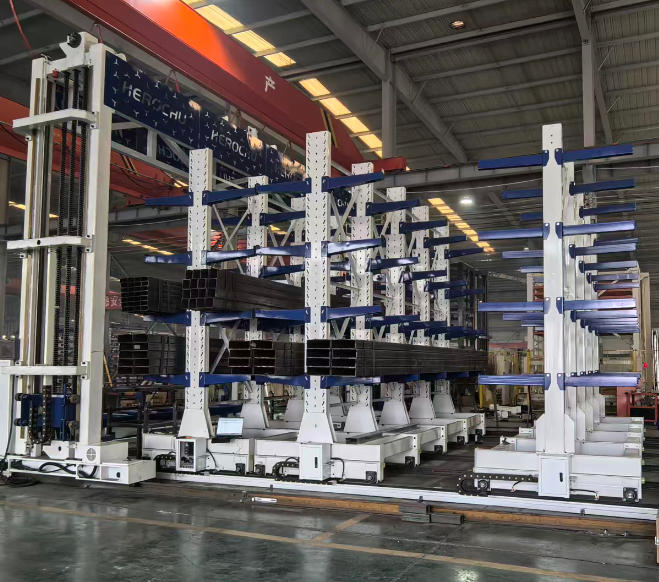
Safety and material preservation are equally prioritized. Ground-stacked pipes often suffer from bending, surface scratches, or moisture-induced corrosion. In contrast, the rack’s side-guarded arms cradle materials securely, preventing roll-off and inter-layer contact. The absence of direct ground contact also mitigates rust formation, particularly in humid environments.
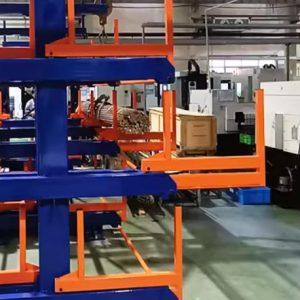
Operationally, these racks demand minimal infrastructure. Because loading and unloading occur vertically via overhead cranes or hoists, there’s no need for wide forklift aisles. Only a narrow service corridor—typically under 2 meters—is required for maintenance and manual operation. This low access channel requirement maximizes usable floor space, making the system ideal for retrofitting into existing warehouses with spatial constraints.
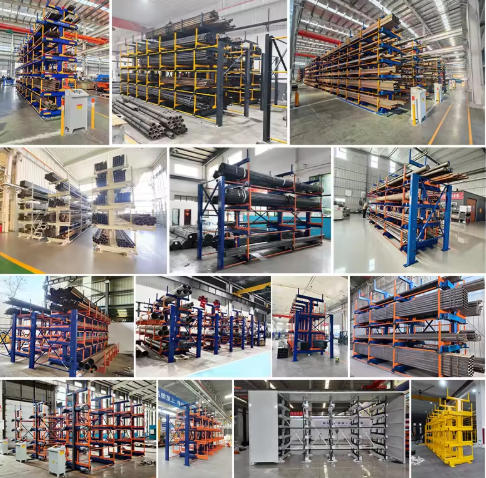
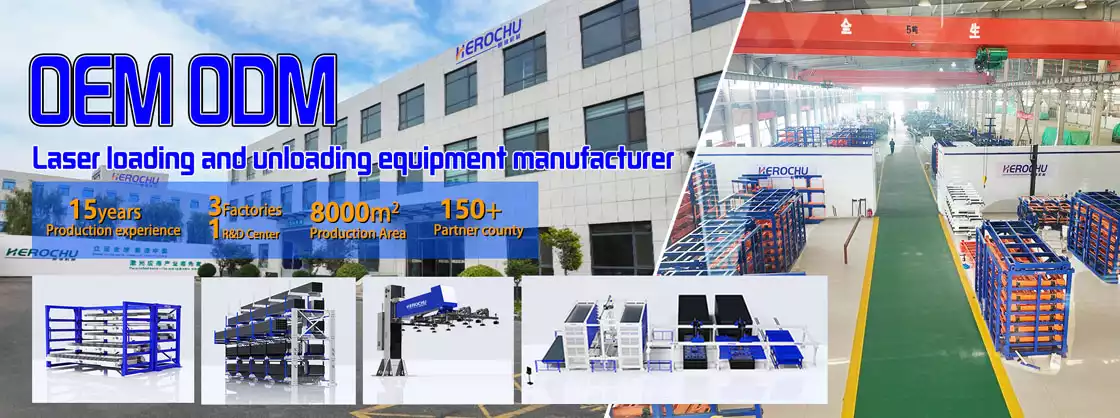
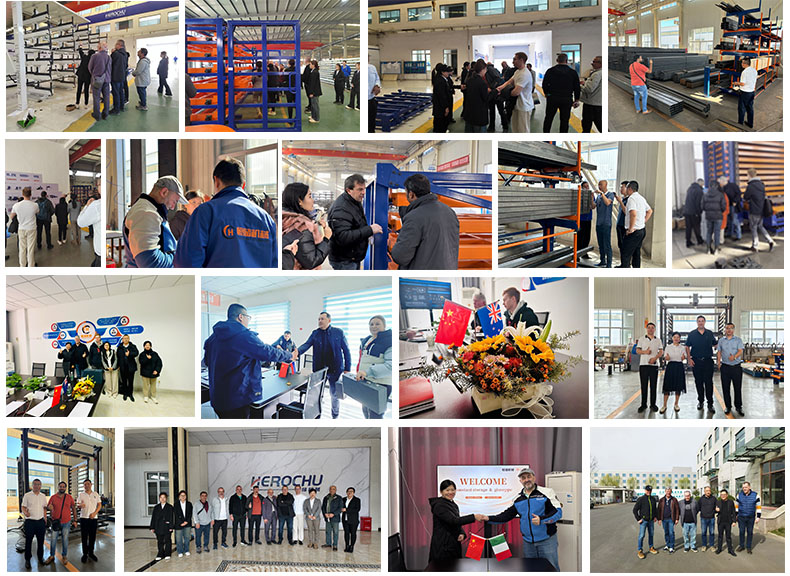
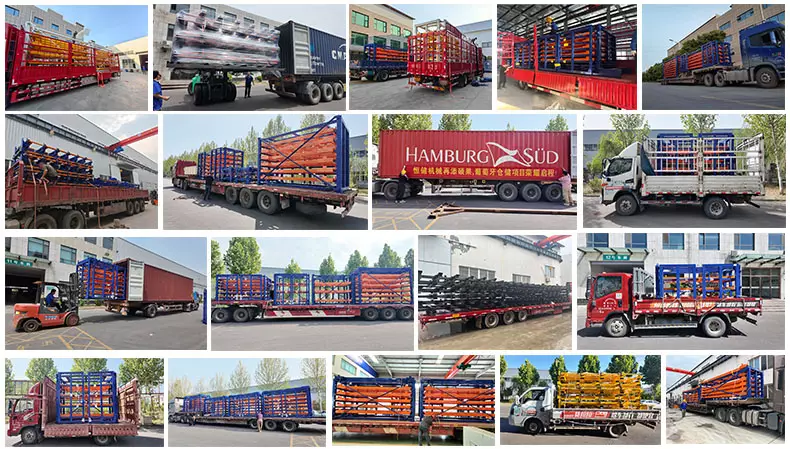
Manufacturers in China have refined this technology through years of collaboration with global clients. Their Rail-type Long Material Storage Racks meet international standards (such as FEM, RMI, or ISO) while offering competitive pricing and rapid lead times. Many also provide CAD layout planning, load simulation reports, and on-site installation support—ensuring seamless integration into your logistics ecosystem.
In summary, the Rail-type Long Material Storage Rack isn’t just a shelf—it’s a strategic asset. It merges engineering precision with operational intelligence, delivering unmatched efficiency for any business handling long, bulky, or high-value materials.