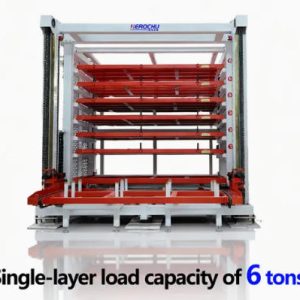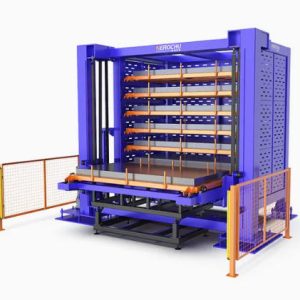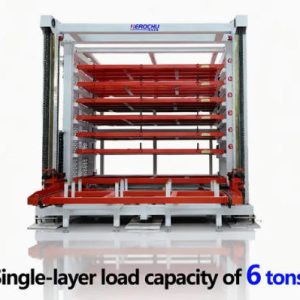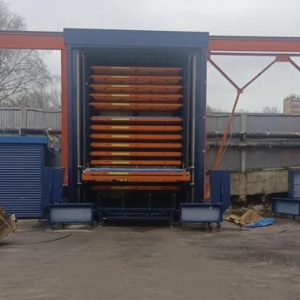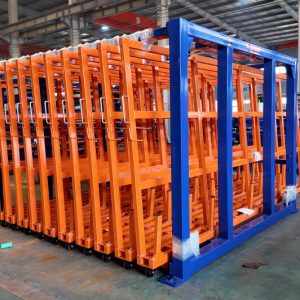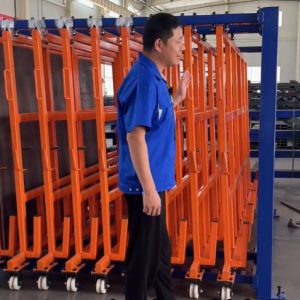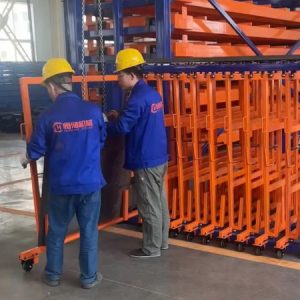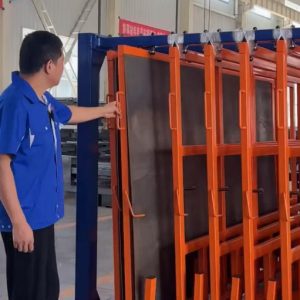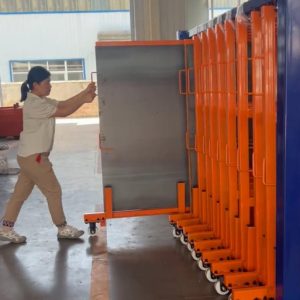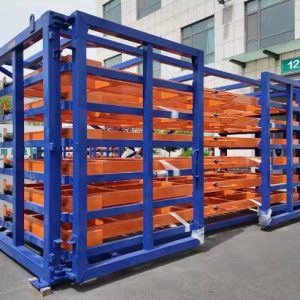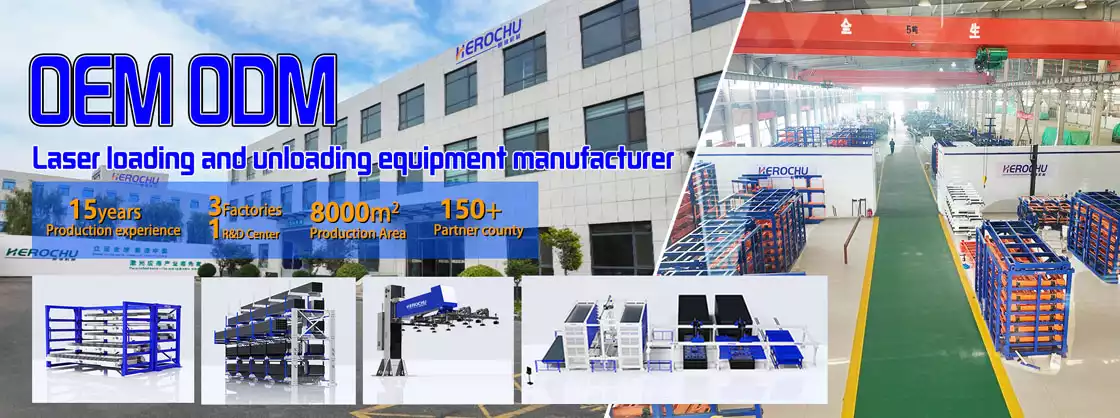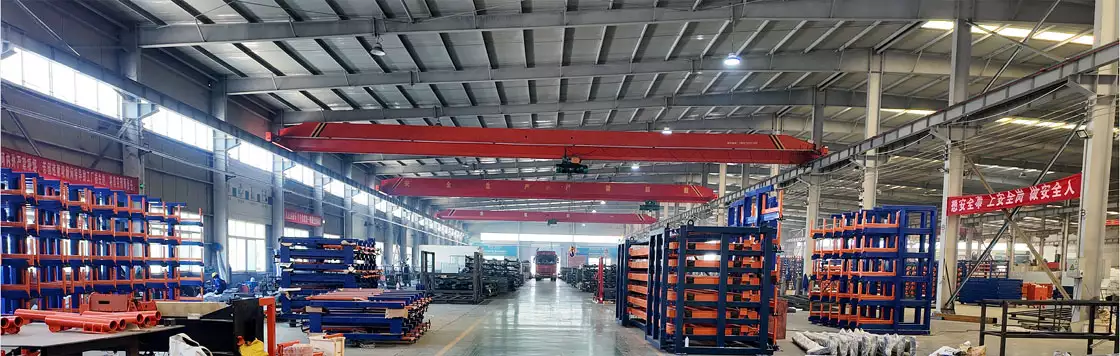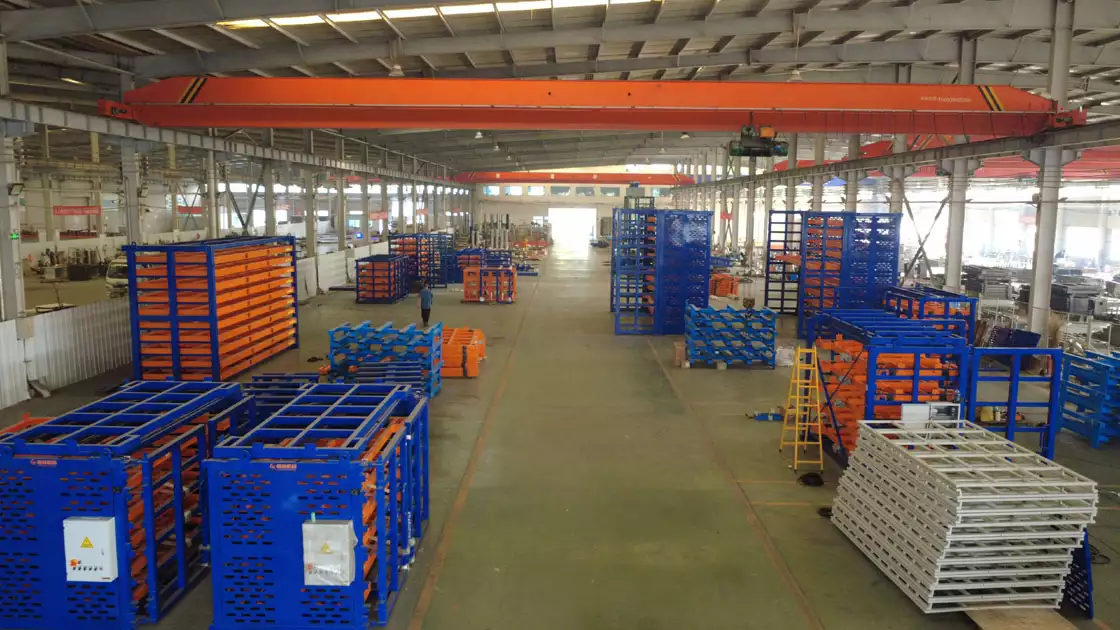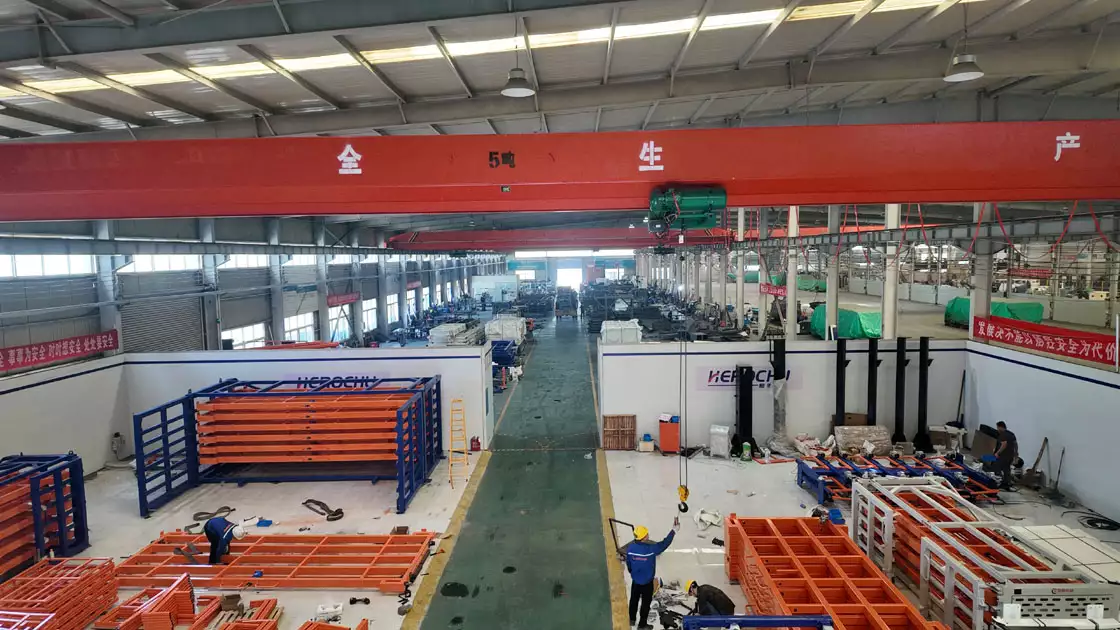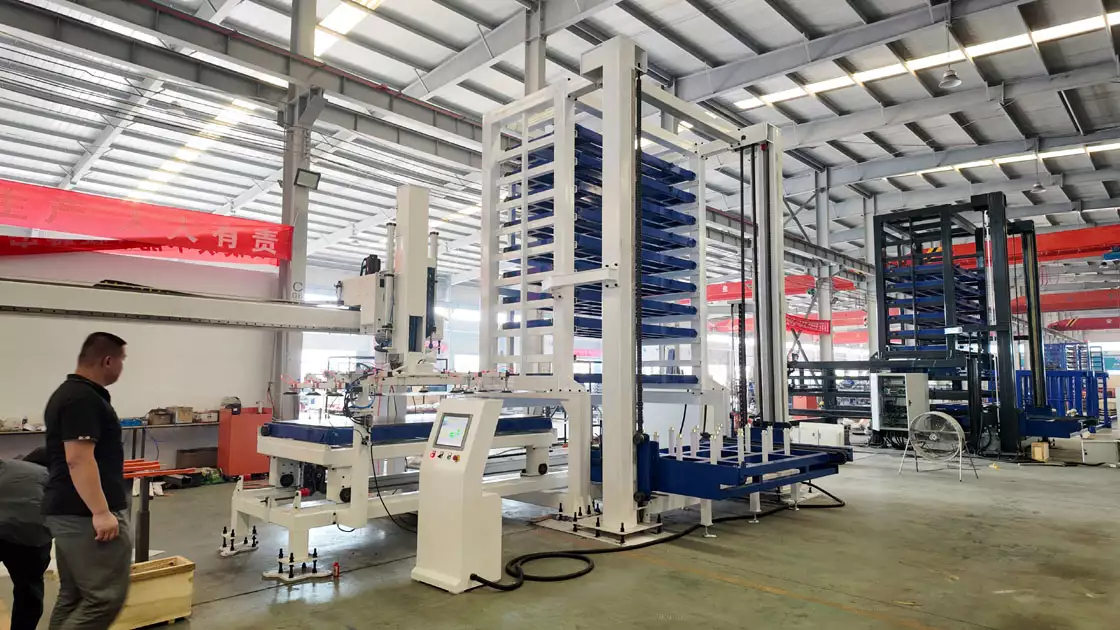
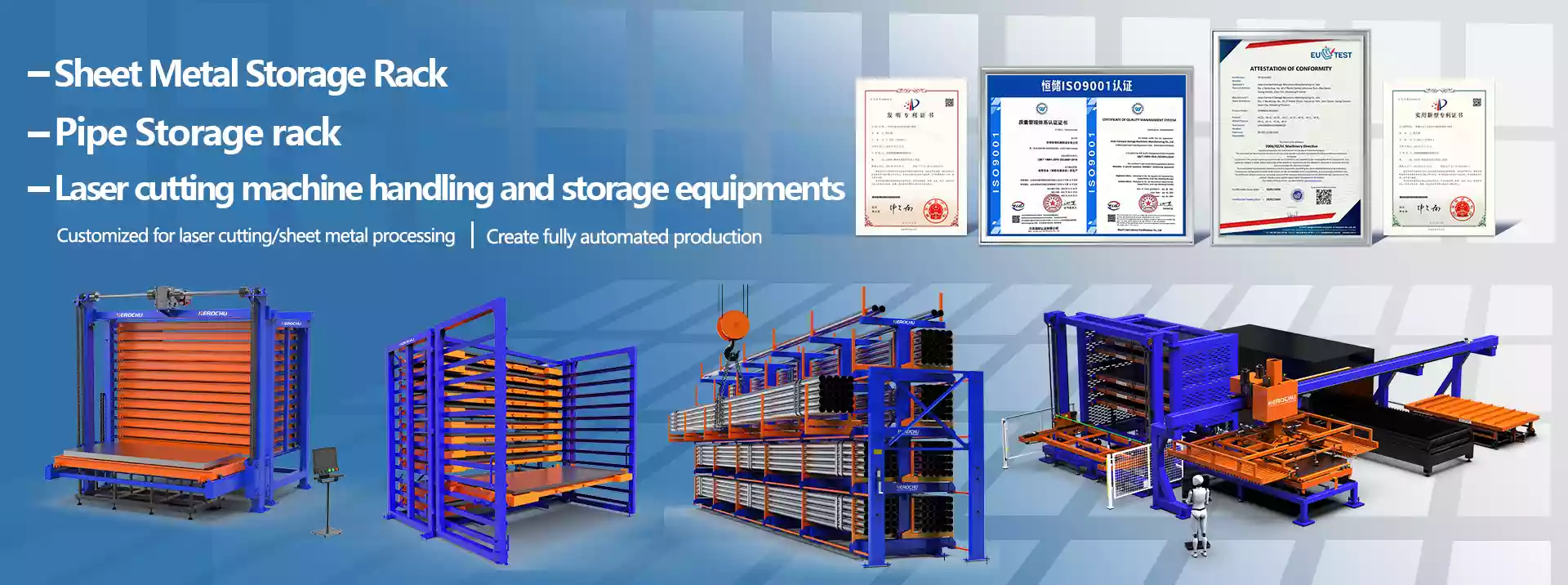
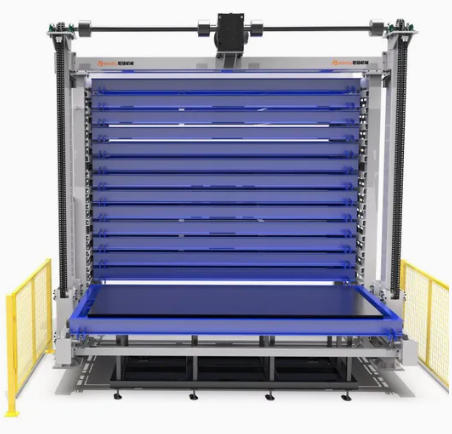
In the era of Industry 4.0 and smart manufacturing, the Smart Storage Rack Warehouse for Sheet Material represents a leap forward in material handling efficiency. This innovative storage solution goes beyond space optimization to incorporate intelligent features that enhance productivity, reduce operational costs, and improve material traceability.
Intelligent Storage Features
Automated Material Tracking
- RFID Integration: Each drawer and cassette can be equipped with RFID tags for automatic material identification and tracking.
- Inventory Management System: Integration with warehouse management software for real-time inventory tracking and reporting.
- Data Analytics: Collects usage data to optimize storage patterns and predict material requirements.
Smart Access Control
- Automated Drawer Access: Electrically controlled drawer locking mechanisms that can be operated remotely or via access control systems.
- Priority Access Scheduling: Allows for scheduling of material retrieval based on production requirements.
- Usage Monitoring: Tracks how frequently specific materials are accessed for better inventory planning.
Enhanced Operational Efficiency
Reduced Labor Requirements
- Single-Person Operation: Maintains the efficiency of one-person handling while adding smart features.
- Automated Retrieval: For certain configurations, automated retrieval systems can further reduce manual labor.
- Ergonomic Design: Smart features contribute to safer and more comfortable material handling.
Time-Saving Innovations
- Quick Identification: Smart labels and digital interfaces make it easier to locate specific materials.
- Optimized Retrieval Paths: Software can suggest most efficient retrieval sequences based on production schedules.
- Reduced Search Time: Digital inventory systems eliminate time spent searching for materials.
Space Optimization Technologies
Dynamic Space Utilization
- Adaptive Storage Patterns: The system can suggest optimal storage configurations based on material usage patterns.
- Seasonal Storage Adjustments: Can be reconfigured based on seasonal variations in material requirements.
- Overhead Space Utilization: Smart vertical storage algorithms maximize use of available vertical space.
Compact Design Enhancements
- Modular Expansion: Smart units can be easily added or reconfigured as storage needs change.
- Overhead Integration: Can be integrated with other smart warehouse systems for comprehensive material flow management.
- Vertical Space Analytics: Provides data on how effectively vertical space is being utilized.
Material Protection Features
Smart Damage Prevention
- Load Monitoring: Sensors that alert operators if materials are being stored beyond recommended capacity.
- Environmental Monitoring: Can track temperature and humidity levels to ensure optimal storage conditions.
- Vibration Detection: Alerts staff to potential issues that could affect material integrity.
Traceability and Quality Control
- Material History Tracking: Maintains digital records of each material’s storage history.
- Quality Assurance Integration: Can be linked with quality control systems to track material condition over time.
- Compliance Tracking: Helps maintain documentation for quality standards and regulations.
Customization Options
Smart Customization Features
- Adaptive Configurations: The system can be programmed to suggest optimal configurations based on material types and sizes.
- Usage-Based Customization: Learns from operational patterns to optimize itself over time.
- Industry-Specific Solutions: Can be tailored with industry-specific smart features and integrations.
Physical Customization
- Size Variations: Available in multiple standard sizes with smart features adaptable to each configuration.
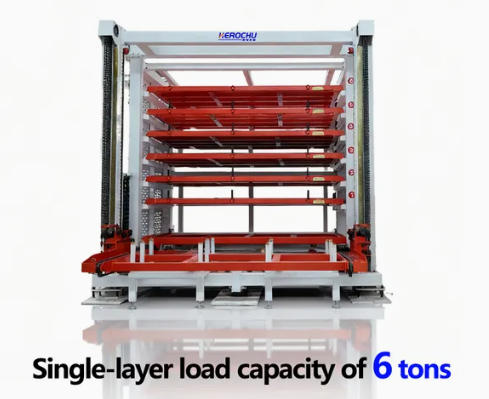
- Load Capacity Options: Smart load monitoring can be calibrated for different weight capacities.
- Color Options: Customizable colors with smart labeling options for easy identification.
Implementation Considerations
Technology Integration
- Compatibility with Existing Systems: Ensure smart features can integrate with current warehouse management systems.
- Training Requirements: Staff may need training on new smart system features and interfaces.
- Maintenance Needs: Smart systems may require specialized maintenance for electronic components.
Operational Workflow
- Smart Workflow Integration: How the system will fit into existing production workflows.
- Data Management: Plans for handling and utilizing the data collected by smart features.
- Scalability: Ensuring the system can grow with smart features as needs evolve.
Future-Proofing Your Storage
Smart Upgrades
- Modular Smart Features: Ability to add new smart functionalities as they become available.
- Software Upgrades: Keeping the system up-to-date with the latest smart technologies.
- Integration with Industry 4.0: Preparing for future smart manufacturing integration.
Long-Term Benefits
- Adaptive Storage: The system can evolve with changing material handling needs.
- Data-Driven Decisions: Provides valuable insights for continuous improvement.
- Return on Investment: Smart features can lead to significant long-term operational savings.
Conclusion
The Smart Storage Rack Warehouse for Sheet Material represents the cutting edge of industrial material storage solutions. By combining space-saving design with intelligent features, it offers a comprehensive solution that addresses modern manufacturing challenges. The integration of smart technologies enhances operational efficiency, improves material traceability, and provides valuable data for continuous improvement, making it an ideal choice for forward-thinking facilities looking to optimize their sheet material storage.